
Florida man arrested after placing virus on woman’s computer, sharing private info in more than 100 TikTok videos

Florida man arrested after placing virus on woman’s computer, sharing private info in more than 100 TikTok videos

A 36-year-old Florida man was arrested after investigators accused him of gaining unauthorised access to a woman’s computer and posting private information involving women in more than 100 TikTok videos. Mark Stephen Asea of Port St. Lucie was booked into the St Lucie County Jail on September 30 on a felony computer-access charge, with his … Read more
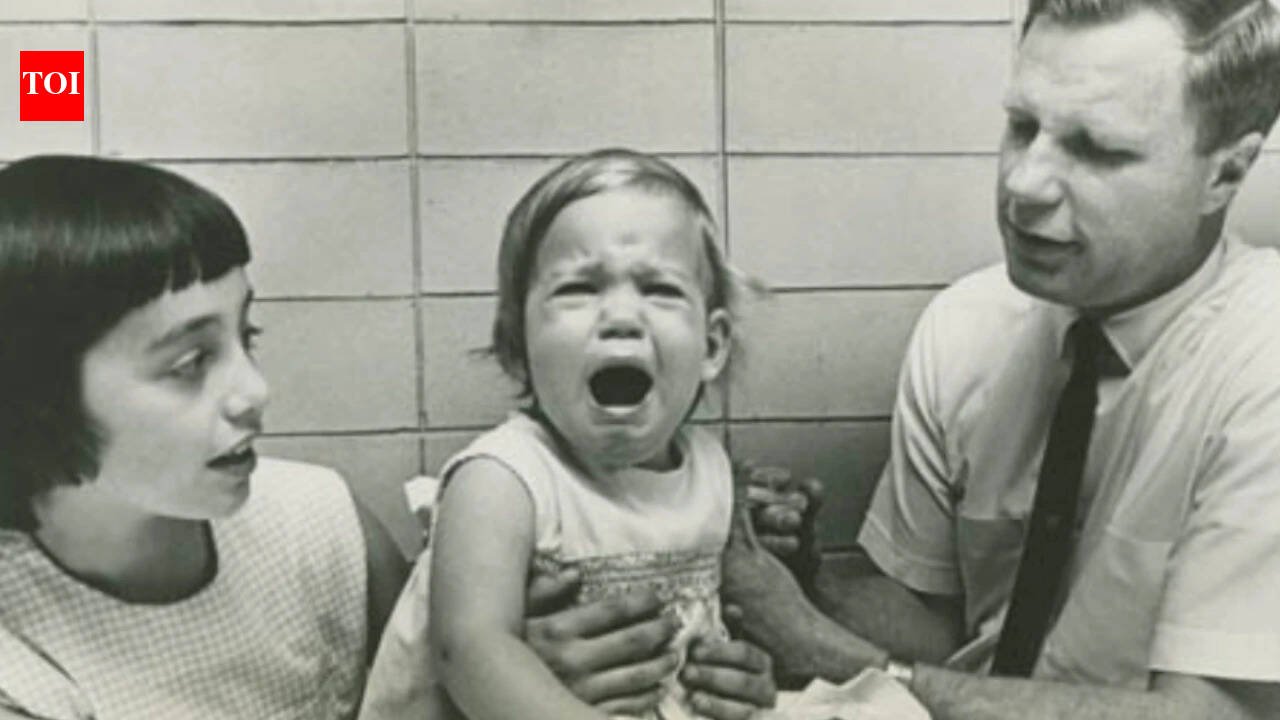
In 1963, Maurice Hilleman swabbed his 5-year-old daughter’s throat after she caught mumps; four years later, the vaccine built from her virus strain was licensed in the US and remains in use

In 1963, Maurice Hilleman swabbed his 5-year-old daughter’s throat after she caught mumps; four years later, the vaccine built from her virus strain was licensed in the US and remains in use

Jeryl Lynn comforts her crying sister Kirsten during a 1966 vaccination with the Jeryl Lynn Strain. In 1963, vaccine researcher Dr Maurice Hilleman was working to develop a safe and effective vaccine against mumps when his five-year-old daughter, Jeryl Lynn, developed the disease. One night, Jeryl Lynn woke Hilleman and showed him her swollen cheeks, … Read more

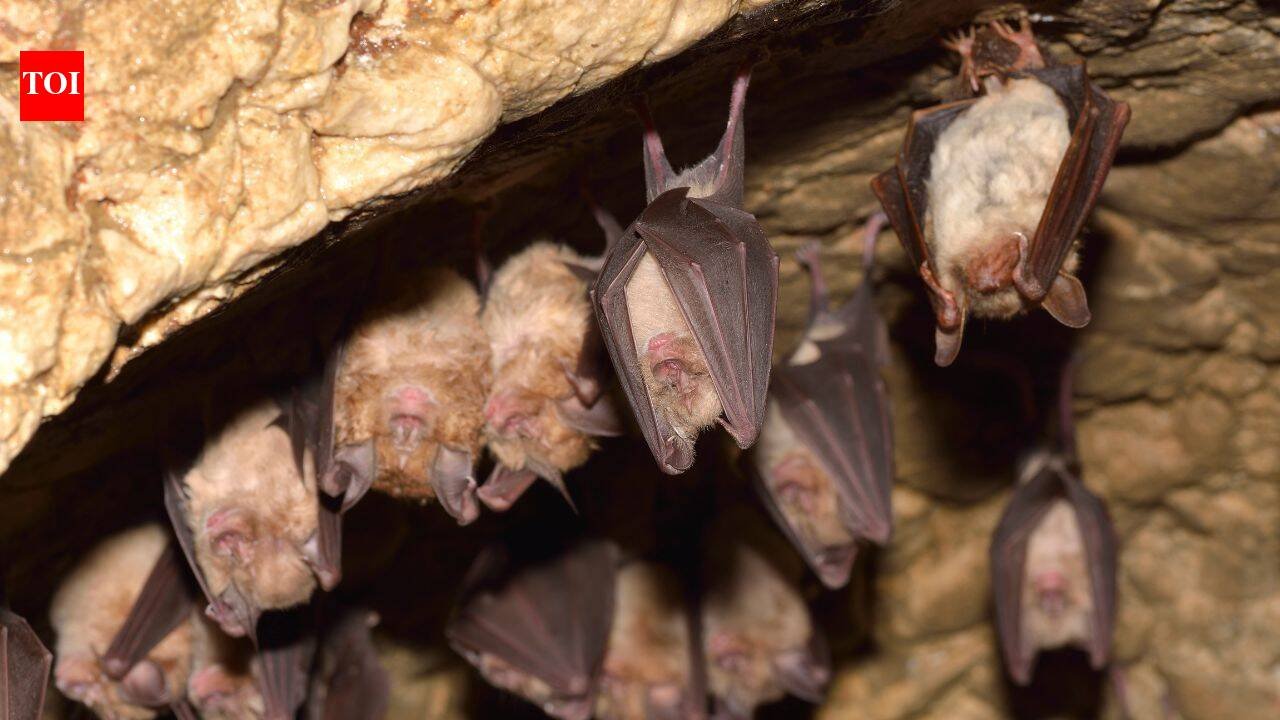
Some Myotis bats can live 50 years while close relatives live just 7; sequencing eight species found longevity genes overlapping with cancer and virus defenses

Some Myotis bats can live 50 years while close relatives live just 7; sequencing eight species found longevity genes overlapping with cancer and virus defenses

A mouse-sized bat that lives for decades appears to have evolved some of the same biological protections that help it resist cancer and viral disease. Researchers comparing eight closely related Myotis species found an extraordinary range of lifespans, from about seven years in some species to nearly 50 years in others. Their genome analysis revealed … Read more

In the 1930s, Florida introduced rhesus macaques to boost tourism; today the invasive monkeys carry a potentially fatal virus and are considered a public-health concern

In the 1930s, Florida introduced rhesus macaques to boost tourism; today the invasive monkeys carry a potentially fatal virus and are considered a public-health concern

Nonhuman primates (NHPs) can harbour multiple zoonotic pathogens owing to their close phylogenetic relationship and frequent interactions with humans. They can also be extremely successful ecological invaders. Within the United States, fewer than or equal to NHP species have been introduced and of them, the rhesus macaque has successfully established populations in Florida and Puerto … Read more