In 1976, Buffalo turned a 264-acre industrial dump into a nature preserve; 50 years later, its 75-acre marsh is Erie County’s largest remnant wetland and 260+ bird species have been observed

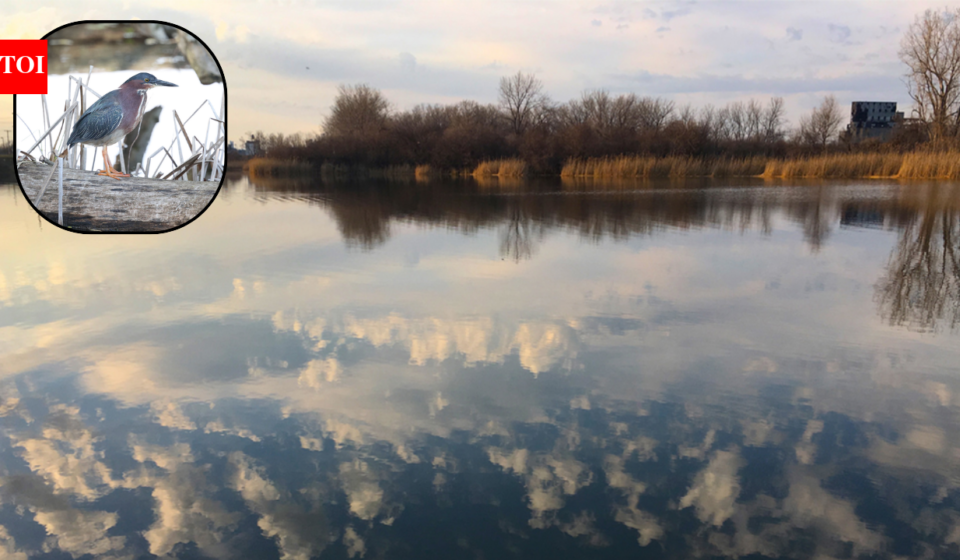
A former industrial site and municipal landfill on Buffalo’s Outer Harbor has spent the past five decades becoming something very different: a 264-acre urban nature preserve supporting wetlands, woodlands, ponds and diverse wildlife. Tifft Nature Preserve, which officially became a nature preserve in 1976, is marking its 50th anniversary in 2026. According to Tifft Nature Preserve, the site now includes a 75-acre cattail marsh, while more than 260 bird species have been observed there. Its transformation involved covering buried waste, restoring habitat and establishing long-term ecological management and research.
From industrial land to protected nature preserve
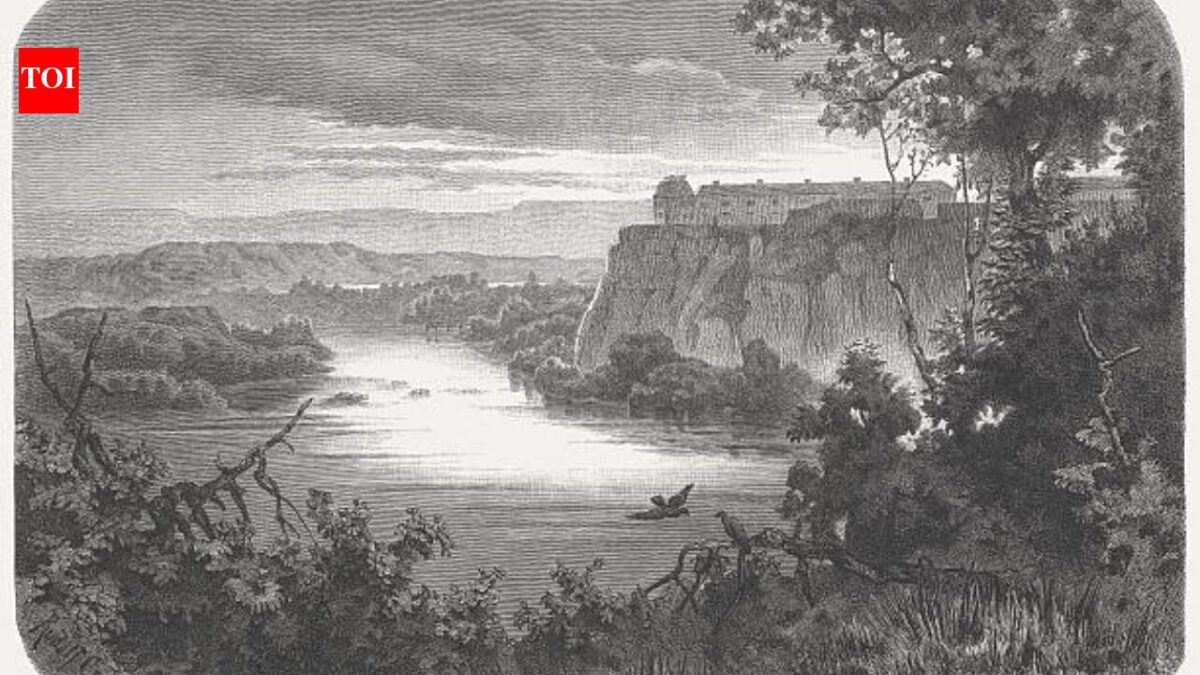
The land that became Tifft Nature Preserve had a much longer history before it became a protected natural area. According to the preserve, it was once part of a large dairy farm owned by George Washington Tifft before becoming a transshipment centre for commodities including coal and iron ore. As Buffalo’s industrial activity expanded, portions of the property were used for various forms of waste and fill.During the 1950s and 1960s, the City of Buffalo acquired the property and used it as a dumpsite for municipal refuse. The site therefore entered the 1970s with an industrial and waste-management legacy rather than as an untouched natural landscape. The future of the remaining habitat changed when concerned citizens pushed for the site’s ecological value to be recognised. A 1975 master plan laid out plans for trails, ecological management and administration, while the city restricted refuse transfer to the southwest portion of the property. The land began its transition towards becoming a nature preserve.In the 1970s, nearly two million cubic feet of solid municipal waste was enclosed in clay and covered with soil excavated from another part of the property. Ponds were enlarged, trees and wildflowers were planted, and efforts were made to protect the site’s large cattail marsh. In 1976, the area officially became Tifft Farm Nature Preserve.
A wetland survives within Buffalo
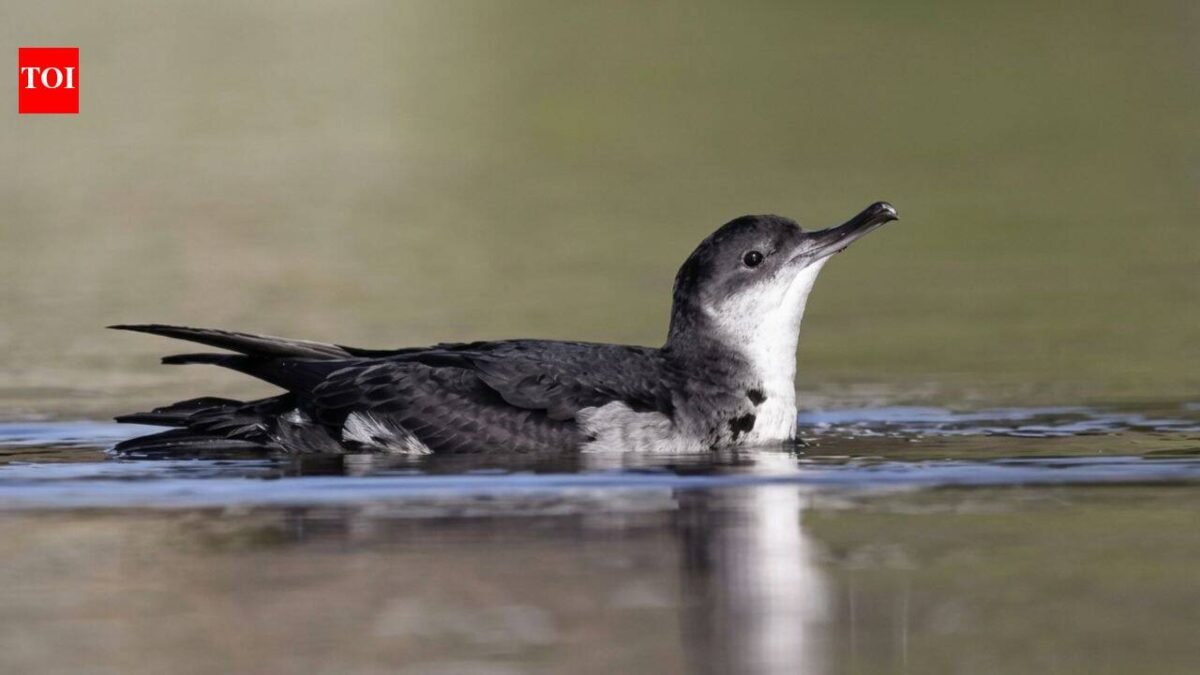
One of the most important parts of the preserve is its 75-acre cattail marsh. Tifft describes the marsh as a remnant of a much larger wetland complex that once extended across parts of the surrounding region. Its survival gives the preserve particular ecological importance within an increasingly urban landscape. The marsh is also central to Tifft’s wildlife value. The preserve’s research programme notes that more than 260 bird species have been observed there, while its location along Lake Erie provides opportunities for studying wildlife associated with wetlands and waterfront habitats. Tifft has also been designated an Important Bird Area by the National Audubon Society.The habitat has not simply been left to develop without intervention. Ecological management has included efforts to control invasive plants, create open-water habitat and increase native vegetation. In 1999, canals were dredged to create additional open-water areas for waterfowl and marsh birds. Later projects expanded ponds and addressed invasive species affecting the marsh.
Decades of restoration and ecological research
Tifft’s transformation has continued long after its designation as a preserve. In 1982, the Buffalo Society of Natural Sciences took charge of the city-owned property, and the preserve became what the organisation describes as a “living collection” containing vegetation, wildlife, hydrology, soils, natural processes and history.Research expanded substantially over subsequent decades. The preserve has worked with students and faculty from institutions including Buffalo State College, Canisius College, SUNY Buffalo, SUNY Fredonia, SUNY Geneseo and Erie County Community College. Research has covered subjects ranging from invasive species and wetland management to wildlife and environmental science.The ecological work has included large-scale habitat projects. Between 2009 and 2014, more than 2,100 trees representing 29 native species were planted as part of a tree regeneration project. In 2011 and subsequent years, management of invasive Phragmites in the marsh helped create conditions for native wetland vegetation, followed by the planting of more than 30,000 native emergent and floating aquatic plants. More recently, an 18-acre area around the East Canal has been undergoing ecological renovation, including invasive-species removal, native plant establishment and efforts to improve habitat and water quality.
A 50-year transformation continues
Tifft’s 50th anniversary in 2026 marks more than the passage of time. It represents a long transition from industrial and waste-related land use to a site focused on conservation, research and public access. The preserve now has about five miles of nature trails, boardwalks and viewing areas around its wetlands and other habitats. During its anniversary year, Tifft also opened a three-quarter-mile accessible trail and rebuilt an accessible boardwalk through the cattail marsh, expanding opportunities for visitors to experience the site.The transformation has not erased every environmental challenge. Tifft continues to manage invasive species and other ecological pressures, while its current research programme examines the preserve’s soils, wildlife, vegetation and broader environmental conditions. In 2025, the preserve also reported a potential sheen and odour at an on-site creek, leading to environmental sampling by the New York State Department of Environmental Conservation and other agencies.Yet the broader trajectory is striking. Land that once handled industrial materials and municipal refuse now supports a large cattail marsh, wooded areas, ponds and hundreds of recorded bird species. Tifft Nature Preserve’s history shows how an urban landscape with a heavily altered past can be managed over decades to create a functioning habitat and a place for scientific research, environmental education and public access.