In 2019, a Norfolk farm began giving 500 acres of marginal farmland back to nature; three years later, average plant diversity had doubled and ex-arable plots rose from 7 to 32 species

In 2019, a Norfolk farm began giving 500 acres of marginal farmland back to nature; three years later, average plant diversity had doubled and ex-arable plots rose from 7 to 32 species

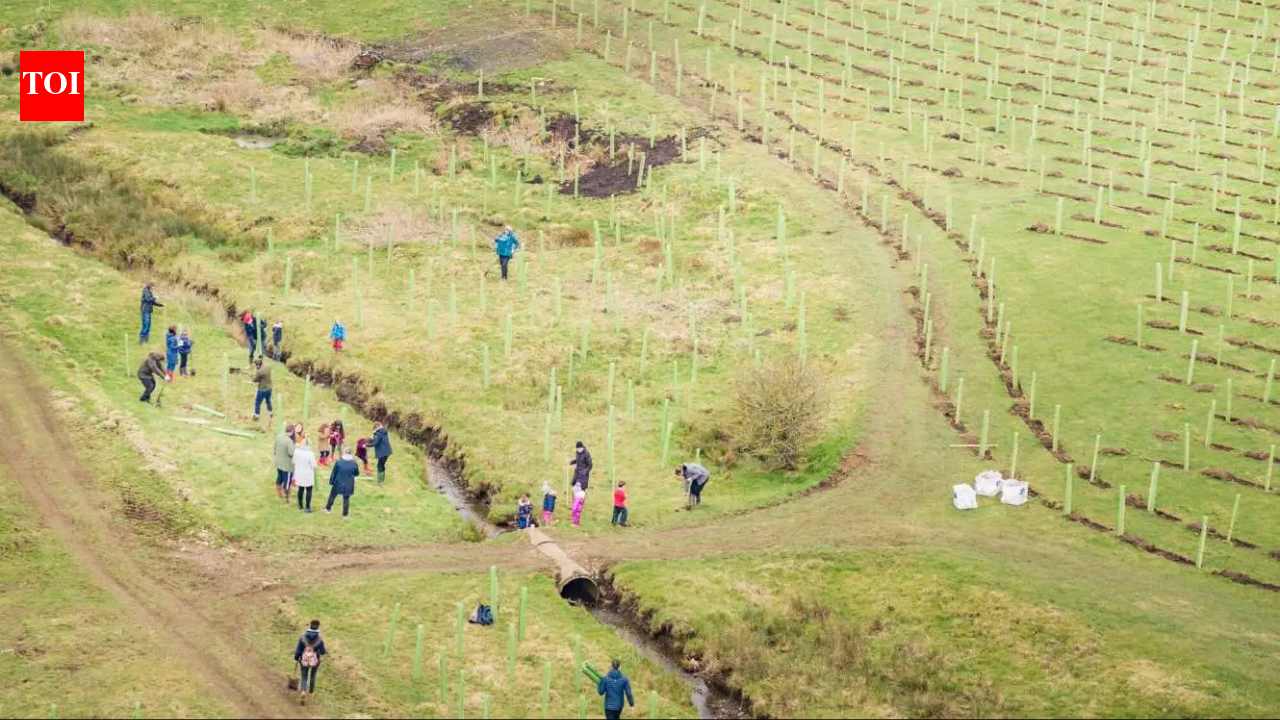
When Wild Ken Hill, a coastal farm in Norfolk, began transforming 500 acres of poor, marginal farmland in 2019, the aim was to let nature recover with as little intervention as possible. Three years later, a repeat vegetation survey found that the average number of plant species in open parts of the rewilding area had … Read more
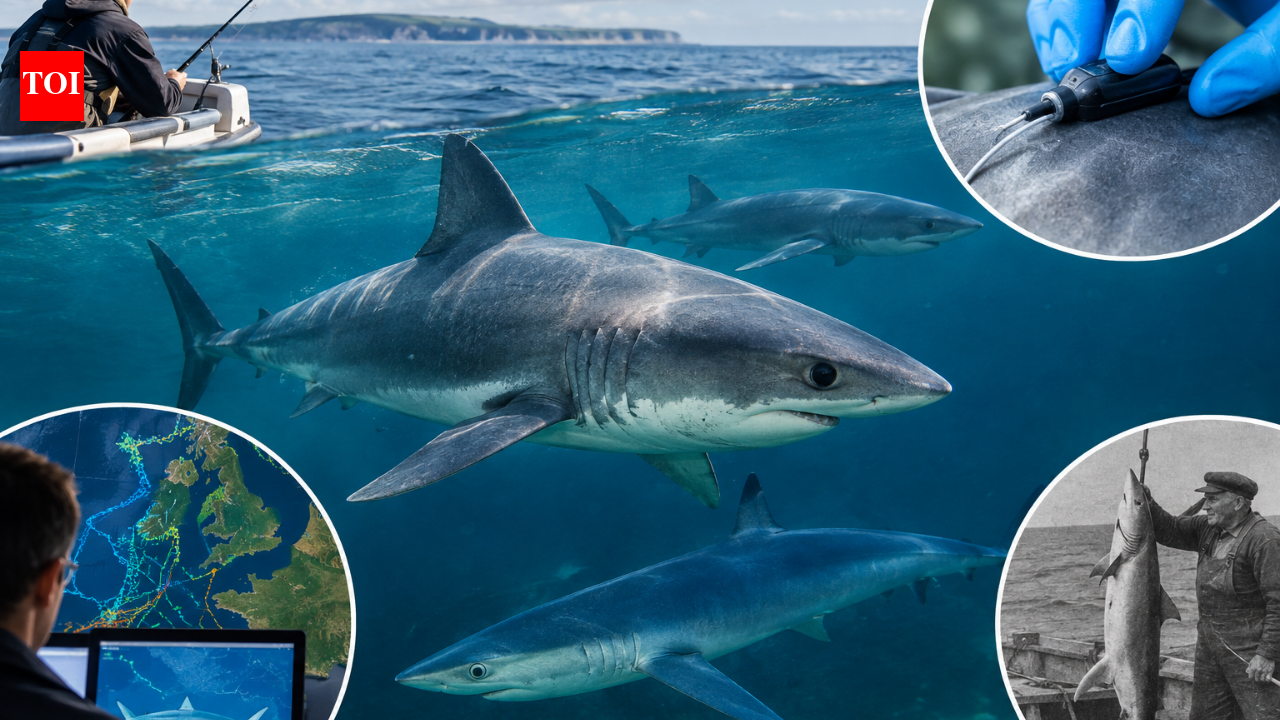
Scientists will deploy 70 electronic tags on 3 vulnerable shark species around Britain, pairing new tracking data with anglers’ catch records dating back to 1953

Scientists will deploy 70 electronic tags on 3 vulnerable shark species around Britain, pairing new tracking data with anglers’ catch records dating back to 1953

Representative Image (AI-generated) Britain’s coastal waters are home to more shark species than many people might expect, but scientists still know surprisingly little about how several of these animals move, feed and reproduce. In a report by The Guardian, researchers outlined plans for a new three-year project that will combine modern electronic tracking with decades … Read more

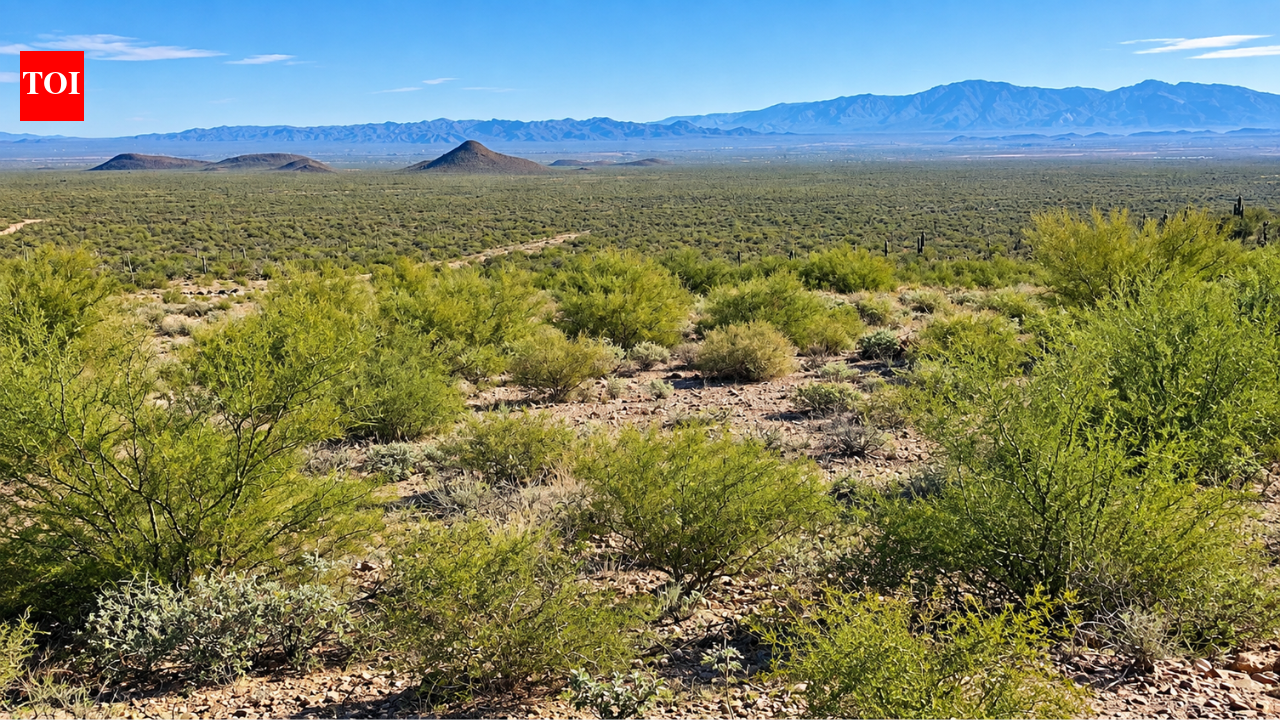
Volunteers spent 16 years restoring a damaged Arizona desert; 133 native plant species now thrive where invasive grass once ruled

Volunteers spent 16 years restoring a damaged Arizona desert; 133 native plant species now thrive where invasive grass once ruled

An 18-acre stretch of Arizona desert that was once heavily disturbed and overrun by invasive buffelgrass has been transformed through 16 years of sustained restoration work by volunteers and conservation partners. The Waterman Restoration Project, located on Bureau of Land Management land within Ironwood Forest National Monument near Marana, began in 2010 after earlier attempts … Read more

In 2021, a North Yorkshire estate began restoring 2,500 acres of intensively farmed land; four years later, 330,000 trees and 1,700+ species mark its comeback

In 2021, a North Yorkshire estate began restoring 2,500 acres of intensively farmed land; four years later, 330,000 trees and 1,700+ species mark its comeback

Nature recovery at Broughton Sanctuary Four years after moving 2,500 acres of North Yorkshire farmland away from intensive farming, conservation teams at Broughton Sanctuary have recorded more than 1,700 species and planted 330,000 trees across the estate. According to the Broughton Sanctuary State of Nature Recovery Report, published in December 2025, 80 per cent of … Read more

Meet Patrick Urban: The German dung beetle specialist who found a species never known to science among collected beetles

Meet Patrick Urban: The German dung beetle specialist who found a species never known to science among collected beetles

PC: University of Nebraska–Lincoln From university laboratories in Germany to beetle specimens collected from dung in China, Patrick Urban’s career has focused on insects that are easy to overlook. The German biologist specialises in dung beetle taxonomy and ecology, with particular attention to the Onthophagini group found across the Palearctic and Indomalayan regions. His work … Read more

Scientists covered bat drinking pools with clear plastic; 11 bat species tried to drink from the fake water

Scientists covered bat drinking pools with clear plastic; 11 bat species tried to drink from the fake water

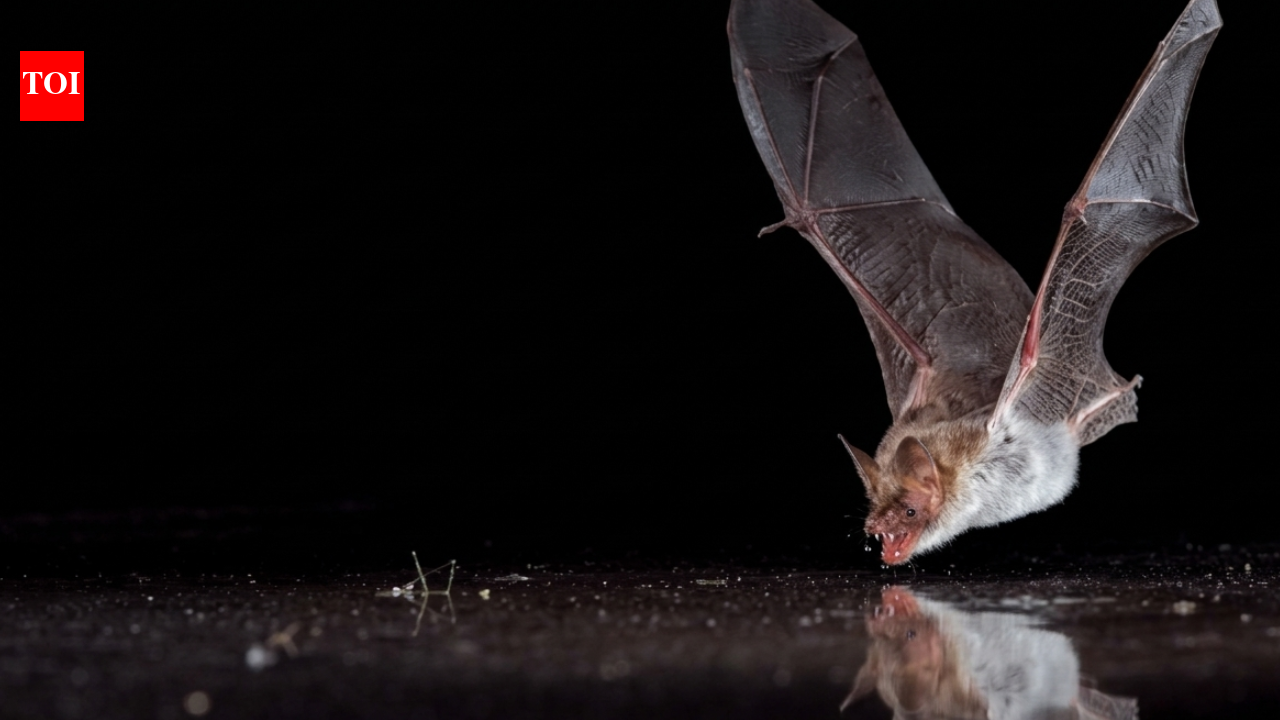
A thirsty bat sweeps over a pond, listens to the echoes returning from its surface and drops closer to drink. But what happens when that same acoustic signal comes from something that only looks like water to its echolocation system? Scientists have found that bats can be surprisingly easy to fool. In controlled experiments, smooth … Read more

A farmer turned 70 acres of his Oregon barley farm into a wetland; now it hosts 140 bird species and endangered fish

A farmer turned 70 acres of his Oregon barley farm into a wetland; now it hosts 140 bird species and endangered fish

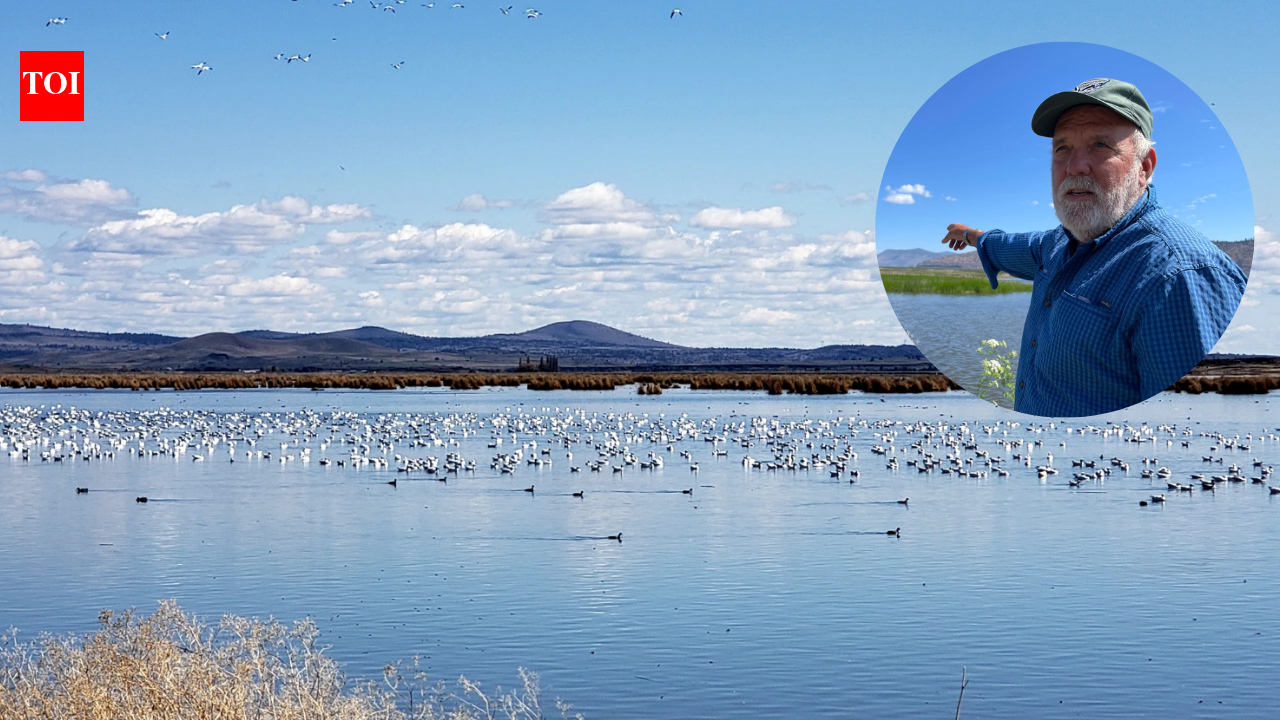
A farmer in southern Oregon transformed 70 acres of his 400-acre barley farm into a wetland in 2021, creating an unexpected refuge for wildlife while helping address agricultural water pollution. Karl Wenner, a co-owner of Lakeside Farms near Klamath Falls, worked with conservation agencies and other partners to convert flood-prone farmland into a managed wetland. … Read more

Scientists used fossil wings, lasers and AI to recreate the calls of insects from 165 million years ago; some Jurassic species were already communicating above human hearing

Scientists used fossil wings, lasers and AI to recreate the calls of insects from 165 million years ago; some Jurassic species were already communicating above human hearing

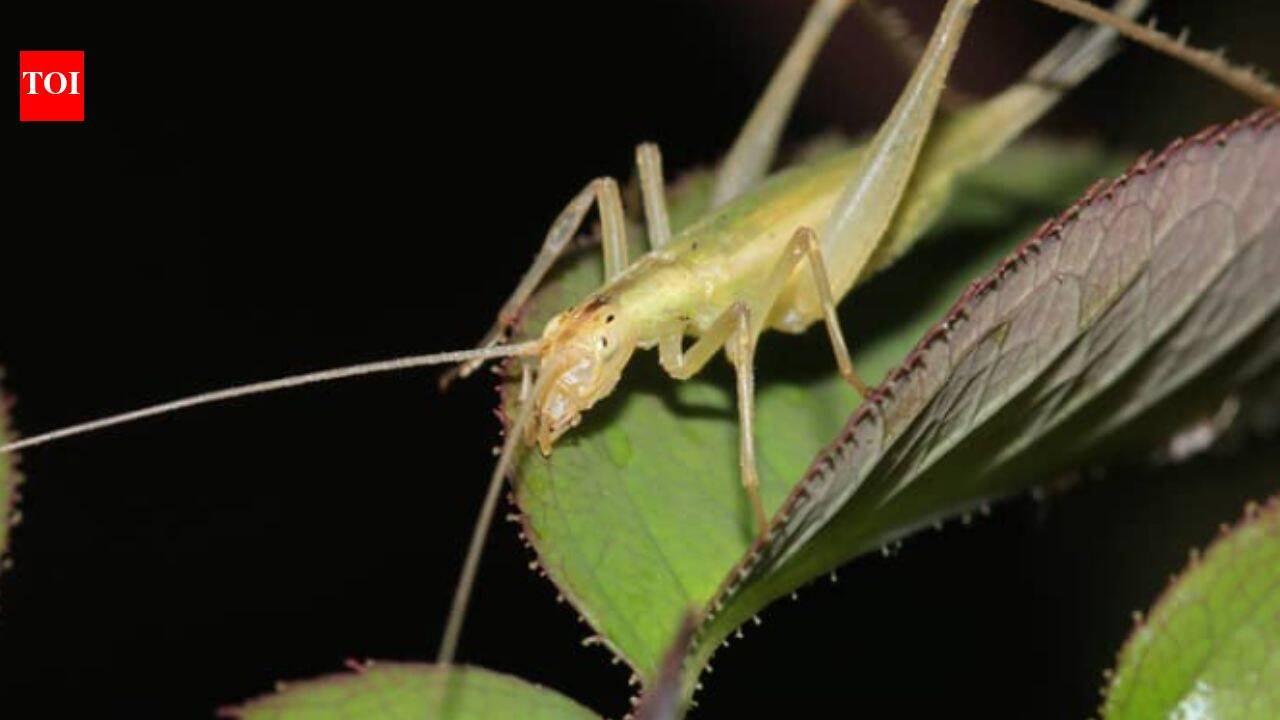
The research focused on nine extinct insect species related to modern crickets and katydids. For 165 million years, the sounds made by insects living alongside dinosaurs were lost to time. Scientists have now recreated some of those calls using fossilised wings, studies of living insects, computer modelling and artificial intelligence.According to Smithsonian Magazine, the research … Read more

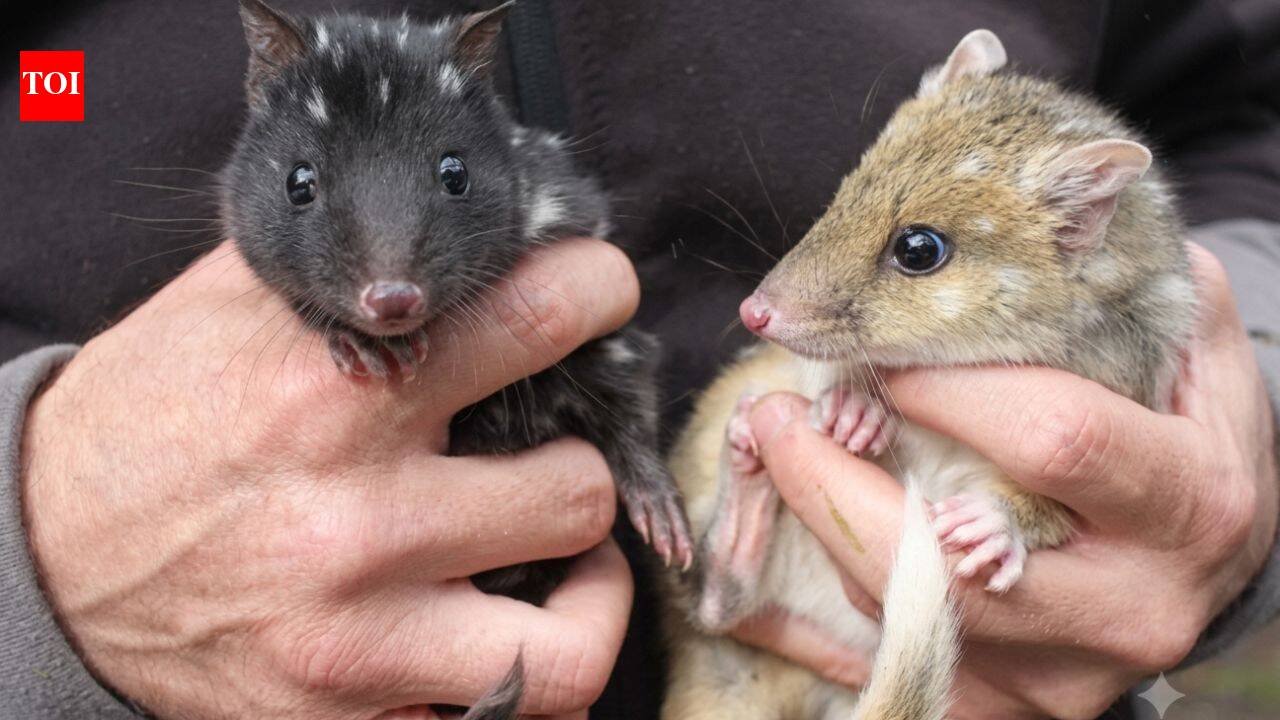
Australia’s endangered eastern quolls have welcomed new joeys; after vanishing from the mainland for 60 years, the species is now breeding again in a rare conservation comeback

Australia’s endangered eastern quolls have welcomed new joeys; after vanishing from the mainland for 60 years, the species is now breeding again in a rare conservation comeback

A study released 20 captive-bred eastern quolls at Tasmania’s 6,500-hectare Silver Plains conservation property. (Photo: Booderee NP) The eastern quoll, a small nocturnal marsupial once common across eastern Australia, is showing signs of recovery after years of decline. Captive-bred eastern quolls released in Tasmania have successfully reproduced, with one female carrying six joeys in her … Read more

In 2002, South Australia sank ex-HMAS Hobart in under 3 minutes; 18 years later, a marine survey recorded more than 50 fish species around the destroyer

In 2002, South Australia sank ex-HMAS Hobart in under 3 minutes; 18 years later, a marine survey recorded more than 50 fish species around the destroyer

In 2002, South Australia sank ex-HMAS Hobart in under 3 minutes A 134-metre decommissioned guided-missile destroyer lying 30 metres below the surface of Yankalilla Bay has become one of South Australia’s most diverse marine habitats, less than two decades after it was deliberately sunk. The ex-HMAS Hobart was scuttled on 5 November 2002. It sank … Read more