In 2004, Phillip Island launched a campaign to eliminate foxes after nine of its 10 little-penguin colonies had vanished; alongside habitat restoration, the surviving colony grew from 12,000 to 40,000 birds
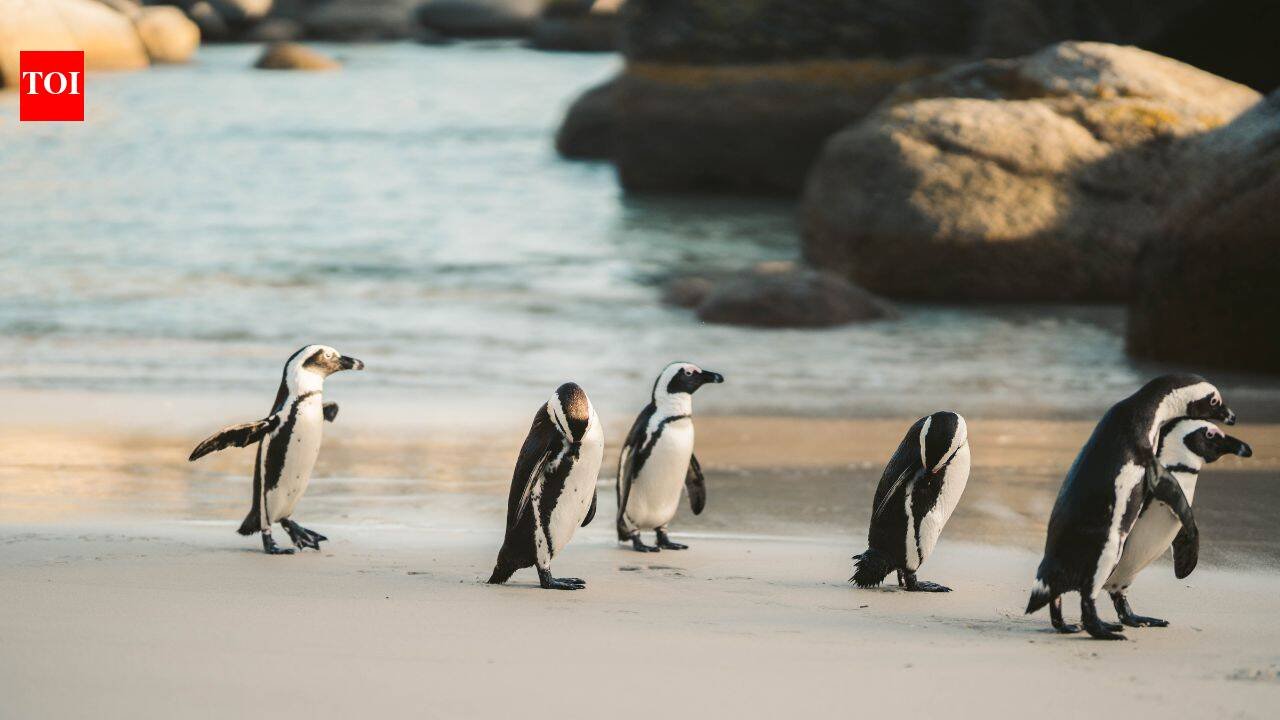
In 2004, Phillip Island launched a campaign to eliminate foxes after nine of its 10 little-penguin colonies had vanished; alongside habitat restoration, the surviving colony grew from 12,000 to 40,000 birds

Phillip Island’s little penguins once faced a crisis that threatened to erase much of their presence from the island. By the 1980s, nine of its 10 penguin colonies had disappeared, while the final colony on the Summerland Peninsula was also under pressure from introduced predators, habitat loss and human activity. According to Phillip Island Nature … Read more
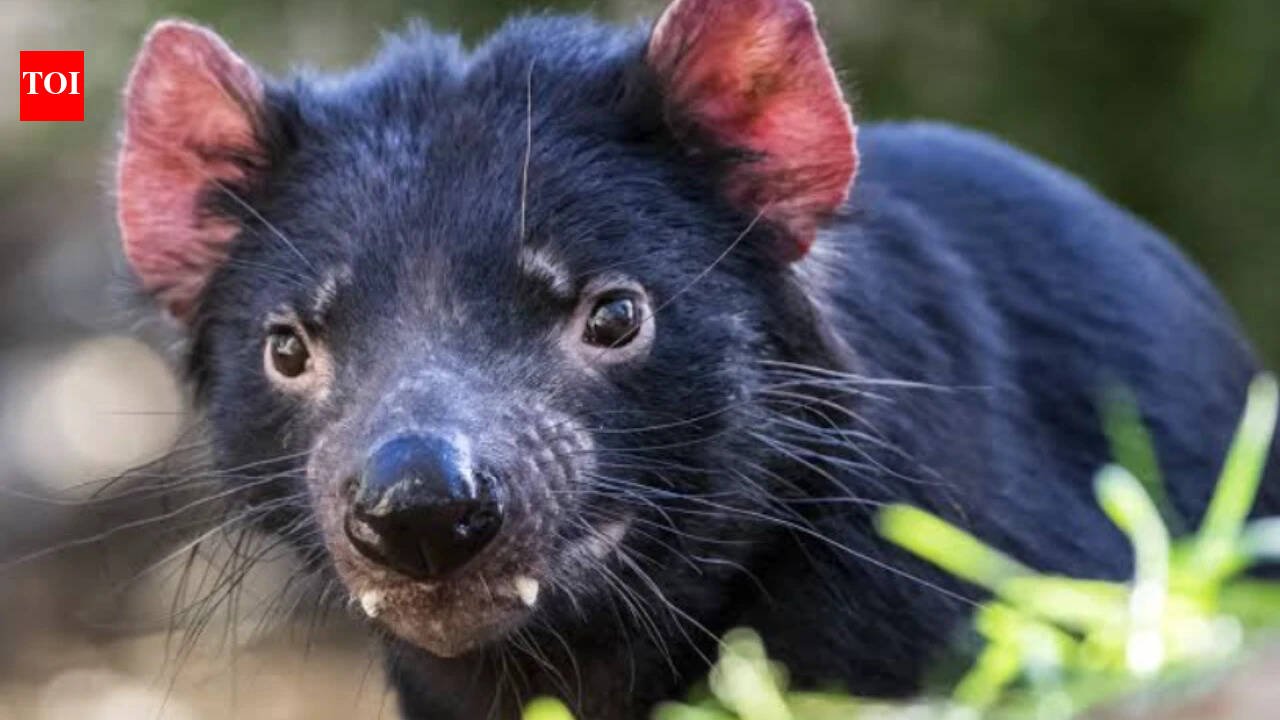
In 2012, Tasmania moved 15 devils to Maria Island to protect the species from facial-tumour disease; after 28 were released by 2013, a 3,000-pair penguin colony disappeared

In 2012, Tasmania moved 15 devils to Maria Island to protect the species from facial-tumour disease; after 28 were released by 2013, a 3,000-pair penguin colony disappeared

The facial tumour had severely affected devil populations in many parts of Tasmania In 2012, 28 Tasmanian devils were brought to Maria Island off Tasmania’s east coast as an “insurance population” when facial tumour disease was severely affecting the species. The devils have since thrived, with their numbers reaching up to 90. But their success … Read more

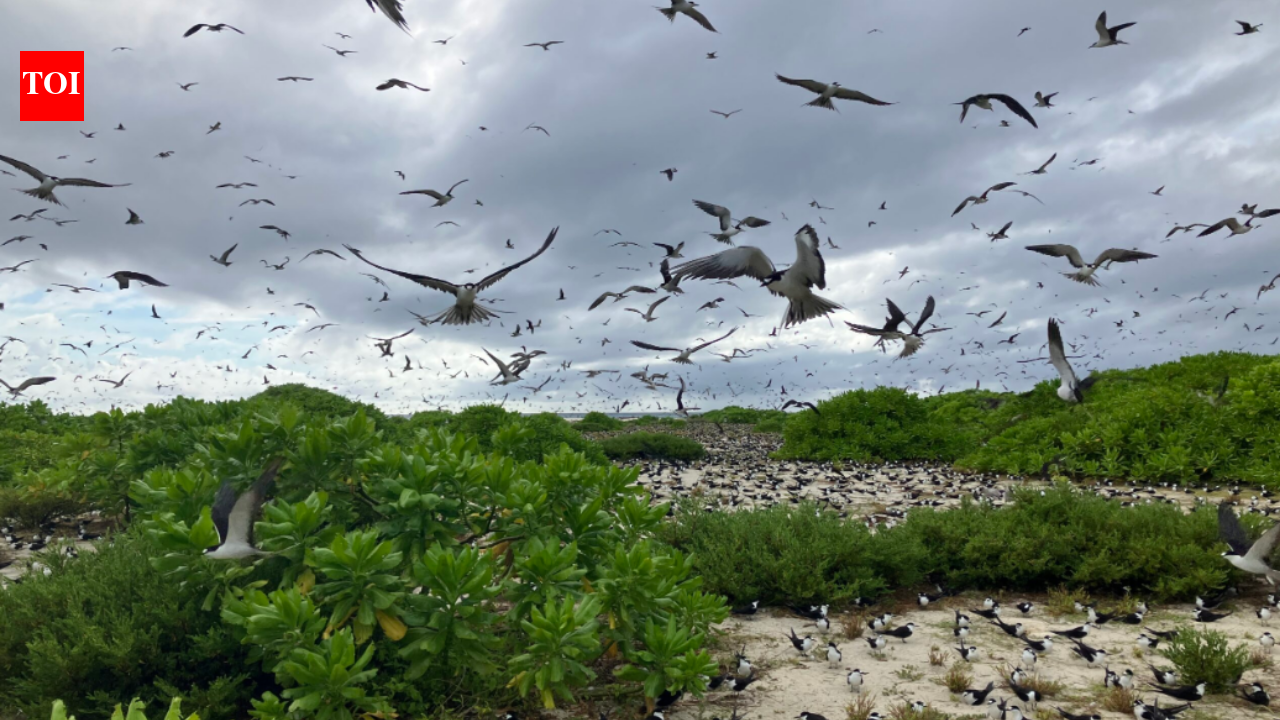
In 1967, Guy Savy and a partner bought a degraded Seychelles island; after restoring nesting habitat, its sooty tern colony rose from under 20,000 pairs to about 700,000

In 1967, Guy Savy and a partner bought a degraded Seychelles island; after restoring nesting habitat, its sooty tern colony rose from under 20,000 pairs to about 700,000

Guy Savy and a partner bought a degraded Seychelles island A tiny coral island on the northern edge of the Seychelles Bank was once close to ecological collapse. Years of commercial farming, habitat destruction and wildlife exploitation had badly damaged its natural environment. Today, after more than five decades of careful conservation, Bird Island is … Read more

In 2022, bird flu caused an entire Sandwich tern colony in England to be abandoned; four breeding seasons later, the birds have returned in record numbers, creating one of the country’s largest colonies

In 2022, bird flu caused an entire Sandwich tern colony in England to be abandoned; four breeding seasons later, the birds have returned in record numbers, creating one of the country’s largest colonies

Four breeding seasons after a deadly bird flu outbreak forced a colony of Sandwich Terns to leave their nesting ground, the seabirds have returned in record numbers, creating one of England’s largest breeding sites. Monitoring reports published by Rare Bird Alert confirm that Sandwich Terns (Thalasseus sandvicensis) nested at RSPB Pagham Harbour in West Sussex … Read more

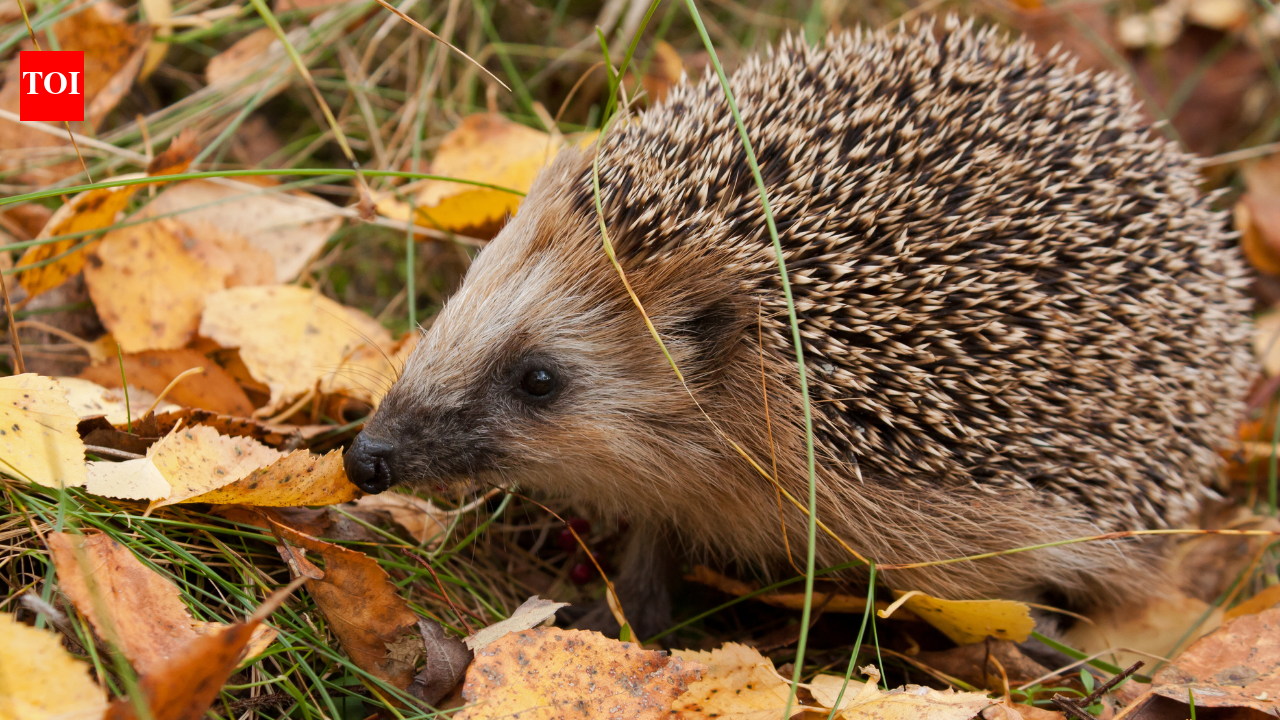
In 1885, New Zealand released European hedgehogs as garden pest killers; 140 years later, DOC calls them a major threat to native wildlife and one can empty an endangered tern colony of nesting birds

In 1885, New Zealand released European hedgehogs as garden pest killers; 140 years later, DOC calls them a major threat to native wildlife and one can empty an endangered tern colony of nesting birds

European hedgehog (Image Credit: Canva) What was once seen as a useful garden helper in New Zealand has become an unexpected threat to some of the country’s most vulnerable wildlife. European hedgehogs were deliberately introduced to New Zealand in the 19th century, with acclimatisation societies releasing them in the hope that they would help control … Read more

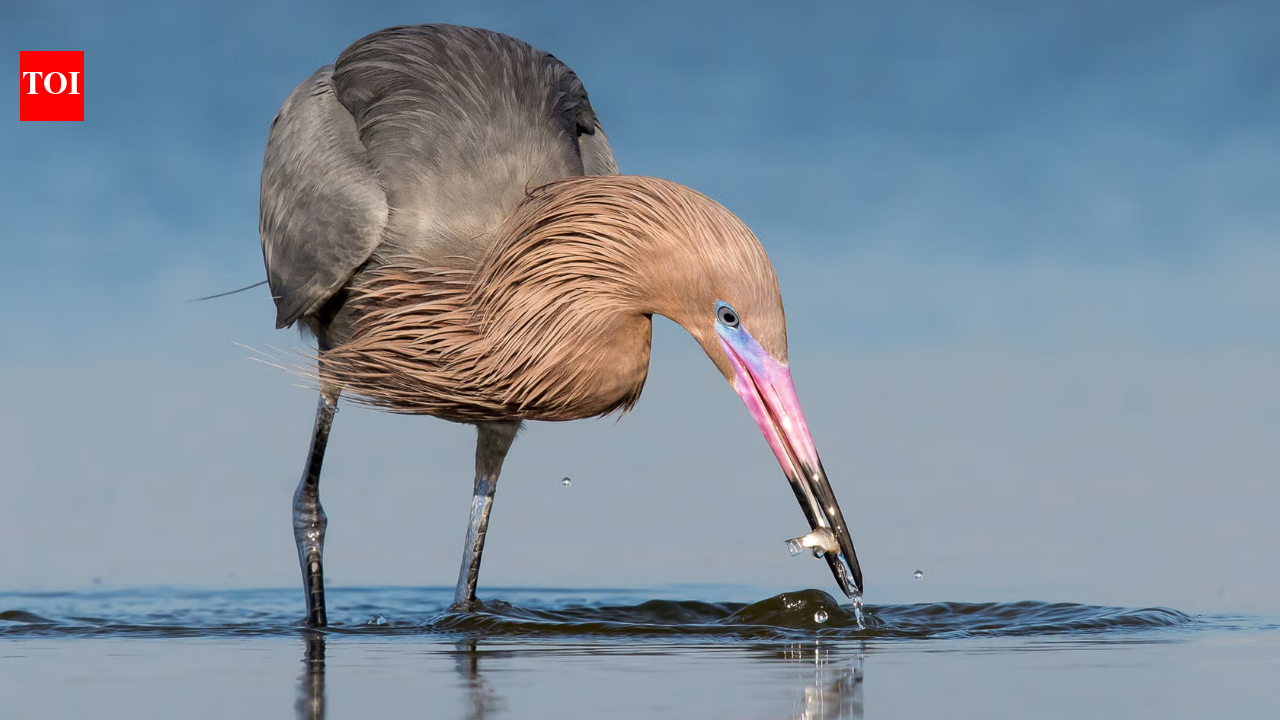
In 1923, wardens began protecting a 35-acre Texas island where the state’s last reddish egrets survived; one family lived there full time in a two-room hut, and today it holds the world’s largest nesting colony

In 1923, wardens began protecting a 35-acre Texas island where the state’s last reddish egrets survived; one family lived there full time in a two-room hut, and today it holds the world’s largest nesting colony

Welcome to the Island Where Egrets Rule A century after wildlife wardens began protecting a small island in Texas, the 35-acre site has become the world’s largest nesting colony for Reddish Egrets. Green Island sits in the Laguna Madre, a coastal lagoon in southern Texas. In 1923, Audubon Texas signed its first sanctuary lease with … Read more

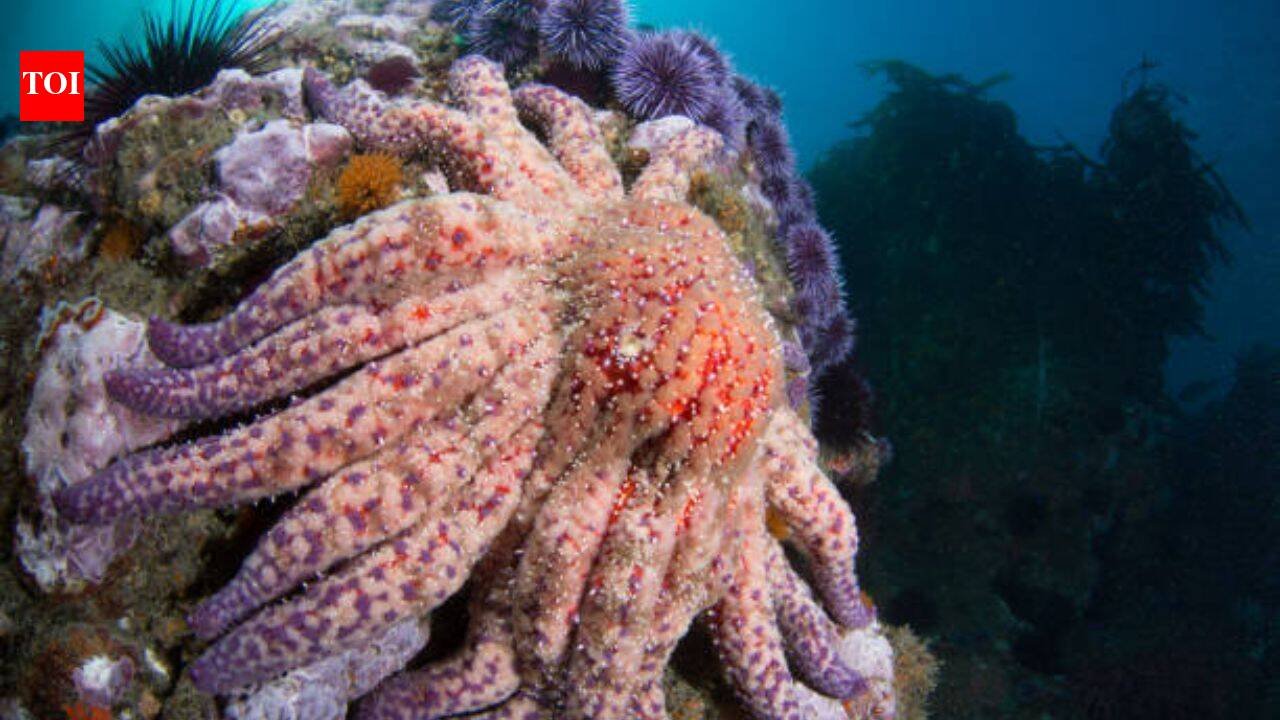
More than 99% of California’s sunflower sea stars vanished, now scientists have found a mysterious colony that could help revive dying kelp forests

More than 99% of California’s sunflower sea stars vanished, now scientists have found a mysterious colony that could help revive dying kelp forests

A decade ago, more than 99% of sunflower sea stars vanished from the depths of the ocean. Now, the discovery of a long-lost colony of these organisms is offering new hope for the region’s kelp forests.Sunflower sea stars, known as Pycnopodia helianthoides, may look like an aesthetic and purely decorative feature on the ocean floor, … Read more

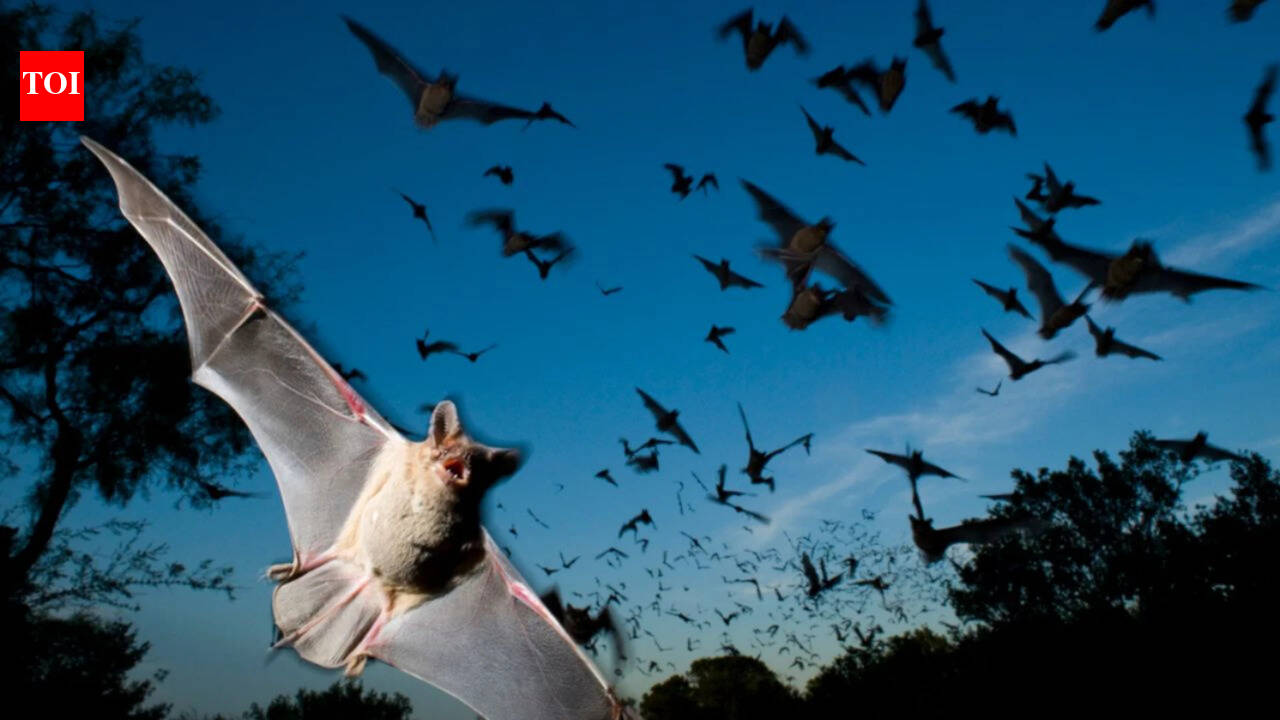
Scientists have found that Japanese horseshoe bats living in crowded colonies get around noisy sonar problems by gradually changing their echolocation calls to match each other’s frequencies

Scientists have found that Japanese horseshoe bats living in crowded colonies get around noisy sonar problems by gradually changing their echolocation calls to match each other's frequencies

If many bats emit similar sound waves at the same time, their signals may overlap. (National Geographic photo) Bats rely on echolocation to move in the dark and hunt insects. They emit high-pitched sound waves that bounce off nearby objects and return as echoes, which help them determine the location of objects.But when many bats … Read more