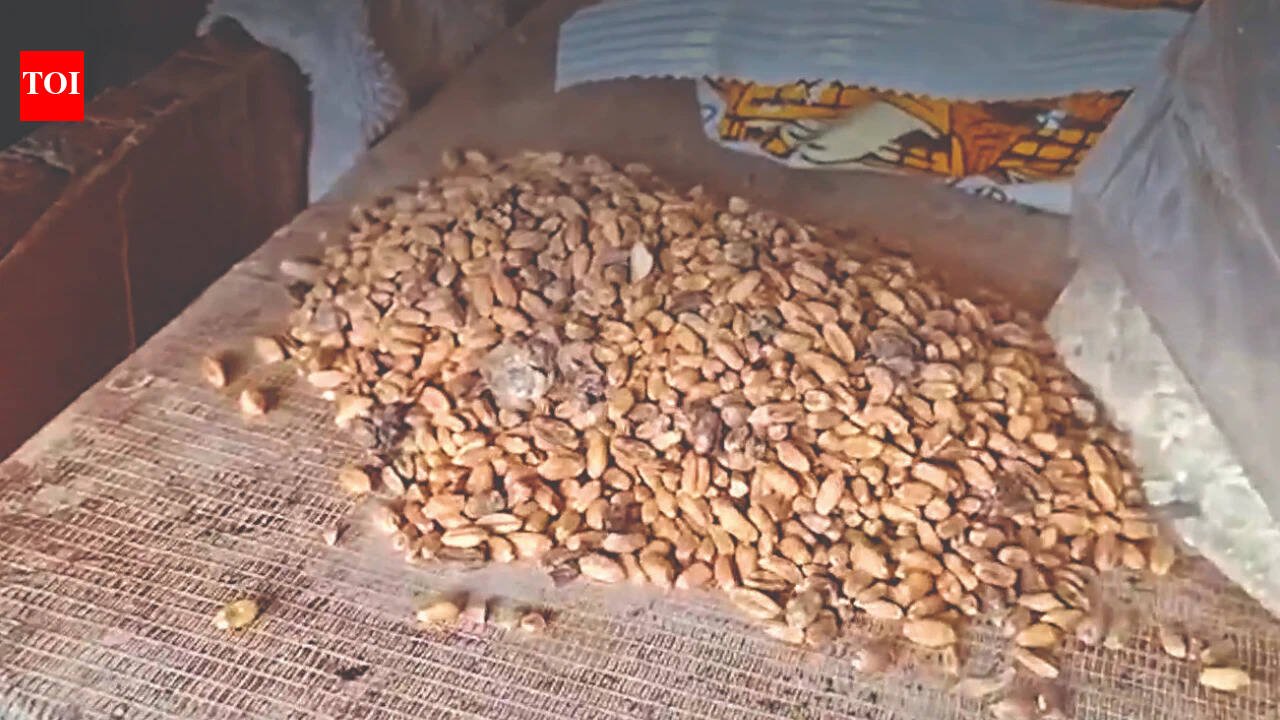
In 1996, England began moving Scottish osprey chicks to Rutland after the species vanished as a breeder in 1847; 30 years later, 300 have fledged and the population is self-sustaining
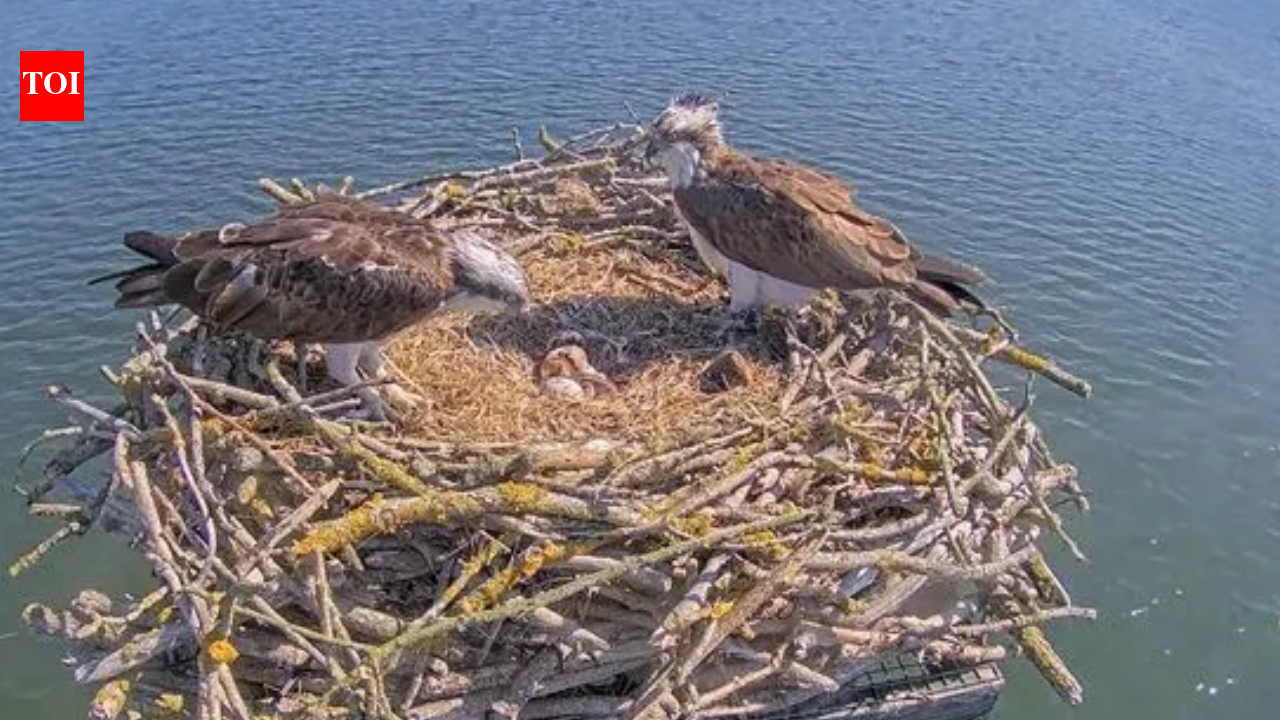
In 1996, England began moving Scottish osprey chicks to Rutland after the species vanished as a breeder in 1847; 30 years later, 300 have fledged and the population is self-sustaining

Thirty years ago, conservationists began an experiment at Rutland Water that was intended to bring a vanished bird back to England. Three decades later, the osprey has not only returned, it is breeding, spreading and producing new generations without the need for further translocations. According to the Leicestershire and Rutland Wildlife Trust (LRWT), which runs … Read more

About 4,000 years ago, builders hauled 25-tonne stones 11 miles across northern England to create the ‘Devil’s Arrows’, Britain’s tallest surviving prehistoric stone row

About 4,000 years ago, builders hauled 25-tonne stones 11 miles across northern England to create the ‘Devil’s Arrows’, Britain’s tallest surviving prehistoric stone row

Pic credit: University of York The Devil’s Arrows, Britain’s tallest surviving prehistoric stone row, have long raised questions about where they came from and how they reached Boroughbridge. It turns out that ancient Neolithic builders hauled these enormous 25-tonne structures across at least 11 miles to get there.Researchers at the University of York and Curtin … Read more

A company bought 7,500 acres of England for £8.5 million to create ‘Britain’s Yellowstone’; after investors are repaid, it plans to give the land to a community or charity

A company bought 7,500 acres of England for £8.5 million to create ‘Britain’s Yellowstone’; after investors are repaid, it plans to give the land to a community or charity

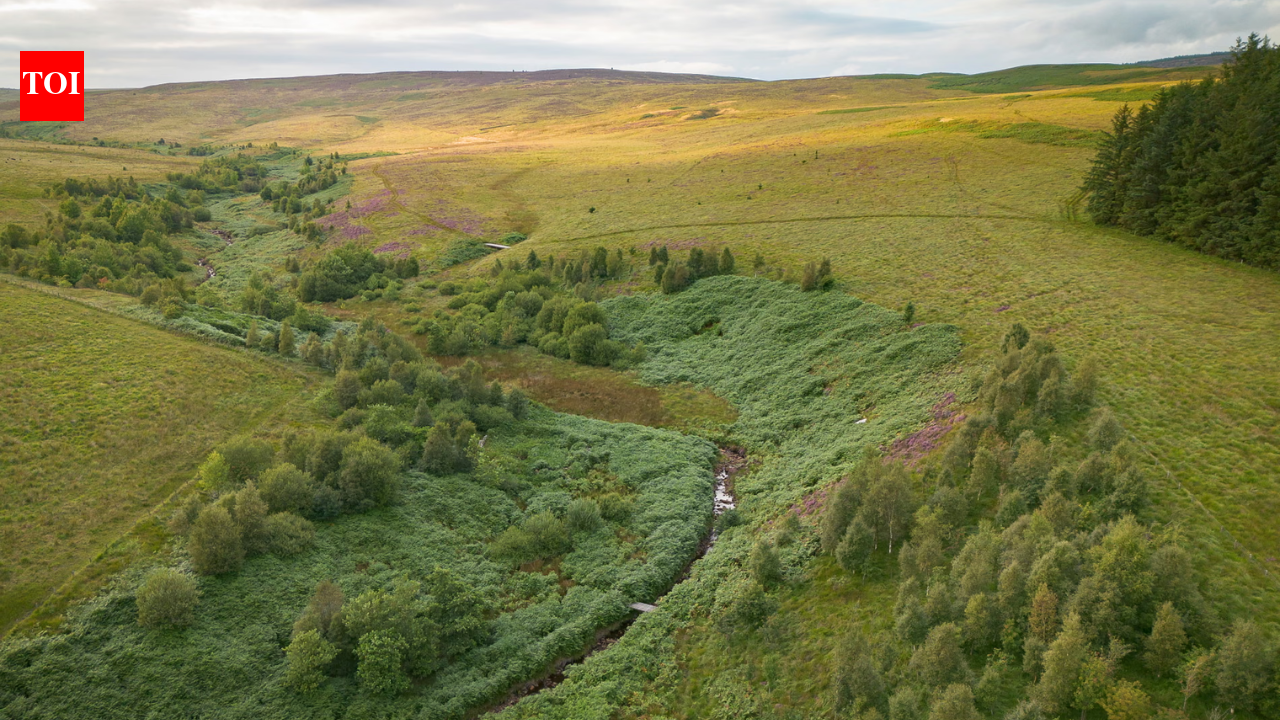
‘Britain’s Yellowstone’: restoration project aims to take the greed out of land acquisition A nature restoration company has bought 7,500 acres of Northumbrian moorland for £8.5 million, starting a large rewilding project that aims to eventually hand the land to a charity or local community once investors have been repaid. The purchase of Emblehope Moor … Read more

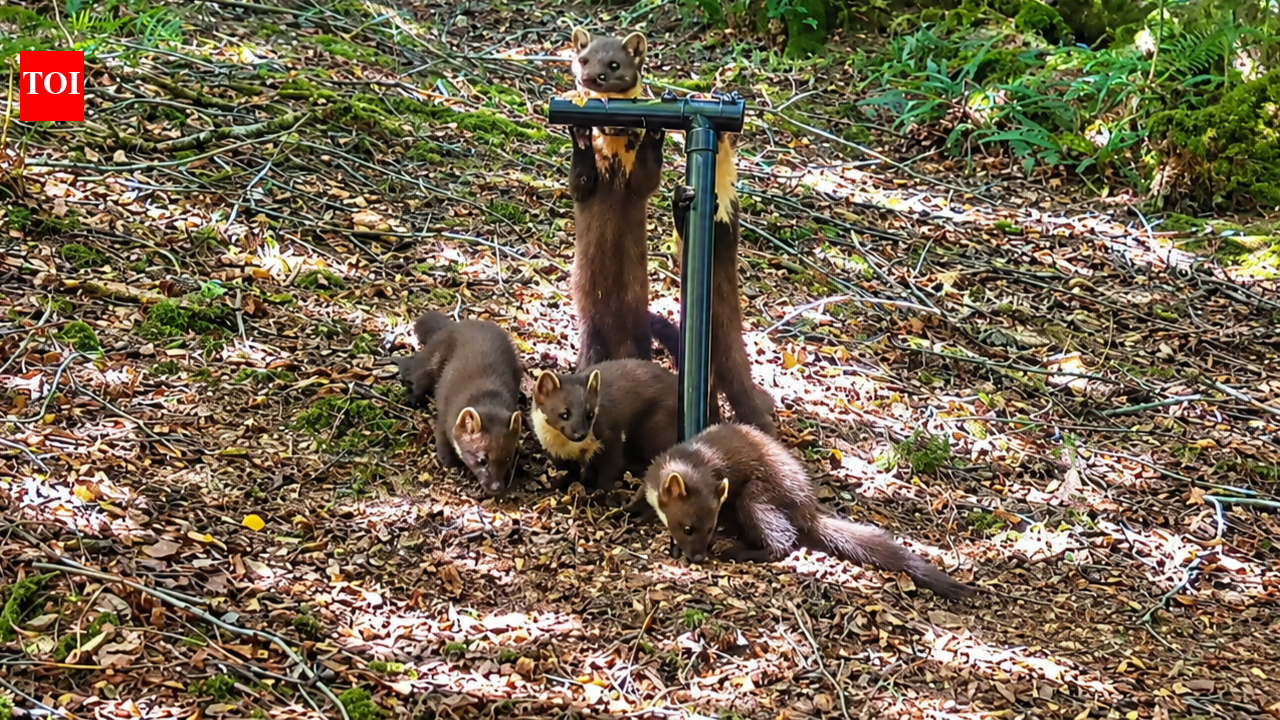
Pine martens vanished from England for a century; locals built den boxes and set up cameras to track their return, now four kits have been spotted

Pine martens vanished from England for a century; locals built den boxes and set up cameras to track their return, now four kits have been spotted

Pine martens are making a remarkable return to south-west England after disappearing from Exmoor for more than a century, with conservationists capturing the first confirmed evidence that the reintroduced animals are breeding in the wild. A remote trail camera recorded a female pine marten with four kits on Exmoor, signalling that an ambitious effort to … Read more

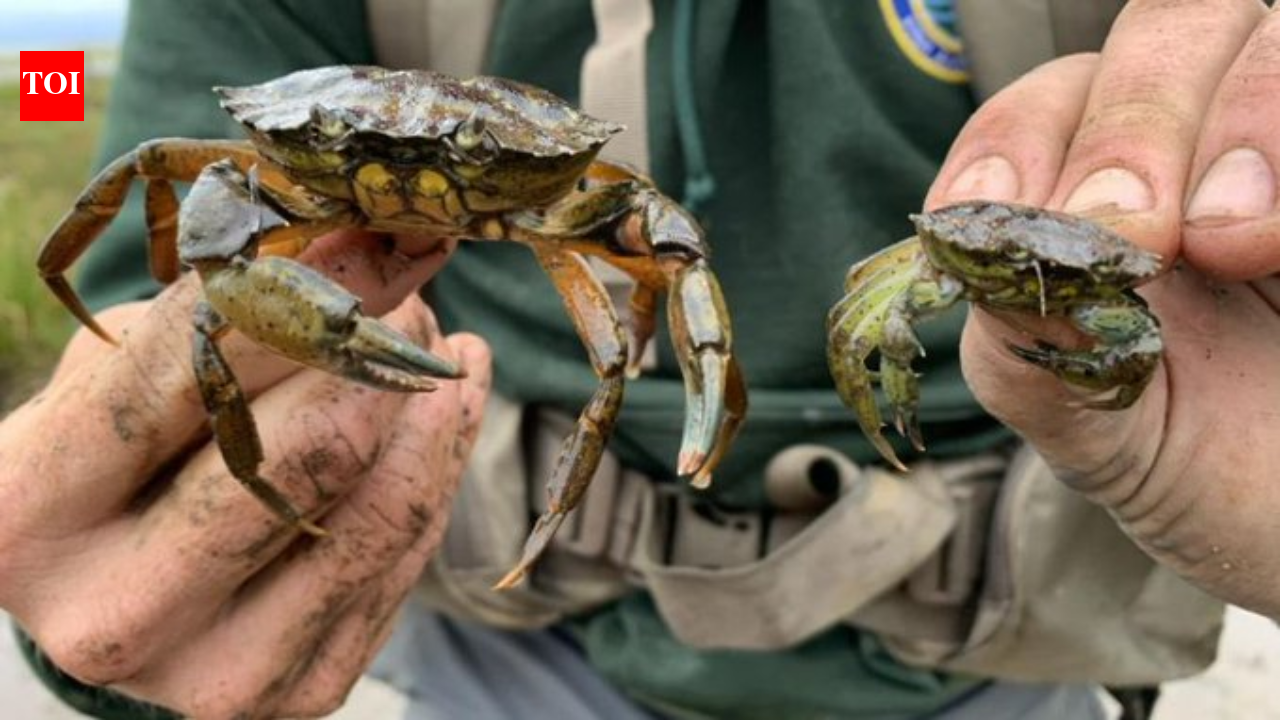
New England has battled invasive green crabs for more than 200 years; now people are eating the destructive species in a bid to protect shellfish, wetlands and coastal ecosystems

New England has battled invasive green crabs for more than 200 years; now people are eating the destructive species in a bid to protect shellfish, wetlands and coastal ecosystems

Since time immemorial, humans have been consuming food derived from the land, air and water. From vegetables and birds to even crabs, there is not much we have not used to survive on. But currently, people in New England are feasting on green crabs not to survive themselves but to help the native species subsist. … Read more

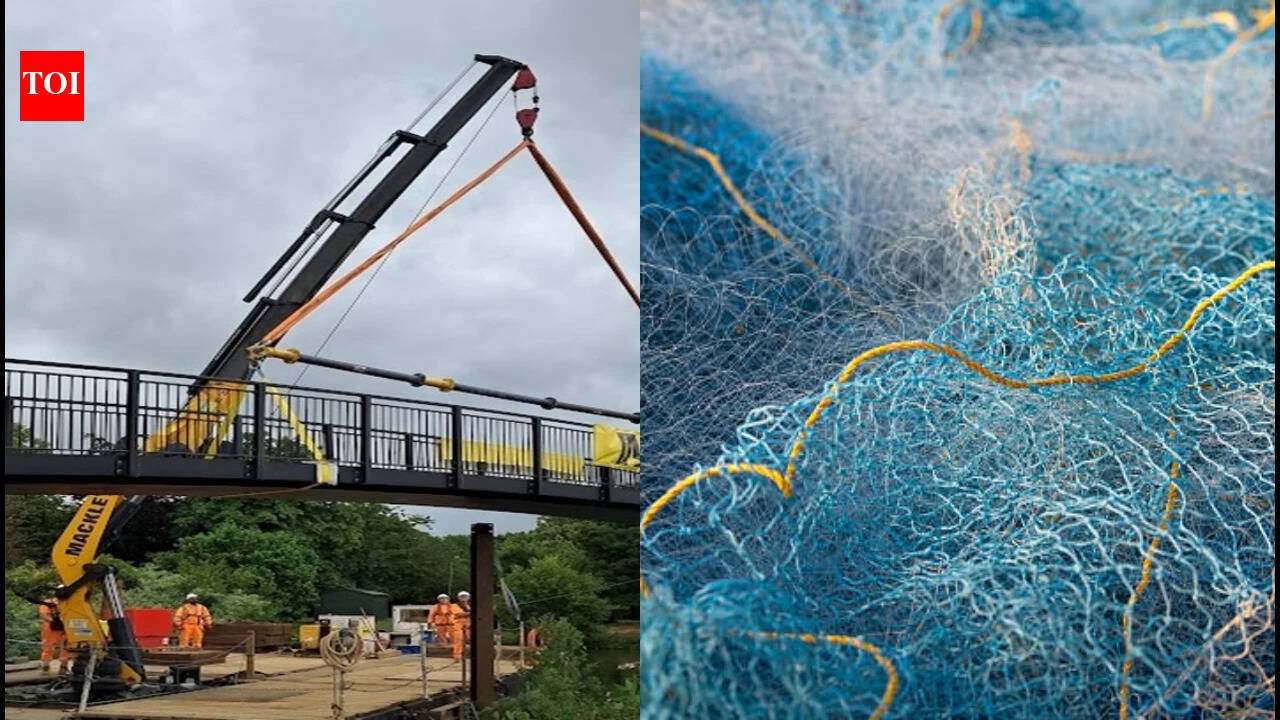
In 2024, England turned old fishing nets into a 16-metre footbridge; the 3.5-tonne structure needs smaller foundations and less maintenance than a conventional bridge

In 2024, England turned old fishing nets into a 16-metre footbridge; the 3.5-tonne structure needs smaller foundations and less maintenance than a conventional bridge

The project used modular blocks, which mostly can be placed by hand, instead of traditional reinforced-concrete retaining walls. The blocks fit together like a Lego system, with little or no mortar needed. Old fishing nets seldom find a second life. But in Kent, England, the nets are being turned into something much more ambitious. The … Read more

Green Party leader Zack Polanski calls for data centre freeze in England; says they ‘guzzle’ energy, water

Green Party leader Zack Polanski calls for data centre freeze in England; says they 'guzzle' energy, water

Zack Polanski demands freeze on English data centres. Green Party leader Zack Polanski has called for a freeze on approvals for new data centres in England, arguing that the rapidly expanding industry is putting pressure on water and energy supplies.Polanski said the government should introduce tougher environmental requirements for data centres and give local communities … Read more

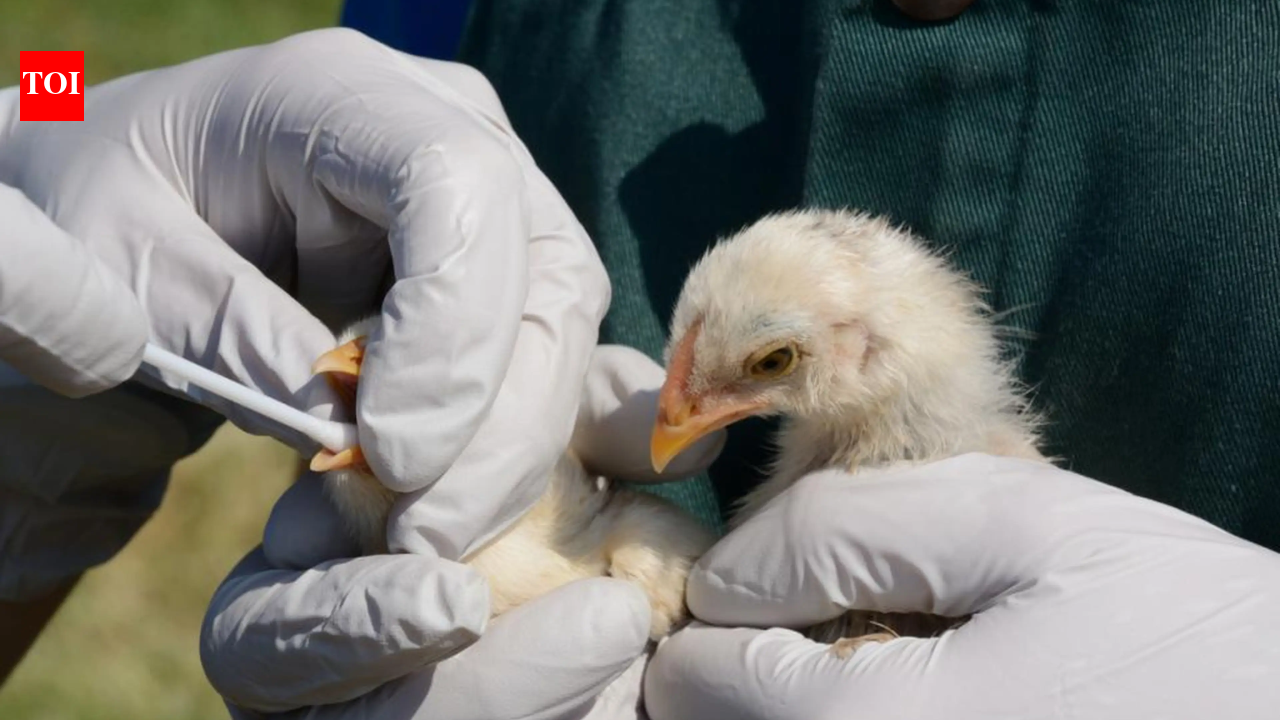
In 2022, bird flu caused an entire Sandwich tern colony in England to be abandoned; four breeding seasons later, the birds have returned in record numbers, creating one of the country’s largest colonies

In 2022, bird flu caused an entire Sandwich tern colony in England to be abandoned; four breeding seasons later, the birds have returned in record numbers, creating one of the country’s largest colonies

Four breeding seasons after a deadly bird flu outbreak forced a colony of Sandwich Terns to leave their nesting ground, the seabirds have returned in record numbers, creating one of England’s largest breeding sites. Monitoring reports published by Rare Bird Alert confirm that Sandwich Terns (Thalasseus sandvicensis) nested at RSPB Pagham Harbour in West Sussex … Read more

Wash rice twice, not 7 times: Drought-hit England targets faith, cultural habits

Wash rice twice, not 7 times: Drought-hit England targets faith, cultural habits

England’s water crisis has prompted a £270,000 campaign urging people to wash rice fewer times and use less water for wudu TOI correspondent from London: Wash rice twice, not seven times. Use a one-litre jug, not a running tap for wudu. England’s water crisis has put rice bowls and prayer taps in the crosshairs, with … Read more

In 2017, conservationists began moving young ospreys from Scotland to Dorset; five years later they bred in southern England for the first time since 1847

In 2017, conservationists began moving young ospreys from Scotland to Dorset; five years later they bred in southern England for the first time since 1847

Dorset Osprey. Credit: Birds of Poole Harbour In 2017, conservationists began moving young ospreys from Scotland to Dorset. Five years later, the birds bred in southern England for the first time since 1847. A long-term study led by Bournemouth University (BU) has now shown why the project worked and how similar methods could help birds … Read more