Australia began turning waste plastic into railway sleepers in 2015, saving timber; the recycled material could last up to 50 years
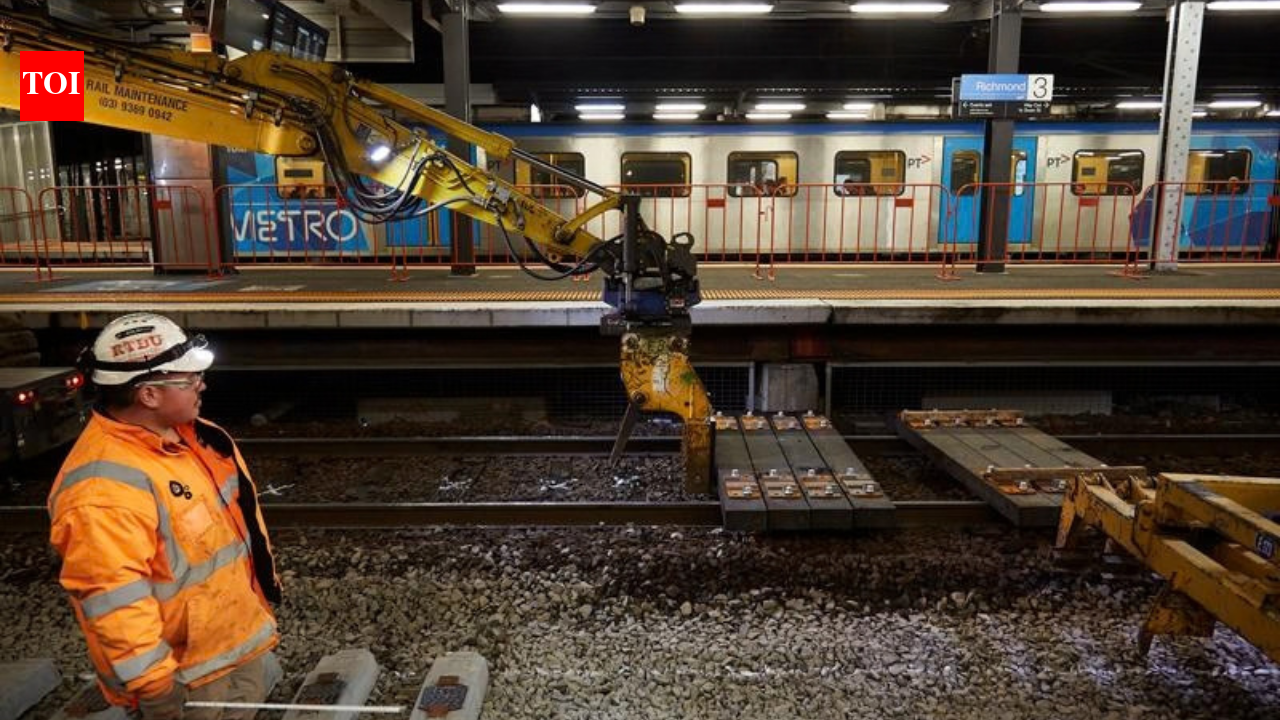
Australia began turning waste plastic into railway sleepers in 2015, saving timber; the recycled material could last up to 50 years

Australia began experimenting with railway sleepers made from recycled plastic in 2015, turning material that might otherwise have gone to landfill into a component designed to sit beneath railway tracks. Developed by Integrated Recycling with researchers at Monash University’s Institute of Railway Technology, the Duratrack sleeper is made from about 85% post-consumer plastic waste, including … Read more
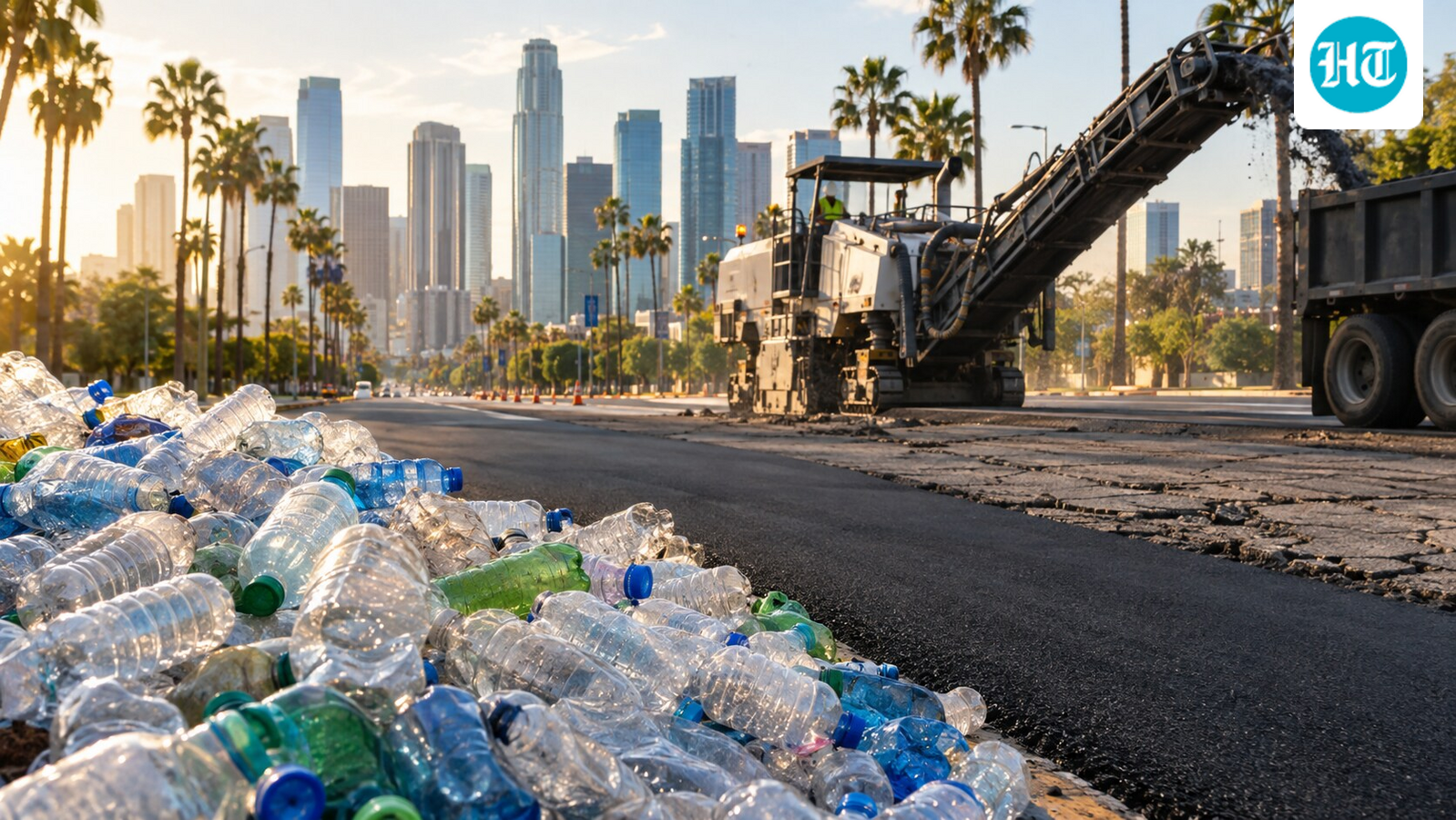
In 2019, Los Angeles announced a test of a road mix of old asphalt and plastic bottles to repave without new asphalt

The use of recycled PET in asphalt could enhance road durability and cut carbon emissions by 26.2%. (AI-generated/ChatGPT)

A plastic water bottle takes a few seconds to use and a long time to break down. A 2021 review in Sustainability by researchers at Universiti Putra Malaysia and Misurata University notes that PET (polyethylene terephthalate), the plastic used in drink bottles, is not biodegradable and is a real environmental hazard. So what do you … Read more

In 2017, Dubuque turned recycled plastic equal to about 67,000 water bottles into 14 floating islands; the 2,674-sq-ft system now adds plant, fish and bird habitat to Bee Branch Creek

In 2017, Dubuque turned recycled plastic equal to about 67,000 water bottles into 14 floating islands; the 2,674-sq-ft system now adds plant, fish and bird habitat to Bee Branch Creek

There are 14 islands totaling 2,674 square feet. Each island is a miniature replica of the natural archipelagos of the Mississippi River. Before the islands were placed in the creek, four prototype designs in a variety of shapes and sizes were developed. Sometimes the answer for a city that has fought floodwaters for years isn’t … Read more

MIT scientists developed a way to turn discarded plastic into strong building materials, with recycled composites already used in a 40-foot bridge

MIT scientists developed a way to turn discarded plastic into strong building materials, with recycled composites already used in a 40-foot bridge

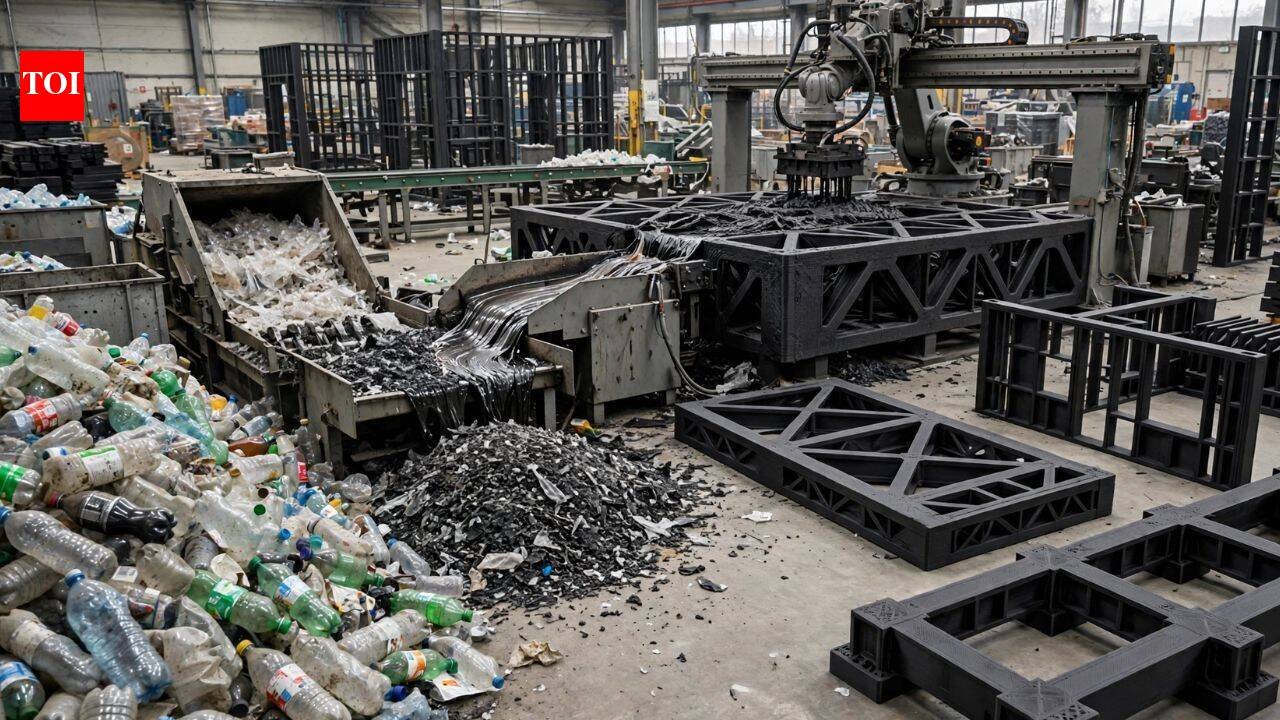
A new MIT-backed company is turning discarded plastic into structural parts for buildings and infrastructure. Atlas Building Composites has developed an AI-powered robotic manufacturing platform that shreds single-use plastic, melts it, and fuses it with American-made fiberglass. The resulting composite is then formed into parts such as foundations, decks, and trusses using large-scale 3D printing. … Read more

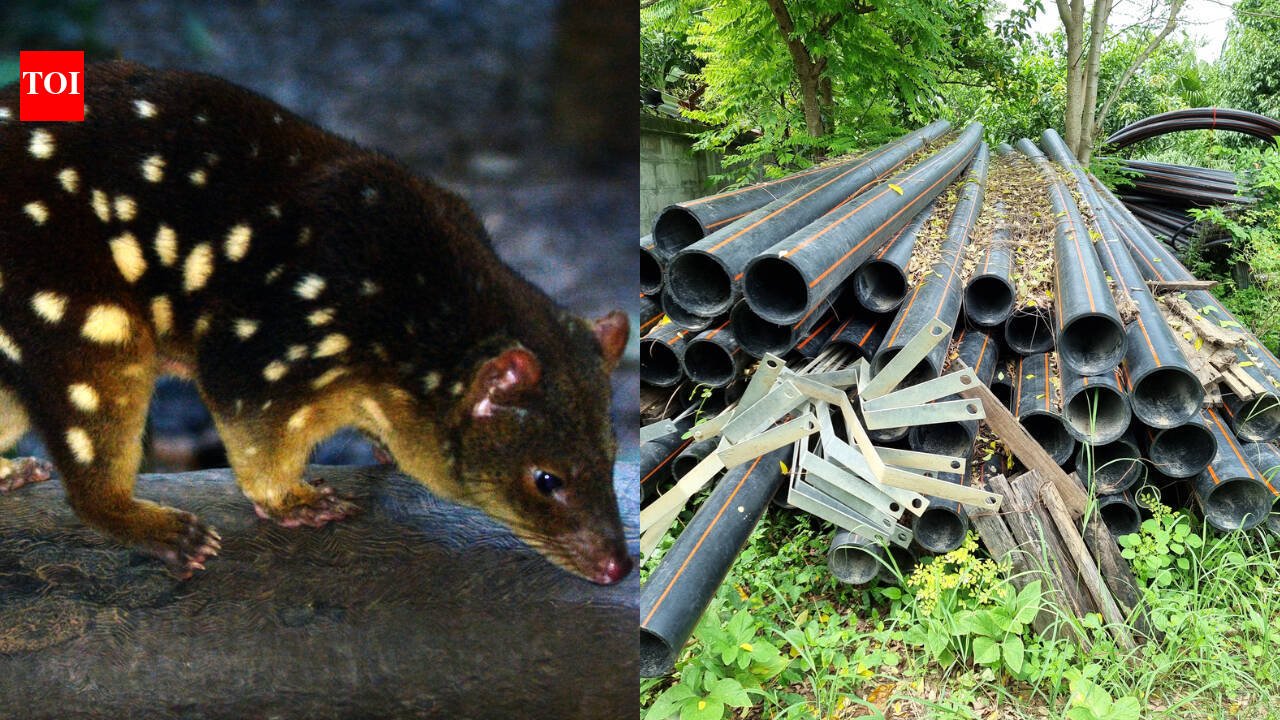
Australian researchers buried discarded plastic pipes inside mine waste-rock piles; cameras showed northern quolls entering and leaving the artificial dens, with conditions similar to natural shelters

Australian researchers buried discarded plastic pipes inside mine waste-rock piles; cameras showed northern quolls entering and leaving the artificial dens, with conditions similar to natural shelters

The researchers looked at whether high-density polyethylene (HDPE) pipes could be used in waste-rock piles to create inexpensive artificial dens. What appears to be industrial waste could provide a small refuge for one of Australia’s most threatened marsupials. Researchers have begun converting discarded plastic piping into artificial dens at former mining sites in north-western Australia … Read more

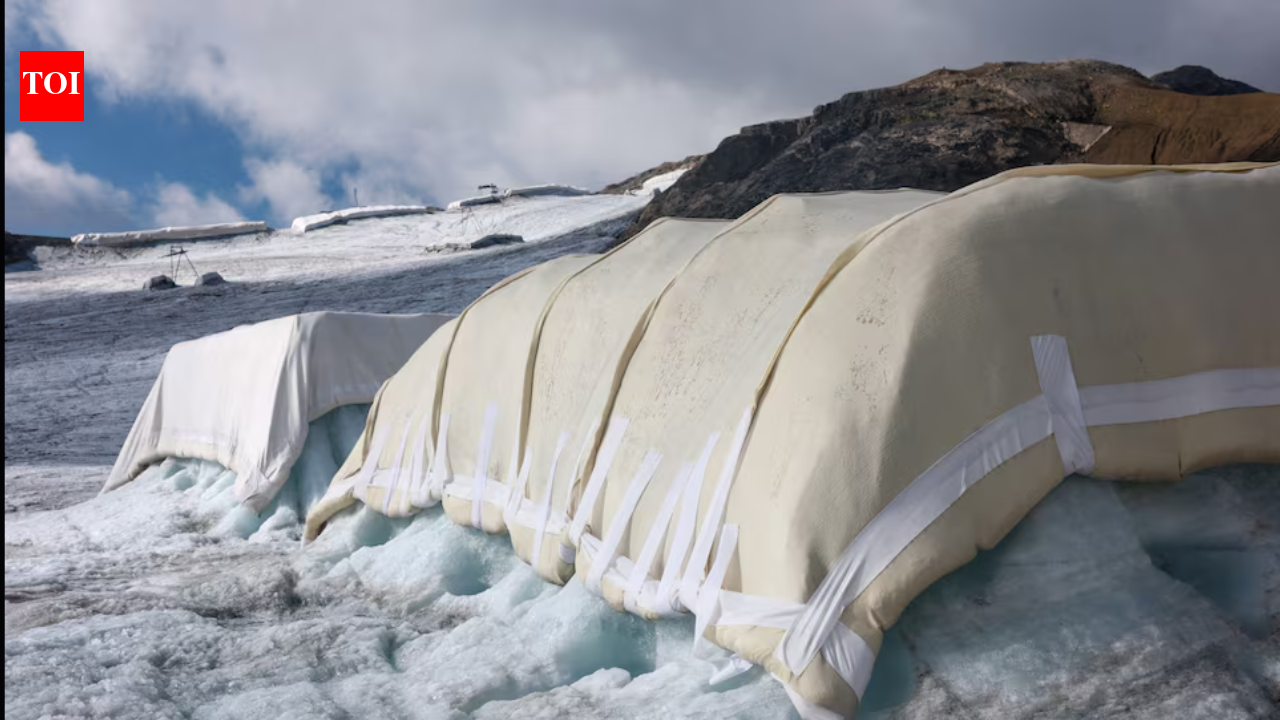
Scientists covered 200 square metres of a Swiss glacier with sheep’s wool; early tests found it protected the ice about as well as plastic sheets, but only 0.02% of Swiss glacier ice is covered

Scientists covered 200 square metres of a Swiss glacier with sheep’s wool; early tests found it protected the ice about as well as plastic sheets, but only 0.02% of Swiss glacier ice is covered

A sheep wool-covered snow protection test site is pictured during a press conference presenting the results of the “Keep It Wool” glacier protection experiment in Les Diablerets, Switzerland A natural wool covering placed over 200 square metres of high-altitude Alpine ice has proved as effective at slowing summer melting as conventional synthetic tarpaulins, offering a … Read more

Scientists covered bat drinking pools with clear plastic; 11 bat species tried to drink from the fake water

Scientists covered bat drinking pools with clear plastic; 11 bat species tried to drink from the fake water

A thirsty bat sweeps over a pond, listens to the echoes returning from its surface and drops closer to drink. But what happens when that same acoustic signal comes from something that only looks like water to its echolocation system? Scientists have found that bats can be surprisingly easy to fool. In controlled experiments, smooth … Read more

Meet Onndinadaho Rasilwela, the South African student who turned sugarcane and maize waste into biodegradable plastic

Meet Onndinadaho Rasilwela, the South African student who turned sugarcane and maize waste into biodegradable plastic

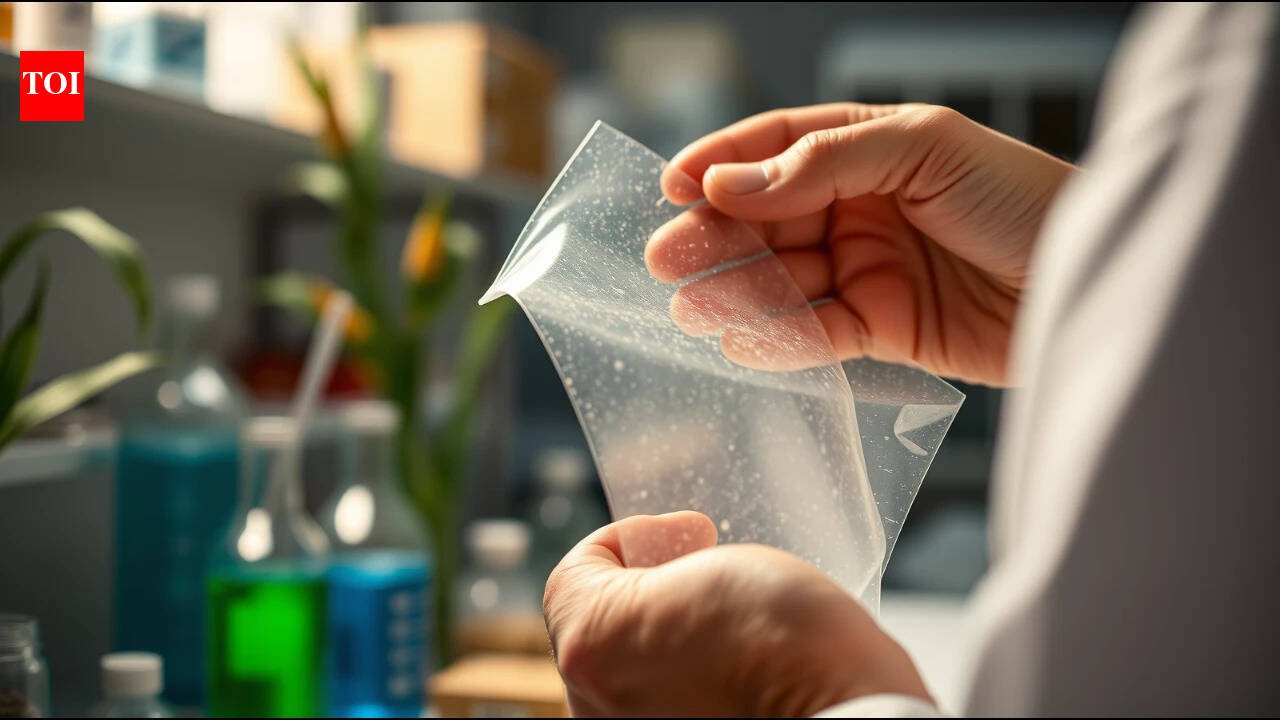
​Representative Image of biodegradable plastic made from sugarcane and maize waste (AI-generated image) Onndinadaho Rasilwela, a chemical engineering graduate from South Africa, has won top honours at the 2026 Green Youth Indaba for developing a biodegradable plastic from agricultural waste. A member of the Tshwane University of Technology’s Student Women Economic Empowerment Programme, Rasilwela received … Read more

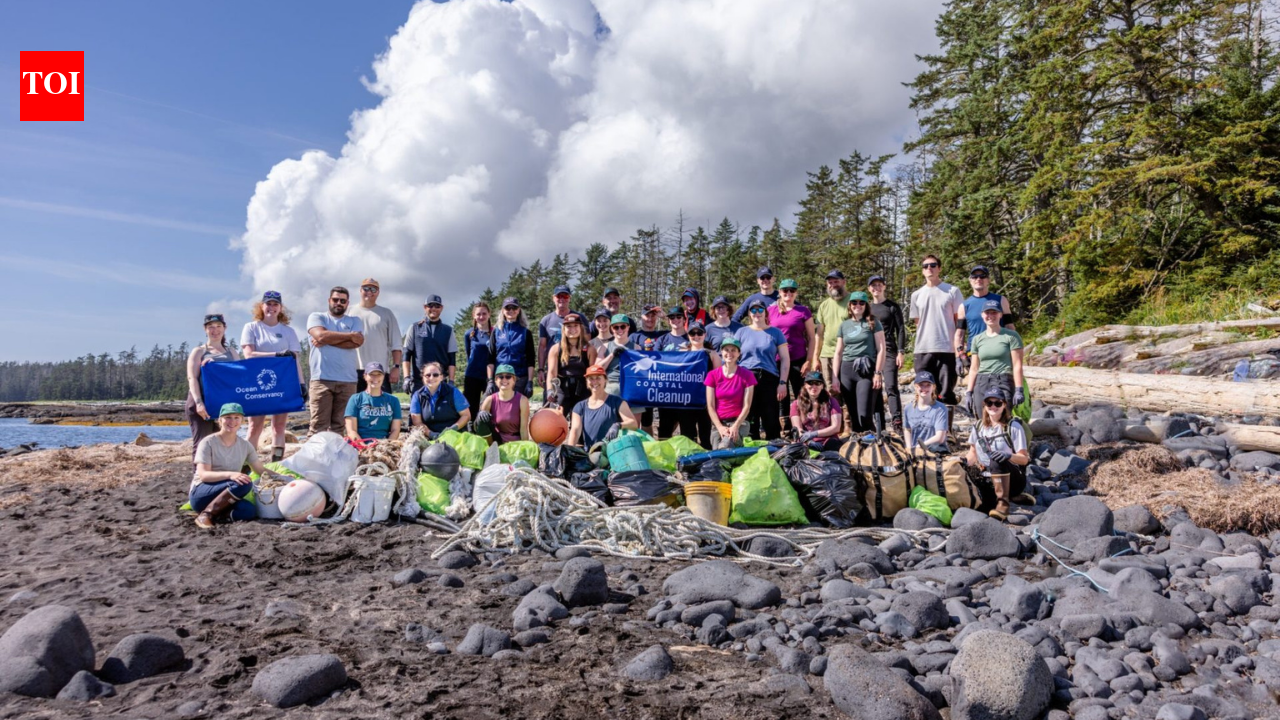
Texas volunteers started a cleanup 40 years ago with 2,800 people; the movement has now collected 1.3 million plastic bottles from coastlines and waterways worldwide and could change plastic policy

Texas volunteers started a cleanup 40 years ago with 2,800 people; the movement has now collected 1.3 million plastic bottles from coastlines and waterways worldwide and could change plastic policy

More than 1.3 million plastic bottles were collected from coastlines and waterways worldwide in a massive volunteer cleanup effort that began 40 years ago with just 2,800 people on the Texas Gulf Coast. The International Coastal Cleanup, organised by Ocean Conservancy, drew about 630,000 volunteers in 2025, who removed nearly 13.9 million pieces of rubbish … Read more

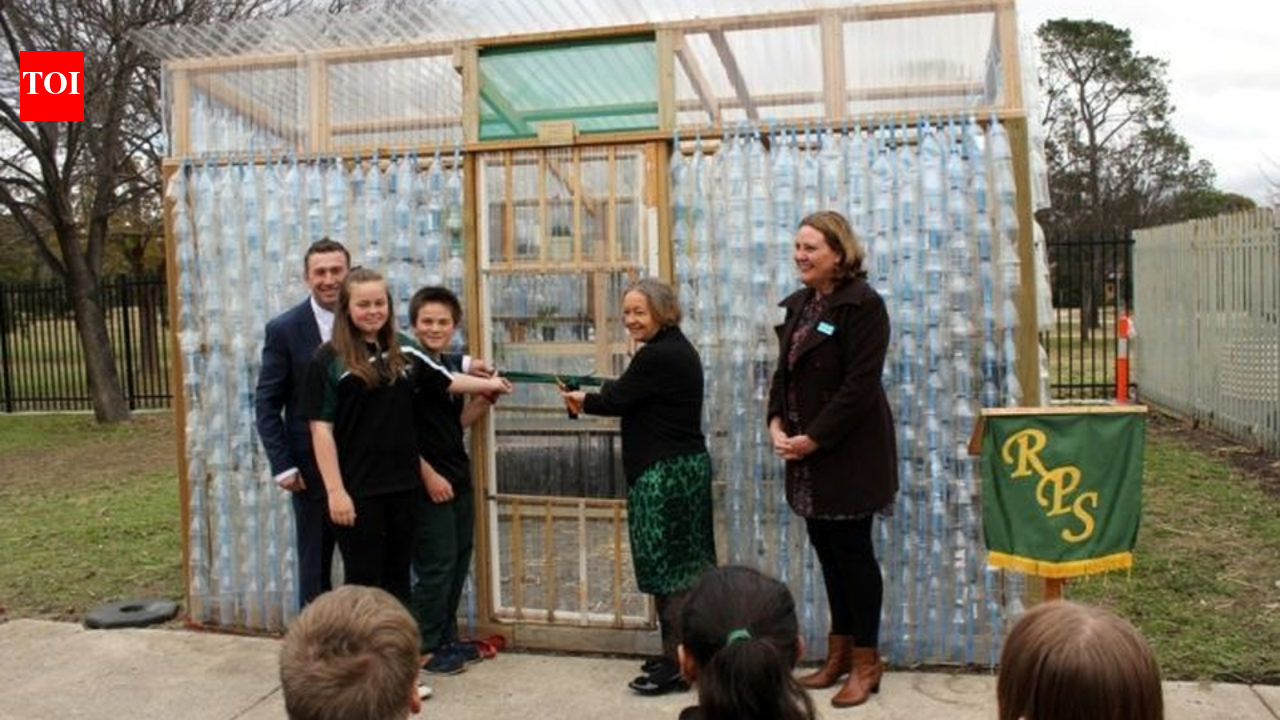
Australian high school students collected more than 2,000 plastic bottles to form a greenhouse, 11 years later, the structure supplies food for the school’s garden

Australian high school students collected more than 2,000 plastic bottles to form a greenhouse, 11 years later, the structure supplies food for the school's garden

A project that began as an ecological lesson has transformed the lives of students at an Australian high school. In the country’s capital of Canberra, students at the Richardson Primary School in south Canberra collected more than 2,000 plastic bottles and transformed them into the walls of a greenhouse that has been working efficiently for … Read more