In 2016, Cumbria began trialling waste-plastic roads; a year later, an A7 project reused 500,000 bottles or 800,000 bags; five years later, the trials were deemed successful
In 2016, Cumbria began trialling waste-plastic roads; a year later, an A7 project reused 500,000 bottles or 800,000 bags; five years later, the trials were deemed successful

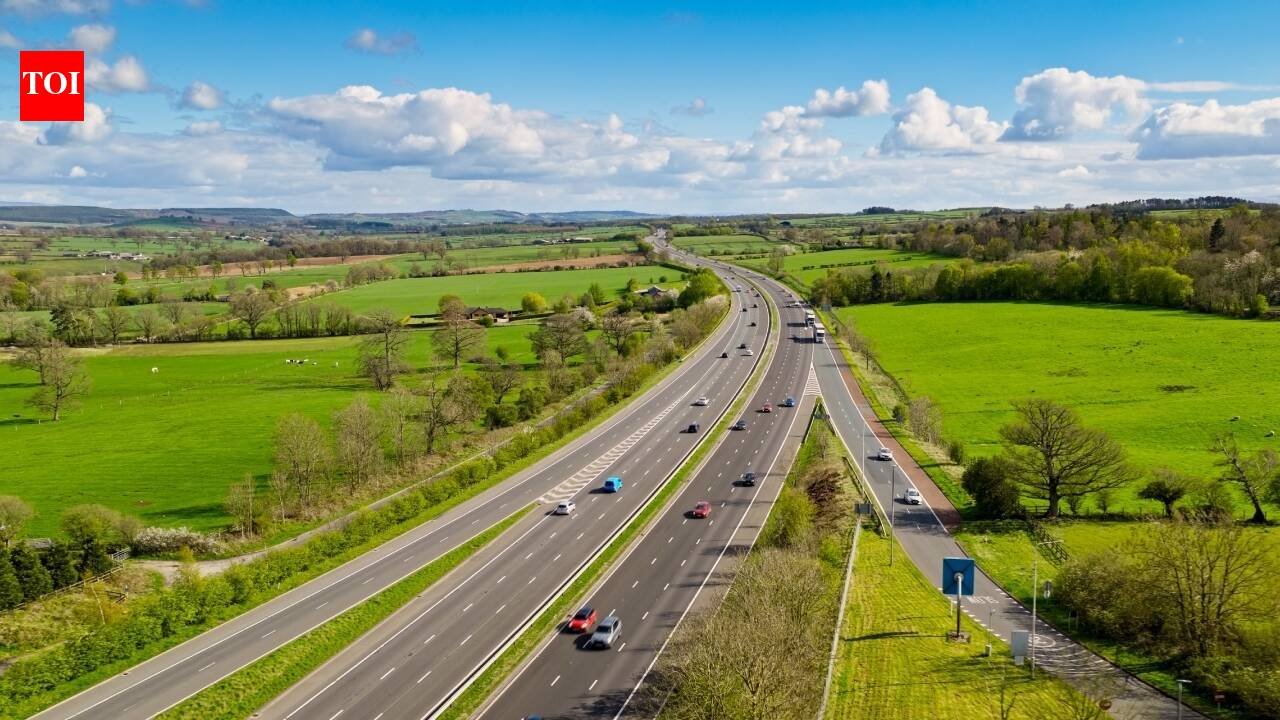
Kingstown Road and Scotland Road form one of the main routes into Carlisle, and by autumn 2017 they had a new skin. Some of the bitumen holding the asphalt together had been replaced with pellets made from waste plastic.Cumbria, an area in England, wanted to make roads the better way. Roads that are environmentally friendly. … Read more
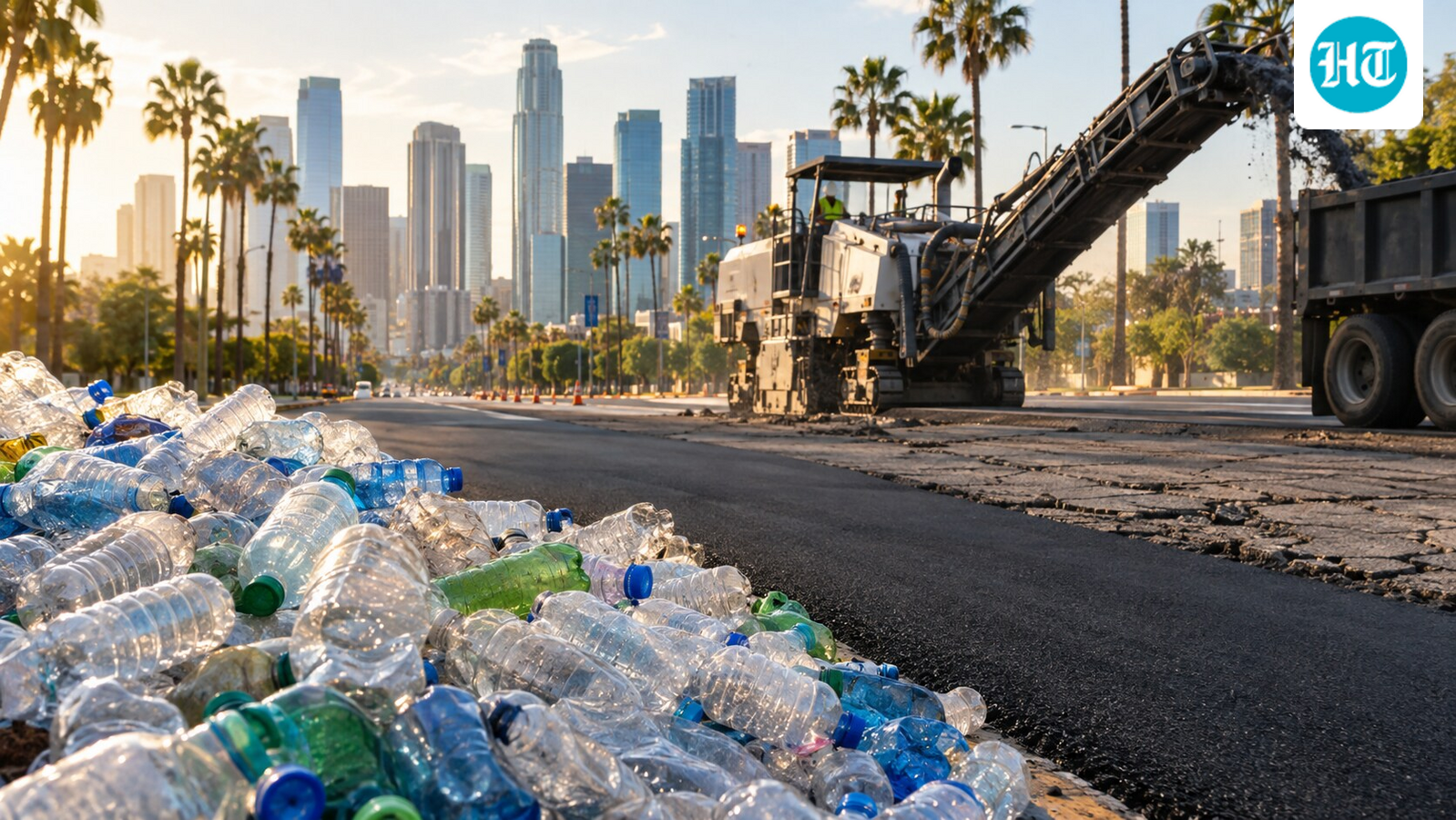
In 2019, Los Angeles announced a test of a road mix of old asphalt and plastic bottles to repave without new asphalt

The use of recycled PET in asphalt could enhance road durability and cut carbon emissions by 26.2%. (AI-generated/ChatGPT)

A plastic water bottle takes a few seconds to use and a long time to break down. A 2021 review in Sustainability by researchers at Universiti Putra Malaysia and Misurata University notes that PET (polyethylene terephthalate), the plastic used in drink bottles, is not biodegradable and is a real environmental hazard. So what do you … Read more

In 1964, an Arizona couple began building a carport with discarded bottles; years later, the project had grown into a 2,700-sq-ft home made with thousands of bottles and listed for $432,500

In 1964, an Arizona couple began building a carport with discarded bottles; years later, the project had grown into a 2,700-sq-ft home made with thousands of bottles and listed for $432,500

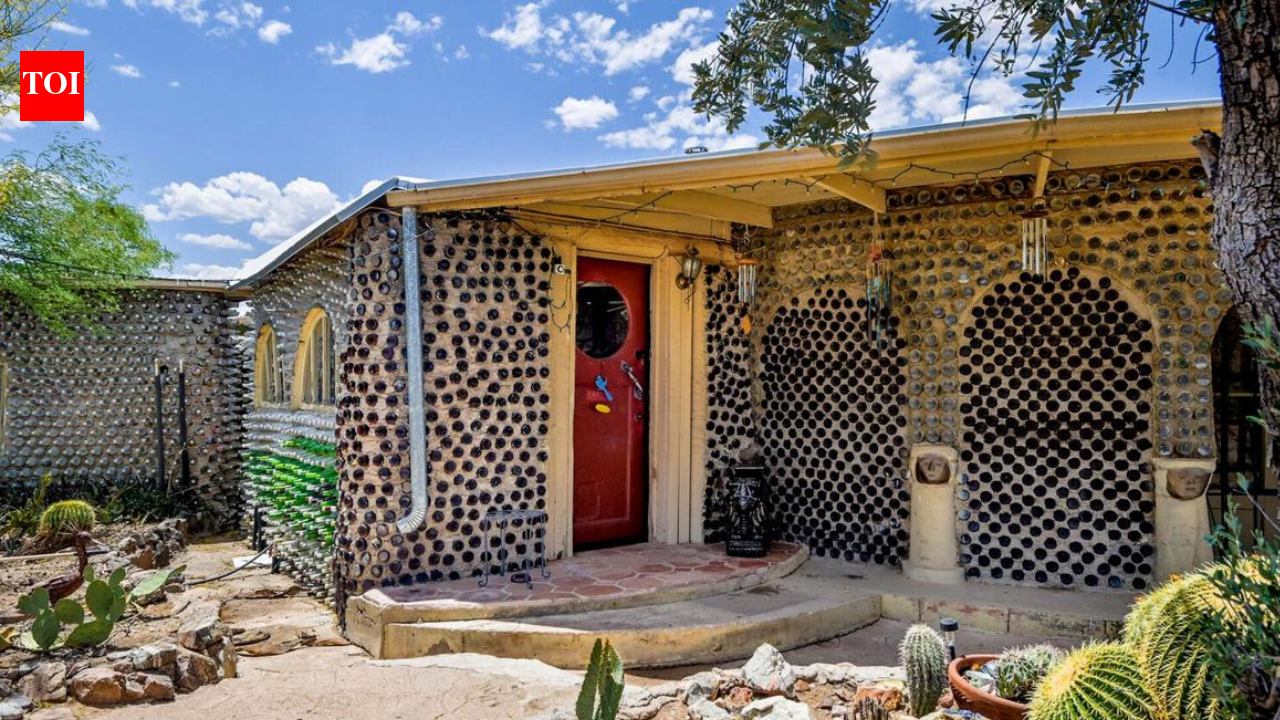
Main entrance of the constructed bottle and rock home (Source: Coldwell Banker Realty) A Tucson couple’s simple plan to build a shelter for a family car in 1964 grew into a 2,700-square-foot home made from tens of thousands of discarded glass bottles. The unusual property has now been put on the market for $432,500 (£342,000). … Read more

In New York, 29 million discarded glass bottles were ground into concrete for JPMorgan Chase’s 60-storey headquarters; replacing 40% of its cement cut over 5,000 tons of carbon and enhanced concrete strength

In New York, 29 million discarded glass bottles were ground into concrete for JPMorgan Chase’s 60-storey headquarters; replacing 40% of its cement cut over 5,000 tons of carbon and enhanced concrete strength

A massive skyscraper rising in Midtown Manhattan has turned tens of millions of used waste bottles into part of its structural support. The project shows how city waste can replace carbon-heavy building materials on a large commercial scale. Workers used special concrete containing ground recycled glass in the foundation and floor slabs of JPMorgan Chase’s … Read more

In 2017, Dubuque turned recycled plastic equal to about 67,000 water bottles into 14 floating islands; the 2,674-sq-ft system now adds plant, fish and bird habitat to Bee Branch Creek

In 2017, Dubuque turned recycled plastic equal to about 67,000 water bottles into 14 floating islands; the 2,674-sq-ft system now adds plant, fish and bird habitat to Bee Branch Creek

There are 14 islands totaling 2,674 square feet. Each island is a miniature replica of the natural archipelagos of the Mississippi River. Before the islands were placed in the creek, four prototype designs in a variety of shapes and sizes were developed. Sometimes the answer for a city that has fought floodwaters for years isn’t … Read more

In 2020, a New Orleans project began crushing bottles into sand; six years later, it has diverted 12 million pounds of glass to help rebuild shrinking coastal wetlands

In 2020, a New Orleans project began crushing bottles into sand; six years later, it has diverted 12 million pounds of glass to help rebuild shrinking coastal wetlands

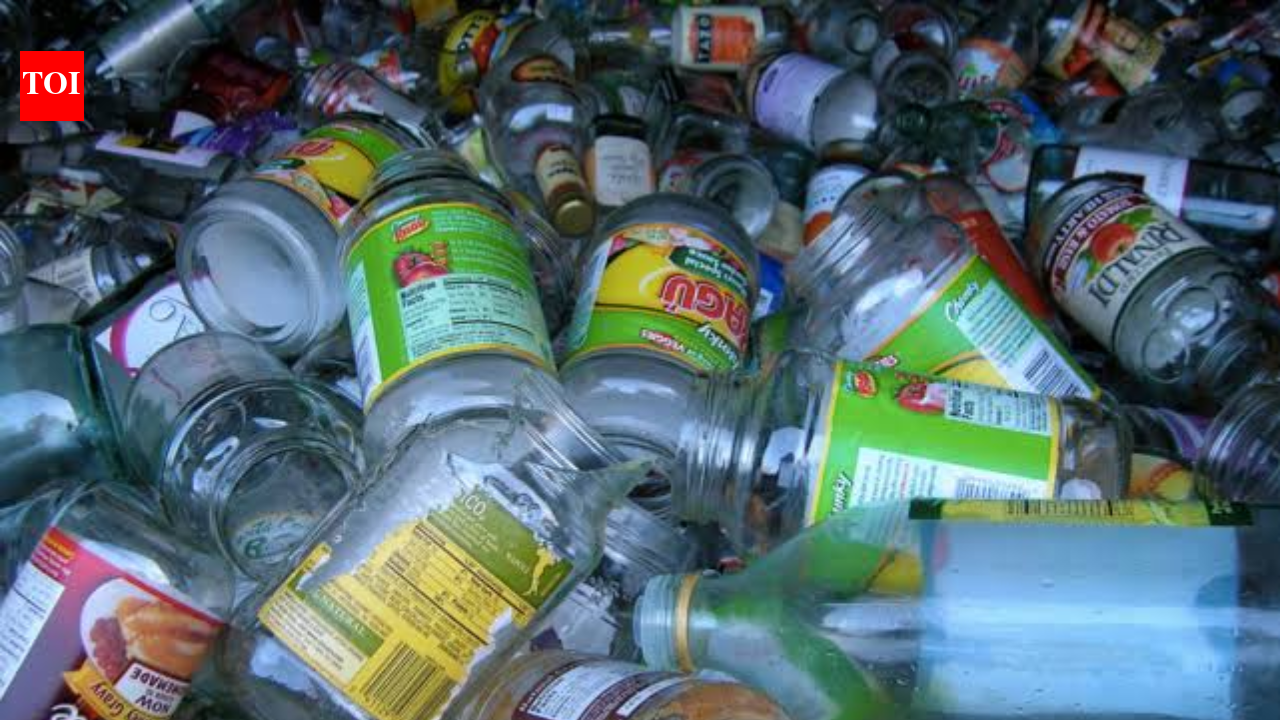
Representative Image (AI-generated) A bottle tossed away in New Orleans does not necessarily have to end its life in a landfill. A project launched in 2020 is giving discarded glass a second purpose; crushing bottles into sand that can be used in coastal restoration. Glass Half Full, founded by Tulane University students Franziska Trautmann and … Read more

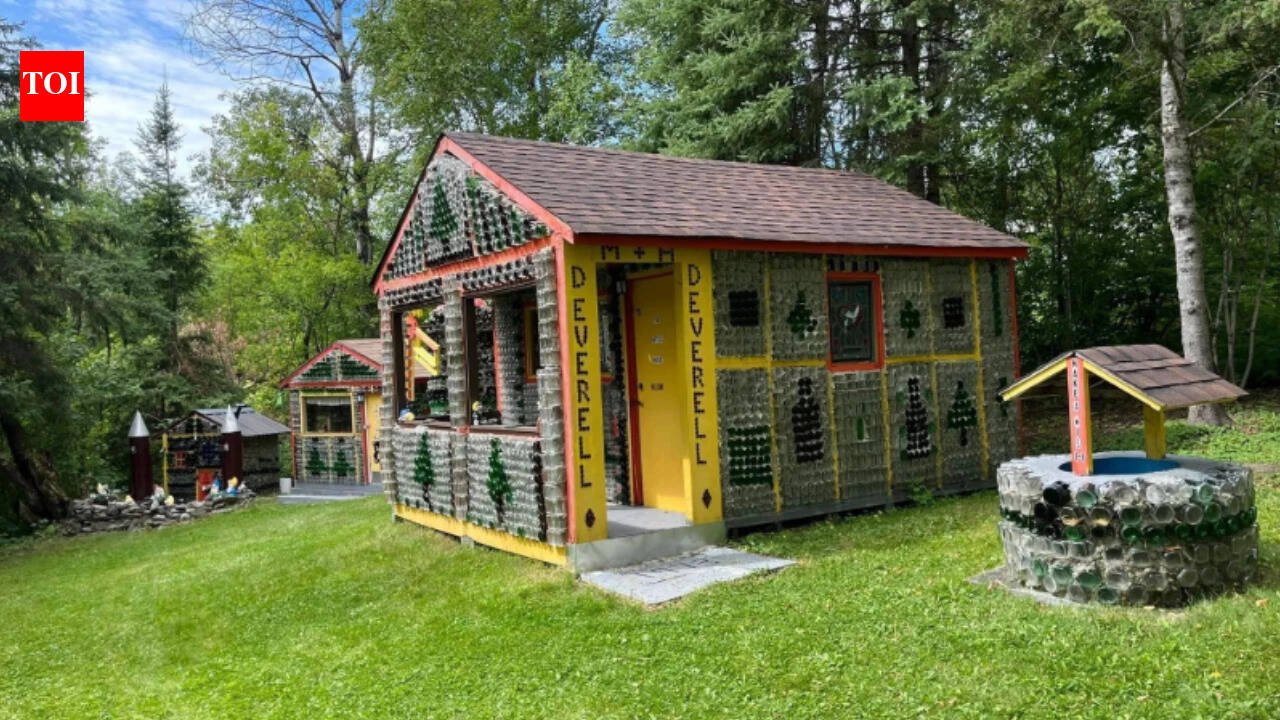
In 1973, Ontario teacher Hank Deverell built his wife a bottle house for her doll collection; about 25,000 glass bottles and 1,750 hours later, it became a roadside attraction

In 1973, Ontario teacher Hank Deverell built his wife a bottle house for her doll collection; about 25,000 glass bottles and 1,750 hours later, it became a roadside attraction

About 25,000 bottles and 1,000 pounds of mortar were used to build the attraction. In 1973, Ontario teacher Hank Deverell and his wife Myrtle built a house from glass bottles in Redditt, a small community in northwestern Ontario, Canada. Myrtle wanted a house to display her growing doll collection, and Hank turned the idea into … Read more

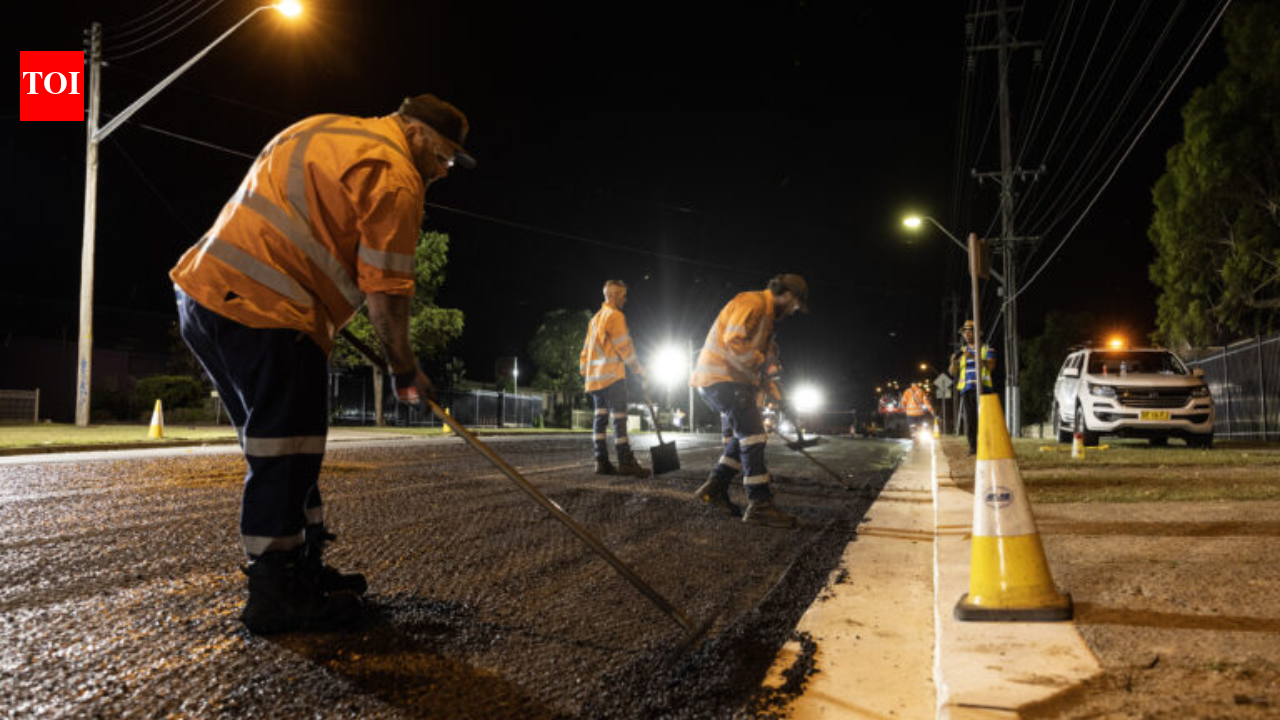
In 2023, Australia paved two suburban roads with 135,000 recycled coffee cups and the equivalent of 1.2 million glass bottles, cutting the asphalt’s carbon footprint by 24%

In 2023, Australia paved two suburban roads with 135,000 recycled coffee cups and the equivalent of 1.2 million glass bottles, cutting the asphalt's carbon footprint by 24%

What happens to a takeaway coffee cup after the last sip? In most cases, it ends up in landfill because the thin waterproof lining inside the cup makes conventional recycling difficult. In Australia, however, thousands of these discarded cups have found a very different second life: as part of the material used to build roads.In … Read more

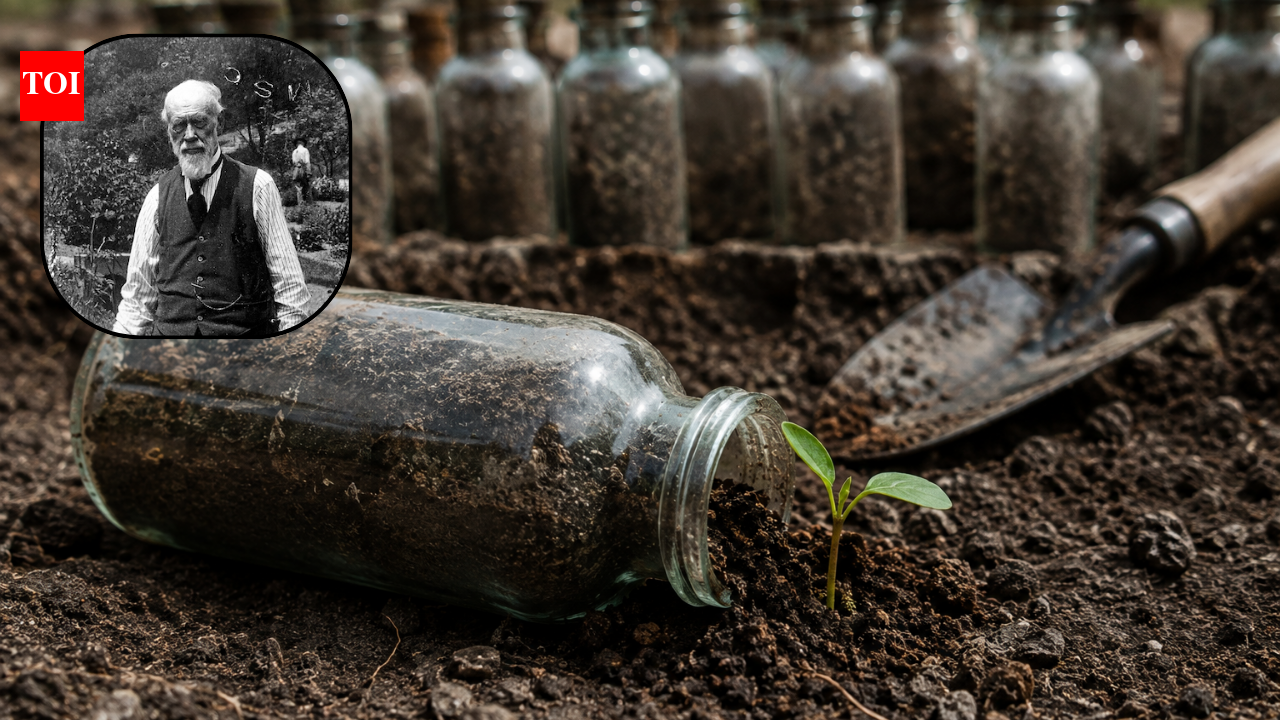
A Michigan scientist buried seeds in 20 glass bottles in 1879; 142 years later, some still grew, and the experiment is set to run until 2100

A Michigan scientist buried seeds in 20 glass bottles in 1879; 142 years later, some still grew, and the experiment is set to run until 2100

Michigan State University botanist William James Beal buried 20 glass bottles filled with seeds In 1879, Michigan State University botanist William James Beal buried 20 glass bottles filled with seeds and sand in an effort to answer a deceptively simple question: how long could seeds remain dormant in the soil and still grow when conditions … Read more

Texas volunteers started a cleanup 40 years ago with 2,800 people; the movement has now collected 1.3 million plastic bottles from coastlines and waterways worldwide and could change plastic policy

Texas volunteers started a cleanup 40 years ago with 2,800 people; the movement has now collected 1.3 million plastic bottles from coastlines and waterways worldwide and could change plastic policy

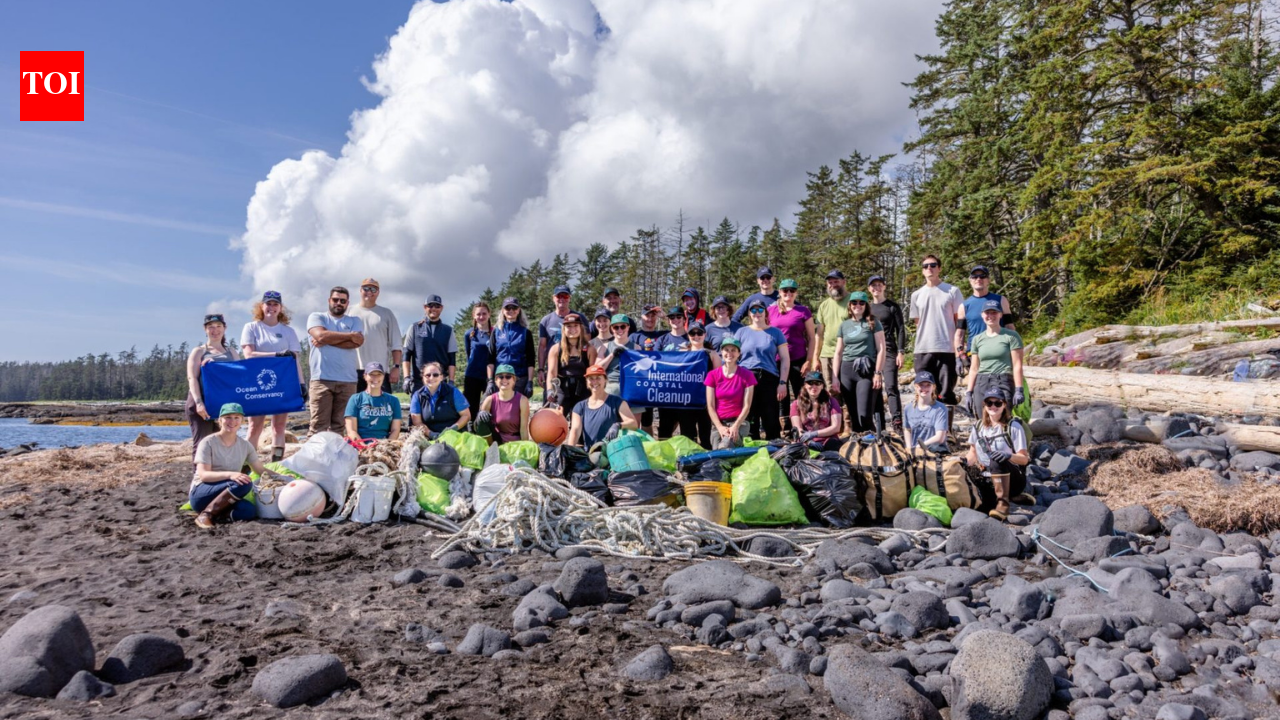
More than 1.3 million plastic bottles were collected from coastlines and waterways worldwide in a massive volunteer cleanup effort that began 40 years ago with just 2,800 people on the Texas Gulf Coast. The International Coastal Cleanup, organised by Ocean Conservancy, drew about 630,000 volunteers in 2025, who removed nearly 13.9 million pieces of rubbish … Read more