
Scientists have found that Japanese horseshoe bats living in crowded colonies get around noisy sonar problems by gradually changing their echolocation calls to match each other’s frequencies
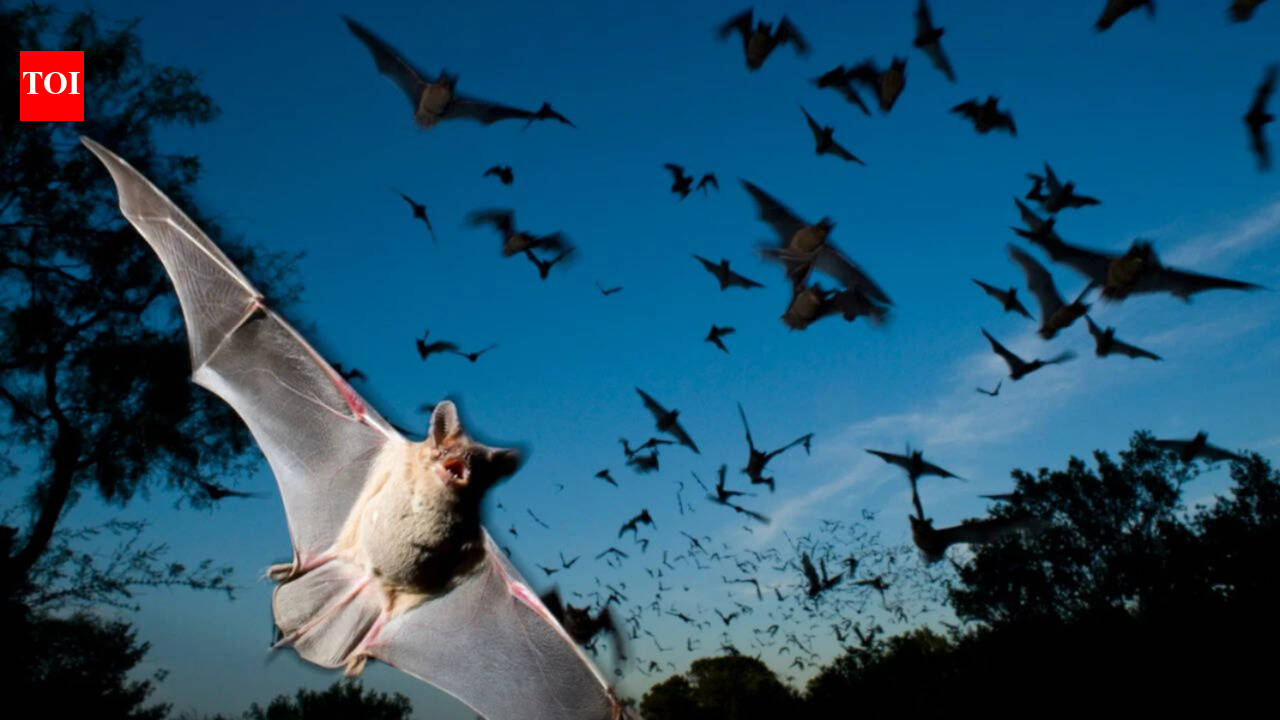
If many bats emit similar sound waves at the same time, their signals may overlap. (National Geographic photo) Bats rely on echolocation to move in the dark and hunt insects. They emit high-pitched sound waves that bounce off nearby objects and return as echoes, which help them determine the location of objects.But when many bats … Read more