In 1967, Guy Savy and a partner bought a degraded Seychelles island; after restoring nesting habitat, its sooty tern colony rose from under 20,000 pairs to about 700,000
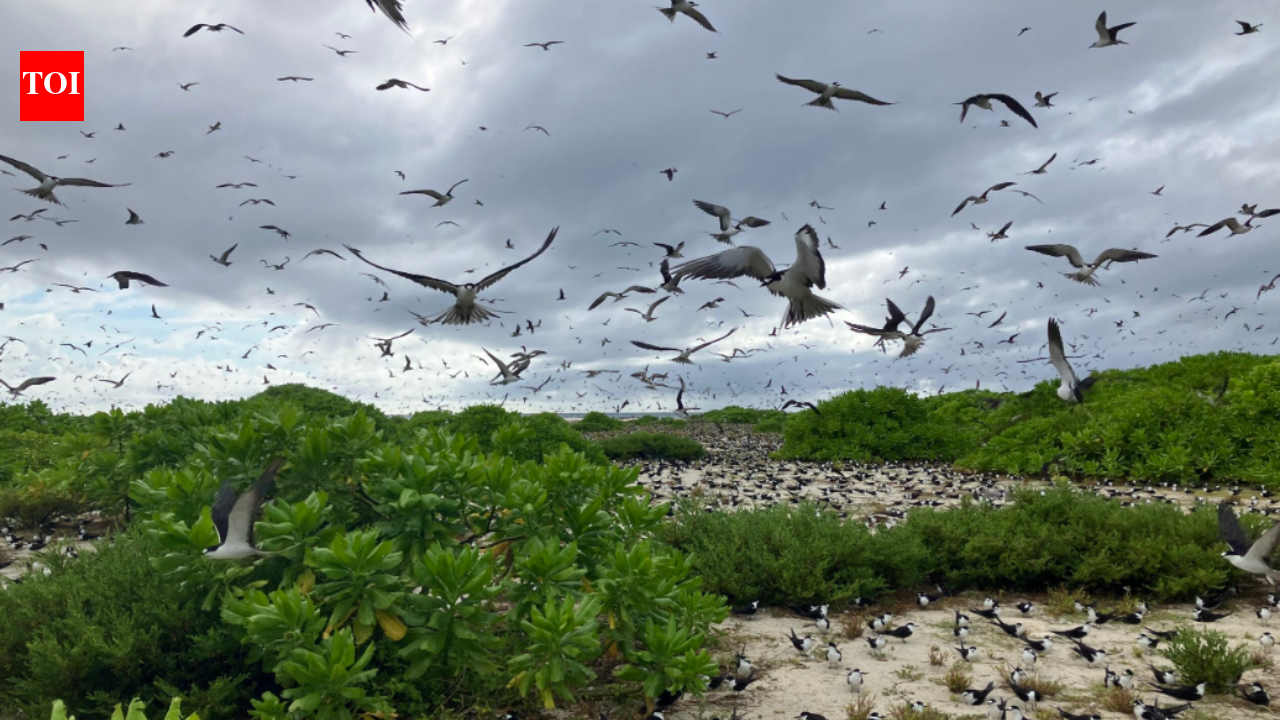
In 1967, Guy Savy and a partner bought a degraded Seychelles island; after restoring nesting habitat, its sooty tern colony rose from under 20,000 pairs to about 700,000

Guy Savy and a partner bought a degraded Seychelles island A tiny coral island on the northern edge of the Seychelles Bank was once close to ecological collapse. Years of commercial farming, habitat destruction and wildlife exploitation had badly damaged its natural environment. Today, after more than five decades of careful conservation, Bird Island is … Read more

In 1902, edible dormice were released at an English estate; by 2018 Britain had an estimated 23,000, and the government now pays £40 per hectare a year to control damage to trees, crops and nesting birds

In 1902, edible dormice were released at an English estate; by 2018 Britain had an estimated 23,000, and the government now pays £40 per hectare a year to control damage to trees, crops and nesting birds

dormouseRepresentative image from Canva In 1902, a small population of edible dormice was released at Tring Park, a private estate in Hertfordshire, as part of a Victorian-era fascination with exotic wildlife. More than a century later, that single introduction has grown into a national problem: by 2018, the Mammal Society estimated around 23,000 edible dormice … Read more

In 1885, New Zealand released European hedgehogs as garden pest killers; 140 years later, DOC calls them a major threat to native wildlife and one can empty an endangered tern colony of nesting birds

In 1885, New Zealand released European hedgehogs as garden pest killers; 140 years later, DOC calls them a major threat to native wildlife and one can empty an endangered tern colony of nesting birds

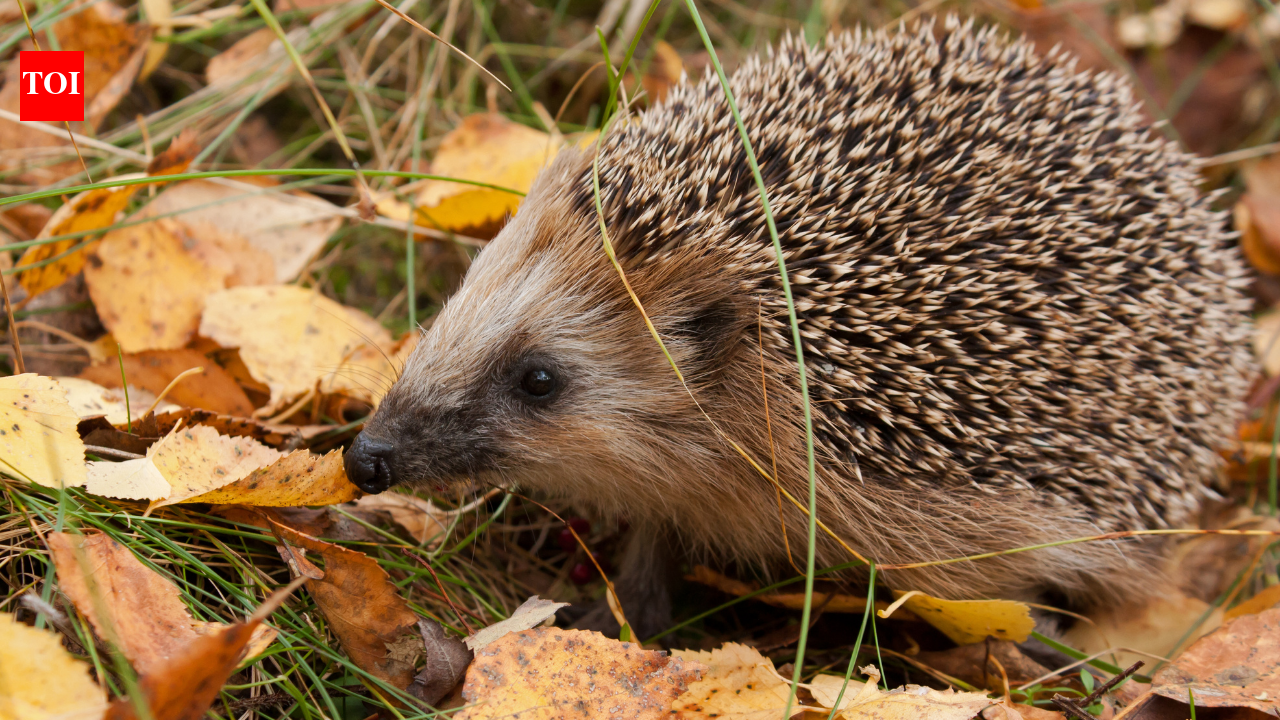
European hedgehog (Image Credit: Canva) What was once seen as a useful garden helper in New Zealand has become an unexpected threat to some of the country’s most vulnerable wildlife. European hedgehogs were deliberately introduced to New Zealand in the 19th century, with acclimatisation societies releasing them in the hope that they would help control … Read more

A Florida couple bought a 45-acre swamp to protect it from development; 15 years later, 275 wood storks were nesting there in a thriving ecosystem filled with wildlife

A Florida couple bought a 45-acre swamp to protect it from development; 15 years later, 275 wood storks were nesting there in a thriving ecosystem filled with wildlife

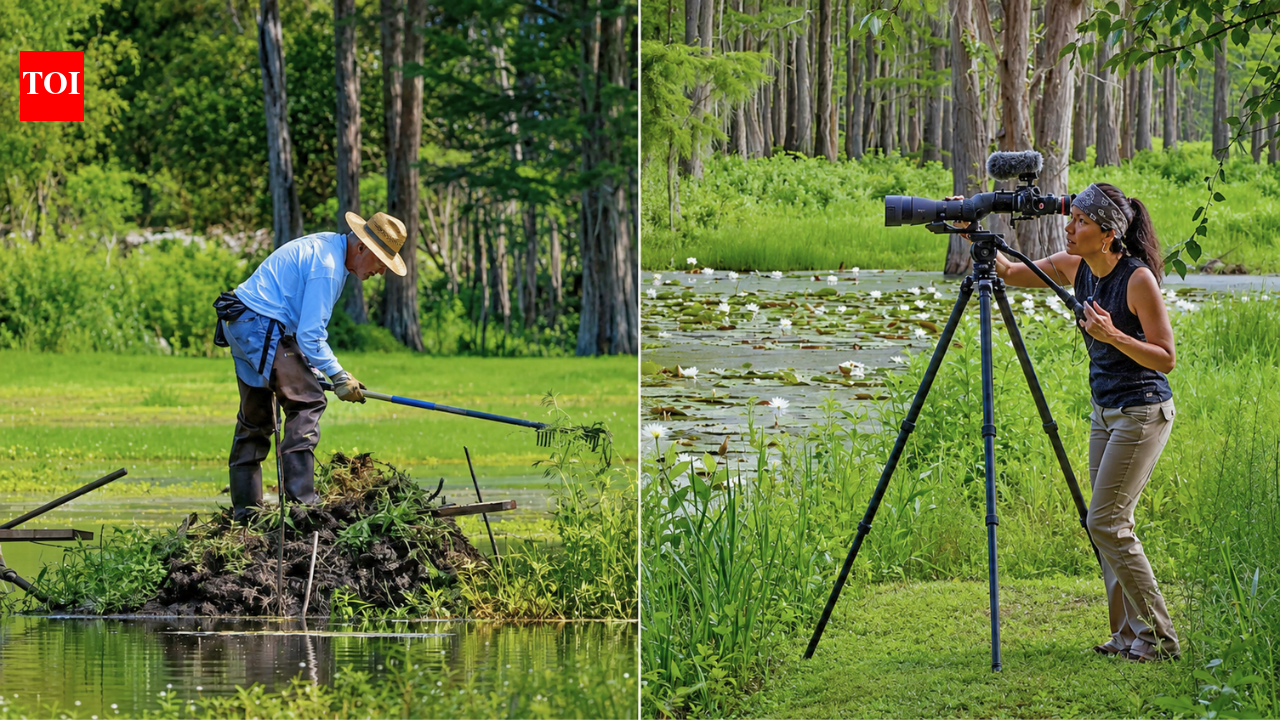
Jim Stevenson (left) and Tara Tanaka (right) at their wildlife sanctuary in Florida. A Florida couple made an unusual decision more than a decade ago when they bought a 45-acre cypress swamp beside their home in Tallahassee, Florida, rather than allowing the land to be cleared or developed. Jim Stevenson and Tara Tanaka purchased the … Read more

In 1923, wardens began protecting a 35-acre Texas island where the state’s last reddish egrets survived; one family lived there full time in a two-room hut, and today it holds the world’s largest nesting colony

In 1923, wardens began protecting a 35-acre Texas island where the state’s last reddish egrets survived; one family lived there full time in a two-room hut, and today it holds the world’s largest nesting colony

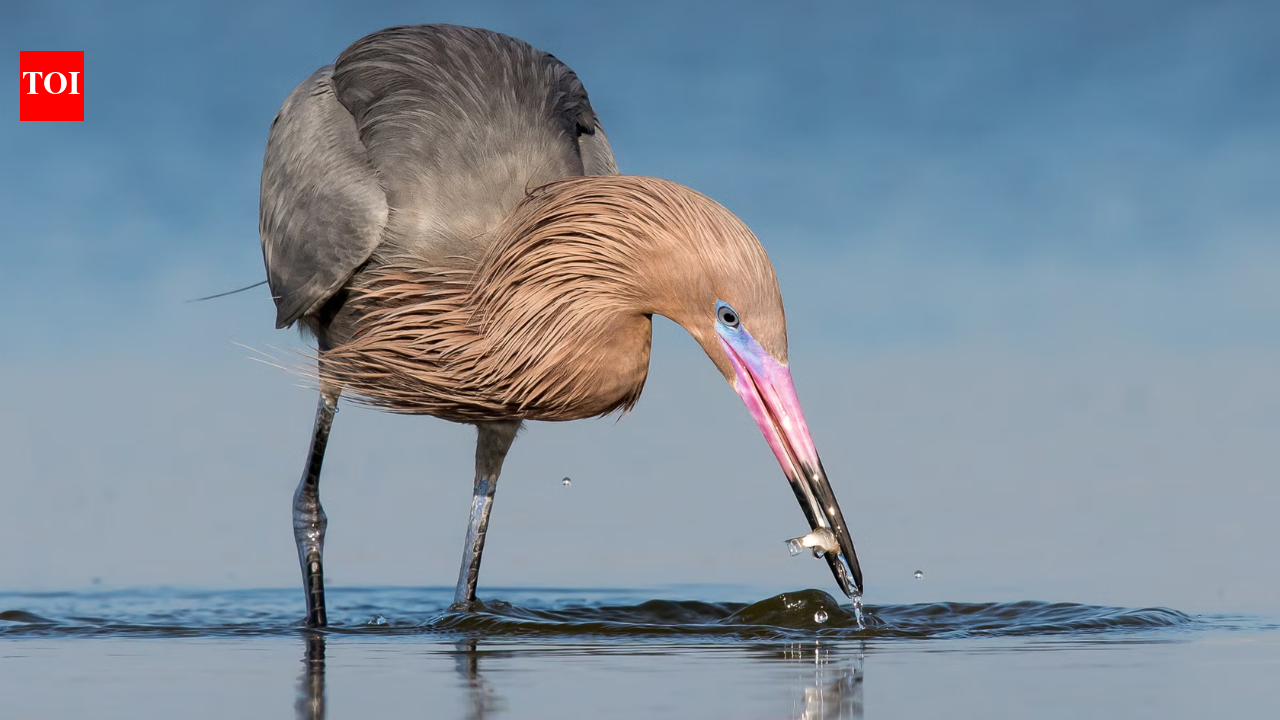
Welcome to the Island Where Egrets Rule A century after wildlife wardens began protecting a small island in Texas, the 35-acre site has become the world’s largest nesting colony for Reddish Egrets. Green Island sits in the Laguna Madre, a coastal lagoon in southern Texas. In 1923, Audubon Texas signed its first sanctuary lease with … Read more