In 2020, Phoenix tested reflective roads to cool neighborhoods; pavement was up to 12°F cooler, but midday radiant heat for pedestrians rose
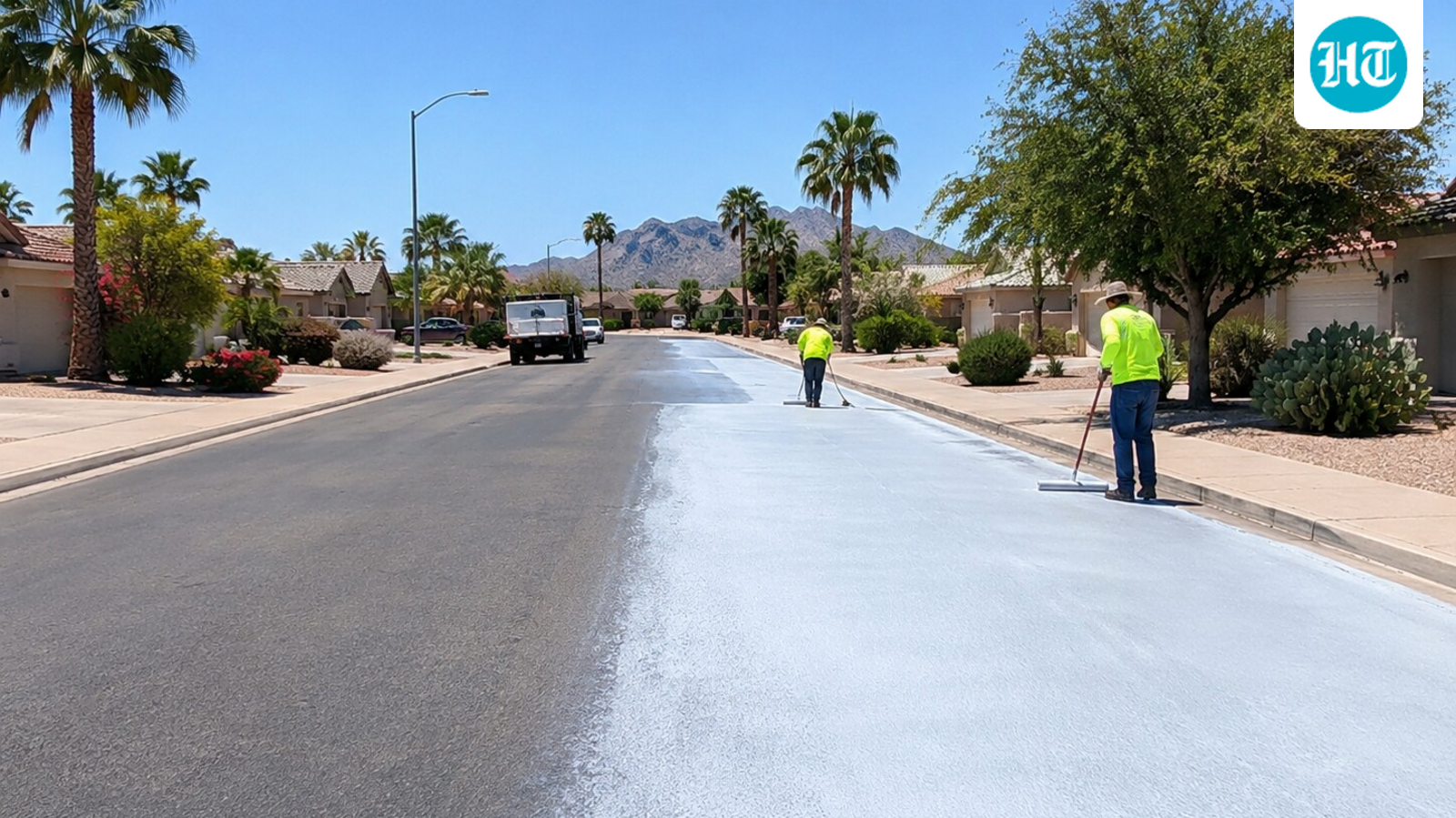
Representative image of a road with reflective pavement treatment, illustrating the city's 2020 effort to reduce pavement temperatures in heat-baked communities. (AI- generated/ ChatGPT)

Phoenix tried a deceptively simple way to fight extreme urban heat: make its streets reflect more sunlight. The city’s 2020 Cool Pavement Pilot Program coated sections of residential roads in eight neighborhoods with a lighter, more reflective seal. The goal was to reduce the amount of solar energy absorbed by asphalt and, in turn, lower … Read more
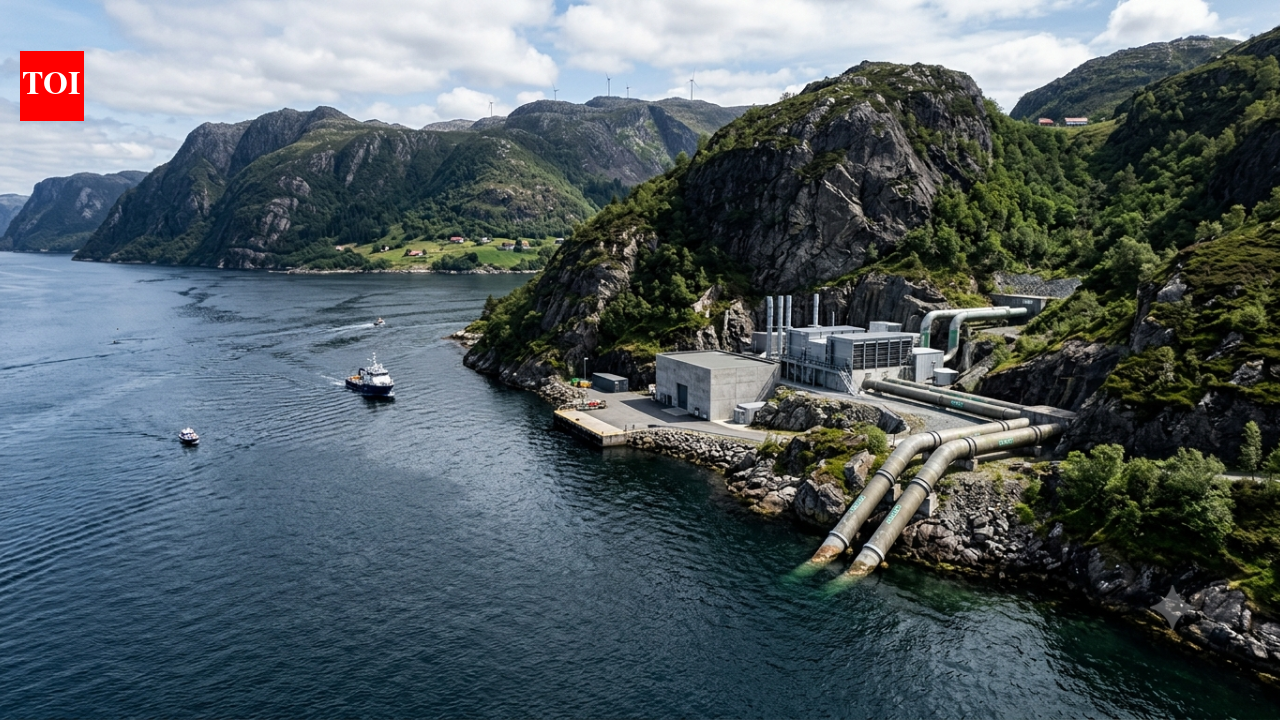
Norway’s Green Mountain data centre uses 8°C fjord water to cool its servers, turning a naturally cold resource into free refrigeration

Norway’s Green Mountain data centre uses 8°C fjord water to cool its servers, turning a naturally cold resource into free refrigeration

A data centre quietly produces heat every second it is operating. Behind the walls, rows of servers process data continuously, turning large amounts of electricity into computing power and, inevitably, excess heat. That heat has to be removed to keep the equipment within safe operating temperatures, adding significantly to the facility’s energy demand. Green Mountain … Read more

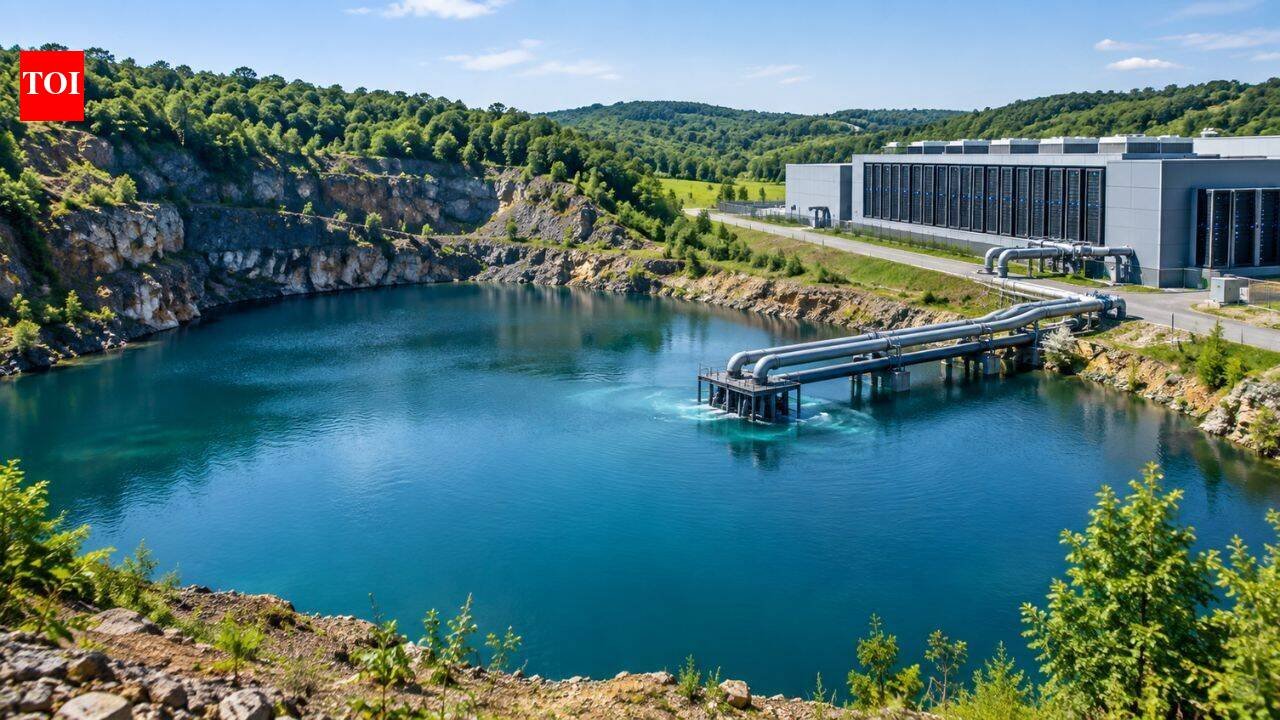
A 2026 study found abandoned US mine pools could cool AI data centres; one Pennsylvania site could handle 30.6 MW of heat

A 2026 study found abandoned US mine pools could cool AI data centres; one Pennsylvania site could handle 30.6 MW of heat

Image Credit: AI generated Scientists found that abandoned mine pools could potentially be reused to cool data centres. They developed a model to estimate how much heat these pools could absorb while maintaining suitable cooling conditions. Their detailed analysis of the Morea mine in eastern Pennsylvania found that its pool could support at least 9.5 … Read more

In 2004, Toronto began using cold water from 83 metres beneath Lake Ontario to cool downtown buildings; today the system serves 200 buildings across 40 million sq ft

In 2004, Toronto began using cold water from 83 metres beneath Lake Ontario to cool downtown buildings; today the system serves 200 buildings across 40 million sq ft

Representative Image (AI-generated) Deep beneath the surface of Lake Ontario, a layer of naturally cold water has become an unlikely part of Toronto’s urban infrastructure. Instead of relying entirely on conventional air-conditioning systems to cool its downtown buildings, the Canadian city uses the lake’s cold temperature as a source of cooling energy. According to a … Read more

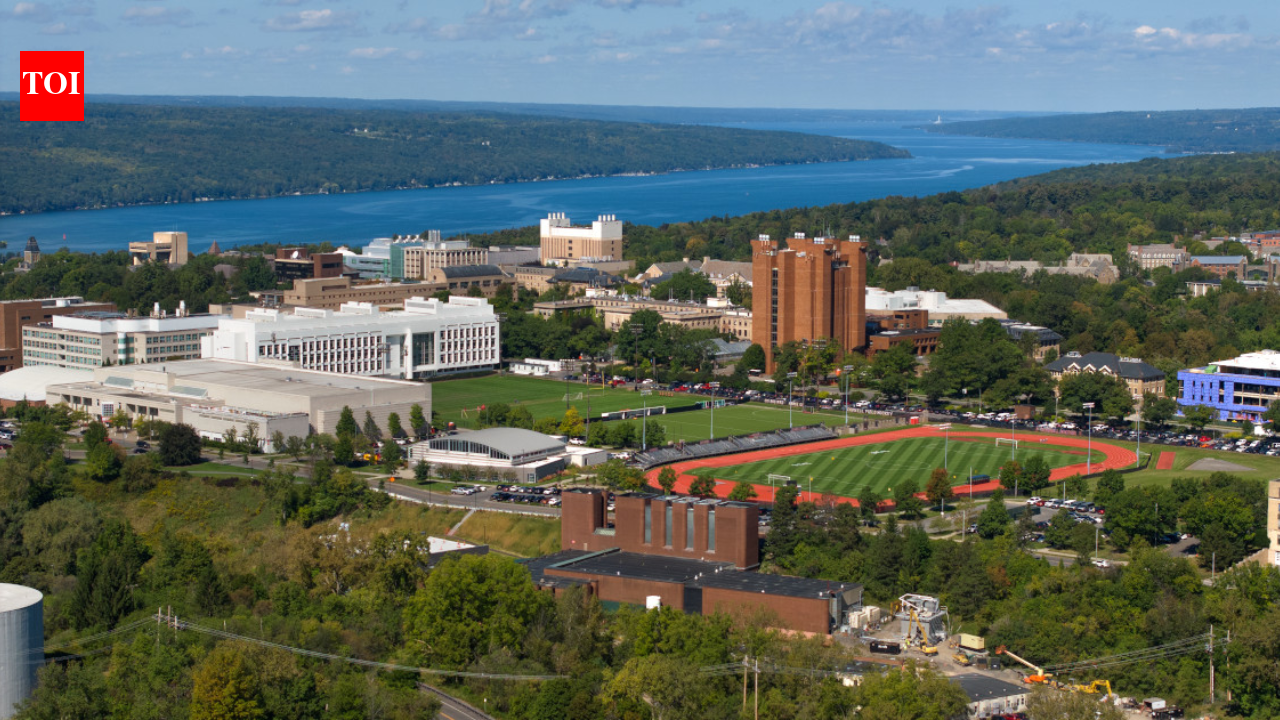
In 2000, Cornell began pulling 39°F water from 250 feet below Cayuga Lake to cool its campus; the system now cuts cooling energy use by about 85%

In 2000, Cornell began pulling 39°F water from 250 feet below Cayuga Lake to cool its campus; the system now cuts cooling energy use by about 85%

Cornell is one of the biggest and most esteemed universities in the world, sitting on a hill overlooking the 38-mile-long Cayuga Lake with an area of 2,300 acres. In the late 1980s and early 1990s, most institutions, including Cornell, used CFC chillers. These first-generation Ozone-Depleting Substances (ODSs) were destroying the ozone layer and warming the … Read more

Hungary shut its only nuclear plant for the first time in 44 years after the Danube fell too low to cool its reactors; nearly half its electricity supply is now affected

Hungary shut its only nuclear plant for the first time in 44 years after the Danube fell too low to cool its reactors; nearly half its electricity supply is now affected

The Paks Nuclear Power Plant was forced to reduce capacity and is expected to shut down completely due to the drought affecting the Danube Hungary has ordered a complete shutdown of its only nuclear power plant after the Danube River fell to record-low levels, leaving intake pumps unable to draw enough water to cool its … Read more