Once hunted to near extinction, Brazil’s humpback whales make a stunning comeback, population surges from just 2,000 to nearly 35,000 in two decades

Once hunted to near extinction, Brazil’s humpback whales make a stunning comeback, population surges from just 2,000 to nearly 35,000 in two decades

A humpback whale breaches off the coast of Rio de Janeiro, Brazil. (AP photo) Humpback whales are returning in large numbers to Brazil’s coast after being pushed close to extinction by commercial whaling. Their population in the South Atlantic has risen from about 2,000 to around 35,000 in roughly 40 years, bringing the species close … Read more

A man bought 51,000 acres of degraded land in Florida; decades later, it became the largest private restoration project east of the Mississippi

A man bought 51,000 acres of degraded land in Florida; decades later, it became the largest private restoration project east of the Mississippi

He is 85, known as the father of sociobiology, has been at Harvard for 60 years, and has won a hundred scientific awards, including two Pulitzer Prizes. Yet what E.O. Wilson, an evolutionary biologist, is focused on is a new conservation approach, a new ecological Grail which is a quest to refute conservation sceptics who … Read more

In 1940, actor James Cagney bought hundreds of acres of California grassland; decades later the remaining 417 acres became a protected wildlife corridor

In 1940, actor James Cagney bought hundreds of acres of California grassland; decades later the remaining 417 acres became a protected wildlife corridor

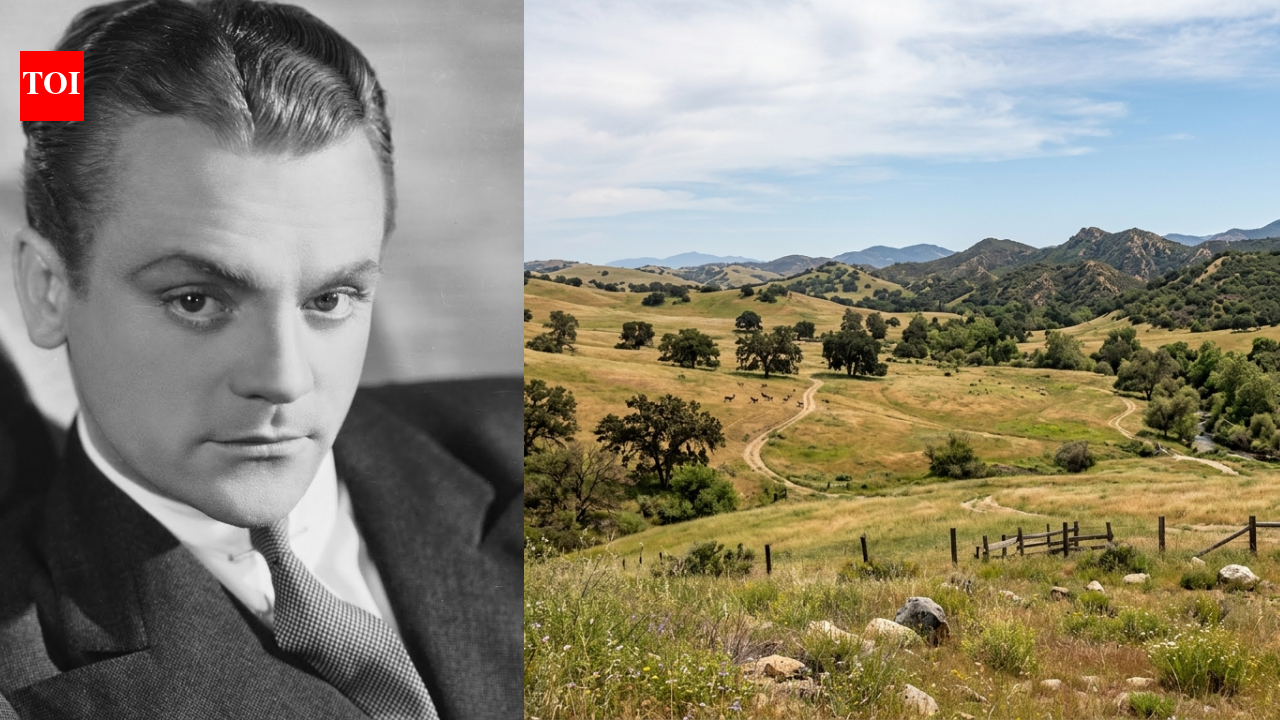
For decades, the grasslands outside Ramona, California, looked much as they had for generations: open country, seasonal pools and wide stretches of native vegetation broken by grazing land. As reported by the local news report, The San Diego Union-Tribune, among the people who once owned part of this landscape was Hollywood actor James Cagneywho acquired … Read more

In the 1800s, red foxes were brought to California for hunting. Decades later, the light-footed Ridgway’s rail declined to just 5 breeding pairs

In the 1800s, red foxes were brought to California for hunting. Decades later, the light-footed Ridgway’s rail declined to just 5 breeding pairs

A red fox introduced to California more than a century ago might seem far removed from the fate of a small marsh bird. Yet the two became linked in the coastal wetlands of Southern California, where the light-footed Ridgway’s rail has struggled to survive. The bird spends much of its time concealed among cordgrass and … Read more

In 1969, a Church’s Fried Chicken co-founder bought 3,000 acres of neglected Texas ranchland; decades of restoration brought long-absent springs and flowing water back

In 1969, a Church’s Fried Chicken co-founder bought 3,000 acres of neglected Texas ranchland; decades of restoration brought long-absent springs and flowing water back

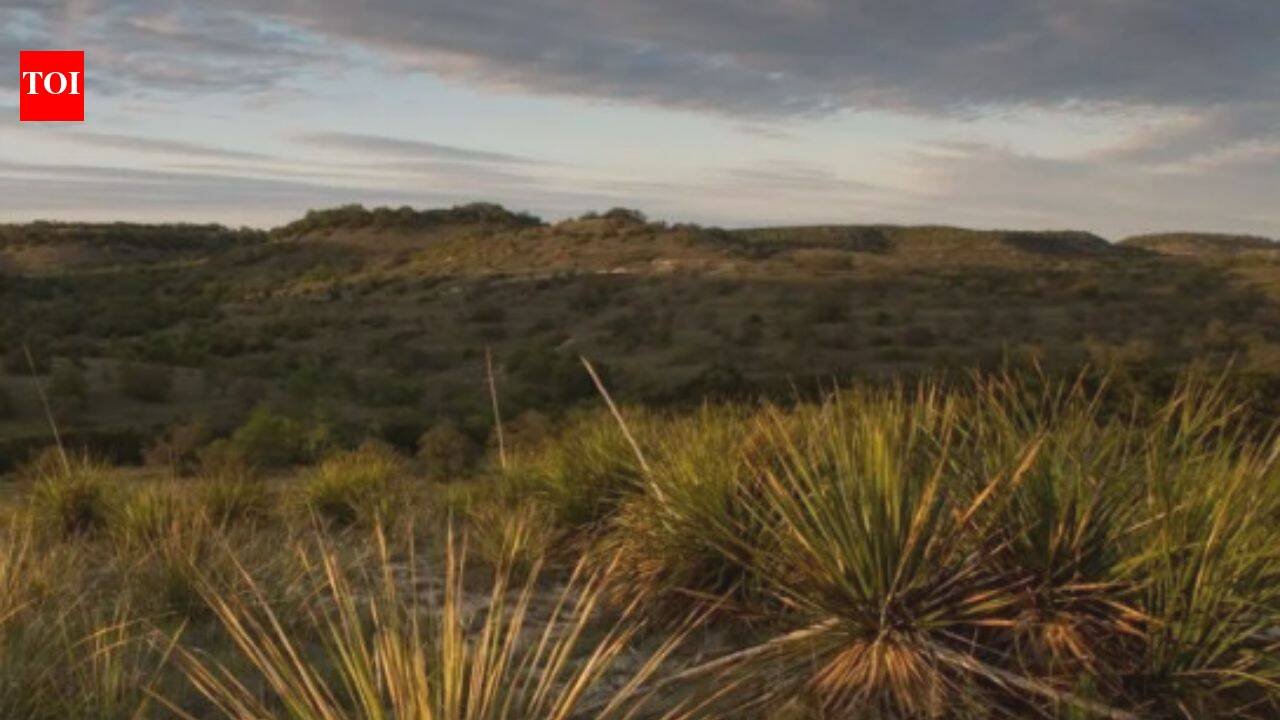
Bamberger Ranch PreservePhoto credit: https://www.bambergerranch.org Back in 1969, R. C. Bamberger made a bold move that left many locals scratching their heads. The co-founder of Church’s Fried Chicken bought 3,000 acres of badly damaged land in the Texas Hill Country, stepping into a landscape ruined by generations of heavy cattle grazing. The topsoil was washed … Read more

In 1979, about 30 mongooses were released on Japan’s Amami Oshima to control habu snakes; their population later grew to roughly 10,000 and threatened rare wildlife, but after decades of trapping Japan declared them eradicated in 2024

In 1979, about 30 mongooses were released on Japan’s Amami Oshima to control habu snakes; their population later grew to roughly 10,000 and threatened rare wildlife, but after decades of trapping Japan declared them eradicated in 2024

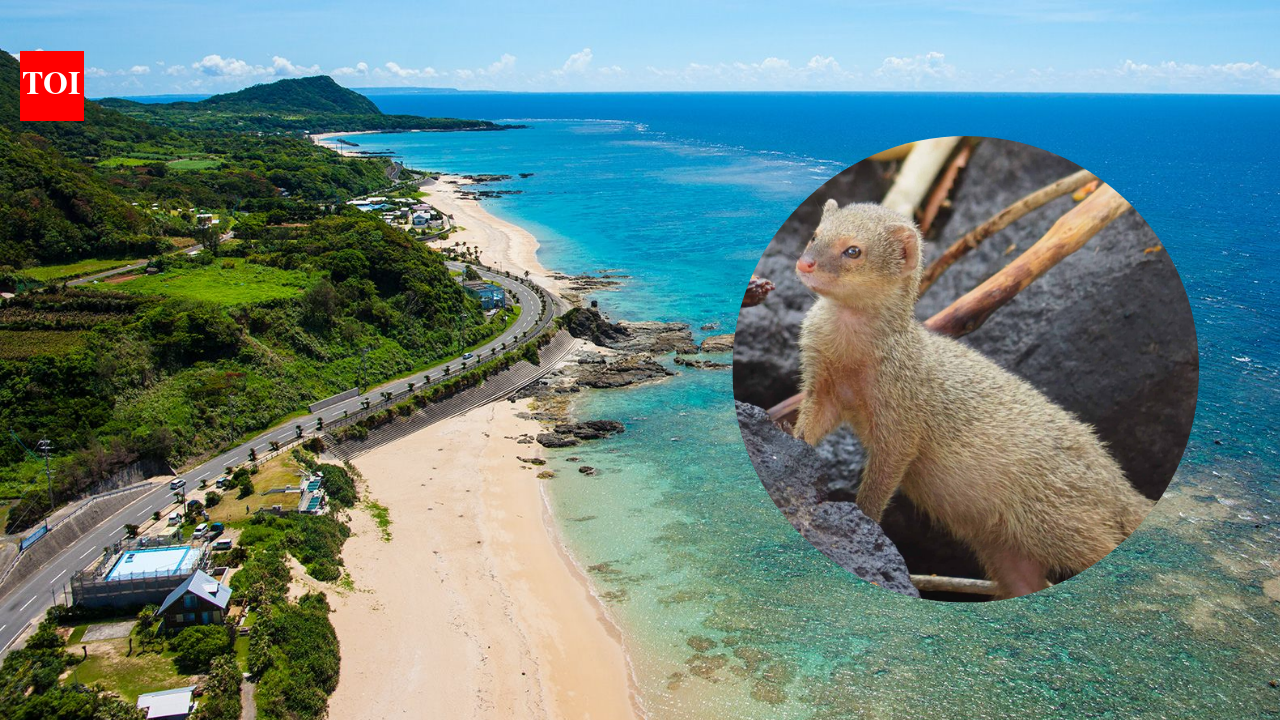
In 1979, about 30 mongooses were released on Japan’s Amami Oshima to control habu snakes Japan has officially declared the successful eradication of the invasive small Indian mongoose on Amami Oshima, ending a decades-long ecological crisis on the UNESCO World Heritage-listed island. According to an official announcement from Japan’s ministry of the environment, expert panels … Read more

In 1944, 29 reindeer were left on a remote island in Alaska, decades later, they had eaten themselves into extinction

In 1944, 29 reindeer were left on a remote island in Alaska, decades later, they had eaten themselves into extinction

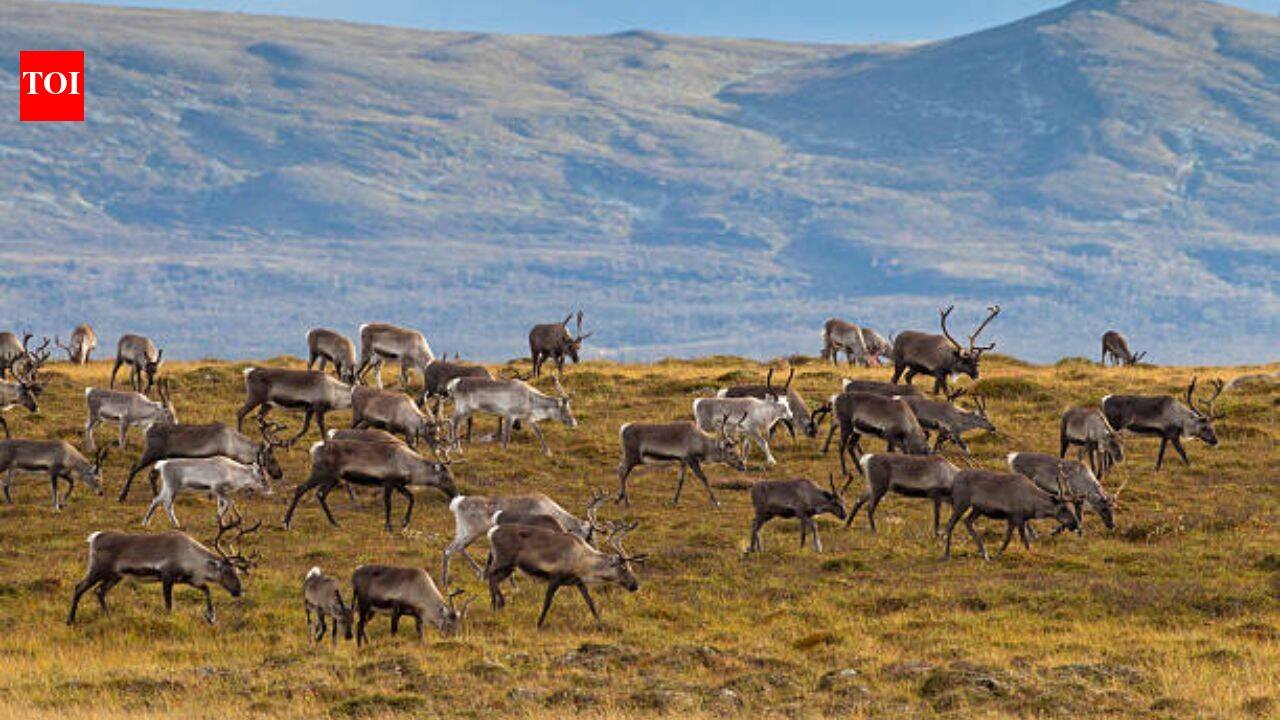
What happened to the reindeer on St. Matthew Island is a classic story of wildlife boom and bust. In 1944, the US Coast Guard corralled 29 Nunivak Island reindeer on a barge and floated the animals north to the island, more than 200 miles away to one of the most remote places in Alaska. While … Read more

In 2002, New Mexico began one of America’s largest native-fish restoration projects; more than two decades later Rio Grande cutthroat trout had returned to 120 miles of streams

In 2002, New Mexico began one of America’s largest native-fish restoration projects; more than two decades later Rio Grande cutthroat trout had returned to 120 miles of streams

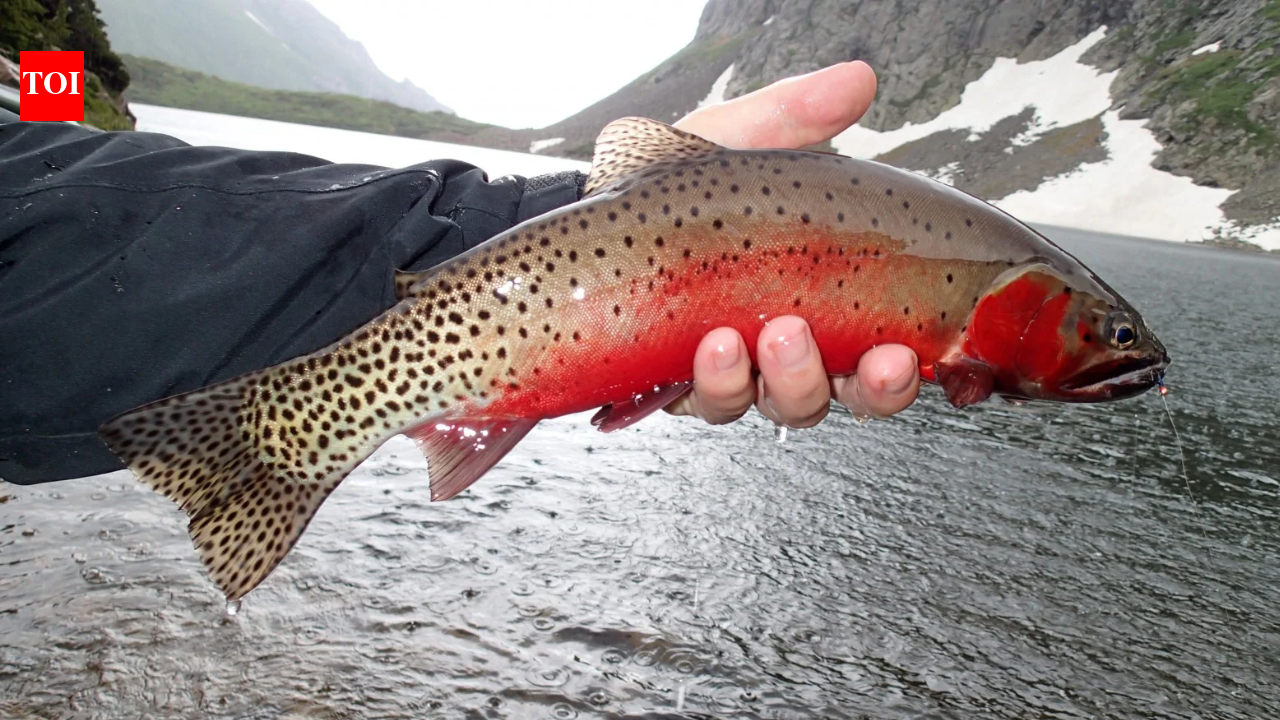
A major conservation effort launched in 2002 has restored New Mexico’s official state fish to more than 120 miles of connected mountain streams, marking one of the largest native fish restoration projects in the United States. For more than two decades, state and federal conservation agencies have worked to remove non-native predators and restore high-altitude … Read more

In 1997, Florida released Australian insects to fight an invasive tree. Nearly three decades later, its invaded range has fallen by about 75%

In 1997, Florida released Australian insects to fight an invasive tree. Nearly three decades later, its invaded range has fallen by about 75%

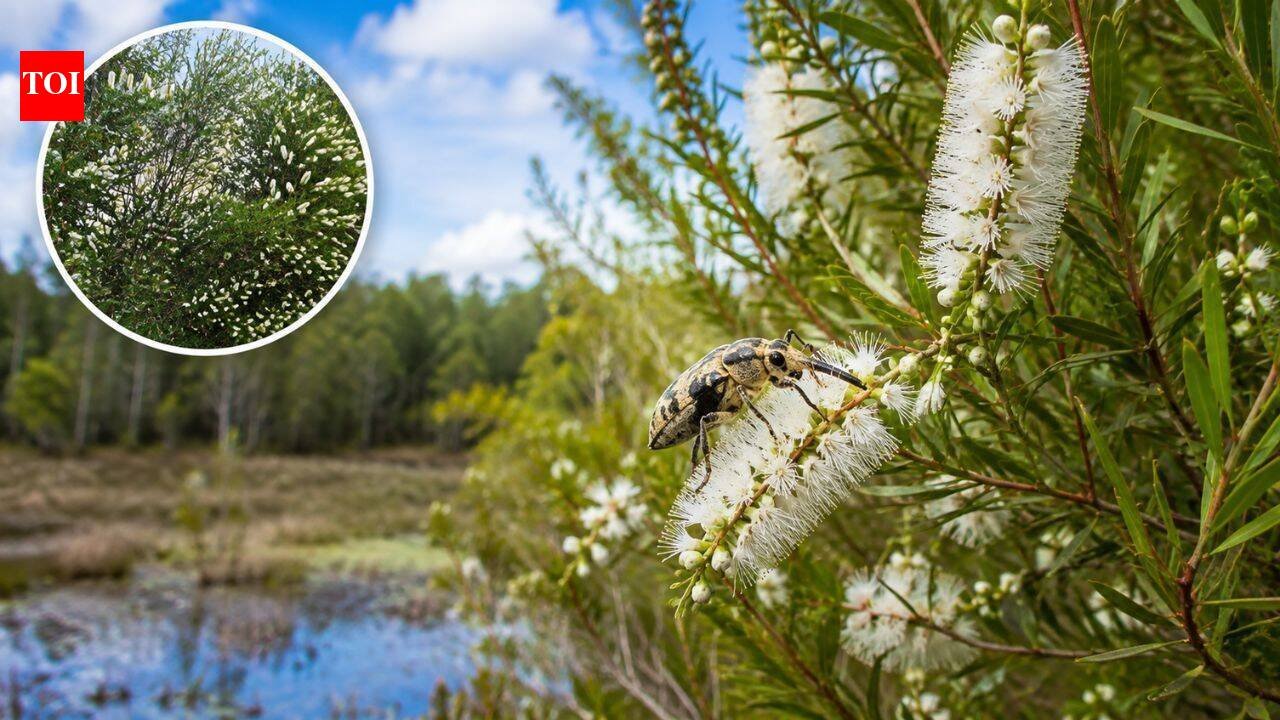
For decades, a tree from Australia spread across South Florida’s wetlands with little to hold it back. Melaleuca quinquenervia, often called paperbark, had been introduced to Florida for practical reasons, including landscaping and efforts to alter wet ground. It eventually escaped those uses and established dense stands across parts of the Everglades and surrounding wetlands. … Read more

In 1988, a California couple began restoring their 136-acre family farm; decades later, it has become a thriving habitat for birds, quail and even cougars

In 1988, a California couple began restoring their 136-acre family farm; decades later, it has become a thriving habitat for birds, quail and even cougars

Peter Hunter kneels beside a clump of young willows clinging to the edge of Dry Creek. The slender shoots are leafless but supple, a faint tinge of red promising spring growth. On the bank above him, Hunter eyes hundreds of seedlings, cottonwoods, redbud, and other shrubs pushing up through protective plastic tubes into the pale … Read more