Scientists used fossil wings, lasers and AI to recreate the calls of insects from 165 million years ago; some Jurassic species were already communicating above human hearing
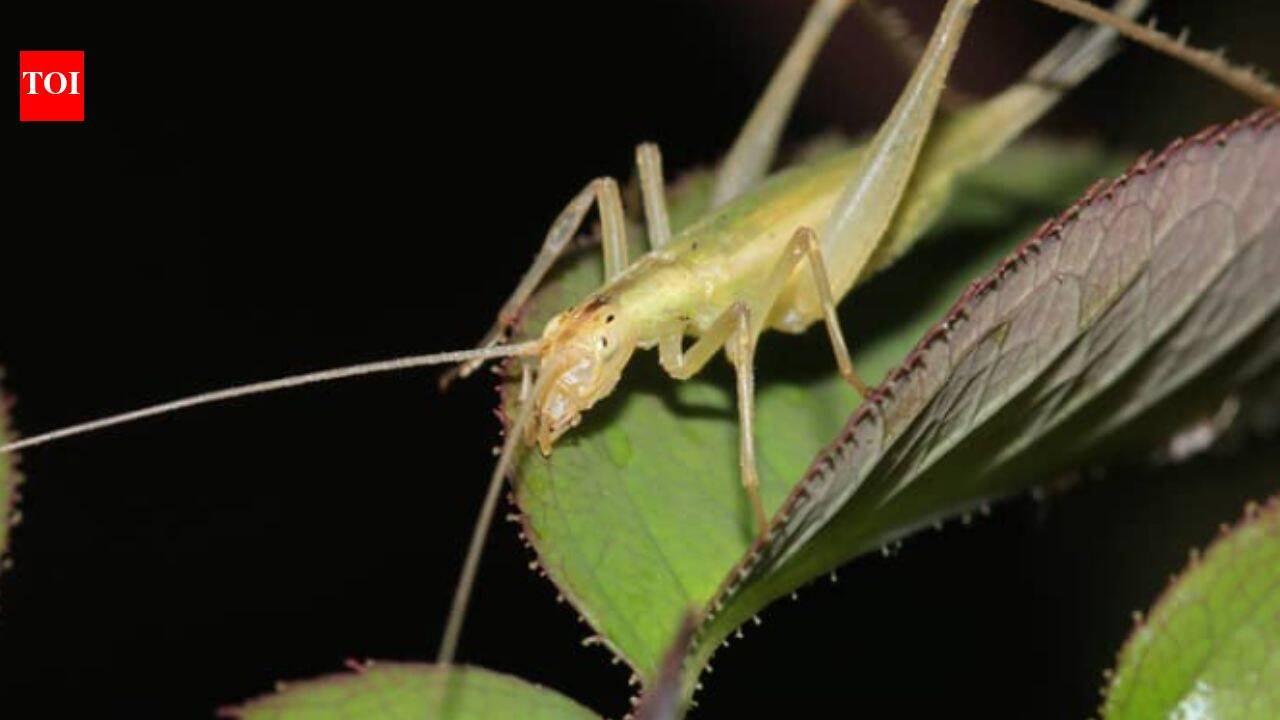
Scientists used fossil wings, lasers and AI to recreate the calls of insects from 165 million years ago; some Jurassic species were already communicating above human hearing

The research focused on nine extinct insect species related to modern crickets and katydids. For 165 million years, the sounds made by insects living alongside dinosaurs were lost to time. Scientists have now recreated some of those calls using fossilised wings, studies of living insects, computer modelling and artificial intelligence.According to Smithsonian Magazine, the research … Read more
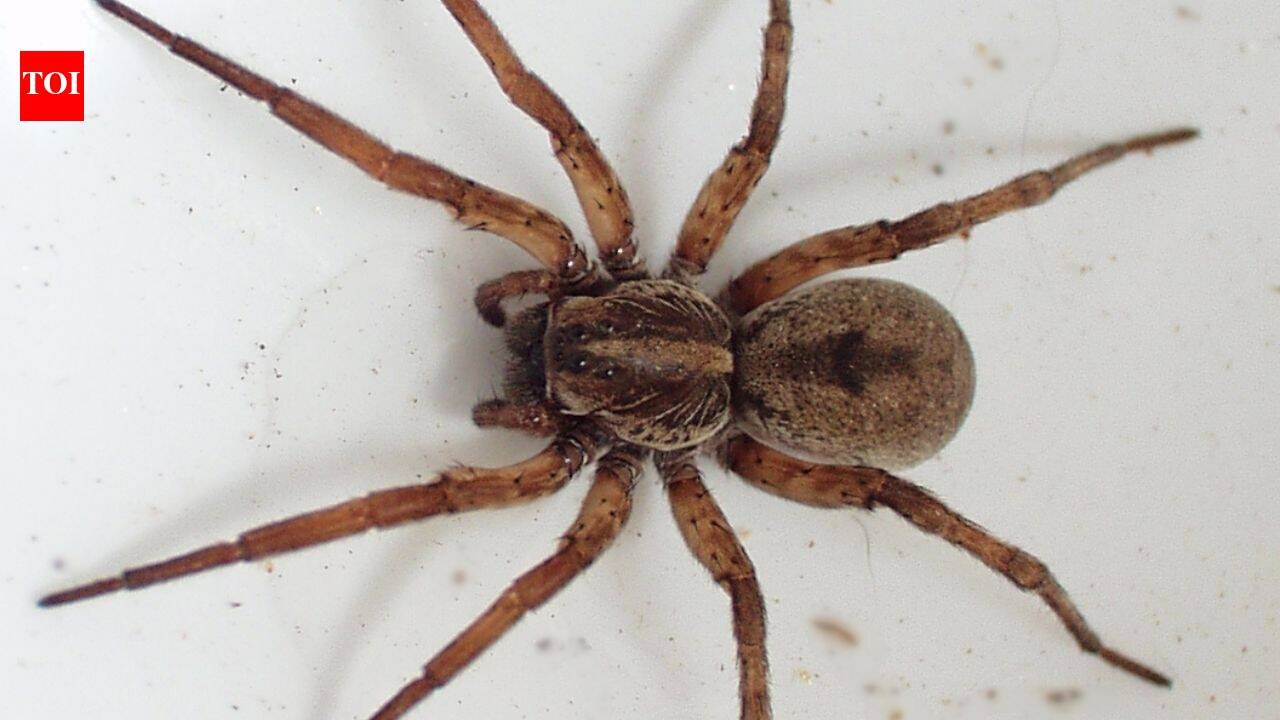
Scientists tested spiders as living DNA traps; their stomach contents can reveal which insects and other animals are living around them

Scientists tested spiders as living DNA traps; their stomach contents can reveal which insects and other animals are living around them

Wolf spider on white background. Image Credit: Philip N. Cohen/Wikipedia A study published in ‘Experimental and Applied Entomology’ has explored how spiders could tell what animals are living around them by examining traces of prey DNA left inside their bodies. The research tested how ‘reliable prey DNA’ could be found in wolf spiders after feeding … Read more

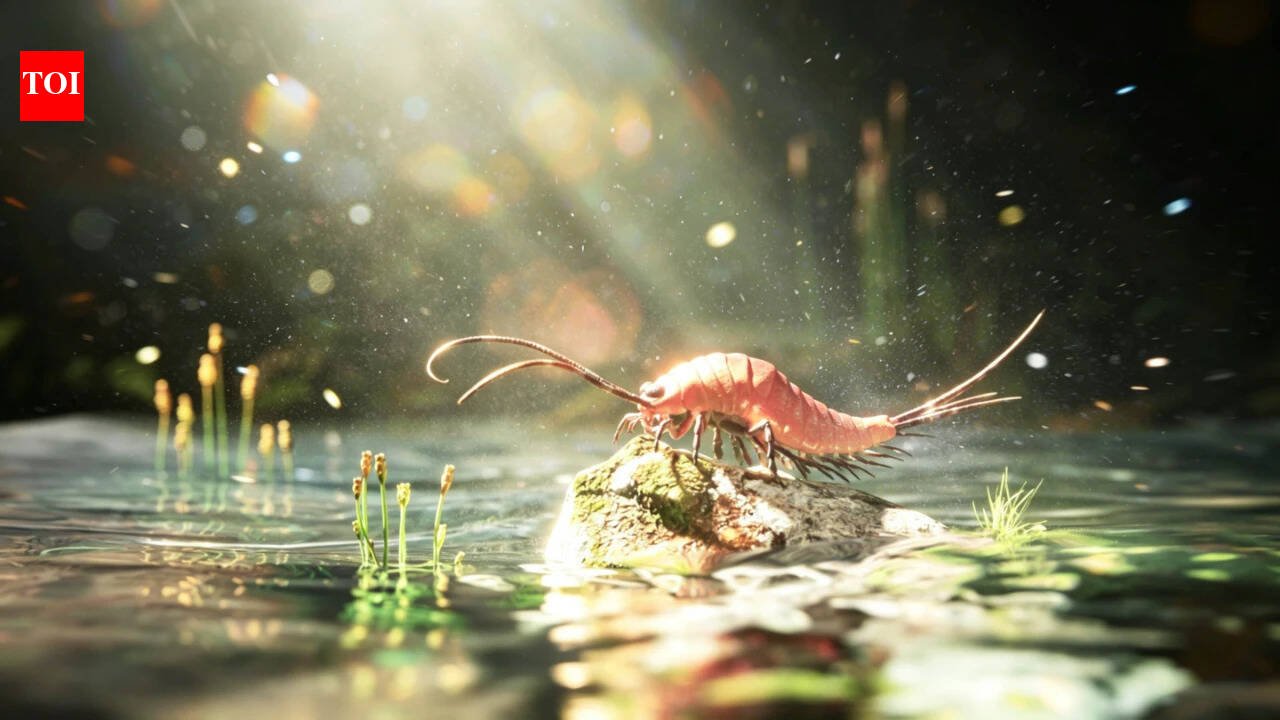
A 324-million-year-old fossil from Texas preserves an early insect with 24 legs and paddle-like limbs on its abdomen, suggesting insects did not leave water for land in one sudden evolutionary jump

A 324-million-year-old fossil from Texas preserves an early insect with 24 legs and paddle-like limbs on its abdomen, suggesting insects did not leave water for land in one sudden evolutionary jump

Palaeoecological reconstruction of the Carboniferous stem-insect Chosha praecursor. (Image by NIGPAS) An international research team has identified a remarkable insect fossil from western Texas that could represent a crucial missing link in the story of insect evolution. The fossil, from the Late Mississippian period approximately 324 million years ago, belongs to a stem group of … Read more

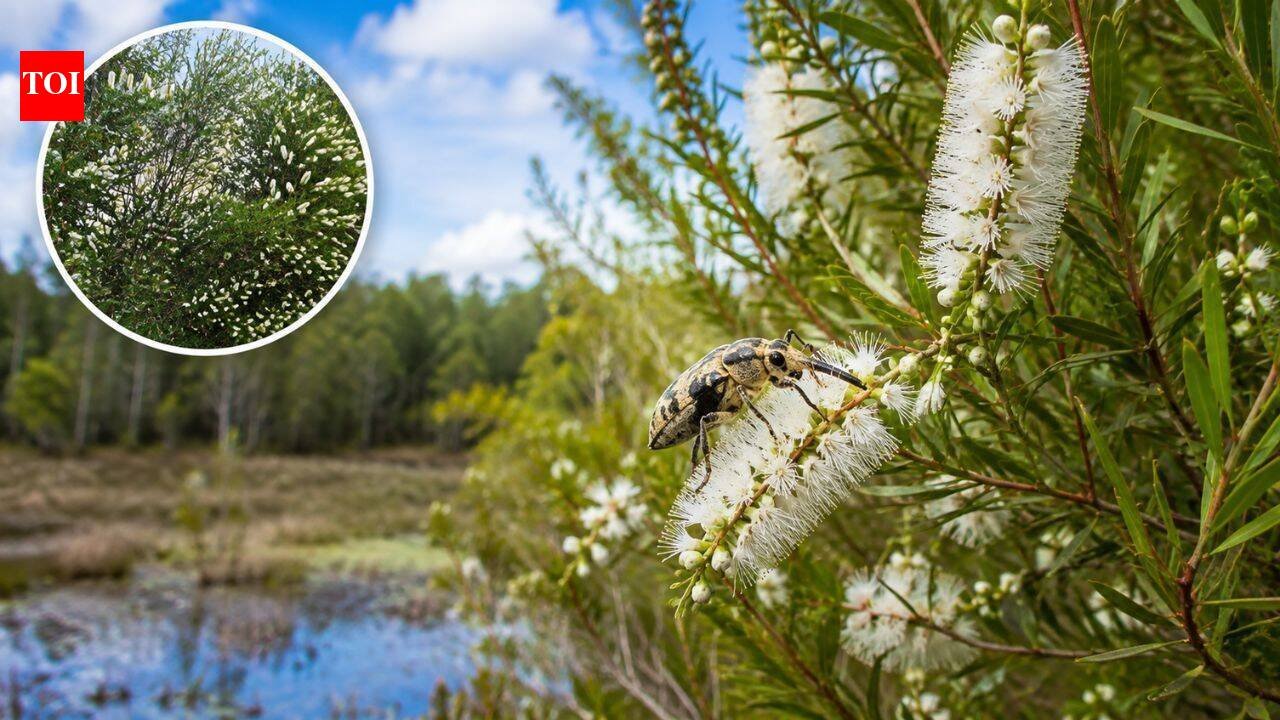
In 1997, Florida released Australian insects to fight an invasive tree. Nearly three decades later, its invaded range has fallen by about 75%

In 1997, Florida released Australian insects to fight an invasive tree. Nearly three decades later, its invaded range has fallen by about 75%

For decades, a tree from Australia spread across South Florida’s wetlands with little to hold it back. Melaleuca quinquenervia, often called paperbark, had been introduced to Florida for practical reasons, including landscaping and efforts to alter wet ground. It eventually escaped those uses and established dense stands across parts of the Everglades and surrounding wetlands. … Read more