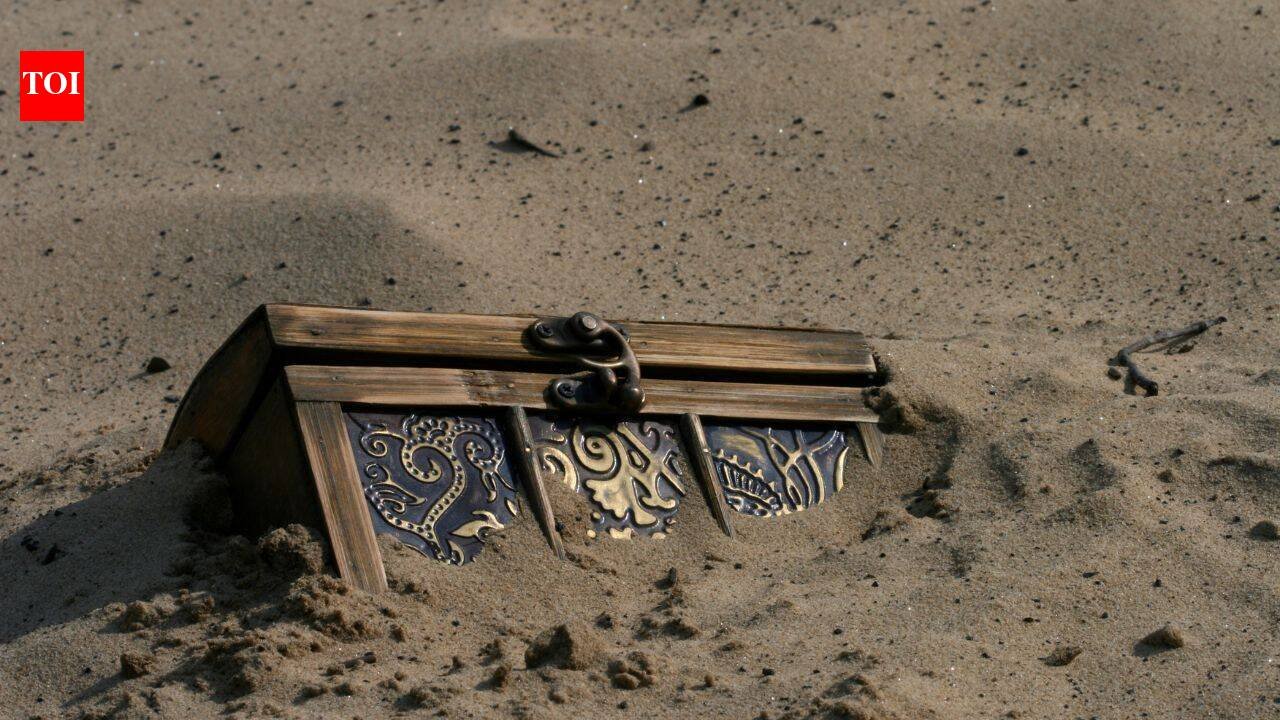
In 1983, Atari buried its games in a New Mexico dump; in 2014, over 1,300 were dug up and one sold for more than $1,500
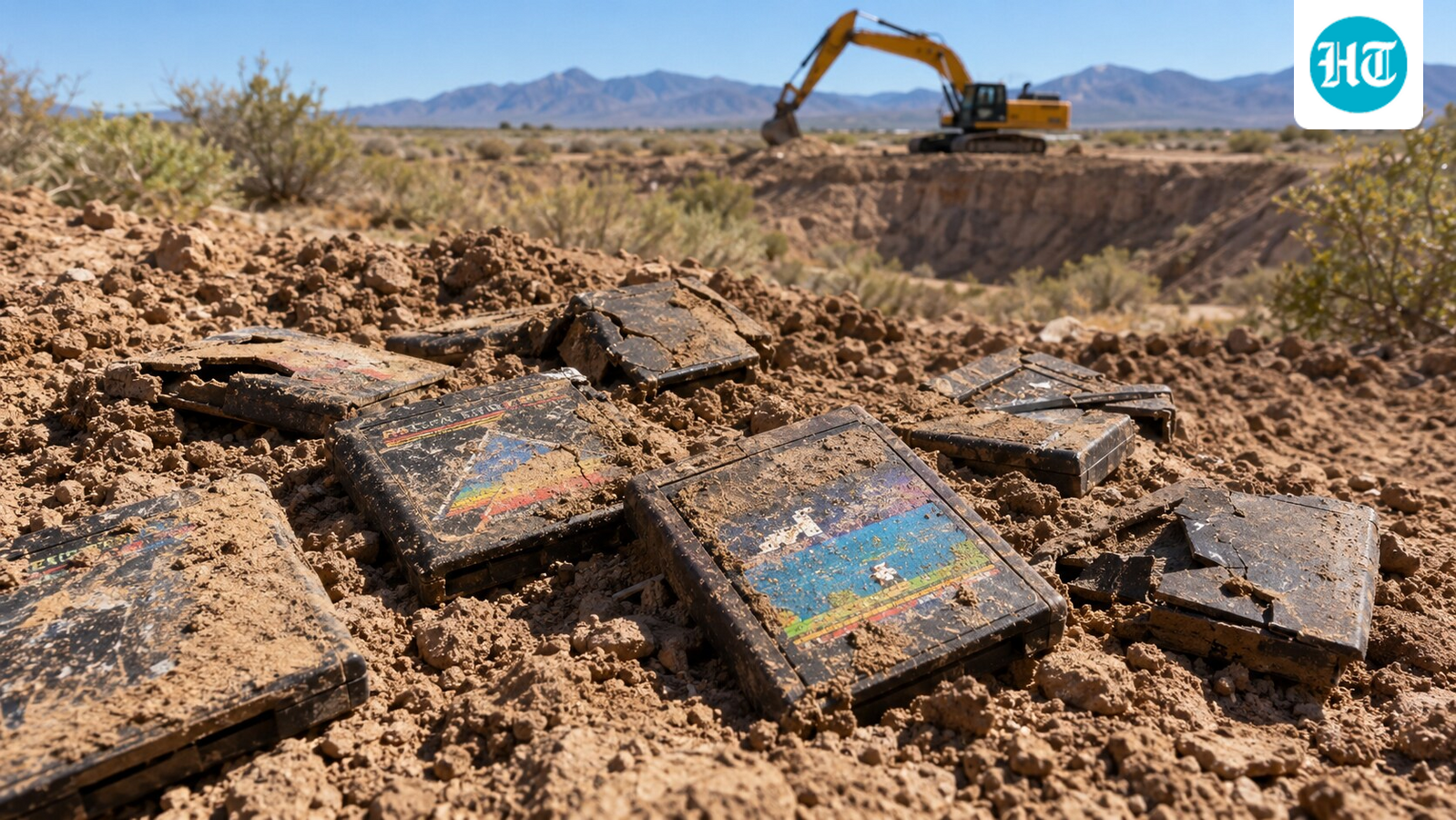
Atari's burial of unsold cartridges in 1983 led to a 2014 excavation revealing over 1,300 games. (AI-generated/ChatGPT)

In 1983, a video game giant trucked its surplus games to a desert landfill and left them there. Decades later, that dump turned into an archaeological site. According to Andrew Reinhard’s 2015 study in the Journal of Contemporary Archaeologythe 2014 dig in Alamogordo, New Mexico, was the first archaeological excavation of a collection of video … Read more
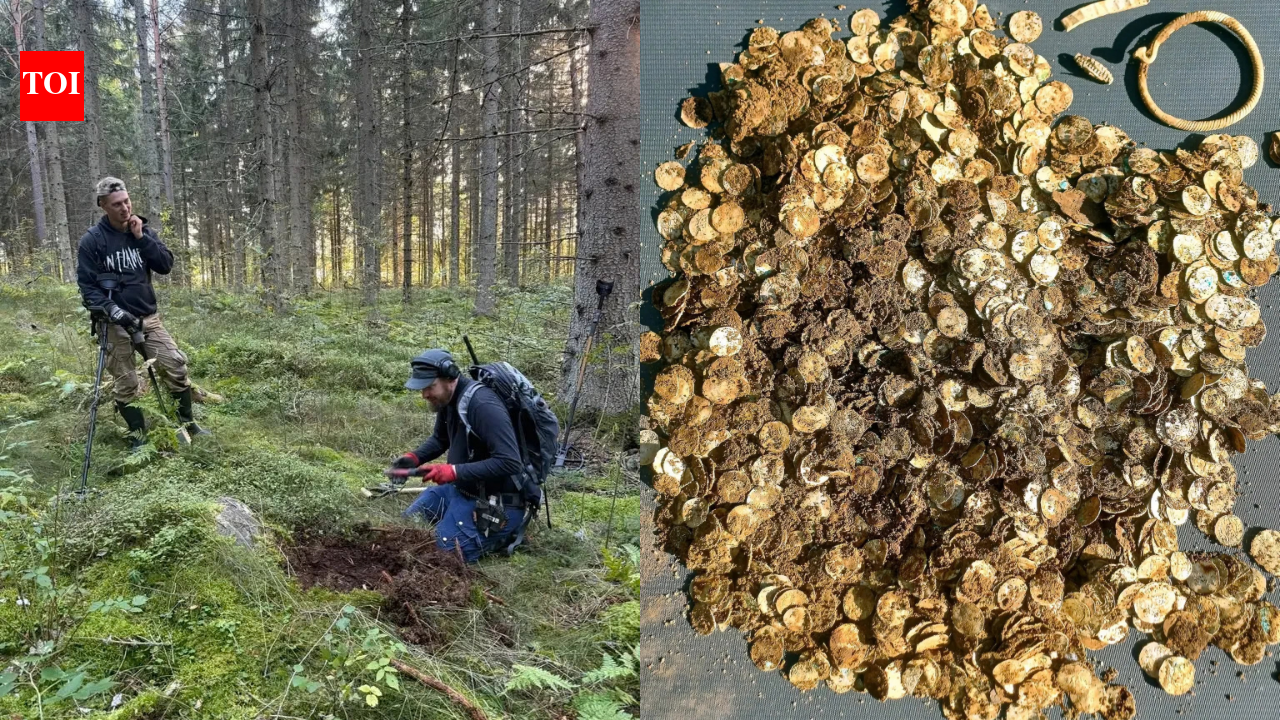
A man using a metal detector near a Finnish village finds more than 4,000 Viking Age silver coins in two birch-bark containers buried 39 feet apart

A man using a metal detector near a Finnish village finds more than 4,000 Viking Age silver coins in two birch-bark containers buried 39 feet apart

Image: Esko Tikkala/Lahti Museums A Finnish metal detectorist has uncovered what is believed to be the country’s largest known Viking Age silver coin hoard after finding thousands of ancient coins near the village centre of Sysmä. Kalle Lappinen discovered the hoard on September 3, 2026, and reported the find to authorities, allowing archaeologists from Lahti … Read more

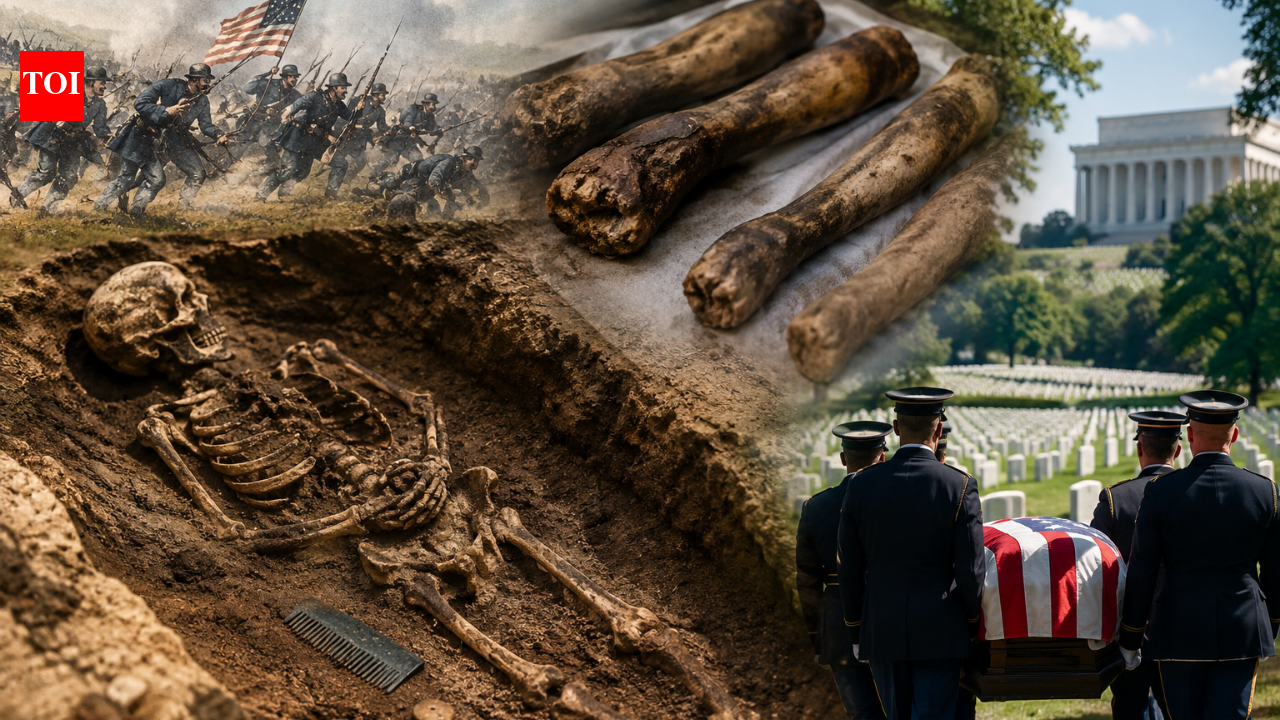
A Union soldier aged just 16 to 19 was buried after the 1862 Battle of Manassas; 162 years later archaeologists found him beside four amputated limbs, and he is now set to be buried at Arlington

A Union soldier aged just 16 to 19 was buried after the 1862 Battle of Manassas; 162 years later archaeologists found him beside four amputated limbs, and he is now set to be buried at Arlington

Representative Image (AI-generated) More than 160 years after the Second Battle of Manassas, the remains of a young Union soldier are set to receive a final resting place at Arlington National Cemetery. According to the National Park Service, archaeologists uncovered the nearly complete burial of the soldier during excavations at Manassas National Battlefield Park in … Read more

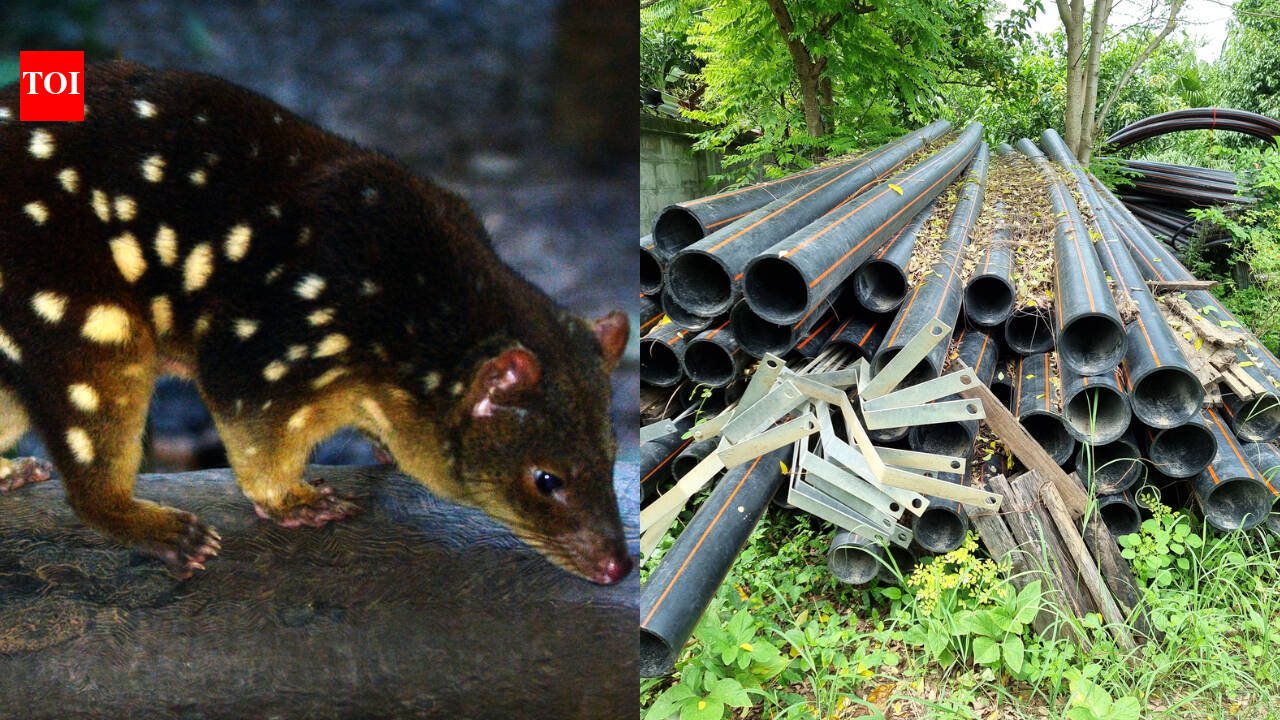
Australian researchers buried discarded plastic pipes inside mine waste-rock piles; cameras showed northern quolls entering and leaving the artificial dens, with conditions similar to natural shelters

Australian researchers buried discarded plastic pipes inside mine waste-rock piles; cameras showed northern quolls entering and leaving the artificial dens, with conditions similar to natural shelters

The researchers looked at whether high-density polyethylene (HDPE) pipes could be used in waste-rock piles to create inexpensive artificial dens. What appears to be industrial waste could provide a small refuge for one of Australia’s most threatened marsupials. Researchers have begun converting discarded plastic piping into artificial dens at former mining sites in north-western Australia … Read more

In 1976, a Vermont town buried a time capsule that included a joint, a garter belt and birth-control packaging; 50 years later, it opened it and plans a new one for 2076

In 1976, a Vermont town buried a time capsule that included a joint, a garter belt and birth-control packaging; 50 years later, it opened it and plans a new one for 2076

In 1976, as the United States celebrated its bicentennial, residents of Warren, Vermont, decided to leave a message for the future. They filled a time capsule with objects that reflected everyday life, local humour and the era’s changing culture, then buried it beneath the town. Among the contents were a joint, a garter belt and … Read more

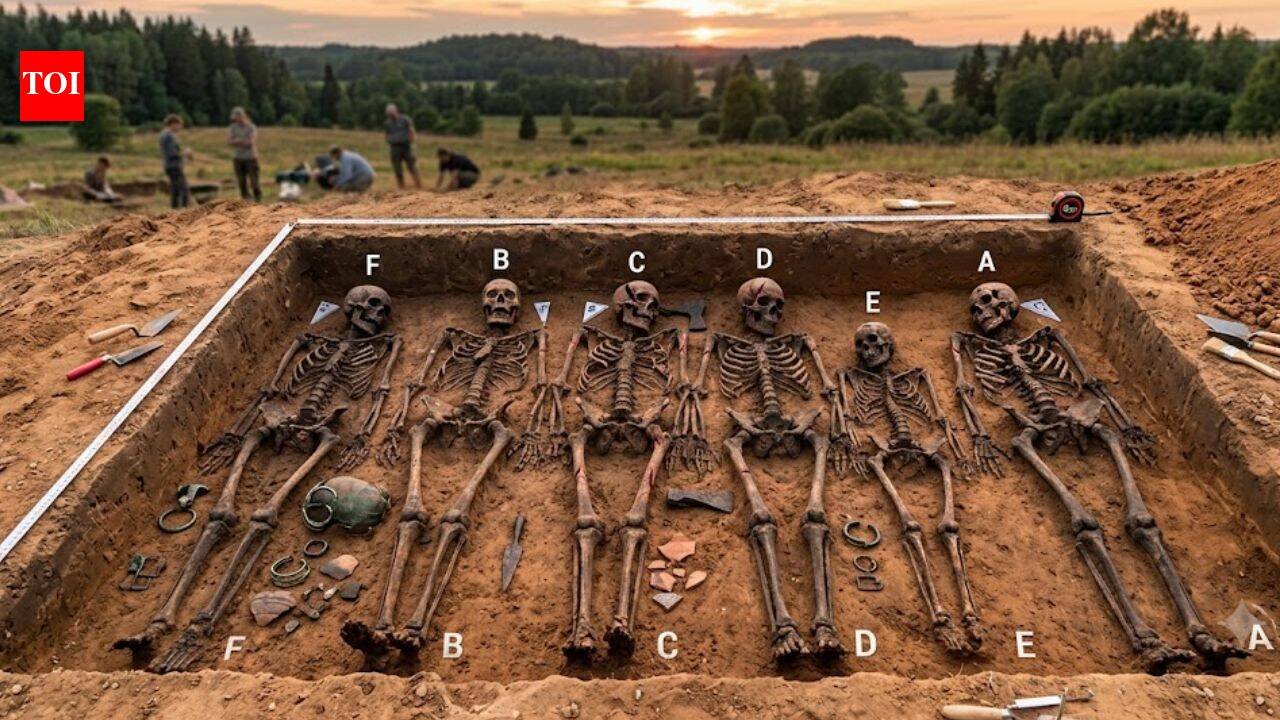
Six people buried in a rare Viking Age grave in Latvia show signs of violence and family ties, with DNA pointing to local Baltic ancestry

Six people buried in a rare Viking Age grave in Latvia show signs of violence and family ties, with DNA pointing to local Baltic ancestry

A rare ninth-century grave in Latvia has revealed clues about violence, family ties and life during the Viking Age. Six people were buried at the Čunkāni-Dreņģeri cemetery in the Zemgale region, an unusual arrangement for a Semigallian burial ground where people were generally laid to rest alone. Sharp-force injuries found on the remains of three … Read more

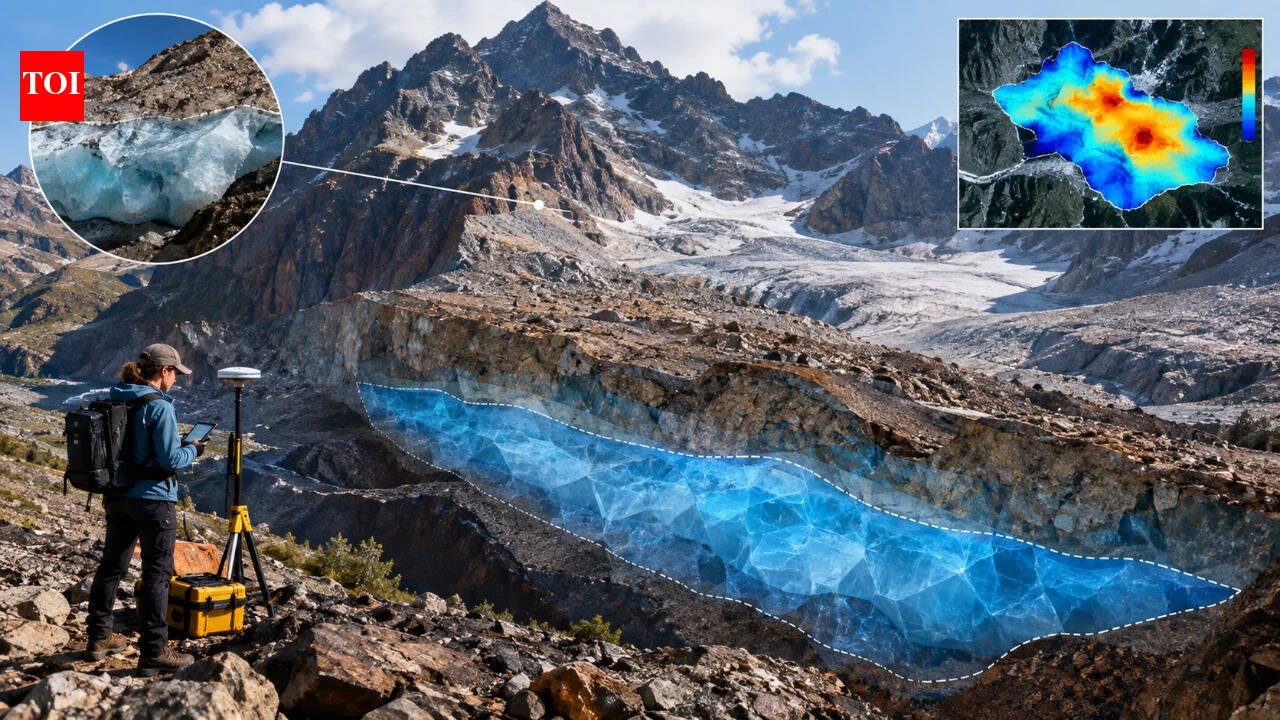
Scientists discover nearly 1 billion tons of water locked inside Utah’s rocky glaciers, using gravity measurements to map ice buried beneath mountain debris

Scientists discover nearly 1 billion tons of water locked inside Utah's rocky glaciers, using gravity measurements to map ice buried beneath mountain debris

At first glance, Utah’s rocky mountain slopes may look completely dry, with loose stones and boulders covering the ground. But beneath some of those rocks lies an enormous store of frozen water. Researchers have now estimated that Utah’s rock glaciers contain about 0.99 gigatonnes, or nearly 1 billion tons, of water equivalent. These unusual formations … Read more

A Michigan scientist buried seeds in 20 glass bottles in 1879; 142 years later, some still grew, and the experiment is set to run until 2100

A Michigan scientist buried seeds in 20 glass bottles in 1879; 142 years later, some still grew, and the experiment is set to run until 2100

Michigan State University botanist William James Beal buried 20 glass bottles filled with seeds In 1879, Michigan State University botanist William James Beal buried 20 glass bottles filled with seeds and sand in an effort to answer a deceptively simple question: how long could seeds remain dormant in the soil and still grow when conditions … Read more

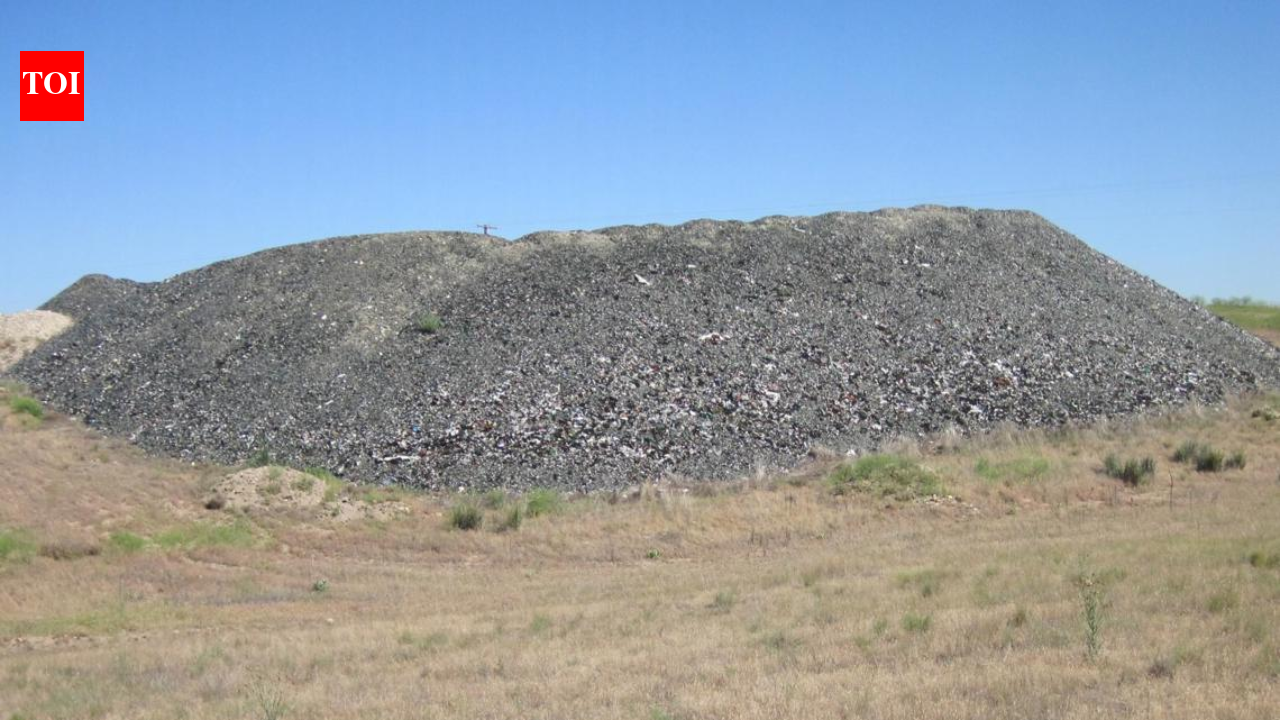
In 2002, Idaho buried nearly 300 tons of crushed waste glass beneath Highway 75; the material formed 8 to 12 inches of fill under a 200-foot road section

In 2002, Idaho buried nearly 300 tons of crushed waste glass beneath Highway 75; the material formed 8 to 12 inches of fill under a 200-foot road section

Idaho buried nearly 300 tons of crushed waste glass beneath Highway 75 Transport authorities in Idaho turned nearly 300 tonnes of discarded glass into road foundation material under Highway 75, creating a durable structural base while solving a local landfill crisis. The engineering trial, executed along a 200-foot stretch of highway near Ketchum, placed an … Read more

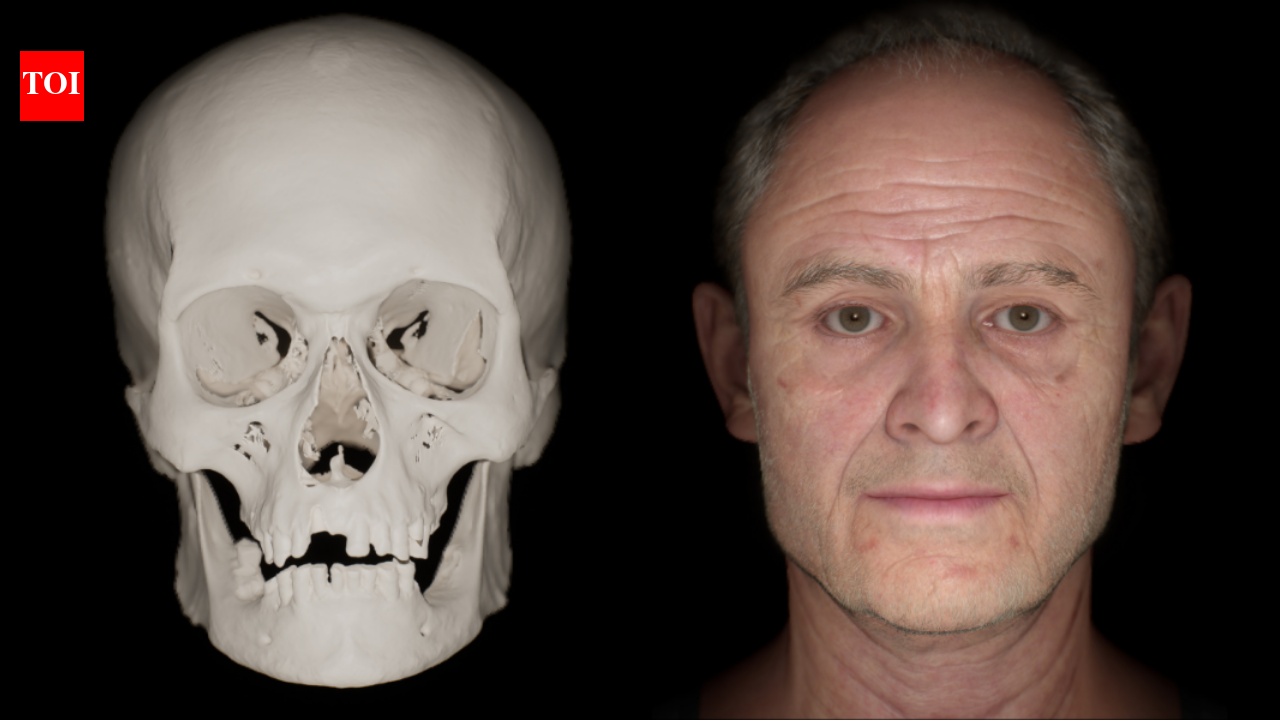
Scientists reconstructed the face of ‘Conquest Man’, a 1,000-year-old skeleton buried just 13 years after the Norman Conquest

Scientists reconstructed the face of ‘Conquest Man’, a 1,000-year-old skeleton buried just 13 years after the Norman Conquest

Facial Construction by Face Lab, Liverpool John Moores University (Image: ) More than 1,000 years after his death, a man who lived through the upheaval of the Norman Conquest has been given a face. Known as “Conquest Man”, he was buried at St Peter’s Church in Barton-upon-Humber, Lincolnshire, around 1079, just 13 years after William … Read more