Archaeologists found 500 Iron Age iron bars in Austria’s Danube, revealing a 1-tonne cargo transported 2,000 years ago
Archaeologists found 500 Iron Age iron bars in Austria’s Danube, revealing a 1-tonne cargo transported 2,000 years ago

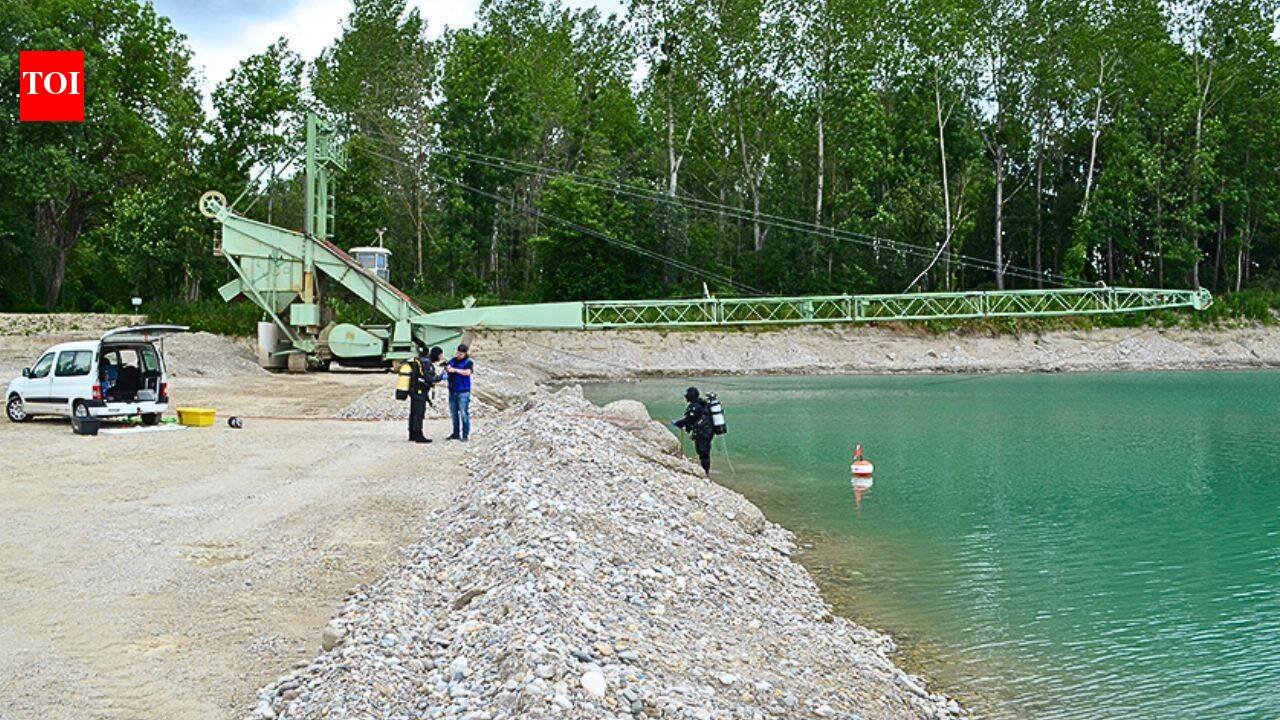
PC: Cambridge University Press Archaeologists have identified at least 500 forged iron bars recovered from the Danube in Upper Austria as the largest known assemblage of Iron Age iron in Europe. The discovery was made in 2019 during gravel extraction at Deinham, when workers found double-pointed iron objects in material taken from beneath the river’s … Read more

In 2019, a Connecticut home renovation uncovered human remains beneath a basement; seven years later, archaeologists found early ‘USA’ buttons and evidence reshaping the 1777 Battle of Ridgefield

In 2019, a Connecticut home renovation uncovered human remains beneath a basement; seven years later, archaeologists found early 'USA' buttons and evidence reshaping the 1777 Battle of Ridgefield

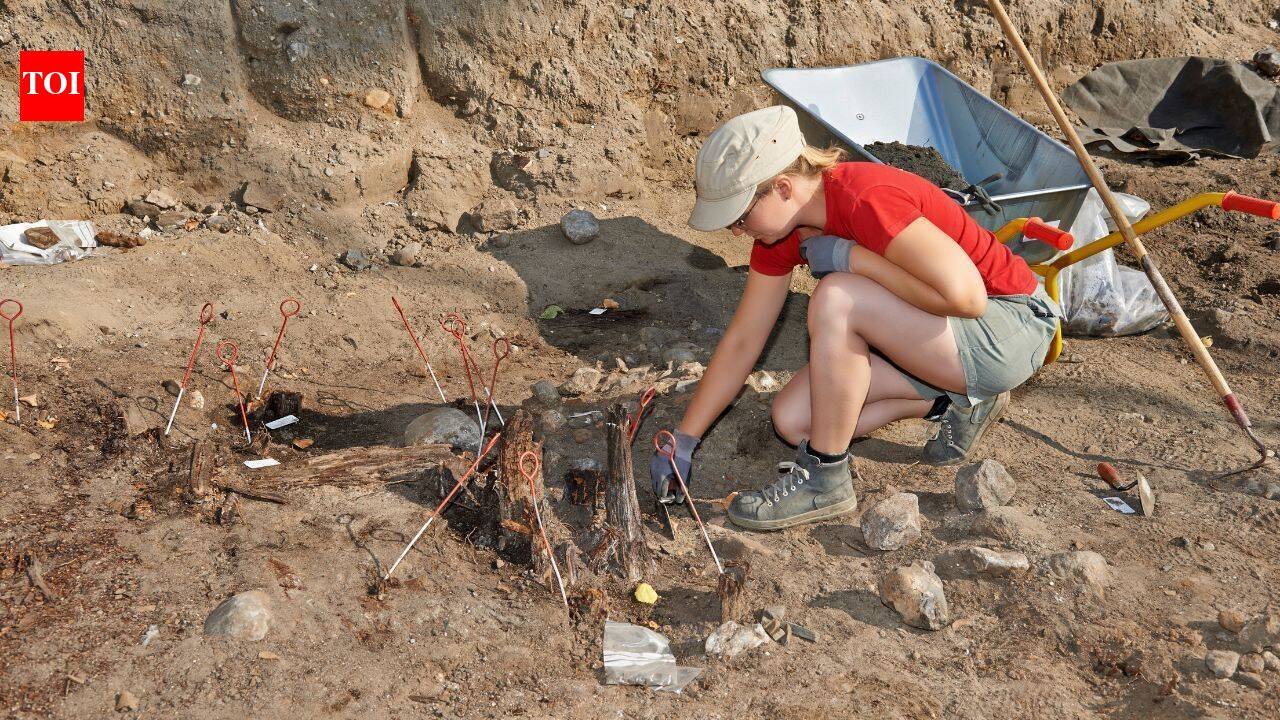
An accidental discovery beneath the floorboards of a Connecticut home during a basement renovation has led to important new findings about the American Revolutionary War. In late 2019, contractors working on a 1790 house on Main Street in Ridgefield found human skeletal remains buried in a shallow communal grave. Later investigations by the Connecticut Office … Read more

In 1995, strange marks appeared in a photograph of an English estate; 31 years later, archaeologists say they may have uncovered the foundations of a lost 18th-century building

In 1995, strange marks appeared in a photograph of an English estate; 31 years later, archaeologists say they may have uncovered the foundations of a lost 18th-century building

Representative image from Canva In the summer of 1995, an unusual photograph of Temple Newsam, a historic estate in Leeds, England, captured strange marks across the grass. To Mike Turpin and other local archaeology enthusiasts, the patterns looked like they could reveal foundations hidden beneath the lawn. More than three decades later, their suspicion has … Read more

Around 1200 BC, an inscription named the ancient Egyptian city of Mesen; 3,200 years later it may have helped archaeologists locate the lost city

Around 1200 BC, an inscription named the ancient Egyptian city of Mesen; 3,200 years later it may have helped archaeologists locate the lost city

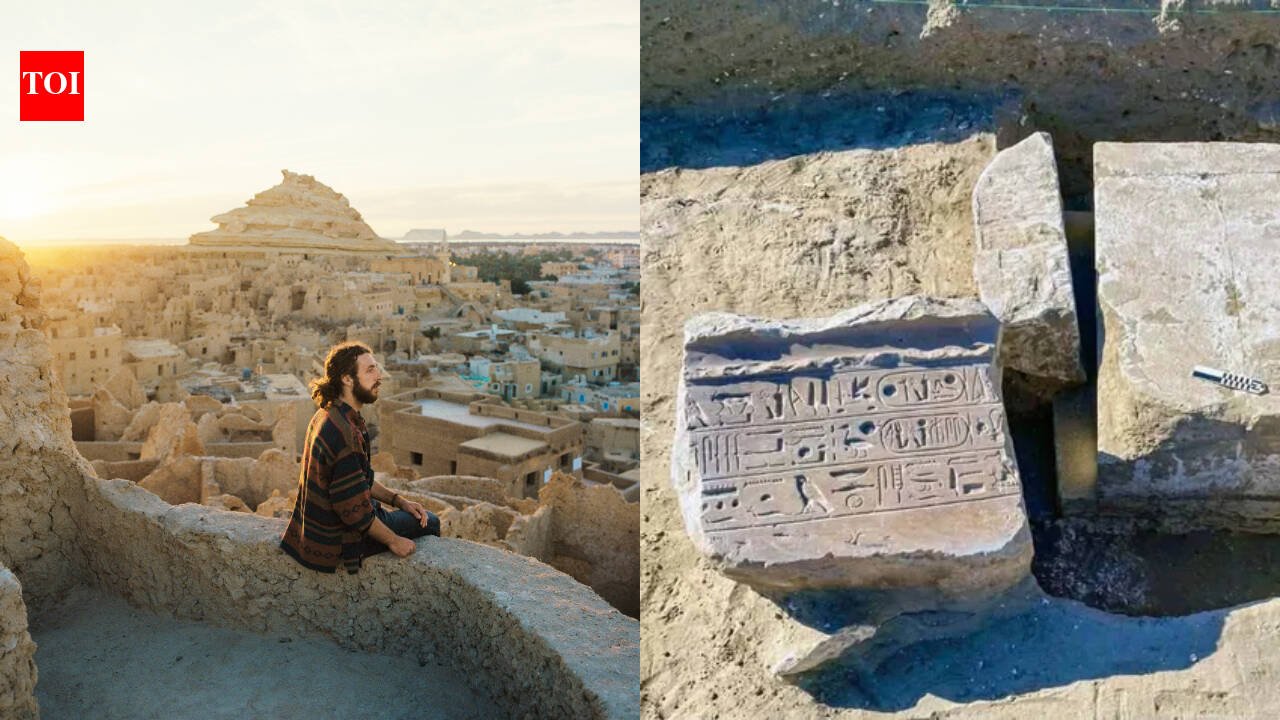
A view of the inscriptions and city view of Mesen For more than three millennia, the name Mesen survived in ancient records without a confirmed place on the map. Now, a battered stone inscription found in Egypt’s northern Sinai may have given archaeologists their strongest clue yet to the city’s whereabouts, states an online report … Read more

A man climbed inside a giant Roman storage jar around 1,600 years ago and never came out; archaeologists think they know what he was hiding from

A man climbed inside a giant Roman storage jar around 1,600 years ago and never came out; archaeologists think they know what he was hiding from

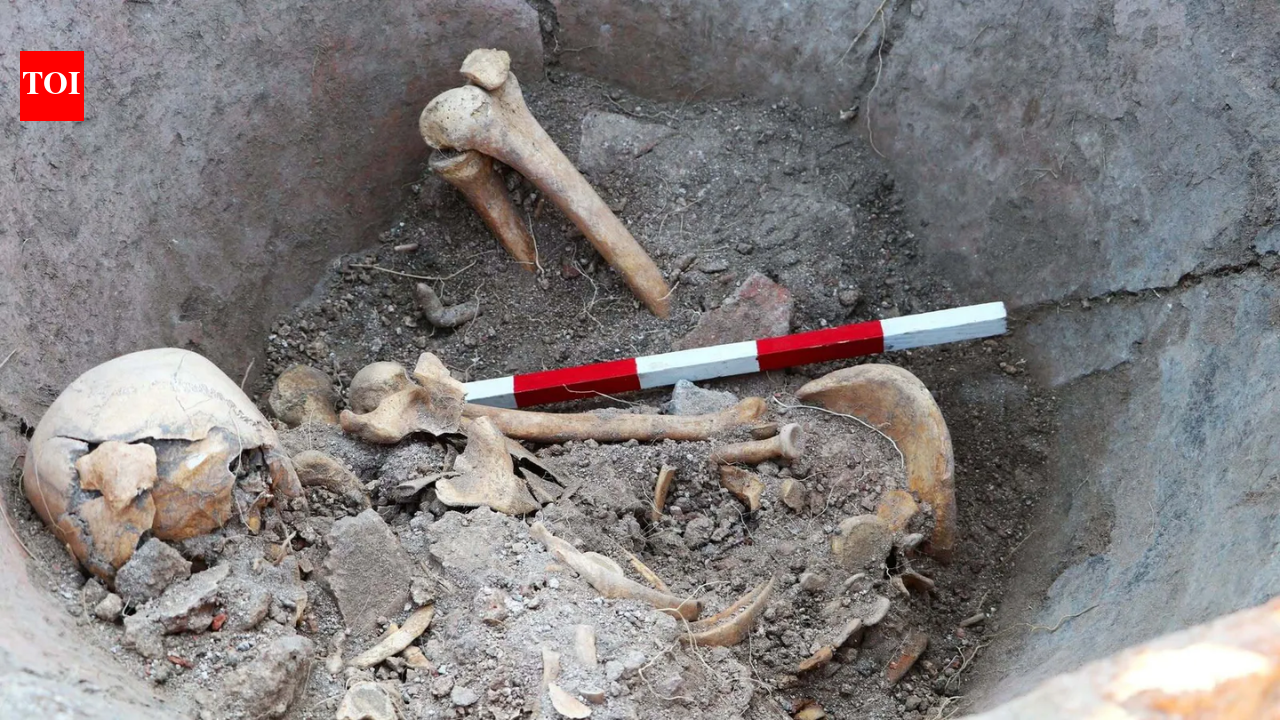
More than 1,600 years ago, as fire engulfed a Roman settlement in what is now Bulgaria, a young man appears to have made a desperate decision: he climbed inside a huge storage jar and hid. He never came out. Archaeologists uncovered his remains inside the vessel during excavations at the ancient Roman colony of Deultum … Read more

Around AD 310, a Roman emperor had a private bath built with three pools, heated floors and a sauna; archaeologists have now uncovered its unusual design

Around AD 310, a Roman emperor had a private bath built with three pools, heated floors and a sauna; archaeologists have now uncovered its unusual design

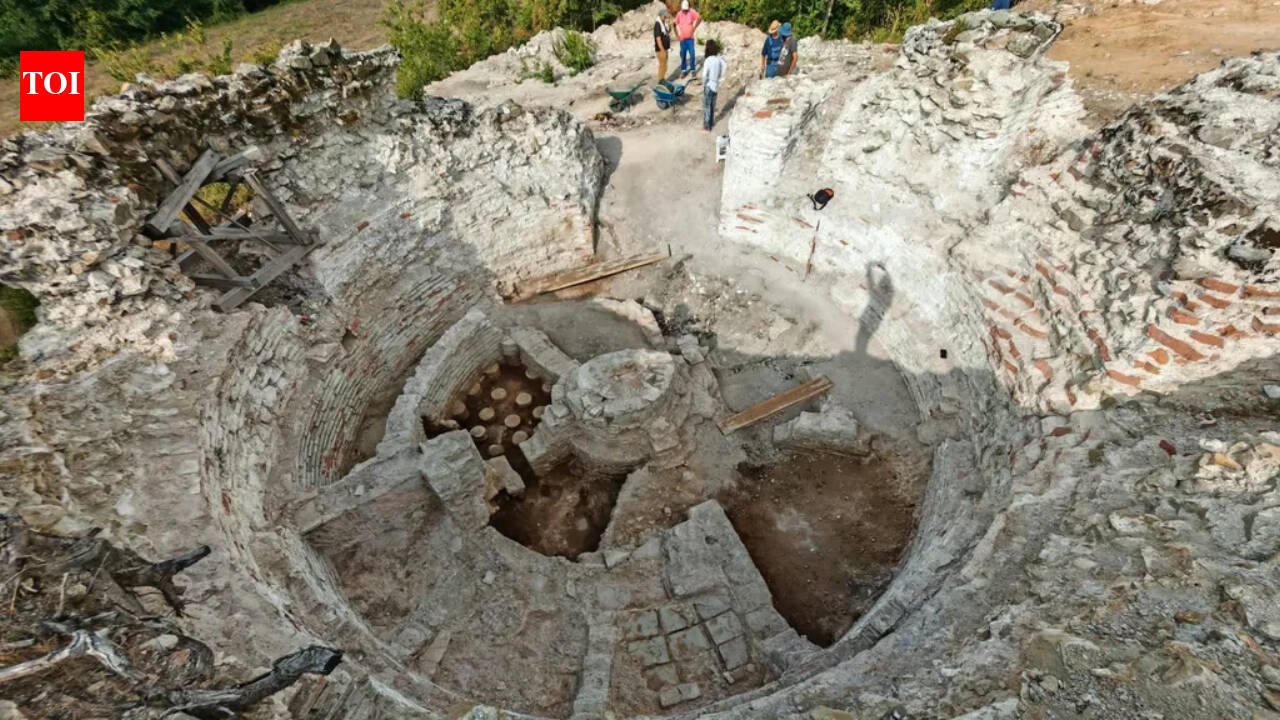
The bath was incorporated directly into the emperor’s palace, with its heating system, bathing areas and sophisticated architecture working together within a relatively compact space. Nearly 1,700 years ago, an emperor could retreat from the demands of the Roman court without leaving his palace. Beneath a monumental tower in what is now eastern Serbia, he … Read more

A Union soldier aged just 16 to 19 was buried after the 1862 Battle of Manassas; 162 years later archaeologists found him beside four amputated limbs, and he is now set to be buried at Arlington

A Union soldier aged just 16 to 19 was buried after the 1862 Battle of Manassas; 162 years later archaeologists found him beside four amputated limbs, and he is now set to be buried at Arlington

Representative Image (AI-generated) More than 160 years after the Second Battle of Manassas, the remains of a young Union soldier are set to receive a final resting place at Arlington National Cemetery. According to the National Park Service, archaeologists uncovered the nearly complete burial of the soldier during excavations at Manassas National Battlefield Park in … Read more

Mystery Iron Age fort in Shropshire excavated after 40 years as archaeologists investigate its strange wetlands, huge earthworks and unexplained causeways

Mystery Iron Age fort in Shropshire excavated after 40 years as archaeologists investigate its strange wetlands, huge earthworks and unexplained causeways

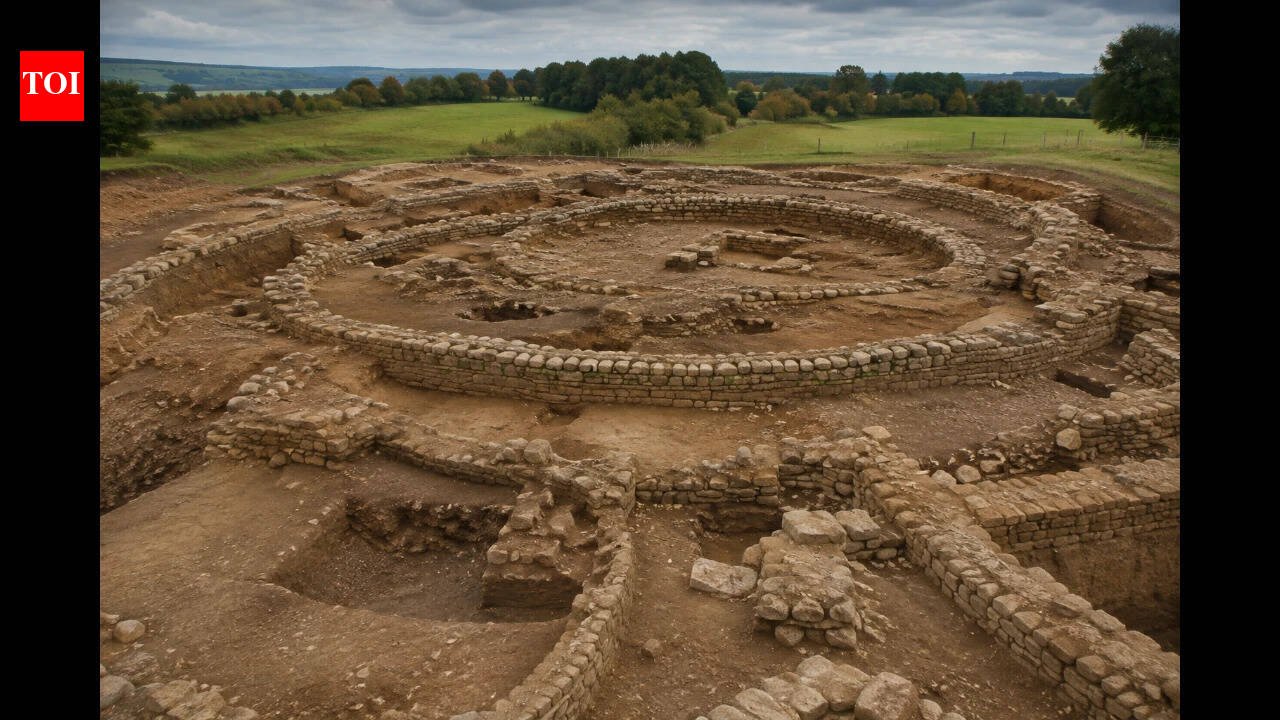
An unusual Iron Age fort hidden in the former wetlands of Shropshire is being excavated again after almost four decades, giving archaeologists a rare opportunity to investigate one of Britain’s most enigmatic lowland forts. Wall Camp, near Kynnersley and Telford, has been selected as the new home of the University of Birmingham’s Archaeology Field School … Read more

1,500-year-old child burial unearthed in Peru with whistles, a rattle and a striking sculptural vessel, archaeologists uncover clues to an ancient civilisation’s rituals

1,500-year-old child burial unearthed in Peru with whistles, a rattle and a striking sculptural vessel, archaeologists uncover clues to an ancient civilisation’s rituals

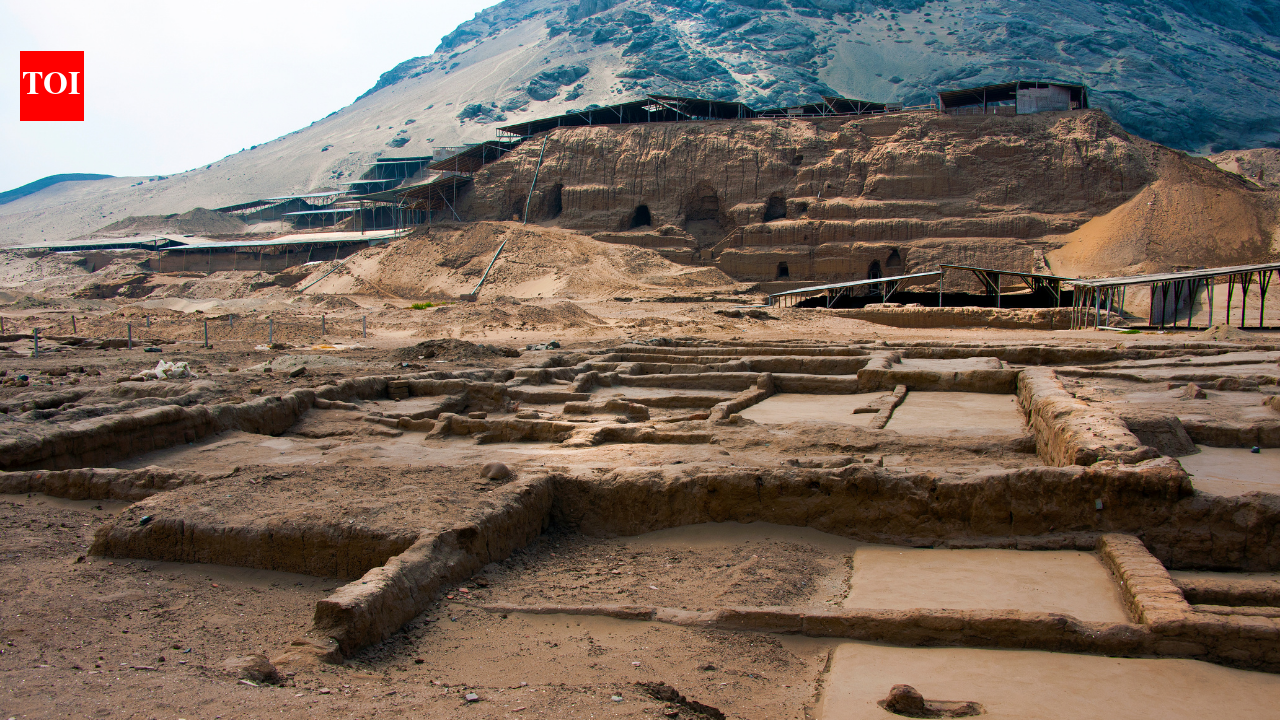
Huacas de Moche (Image Credit: Canva) Archaeologists working at the Huacas de Moche Archaeological Complex in northern Peru have uncovered the burial of an infant estimated to be about 1,500 years old. The child, approximately 1.5 years old, was buried with a funerary assemblage that included two whistles, a rattle and a sculptural vessel. Researchers … Read more

Archaeologists found a 7,000-year-old pit packed with beaver bones; it reveals how Europe’s first farmers used animal fur

Archaeologists found a 7,000-year-old pit packed with beaver bones; it reveals how Europe's first farmers used animal fur

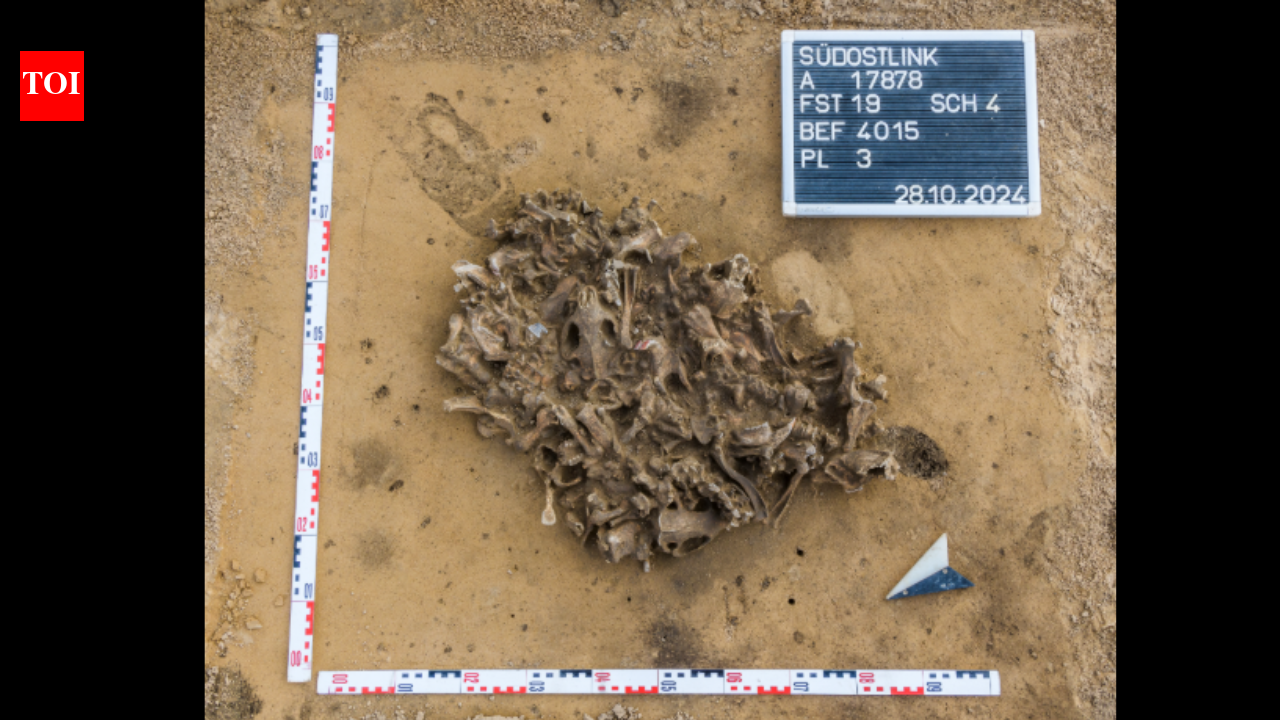
PC :State Office for Heritage Management and Archaeology Saxony-Anhalt Archaeologists in Germany have uncovered a Stone Age pit near Alsleben, Saxony-Anhalt, containing the bones of at least twelve beavers, offering an unusually vivid window into how Europe’s earliest farmers exploited animal fur. The roughly 7,000-year-old feature was first unearthed in 2024 during surveys ahead of … Read more