
Meet Rajarshi Mandal, the 16-year-old Lexington student whose malaria model showed the same mosquito-net supply could prevent twice as many infections; he won $50,000

Meet Rajarshi Mandal, the 16-year-old Lexington student whose malaria model showed the same mosquito-net supply could prevent twice as many infections; he won $50,000

For Mandal, the idea began with footage showing fishermen using donated mosquito nets as fishing material because the mesh was available when conventional fishing equipment was not. At 16, Rajarshi Mandal is already tackling a problem that has challenged public-health systems for decades: how to make limited malaria-prevention resources go further. The Lexington High School … Read more
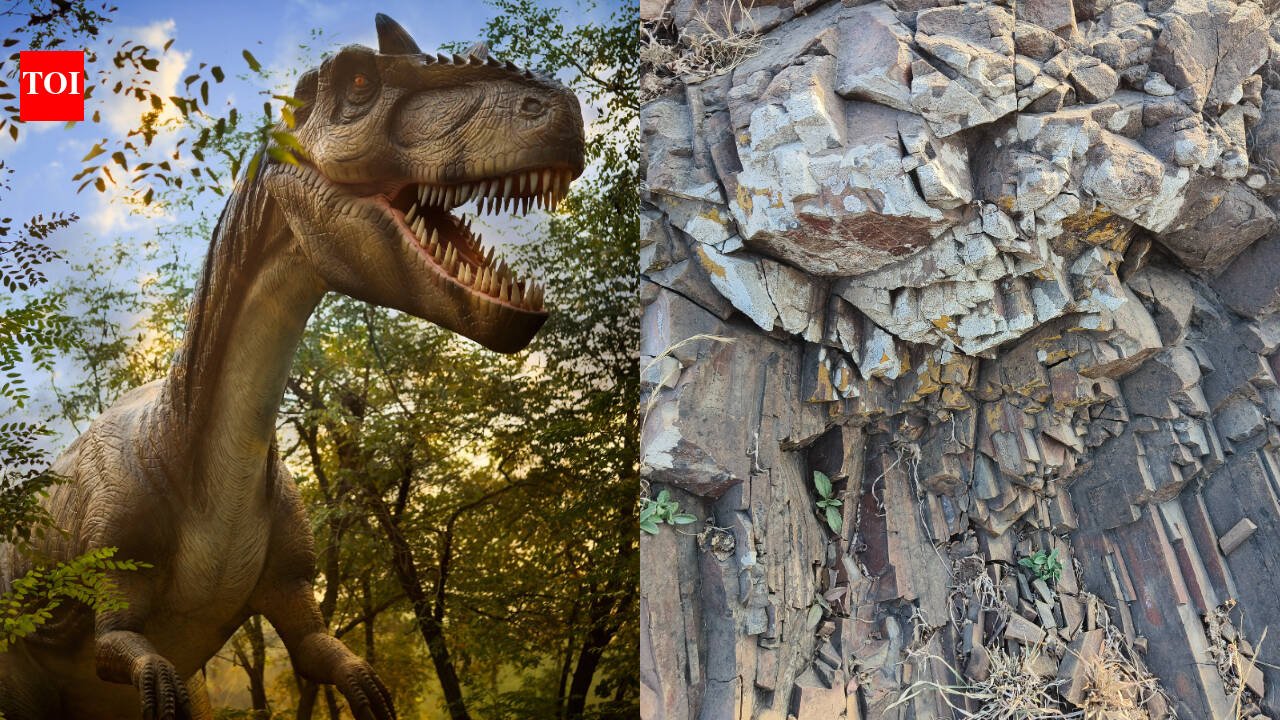
In 2016, a Montana researcher picked up a rock half the size of a golf ball; 10 years later, scans showed dinosaur dung holding the finest feather yet found from the age of dinosaurs

In 2016, a Montana researcher picked up a rock half the size of a golf ball; 10 years later, scans showed dinosaur dung holding the finest feather yet found from the age of dinosaurs

David DeMar Jr., a researcher with the University of Washington’s Burke Museum, discovered the unusual nodule while conducting fieldwork in northeastern Montana’s Hell Creek Formation. Sometimes, the most extraordinary discoveries are hiding in things that look utterly ordinary. In 2016, a researcher working in Montana spotted a small, reddish-brown rock while searching for fossils. It … Read more

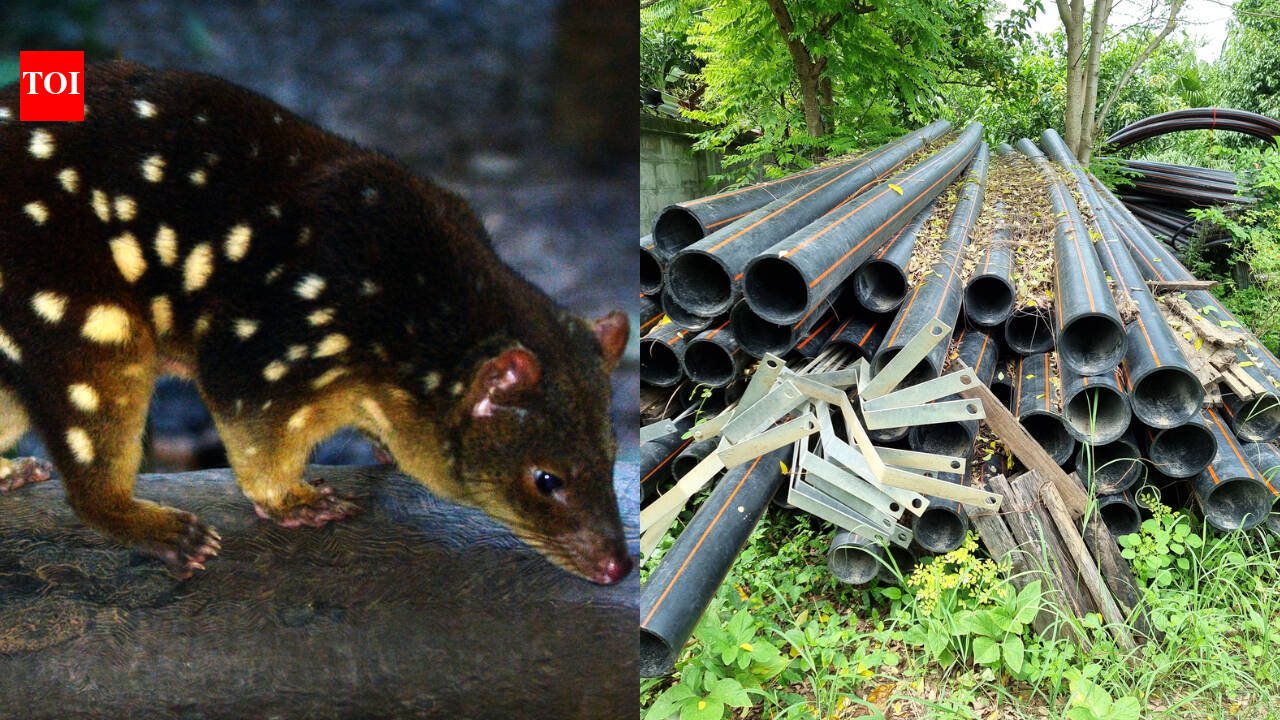
Australian researchers buried discarded plastic pipes inside mine waste-rock piles; cameras showed northern quolls entering and leaving the artificial dens, with conditions similar to natural shelters

Australian researchers buried discarded plastic pipes inside mine waste-rock piles; cameras showed northern quolls entering and leaving the artificial dens, with conditions similar to natural shelters

The researchers looked at whether high-density polyethylene (HDPE) pipes could be used in waste-rock piles to create inexpensive artificial dens. What appears to be industrial waste could provide a small refuge for one of Australia’s most threatened marsupials. Researchers have begun converting discarded plastic piping into artificial dens at former mining sites in north-western Australia … Read more

All known life uses 4 DNA letters; UC San Diego showed an existing bacterial enzyme can accurately read and transcribe 8, doubling the genetic alphabet with synthetic letters

All known life uses 4 DNA letters; UC San Diego showed an existing bacterial enzyme can accurately read and transcribe 8, doubling the genetic alphabet with synthetic letters

Representative image of DNA All life on Earth, from bacteria to blue whales, writes its genetic instructions using the same four-letter alphabet. These four DNA bases, usually referred to as A, T, C and G, pair up in predictable ways to store and pass on the information needed for life. Now, researchers at UC San … Read more