In 2021, Australian scientists sprayed wheat scent across farm plots to confuse hungry mice; the treatment reduced seed loss by up to 74% in a field experiment without poisoning the rodents
In 2021, Australian scientists sprayed wheat scent across farm plots to confuse hungry mice; the treatment reduced seed loss by up to 74% in a field experiment without poisoning the rodents

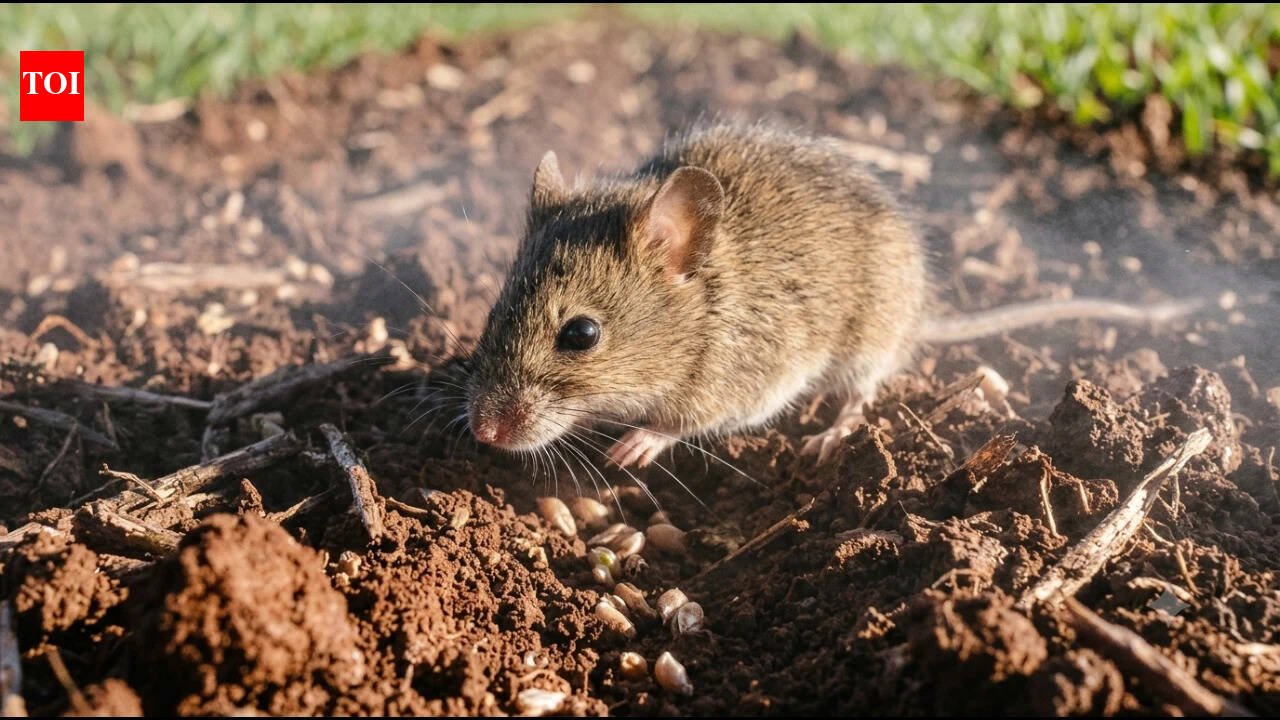
​Wheat seed loss fell 63% after wheat germ oil treatment (Representational AI image) Australian scientists have tested a non-toxic way to protect wheat seeds from hungry mice by making it harder for the rodents to locate them. In an experiment carried out in 2021, instead of poisoning the mice or using bait, the researchers sprayed … Read more

A $100 billion “ghost city” became a home for tech entrepreneurs, but the experiment lasted less than two years after it began

A $100 billion “ghost city” became a home for tech entrepreneurs, but the experiment lasted less than two years after it began

Forest City was meant to become a futuristic metropolis near Singapore, but its empty towers and quiet streets earned it a very different reputation. That unusual setting later attracted a group of technology entrepreneurs who saw the underused development as an opportunity to test a new way of living and working. In 2024, Network School … Read more

In 2018, scientists seeded clouds over China’s Muz Taw Glacier to make snow; the brighter surface was followed by 14% to 17% less ice loss in a preliminary experiment

In 2018, scientists seeded clouds over China's Muz Taw Glacier to make snow; the brighter surface was followed by 14% to 17% less ice loss in a preliminary experiment

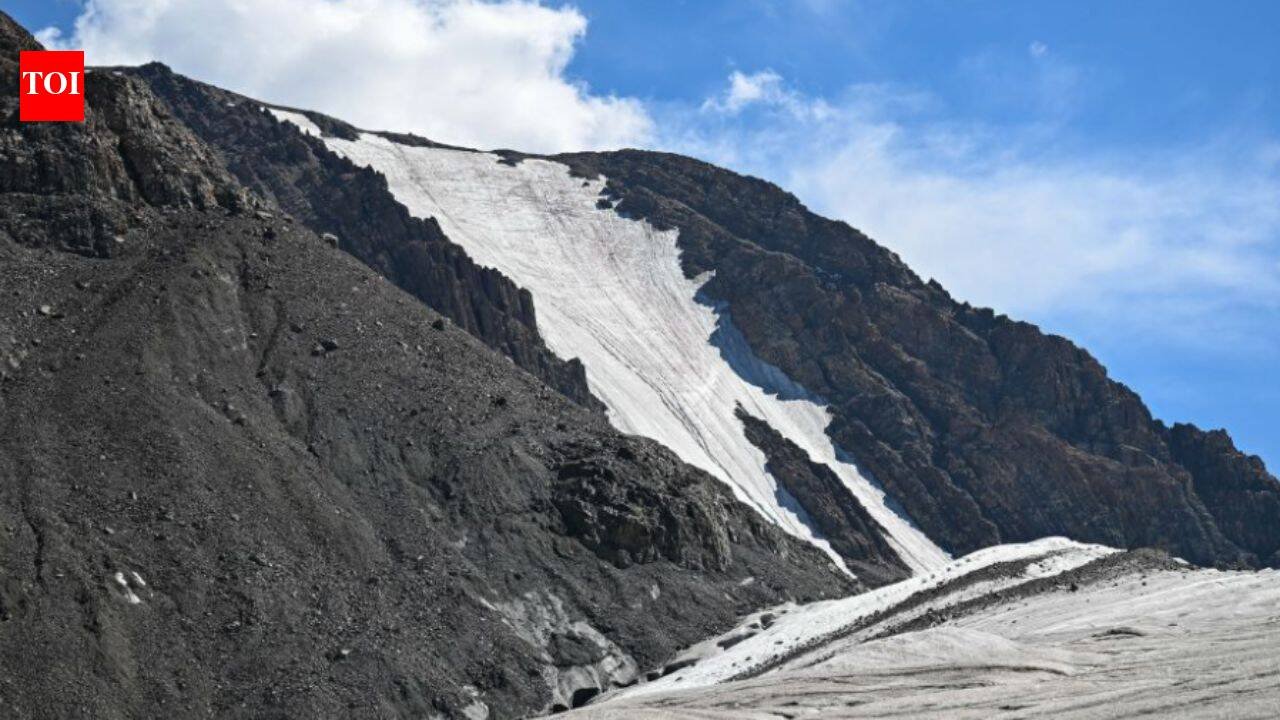
This photo taken on Aug. 10, 2026 shows a view of the Muz Taw Glacier in Altay, northwest China’s Xinjiang Uygur Autonomous Region (Photos: Xinhua net) Researchers in China have tried to make artificial snow over China’s Muz Taw Glacier to slow its melting. The experiment conducted in 2018 involved seeding clouds with silver iodide, … Read more

In 1952, Mary Tsingou programmed a Los Alamos experiment that helped change modern physics; her role was reduced to a footnote and took more than 50 years to receive proper credit

In 1952, Mary Tsingou programmed a Los Alamos experiment that helped change modern physics; her role was reduced to a footnote and took more than 50 years to receive proper credit

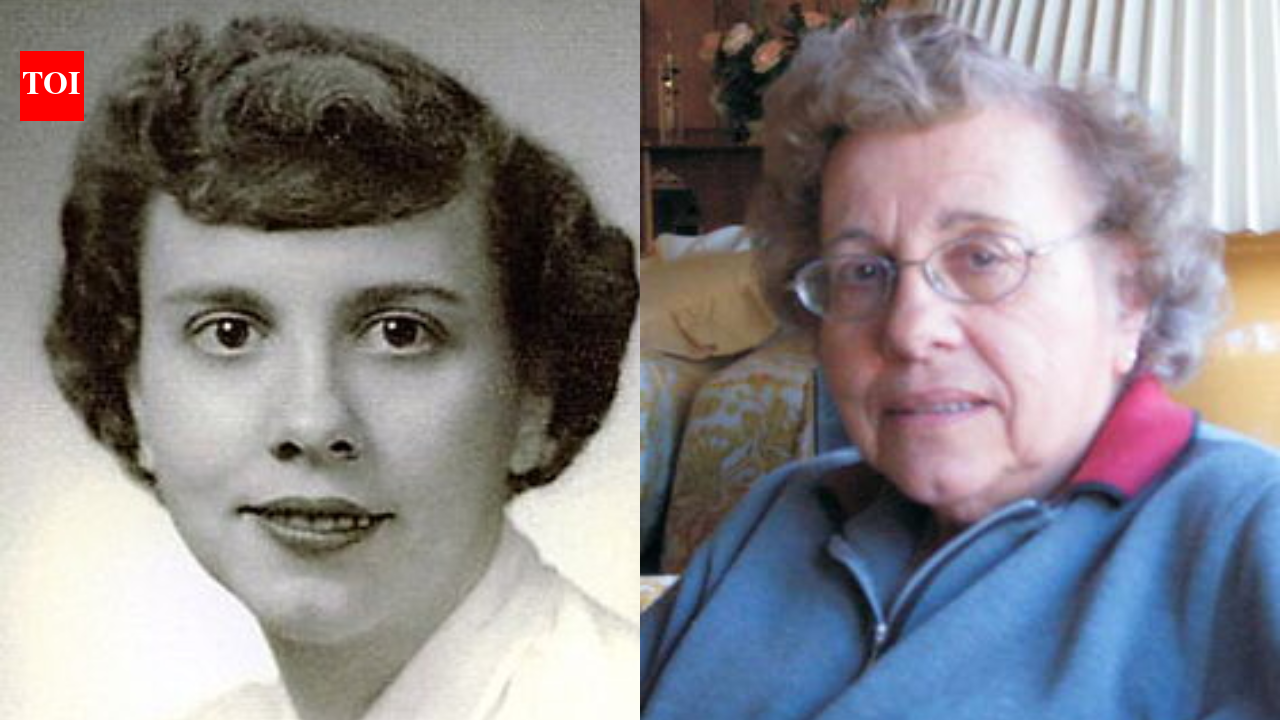
Mathematician and programmer Mary Tsingou Menzel When mathematician and programmer Mary Tsingou Menzel sat down in 1952 at Los Alamos National Laboratory to code a complex physics problem on one of the world’s earliest digital computers, she was breaking new ground. Her work helped make possible a landmark experiment that went on to influence chaos … Read more

A Michigan scientist buried seeds in 20 glass bottles in 1879; 142 years later, some still grew, and the experiment is set to run until 2100

A Michigan scientist buried seeds in 20 glass bottles in 1879; 142 years later, some still grew, and the experiment is set to run until 2100

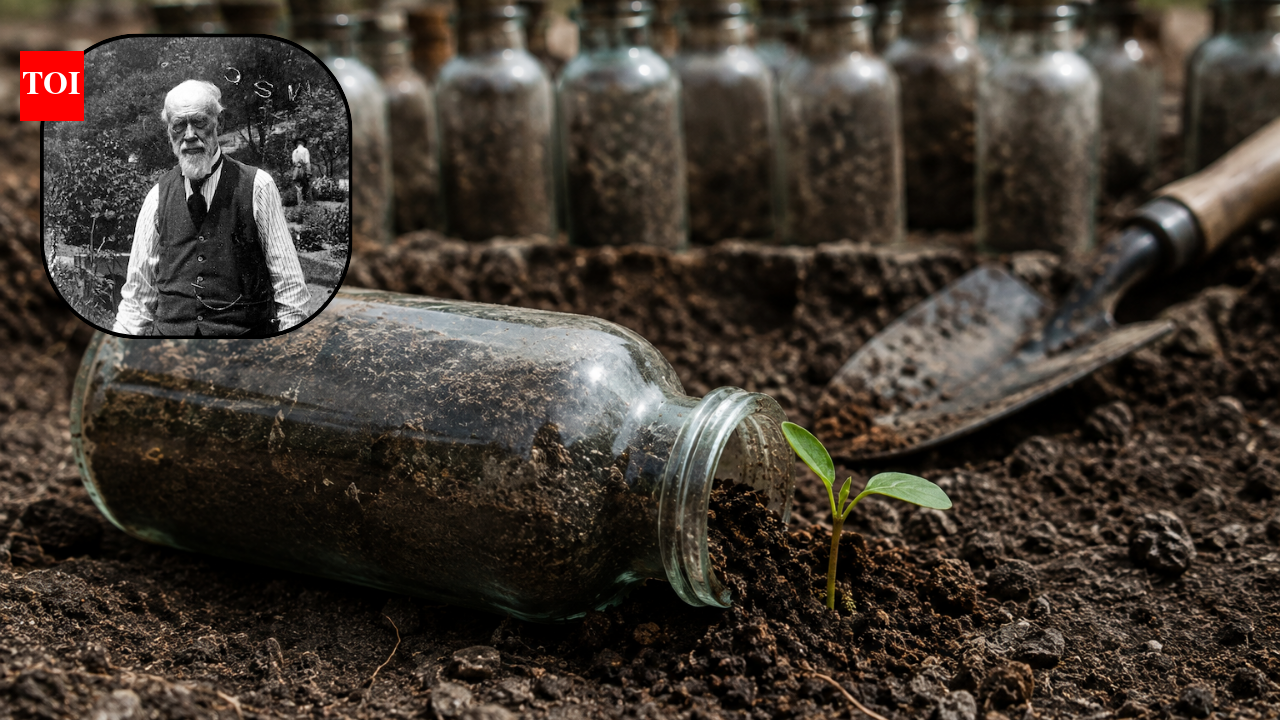
Michigan State University botanist William James Beal buried 20 glass bottles filled with seeds In 1879, Michigan State University botanist William James Beal buried 20 glass bottles filled with seeds and sand in an effort to answer a deceptively simple question: how long could seeds remain dormant in the soil and still grow when conditions … Read more