Researchers studying ageing in mice found that declining cellular recycling helps ‘zombie cells’ evade immune clearance; restoring the process improved their removal and reduced age-related inflammation
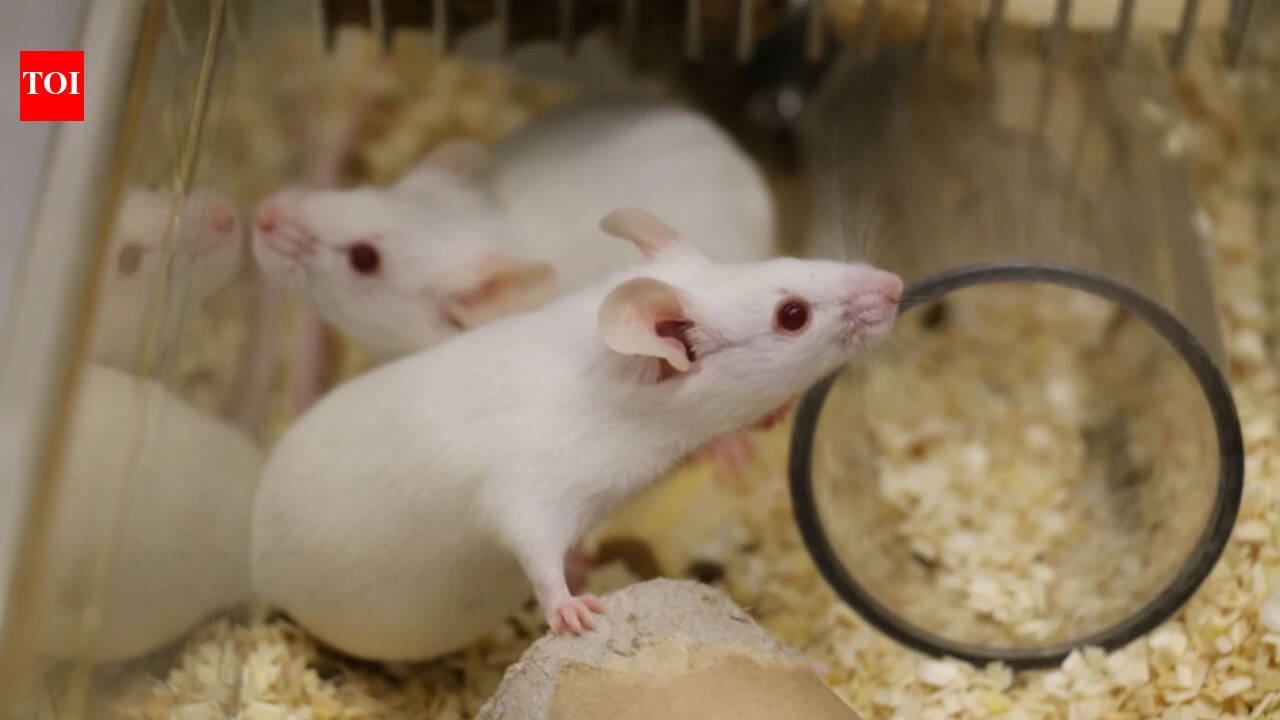
Researchers studying ageing in mice found that declining cellular recycling helps 'zombie cells' evade immune clearance; restoring the process improved their removal and reduced age-related inflammation

Experiments in mice found that declining CMA affects senescent cells and the macrophages that clear them. (Representational photo) Researchers studying ageing in mice have identified a cellular process that may help explain why what are called ‘zombie cells’ become harder for the body to remove as it gets older. The new study led by researchers … Read more
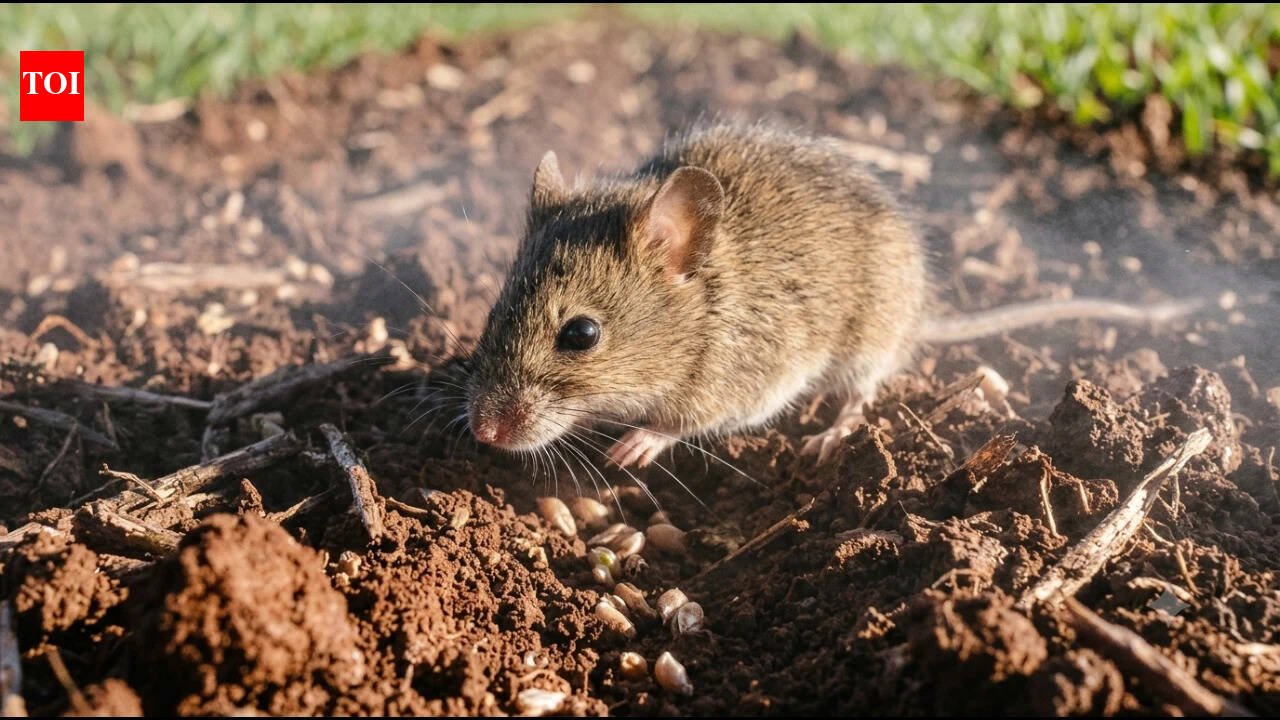
In 2021, Australian scientists sprayed wheat scent across farm plots to confuse hungry mice; the treatment reduced seed loss by up to 74% in a field experiment without poisoning the rodents

In 2021, Australian scientists sprayed wheat scent across farm plots to confuse hungry mice; the treatment reduced seed loss by up to 74% in a field experiment without poisoning the rodents

​Wheat seed loss fell 63% after wheat germ oil treatment (Representational AI image) Australian scientists have tested a non-toxic way to protect wheat seeds from hungry mice by making it harder for the rodents to locate them. In an experiment carried out in 2021, instead of poisoning the mice or using bait, the researchers sprayed … Read more

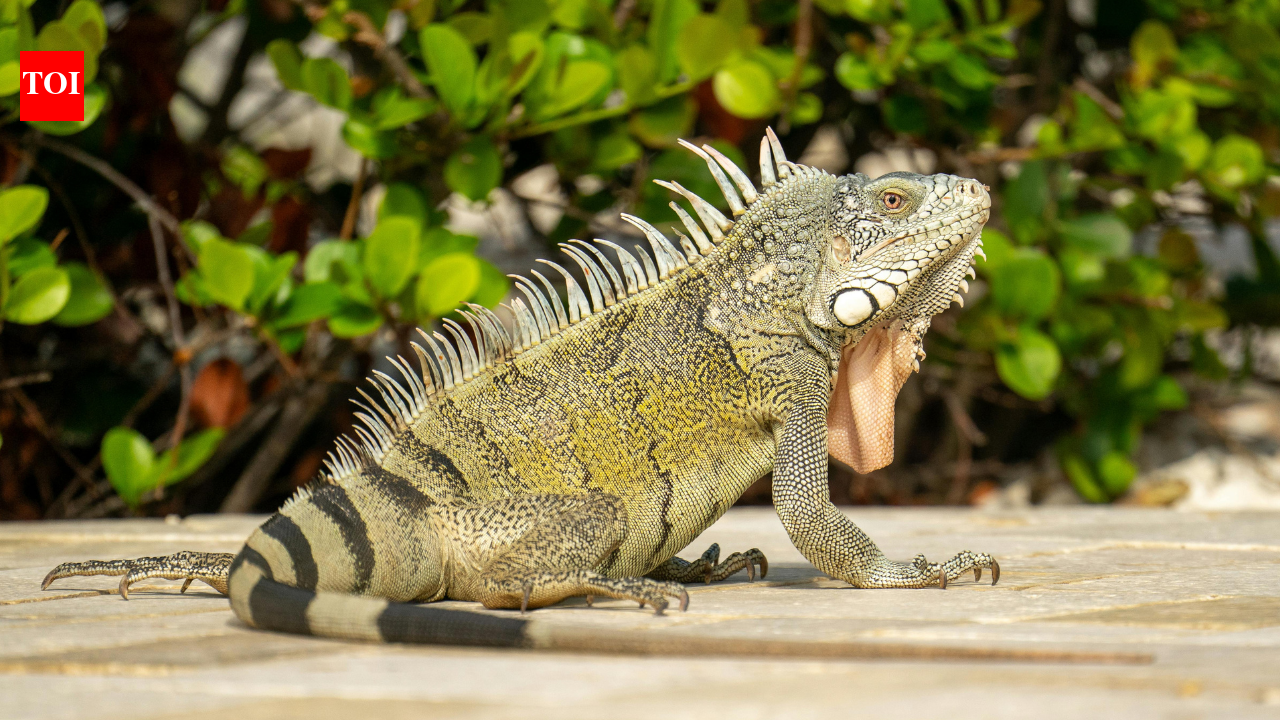
Boca Raton council votes 3-2 to impose $100 minimum fine for feeding iguanas, rats, mice and pigeons under new Florida ordinance

Boca Raton council votes 3-2 to impose $100 minimum fine for feeding iguanas, rats, mice and pigeons under new Florida ordinance

Boca Raton, Florida, has voted to make feeding iguanas and other nuisance animals a punishable offence. The city council passed a new ordinance by a narrow 3-2 margin, introducing a $100 citation for anyone who feeds iguanas, rats, mice or pigeons in a way likely to draw or sustain large groups of them. Bird feeders … Read more

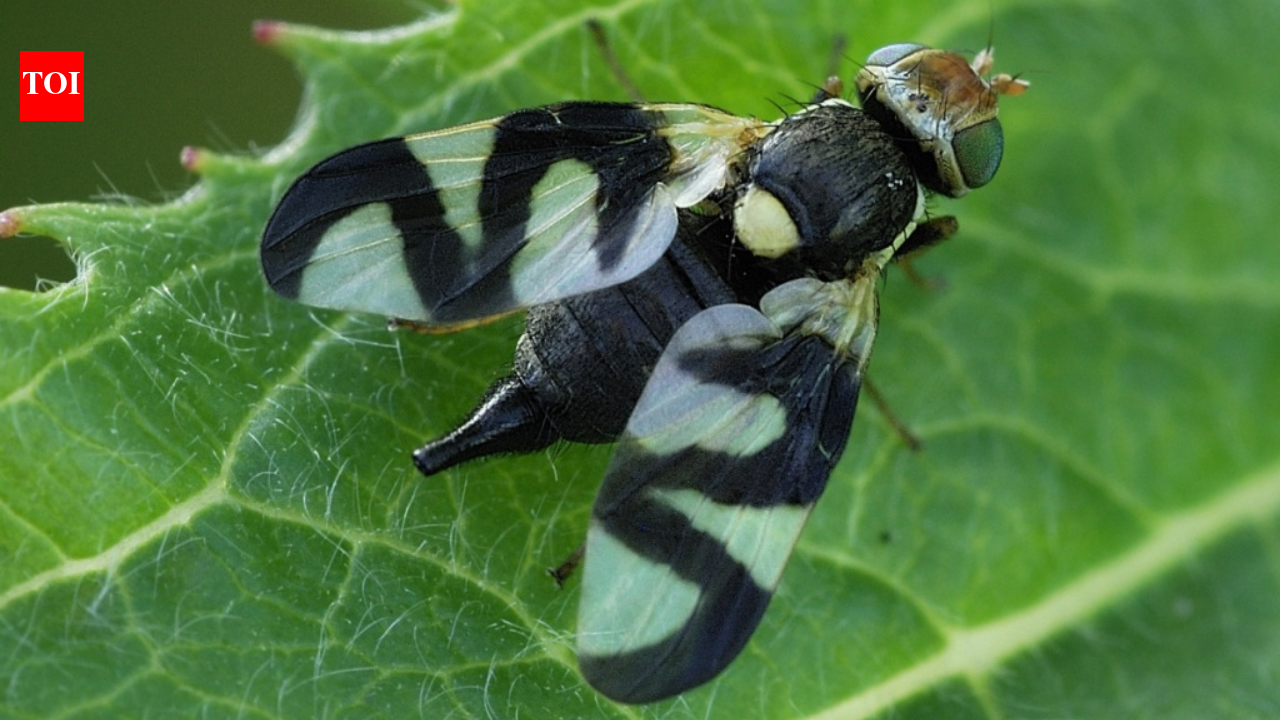
In 1973, Montana released a gall fly to control spotted knapweed; decades later, the biocontrol program was linked to over 3 times more hantavirus-positive deer mice

In 1973, Montana released a gall fly to control spotted knapweed; decades later, the biocontrol program was linked to over 3 times more hantavirus-positive deer mice

A biological control project started half a century ago to destroy a stubborn invasive weed accidentally set off an ecological chain reaction that increased human exposure to a deadly virus. In 1973, wildlife officials and agricultural scientists in Montana released two species of European gall flies, Urophora affinis and Urophora quadrifasciata, to control the spread … Read more