
Scientists found a magnetic mineral never before seen naturally in Moon samples; Chang’e-6 brought the material back from the lunar surface, where it survived inside tiny impact-glass particles
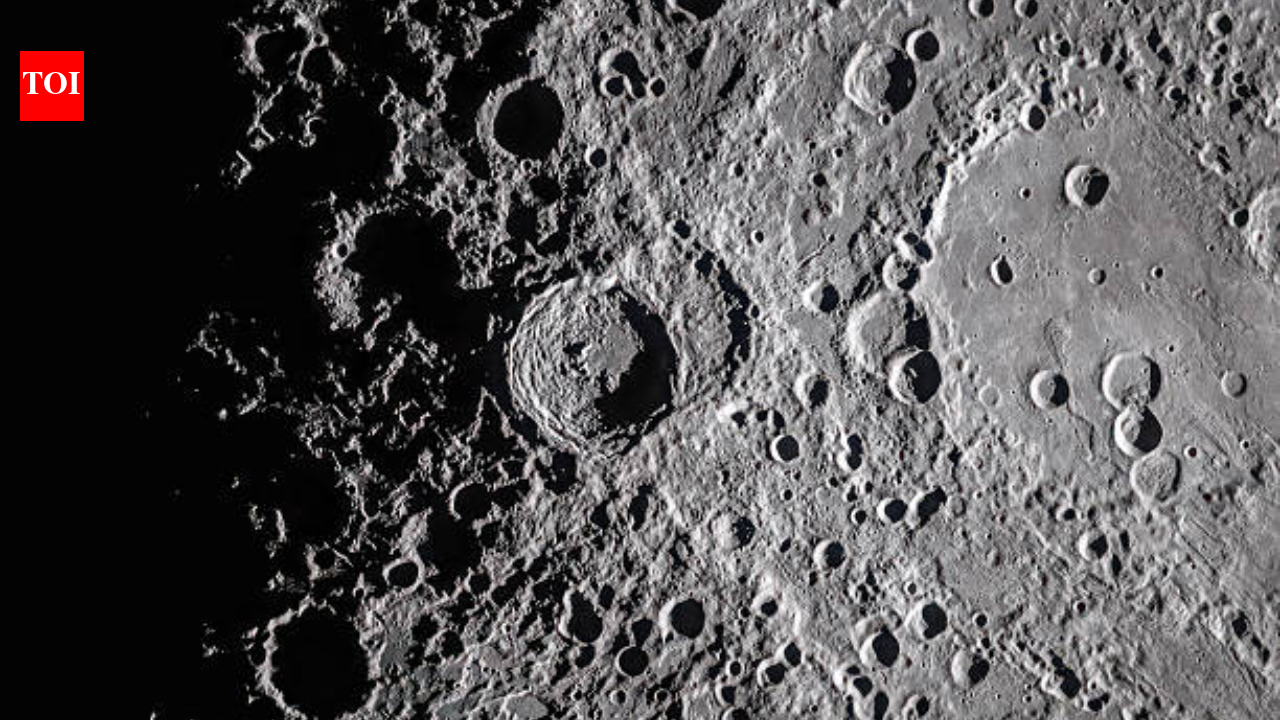
Scientists found a magnetic mineral never before seen naturally in Moon samples; Chang’e-6 brought the material back from the lunar surface, where it survived inside tiny impact-glass particles

About 4.25 billion years ago, the Moon possessed a powerful core dynamo with a field strength comparable to or even exceeding modern Earth’s. This magnetic field, generated by circulating molten metal, completely shut down as the interior cooled and core crystallisation ceased, leaving the Moon without a global magnetic field in the present. While it … Read more
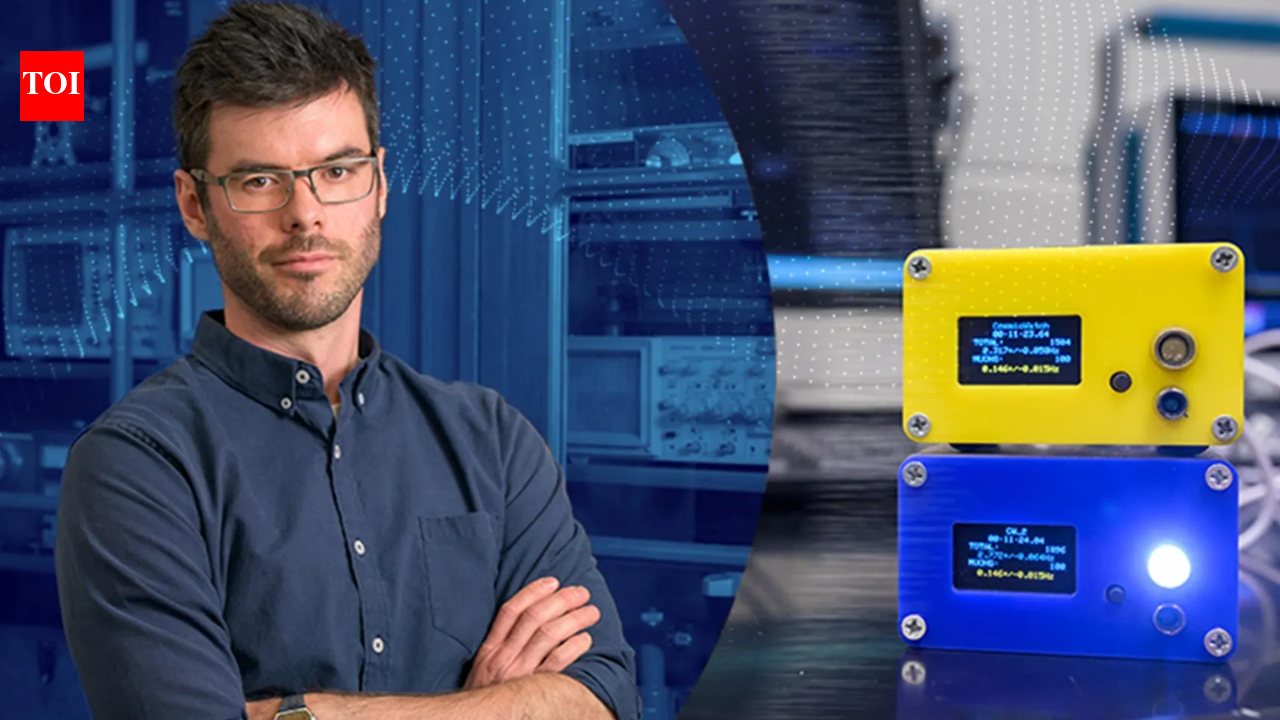
A student built a particle detector for just $100; the pocket-sized device can track invisible particles raining down from space at light’s speed; it is now being used in high-altitude balloon missions and major physics experiments

A student built a particle detector for just $100; the pocket-sized device can track invisible particles raining down from space at light’s speed; it is now being used in high-altitude balloon missions and major physics experiments

A device that can detect particles arriving from space does not necessarily require a multimillion-dollar laboratory. A compact detector developed by physicist Spencer Axani began as a low-cost student project and has since grown into a tool used for particle-physics research, education and high-altitude experiments. The University of Delaware detailed its latest developments in September, … Read more

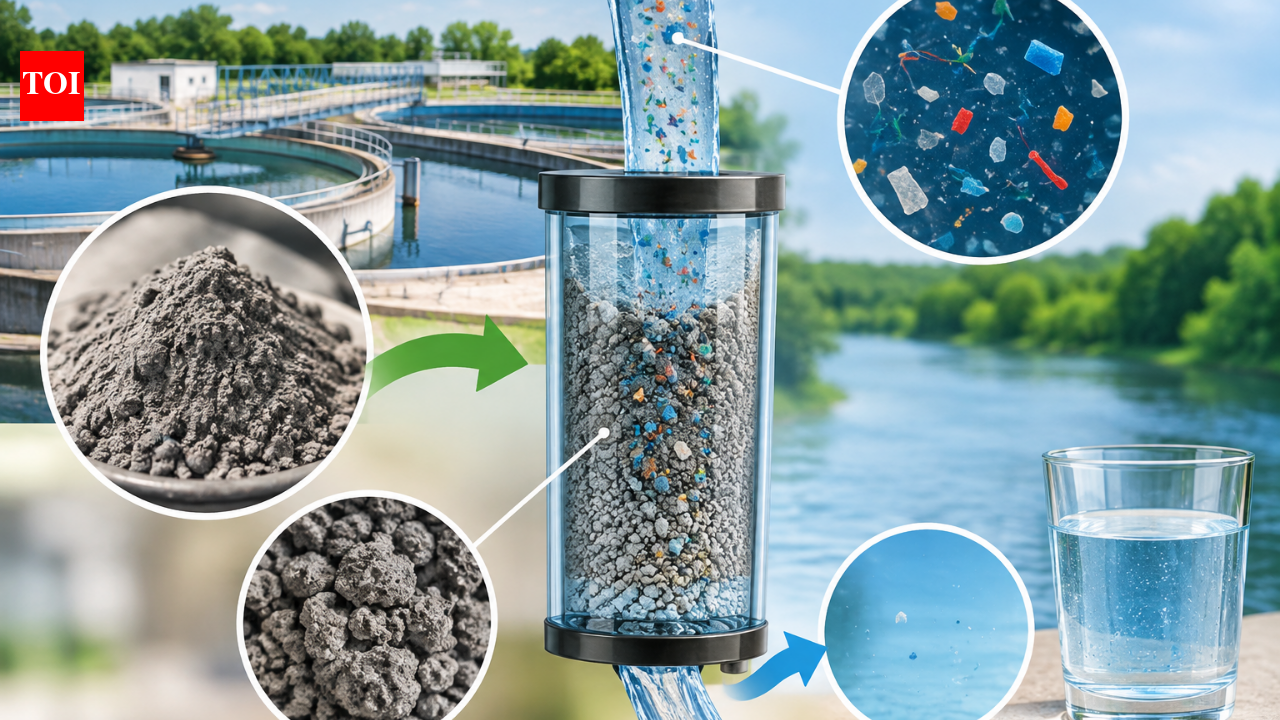
In 2026, researchers turned water-treatment waste into a filter for microplastics; real-water tests removed 86.9% to 97.1% of the particles

In 2026, researchers turned water-treatment waste into a filter for microplastics; real-water tests removed 86.9% to 97.1% of the particles

Representative Image (AI-generated) Microplastics are now found across aquatic environments, creating a difficult challenge for water-treatment systems that must remove tiny plastic particles without generating more waste. A new approach investigated in 2026 takes an unusual route: instead of treating water-treatment waste as something that simply needs to be discarded, researchers turned it into a … Read more