In 1844, a Mexican land grant gave settlers rights across what is now an 80,000-acre Colorado ranch; nearly two centuries later, the access fight has become the state’s longest-running land dispute
In 1844, a Mexican land grant gave settlers rights across what is now an 80,000-acre Colorado ranch; nearly two centuries later, the access fight has become the state’s longest-running land dispute

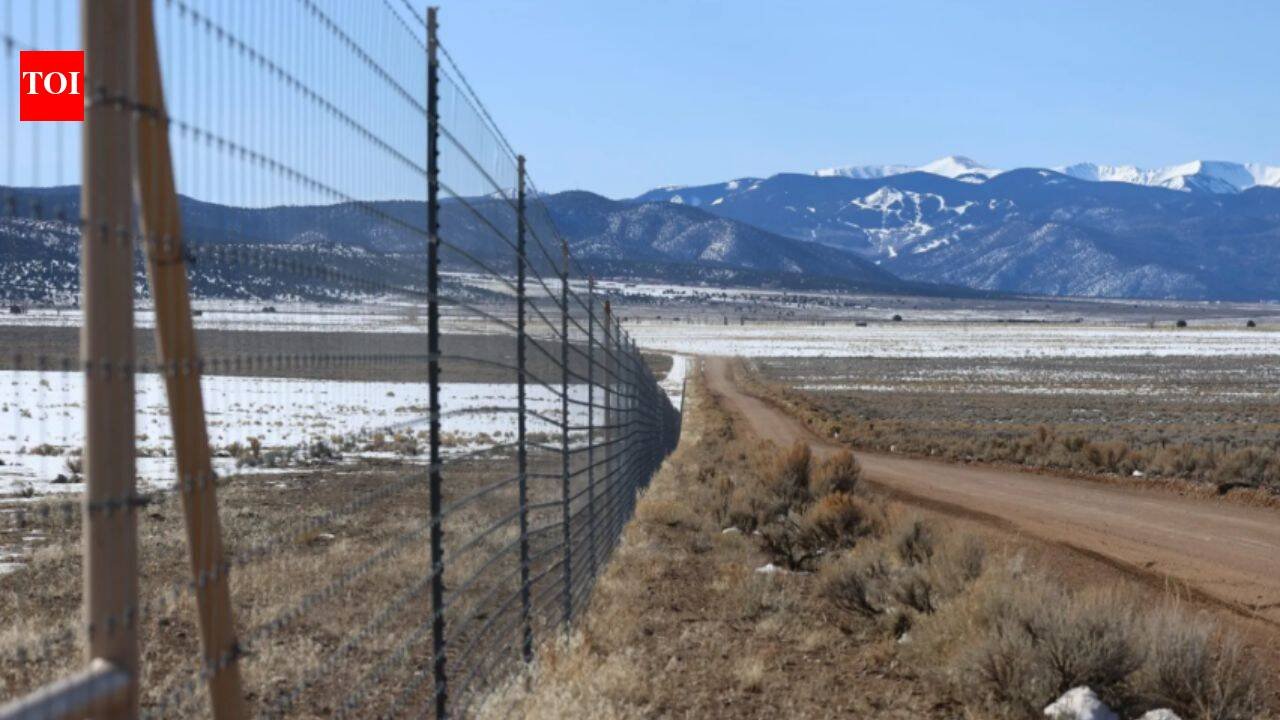
The Sangre de Cristo Land Grant was established in 1844 under the Treaty of Guadalupe Hidalgo. A land dispute in Colorado dates back to an 1844 Mexican land grant and continues to involve questions over who can access the property and for what purposes. The land, now known as Cielo Vista Ranch and traditionally called … Read more
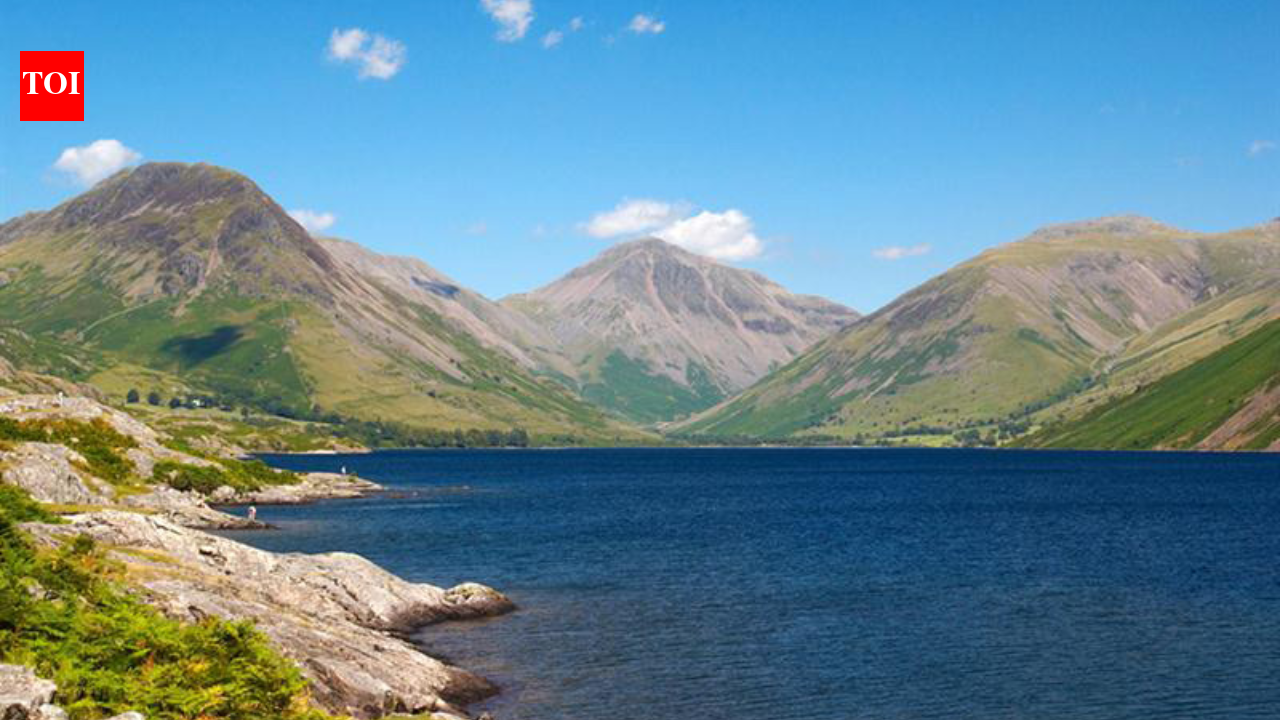
In 2016, conservationists put the bends back into a Lake District river straightened 200 years earlier; within months, Atlantic salmon were spawning there for the first time in centuries

In 2016, conservationists put the bends back into a Lake District river straightened 200 years earlier; within months, Atlantic salmon were spawning there for the first time in centuries

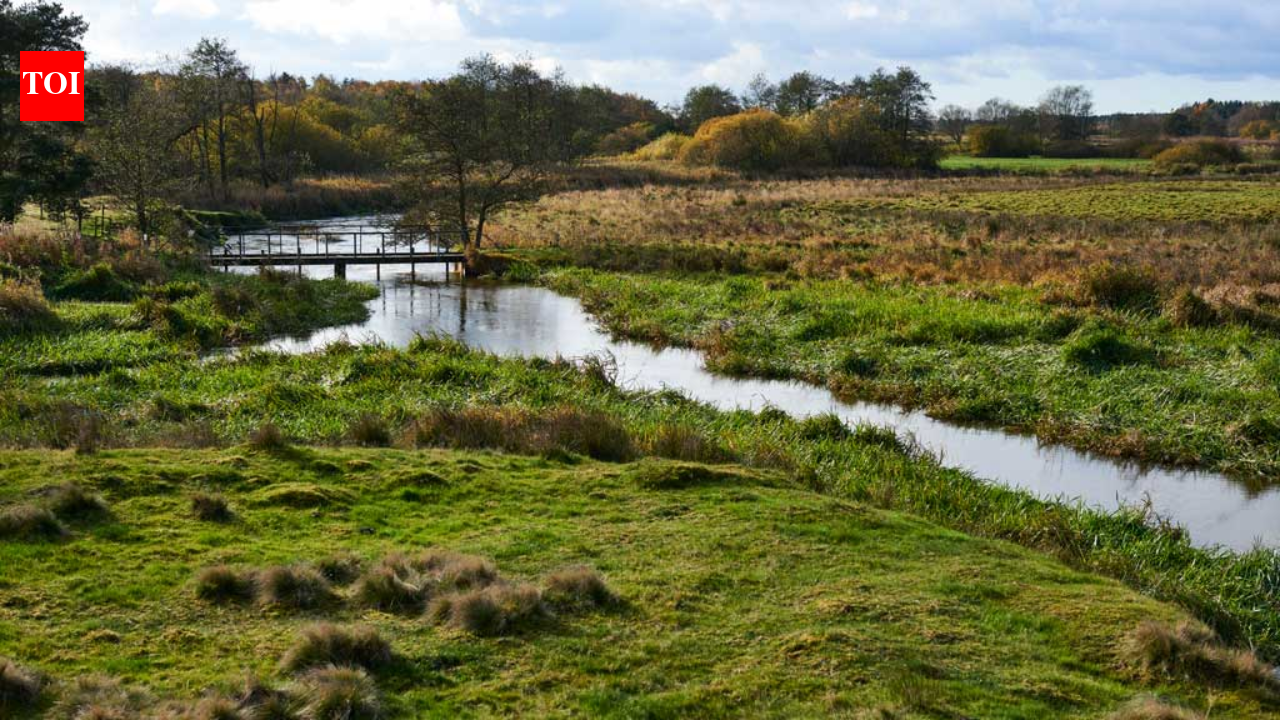
Centuries after people forced a Cumbrian river into a straight, artificial channel, nature has reclaimed its original course in the Lake District, bringing endangered wild fish back to historic spawning grounds almost immediately. In the summer of 2016, conservationists restored a 1.1-kilometre stretch of Swindale Beck near Haweswater by putting its natural bends back into … Read more

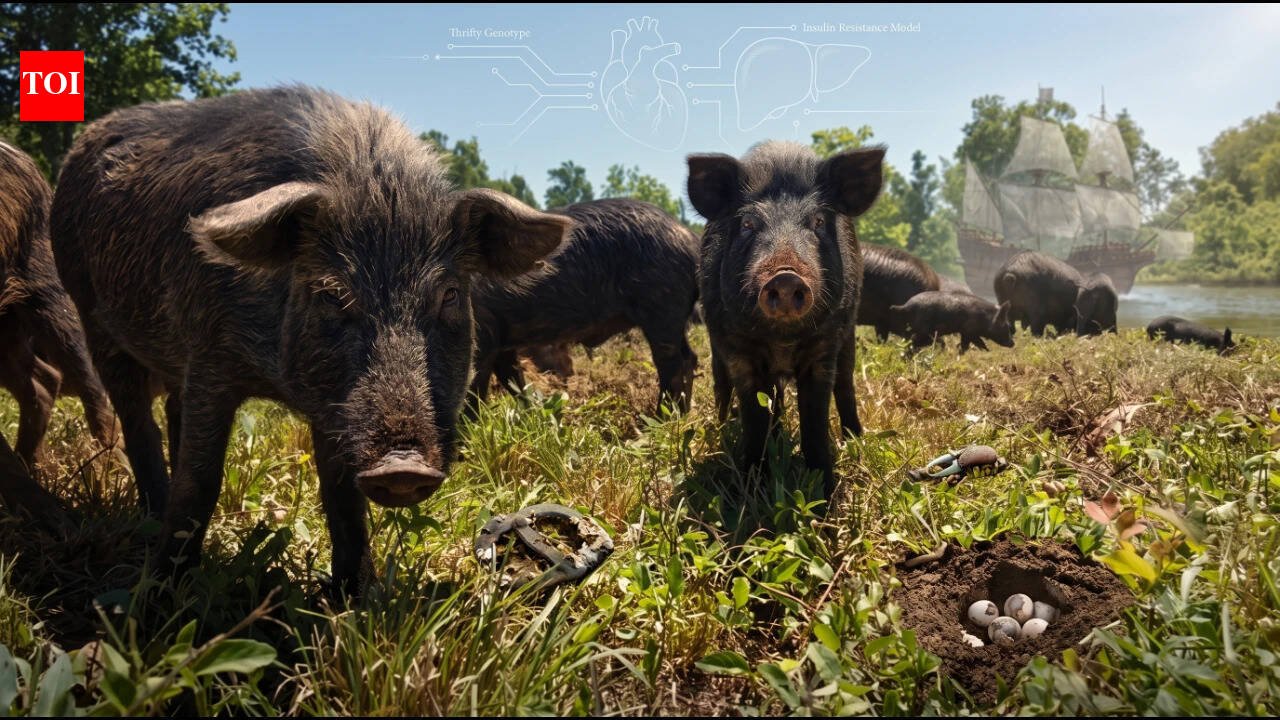
In the 1500s, Spanish explorers left pigs on a Georgia island as future food; centuries of feast and famine produced hogs that rapidly store fat and are now used to study obesity and metabolic disease

In the 1500s, Spanish explorers left pigs on a Georgia island as future food; centuries of feast and famine produced hogs that rapidly store fat and are now used to study obesity and metabolic disease

Ossabaw Island Hogs (Representational Image Generated using AI tool) Centuries ago, Spanish explorers sailing along the coast of what is now the United States brought pigs with them as a practical food supply. Some escaped, while others were deliberately released so future expeditions would find animals waiting when they returned. On Ossabaw Islanda barrier island … Read more

Alaska eradicated rats from a 6,869-acre Aleutian island more than two centuries after they arrived in a shipwreck; within two years some native bird populations had increased 200% or more and missing seabirds began returning

Alaska eradicated rats from a 6,869-acre Aleutian island more than two centuries after they arrived in a shipwreck; within two years some native bird populations had increased 200% or more and missing seabirds began returning

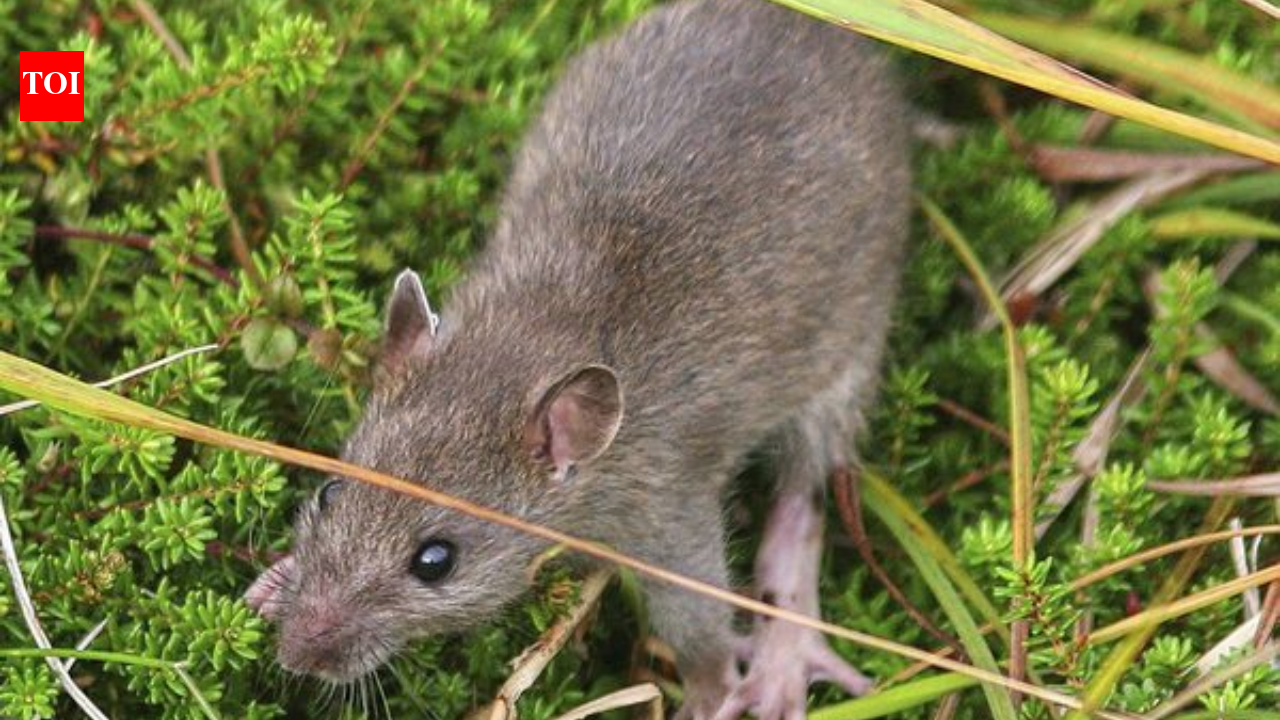
Alaska eradicated rats from a 6,869-acre Aleutian island More than two centuries after a shipwreck brought non-native rats to a remote Alaskan island, removing the invasive rodents has led to a rapid recovery of wildlife across the 6,869-acre island in the Aleutian archipelago. According to monitoring reports and press releases from the United States Fish … Read more

Much of Sweden’s Söderåsen plateau became more open in the 18th and 19th centuries; in 2001, 1,625 hectares were protected as a national park, and today it is one of northern Europe’s largest continuous protected broadleaf forests

Much of Sweden's Söderåsen plateau became more open in the 18th and 19th centuries; in 2001, 1,625 hectares were protected as a national park, and today it is one of northern Europe's largest continuous protected broadleaf forests

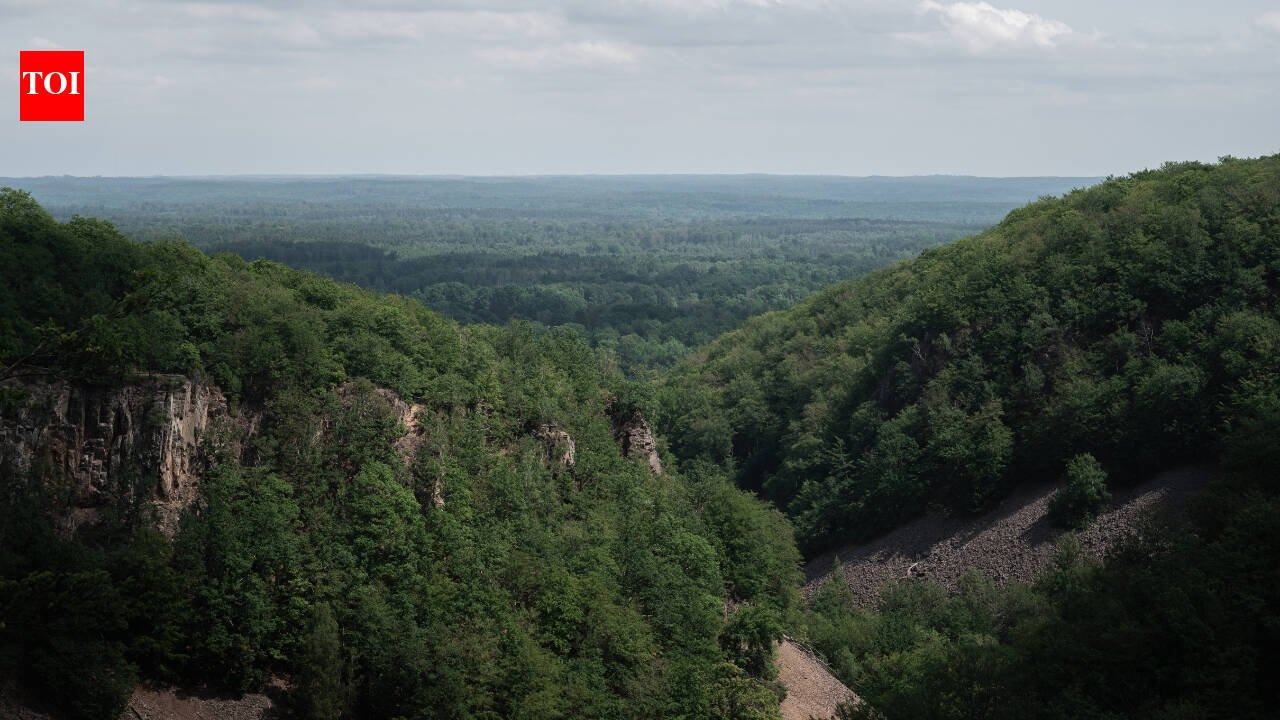
Söderåsen national park (Image Credit: Canva) Much of Sweden’s Söderåsen plateau was once far more open than the dense woodland visitors see today. A 2025 study published in The Holocene found that the landscape became much more open during the 18th and 19th centuries as grazing intensified, with grazed heathland developing on parts of the … Read more

In 2001, Denmark began turning 19 km of straightened River Skjern into 26 km of bends; researchers later found some lost habitats may take centuries to return

In 2001, Denmark began turning 19 km of straightened River Skjern into 26 km of bends; researchers later found some lost habitats may take centuries to return

In 2001, Denmark began restoring 19 km of the straightened River Skjern by turning it into 26 km of winding river. Researchers later found that some of the habitats lost during decades of river engineering could take centuries to return. The large civil engineering project along the lower River Skjern in West Jutland aimed to … Read more