
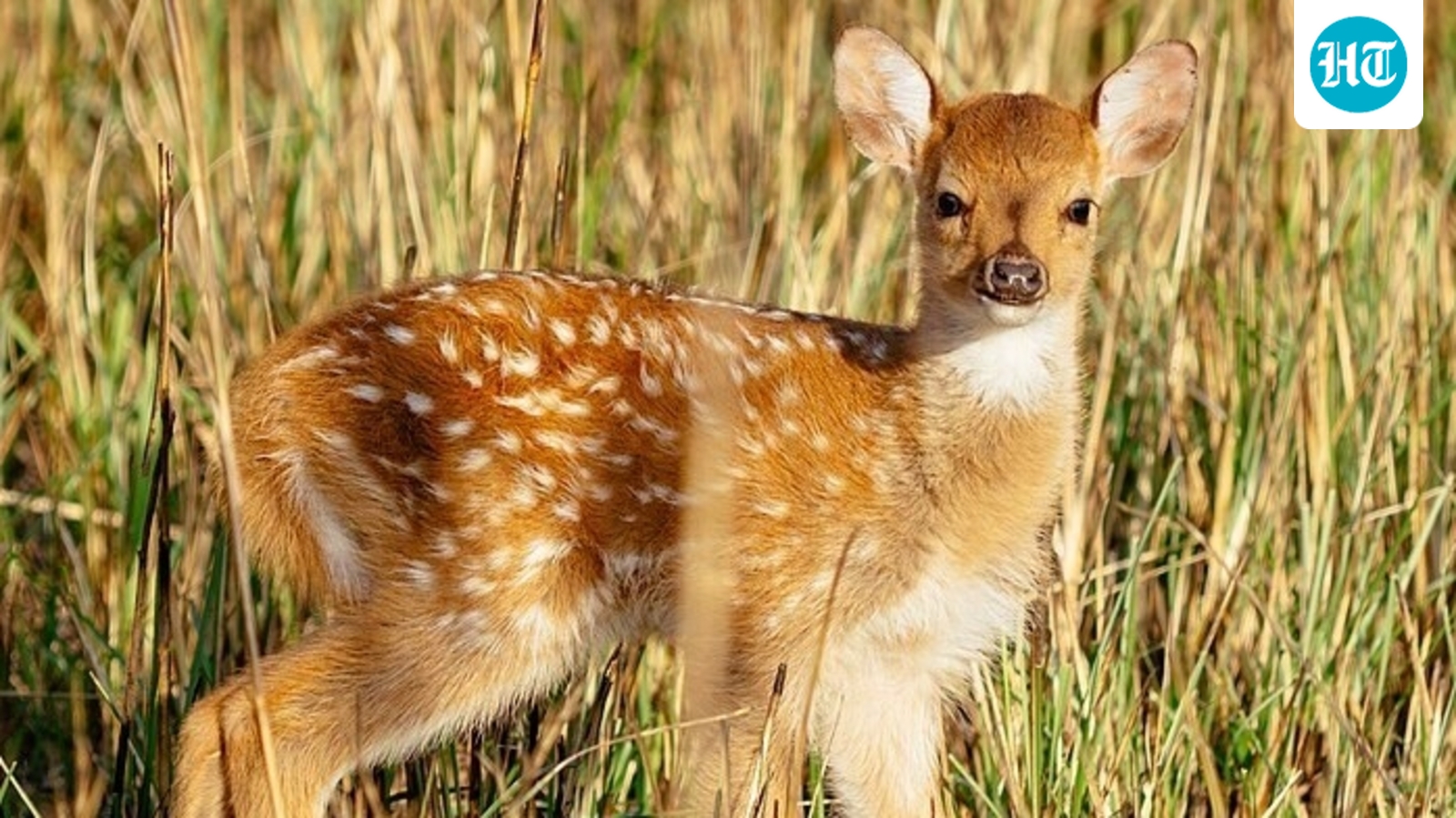
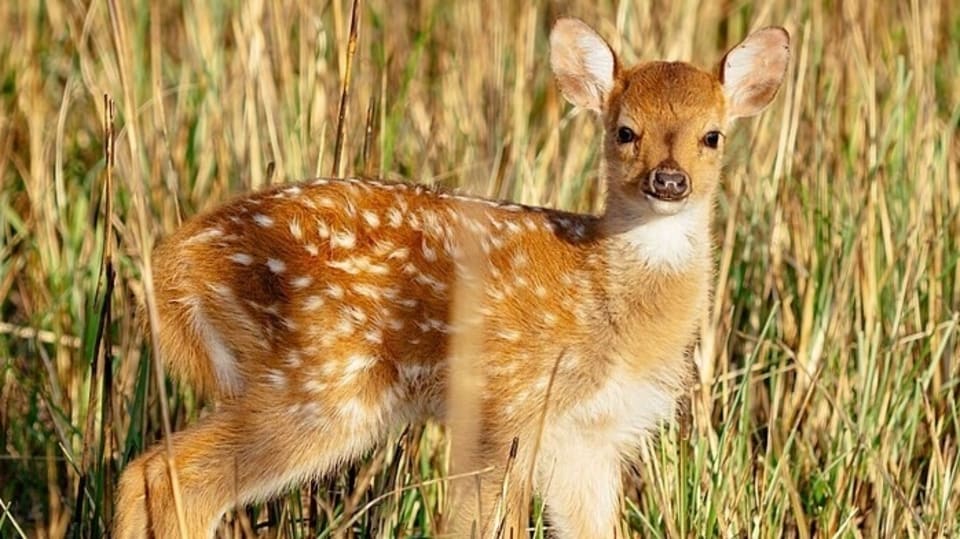
Eight axis deer, a goodwill gift from Hong Kong, were released on Molokaʻi in 1868. Today their descendants number in the tens of thousands, and they eat crops and native plants and damage forests. According to the U.S. Geological Survey fact sheet, Hawaii’s native plants evolved without grazing animals, which can make them vulnerable to grazing.
A gift to a fragile island
Axis deer, also known as chital, are native to India, Sri Lanka, and Nepal. Some were later transferred to Lānaʻi in 1920, while others were released on Maui in 1959, the fact sheet says. Before people arrived in Hawaii, the islands had no native land mammals except bats; there were no deer, sheep, or cattle. So when hooved animals came, the damage was quick. Introduced animals have damaged native plants by browsing, trampling, and bark stripping, the fact sheet says. Since 1778, about 10 percent of native Hawaiian plants have gone extinct, in part due to nonnative species.
How deer change the land
Axis deer eat crops, plants native to Hawaii, and ornamental plants. They also strip bark from trees. During severe drought, they are known to even eat the bark of trees. Bucks damage trees by rubbing bark with their antlers, killing mature trees. Deer can cause soil erosion along their trails, and cars frequently collide with them on roads. Reports from Maui have long noted deer in lower, dry forest areas, especially during drought, when they leave to look for water and green grass.
On east Molokaʻi, the fact sheet says browsing and packed-down soil from feral pigs, goats, and axis deer have contributed to turning a rainforest into grassy scrubland. Silt runoff from that land can threaten the island’s southern coast coral reefs. Deer aren’t the only animals involved in that, but they’re part of the story.
Why the herds multiply so fast
In their home range, axis deer are preyed upon by tigers, leopards and wild dogs. Hawaii has no such predators. Without predators, introduced herds can increase by 20 to 30 percent per year, the fact sheet says. Some females on Lānaʻi and Molokaʻi may breed as young as 4 to 6 months of age. In good food years, more than 90 percent of mature females have fawns. Fences help, but many older ones are only four feet high and axis deer can easily jump them; state agencies are now raising existing fences to eight feet.
Can the numbers go down?
A 2021 study in Pacific Science examined Maui. The authors, Steven Hess and Seth Judge, say only nine deer were brought there in 1959. They cite estimates of more than 10,000 deer, even though hunters and managers have killed more than 11,200. Later estimates ranged from as many as 60,000 on Maui in 2022 to about 26,000 across Maui, Molokaʻi, and Lānaʻi in 2025, according to the state. Then the team did computer simulations. Even removing 10 percent of the herd each year, the population still increased. Real progress will likely require 20 to 30 percent a year with more females removed, the authors say. Those are model results, not promises.
Not everyone sees the deer in the same way. Some people hunt them for food; others lose crops and watch forests thin out. That makes the discussion harder. The story shows how a generous gift can have effects that last for generations, and relocating a species to a new place can produce results that are difficult to undo. Protecting native plants also protects the soil and reefs that people rely on. Hawaii’s story is a reminder to think long-term.