After more than 50 years of pulp-mill pollution, regulators have proposed restoring North Carolina’s Roanoke River, including contaminated floodplain habitat damaged by toxic discharges
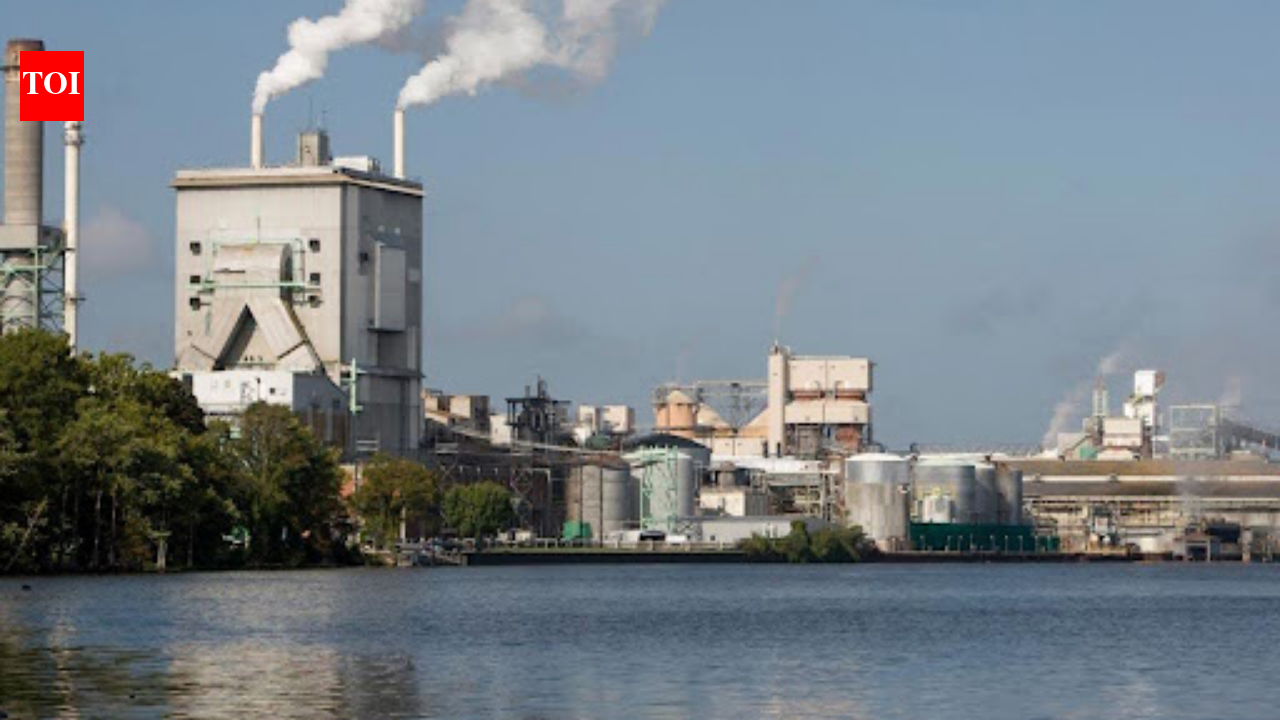
After more than 50 years of pulp-mill pollution, regulators have proposed restoring North Carolina's Roanoke River, including contaminated floodplain habitat damaged by toxic discharges

The Plymouth Mill began operating in 1937 as a wood and paper products manufacturing facility. Over subsequent decades, industrial operations at the site resulted in hazardous substances being released into groundwater, soil, Welch Creek and the Roanoke River (Image Credit: Domtar) For more than half a century, pollution from a pulp and paper mill has … Read more
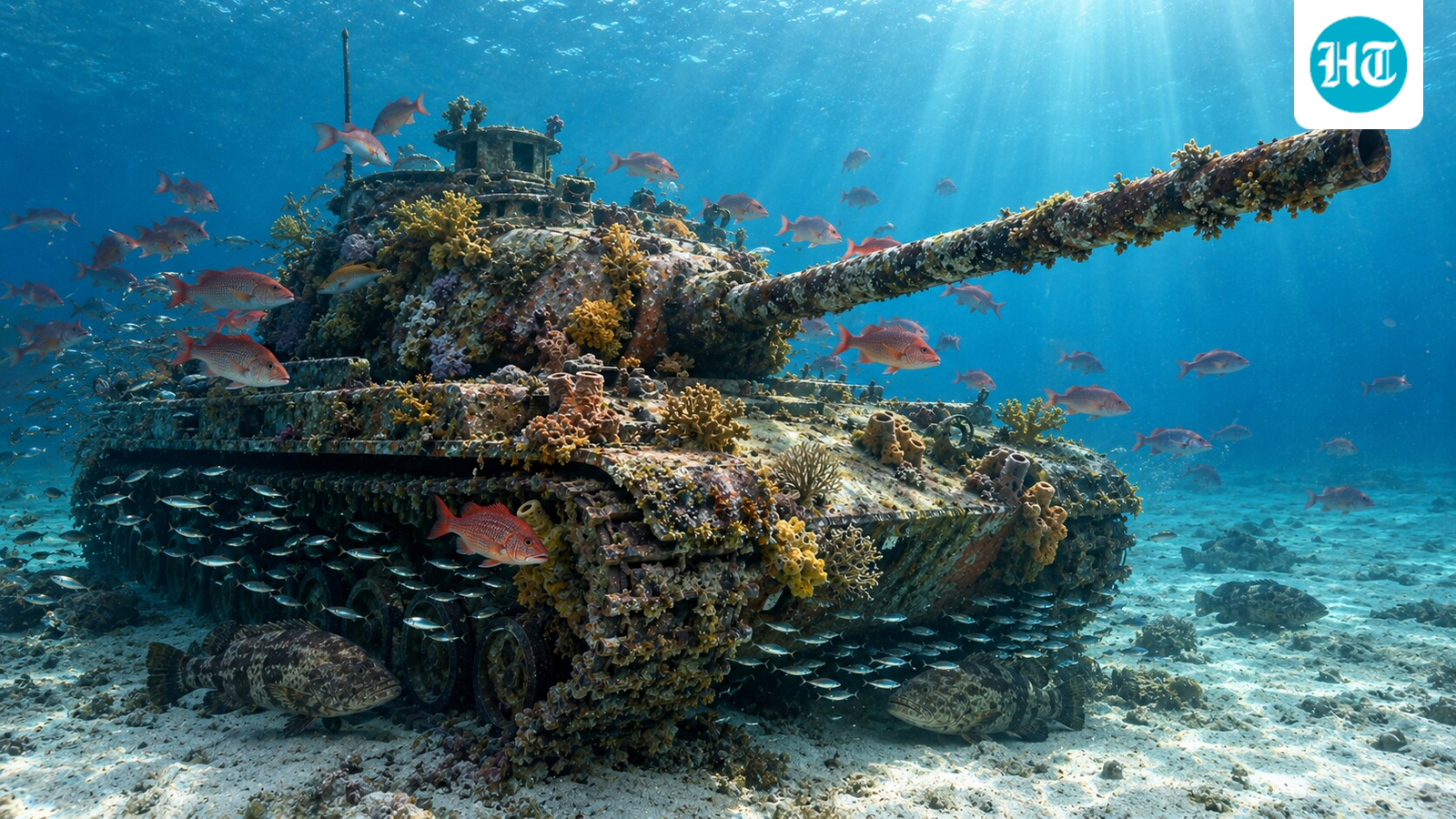
In 1994, 100 obsolete battle tanks were sunk off Alabama; three decades later, they remain underwater fish habitat

Alabama’s 1994 reef program involved sinking 100 battle tanks to create artificial reefs. (AI-generated/ChatGPT)

Battle tanks were built to roll across land, not to rest on the sea floor. Yet in 1994, 100 of them took a one-way trip to the bottom of the ocean off Alabama, and fish were supposed to move in. In 1993, the military needed a way to retire obsolete battle tanks. According to the … Read more

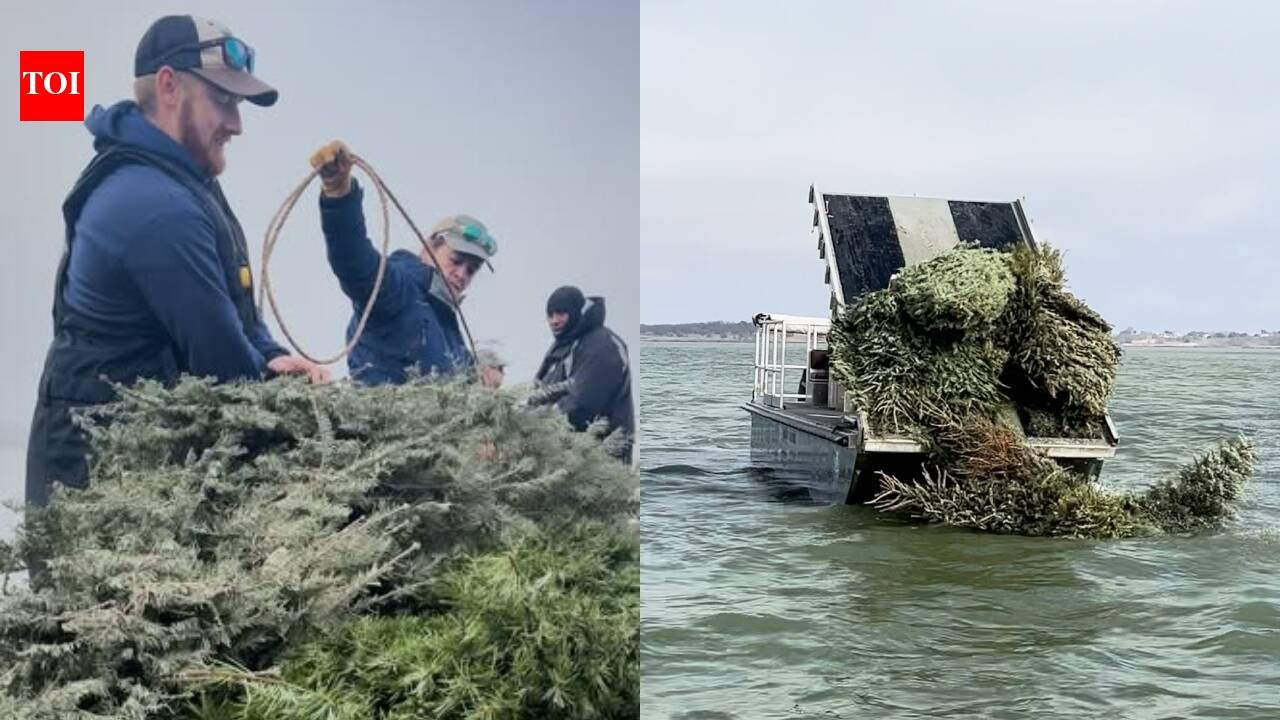
In 2024, Texas biologists turned more than 160 donated Christmas trees into an underwater reef at Granger Lake, where fish can use them as habitat within 15 minutes

In 2024, Texas biologists turned more than 160 donated Christmas trees into an underwater reef at Granger Lake, where fish can use them as habitat within 15 minutes

The Christmas season is around the corner, and the must-have Christmas tree often ends up on the curb once the holidays are over, needles trailing down the driveway. They rarely get a second act. In 2024, more than 160 of them got a second act. None of them were headed for a living room, but … Read more

In 2002, a 3.5km sea wall was breached in five places at a 283-hectare Essex arable farm; seawater returned to the land, creating new habitat and helping double saltmarsh across the Greater Thames estuary

In 2002, a 3.5km sea wall was breached in five places at a 283-hectare Essex arable farm; seawater returned to the land, creating new habitat and helping double saltmarsh across the Greater Thames estuary

A 3.5km stretch of sea wall along the Essex coast was deliberately breached in five places in October 2002. This allowed tides to rush into 283 hectares of farmland at Abbotts Hall Farm in Great Wigborough. The planned flooding changed an intensively farmed arable site into a thriving coastal wetland. In the years that followed, … Read more

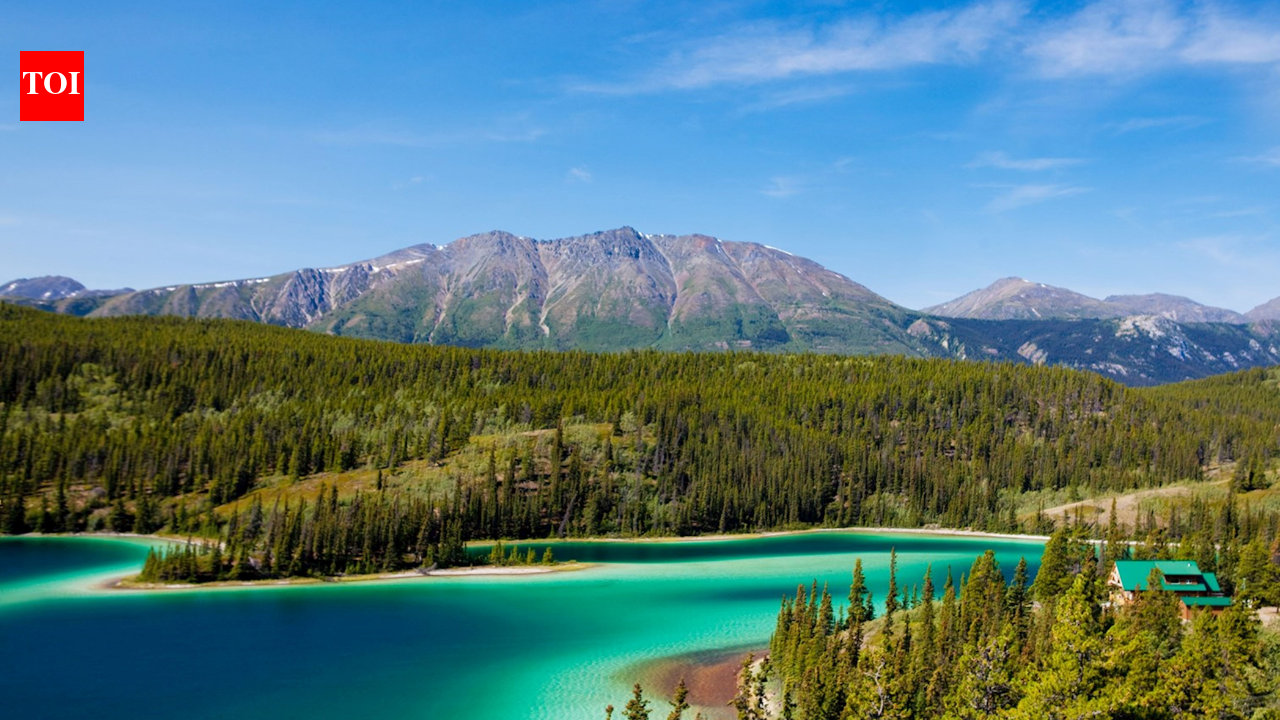
In 1993, a project set out to reconnect wildlife habitat from Yellowstone to Canada’s Yukon; its partnerships have now helped create 204 crossings and protect 24 million hectares

In 1993, a project set out to reconnect wildlife habitat from Yellowstone to Canada's Yukon; its partnerships have now helped create 204 crossings and protect 24 million hectares

Thirty-three years after scientists began an ambitious effort to reconnect wild areas across North America, a cross-border conservation project stretching from Wyoming to northern Canada has been named a finalist for Prince William’s Earthshot Prize. The Yellowstone to Yukon Conservation Initiative, launched in 1993, has helped establish 204 wildlife crossings and protect about 24 million … Read more

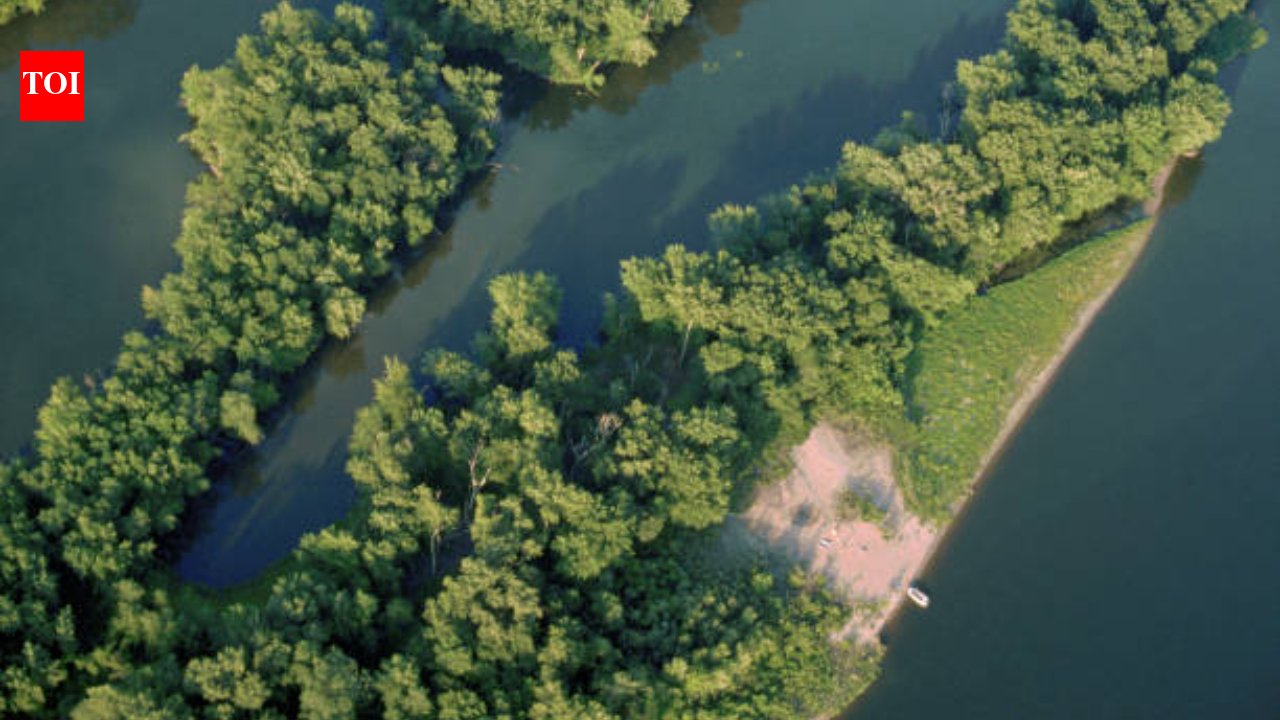
Engineers dredged 500,000 cubic yards of sand from the Mississippi River and used it to build seven islands; six years later, the $25 million McGregor Lake project has restored 270 acres of aquatic habitat and protected 22 acres of wetlands

Engineers dredged 500,000 cubic yards of sand from the Mississippi River and used it to build seven islands; six years later, the $25 million McGregor Lake project has restored 270 acres of aquatic habitat and protected 22 acres of wetlands

For years, sand dredged from the Mississippi River was removed to keep one of America’s most important waterways navigable. At one restoration site, engineers found another use for that material, building islands. The US Army Corps of Engineers has completed a $25 million habitat restoration project at McGregor Lake in Wisconsin, where about 500,000 cubic … Read more

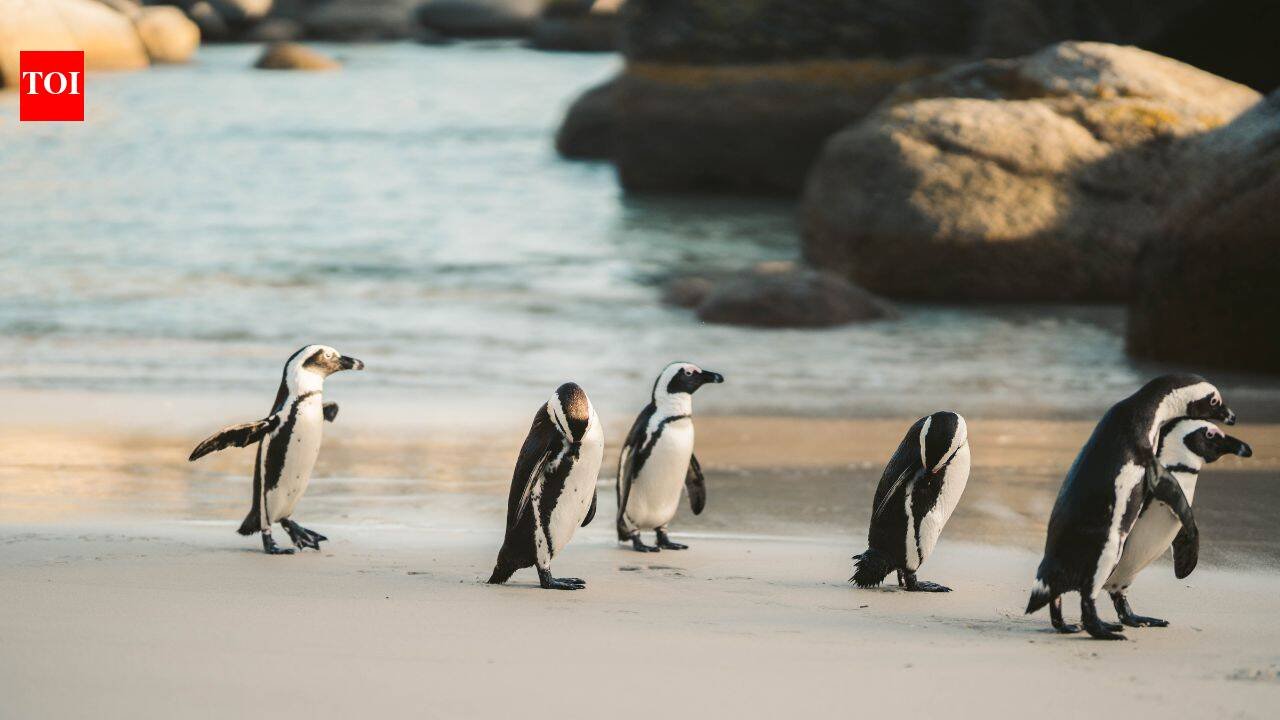
In 2004, Phillip Island launched a campaign to eliminate foxes after nine of its 10 little-penguin colonies had vanished; alongside habitat restoration, the surviving colony grew from 12,000 to 40,000 birds

In 2004, Phillip Island launched a campaign to eliminate foxes after nine of its 10 little-penguin colonies had vanished; alongside habitat restoration, the surviving colony grew from 12,000 to 40,000 birds

Phillip Island’s little penguins once faced a crisis that threatened to erase much of their presence from the island. By the 1980s, nine of its 10 penguin colonies had disappeared, while the final colony on the Summerland Peninsula was also under pressure from introduced predators, habitat loss and human activity. According to Phillip Island Nature … Read more

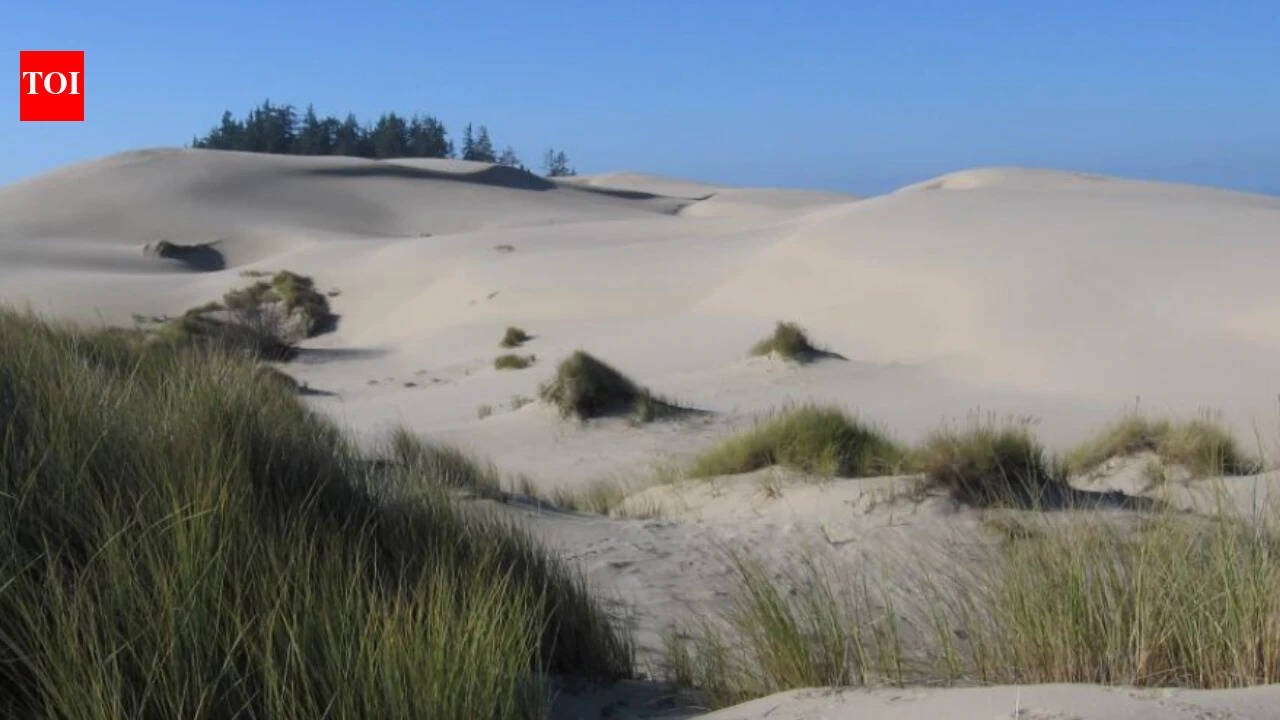
In 1910, Oregon planted European beachgrass to stabilize shifting dunes; it spread along the coast, reshaped the landscape and squeezed open sandy habitat used by native wildlife

In 1910, Oregon planted European beachgrass to stabilize shifting dunes; it spread along the coast, reshaped the landscape and squeezed open sandy habitat used by native wildlife

European beachgrass (Ammophila arenaria) is now well established in the Oregon dunes In 1910, Oregon introduced European beachgrass near Coos Bay to stabilise its shifting dunes. The plant trapped moving sand and helped hold the dunes in place as it was meant to. But as the beachgrass spread, it changed the coastal landscape and reduced … Read more

In 2017, Dubuque turned recycled plastic equal to about 67,000 water bottles into 14 floating islands; the 2,674-sq-ft system now adds plant, fish and bird habitat to Bee Branch Creek

In 2017, Dubuque turned recycled plastic equal to about 67,000 water bottles into 14 floating islands; the 2,674-sq-ft system now adds plant, fish and bird habitat to Bee Branch Creek

There are 14 islands totaling 2,674 square feet. Each island is a miniature replica of the natural archipelagos of the Mississippi River. Before the islands were placed in the creek, four prototype designs in a variety of shapes and sizes were developed. Sometimes the answer for a city that has fought floodwaters for years isn’t … Read more

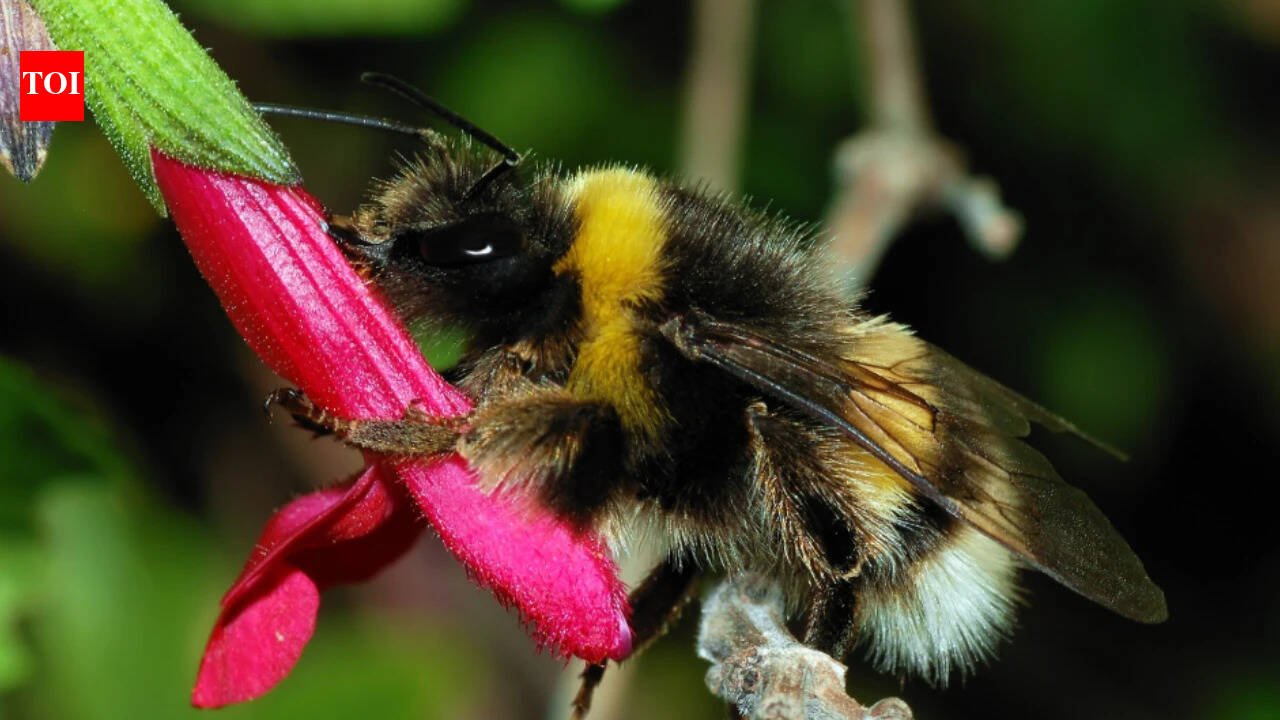
Ann Hammond spent years restoring her 12-acre Iowa property with native habitat; years later, a federally endangered bumblebee appeared among her flowers

Ann Hammond spent years restoring her 12-acre Iowa property with native habitat; years later, a federally endangered bumblebee appeared among her flowers

Representative image Image credits: Wikimedia Commons For years, Ann Hammond worked to transform her 12-acre Iowa property into a welcoming place for native plants and wildlife. The effort eventually brought an extraordinary visitor to her flowers: a rusty patched bumblebee, a species listed as federally endangered in the United States. As reported by Iowa Public … Read more