A Hanford landfill has taken 20 million tons of radioactive and hazardous waste since 1996; its latest expansion will add 2.8 million cubic yards
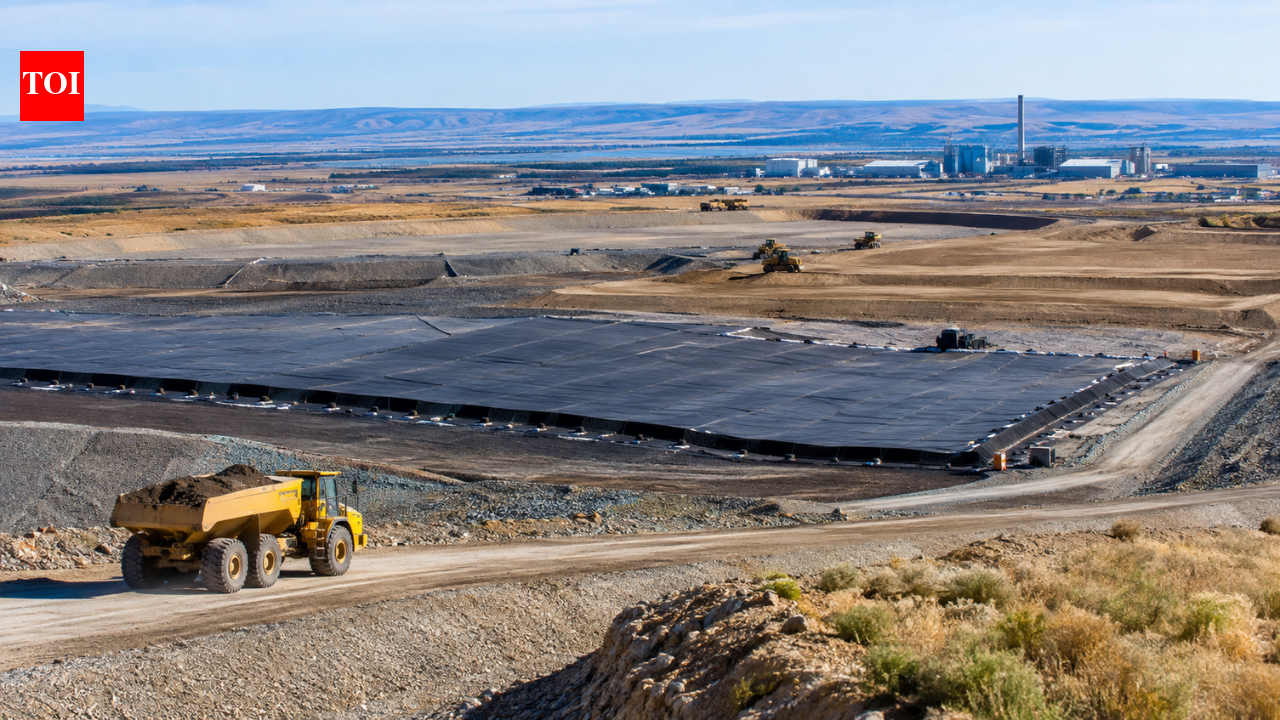
A Hanford landfill has taken 20 million tons of radioactive and hazardous waste since 1996; its latest expansion will add 2.8 million cubic yards

At the centre of Washington state’s sprawling Hanford Site, an enormous engineered landfill is being made larger as one of the United States’ biggest environmental cleanup programmes continues. According to the US Department of Energy (DOE), the Environmental Restoration Disposal Facility (ERDF) has been receiving waste since 1996. Over that time, 20 million tons of … Read more

An Alabama man fought a power company over a 74-mile transmission line planned across his 416-acre retirement property; after crews moved within 500 yards, a judge temporarily blocked them from entering

An Alabama man fought a power company over a 74-mile transmission line planned across his 416-acre retirement property; after crews moved within 500 yards, a judge temporarily blocked them from entering

A landowner in Shelby County, Alabama, has won a temporary court order stopping utility crews from clearing land on his 416-acre retirement property. The order has paused construction work on part of a major regional power project. Circuit Judge Jonathan A. Spann issued a preliminary injunction blocking Alabama Power from entering Fenn Church’s property. The … Read more

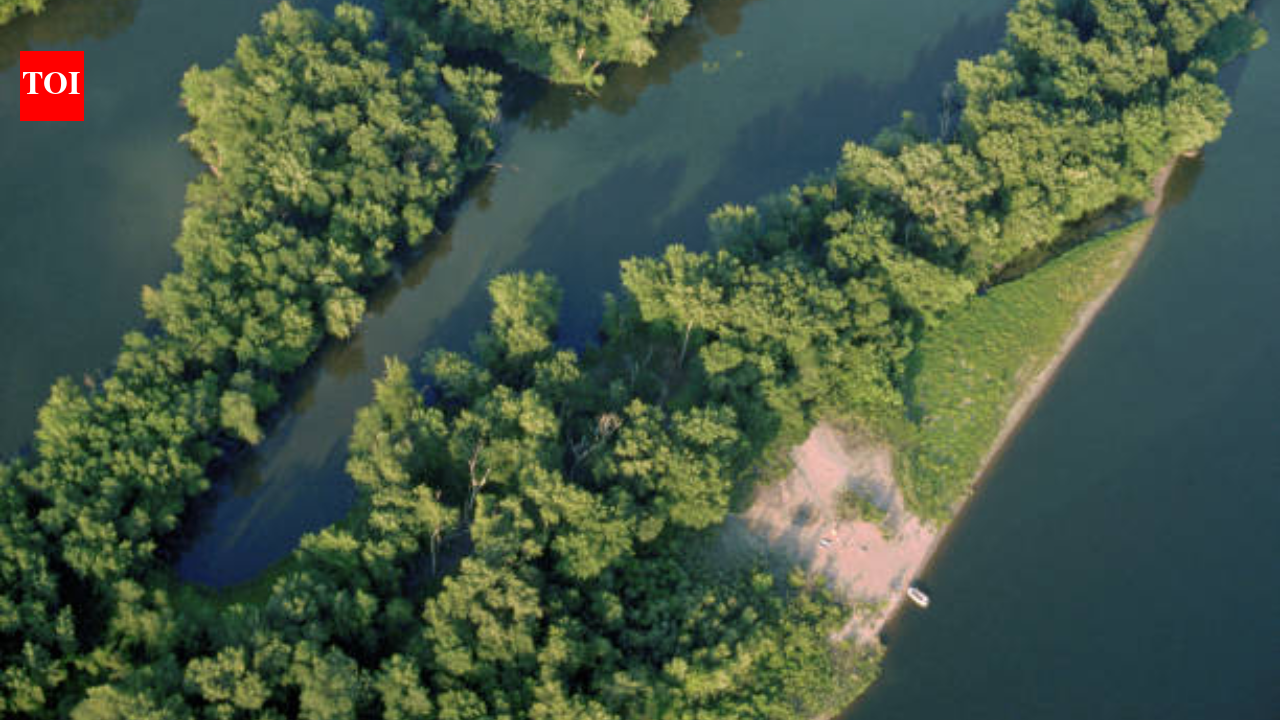
Engineers dredged 500,000 cubic yards of sand from the Mississippi River and used it to build seven islands; six years later, the $25 million McGregor Lake project has restored 270 acres of aquatic habitat and protected 22 acres of wetlands

Engineers dredged 500,000 cubic yards of sand from the Mississippi River and used it to build seven islands; six years later, the $25 million McGregor Lake project has restored 270 acres of aquatic habitat and protected 22 acres of wetlands

For years, sand dredged from the Mississippi River was removed to keep one of America’s most important waterways navigable. At one restoration site, engineers found another use for that material, building islands. The US Army Corps of Engineers has completed a $25 million habitat restoration project at McGregor Lake in Wisconsin, where about 500,000 cubic … Read more

A former fuel-tank farm beside an Alaska national park visitor center has been erased; a young conservation crew restored 15,000 square yards of landscape and built 500 feet of new trail

A former fuel-tank farm beside an Alaska national park visitor center has been erased; a young conservation crew restored 15,000 square yards of landscape and built 500 feet of new trail

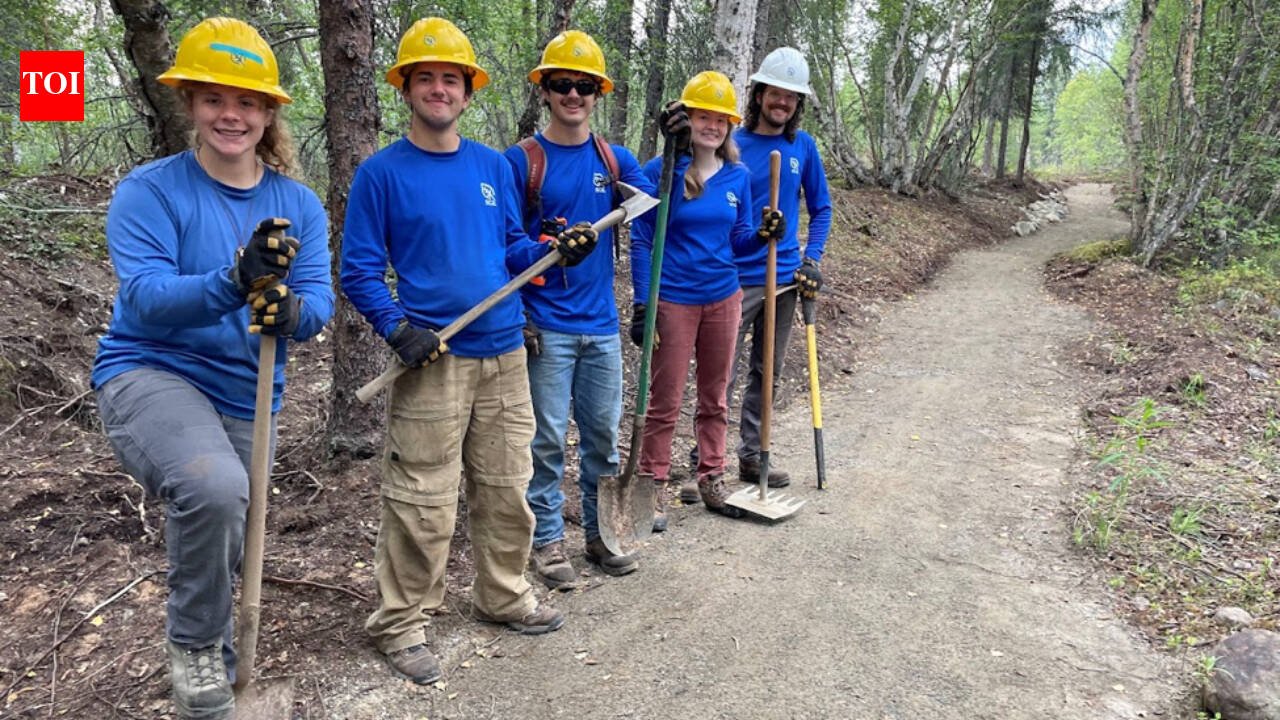
The project also created about 500 feet of new pedestrian trail, connecting the visitor center with the Lakeview Tinitun trail and the broader trail network. What was once a utilitarian patch of ground beside an Alaska visitor center is now becoming part of the landscape again. At Lake Clark National Park and Preserve, a young … Read more

In 2024, Utah recycled 15,000 cubic yards of 30-year-old highway concrete on site; enough to fill two Goodyear Blimps became road base for new interchanges

In 2024, Utah recycled 15,000 cubic yards of 30-year-old highway concrete on site; enough to fill two Goodyear Blimps became road base for new interchanges

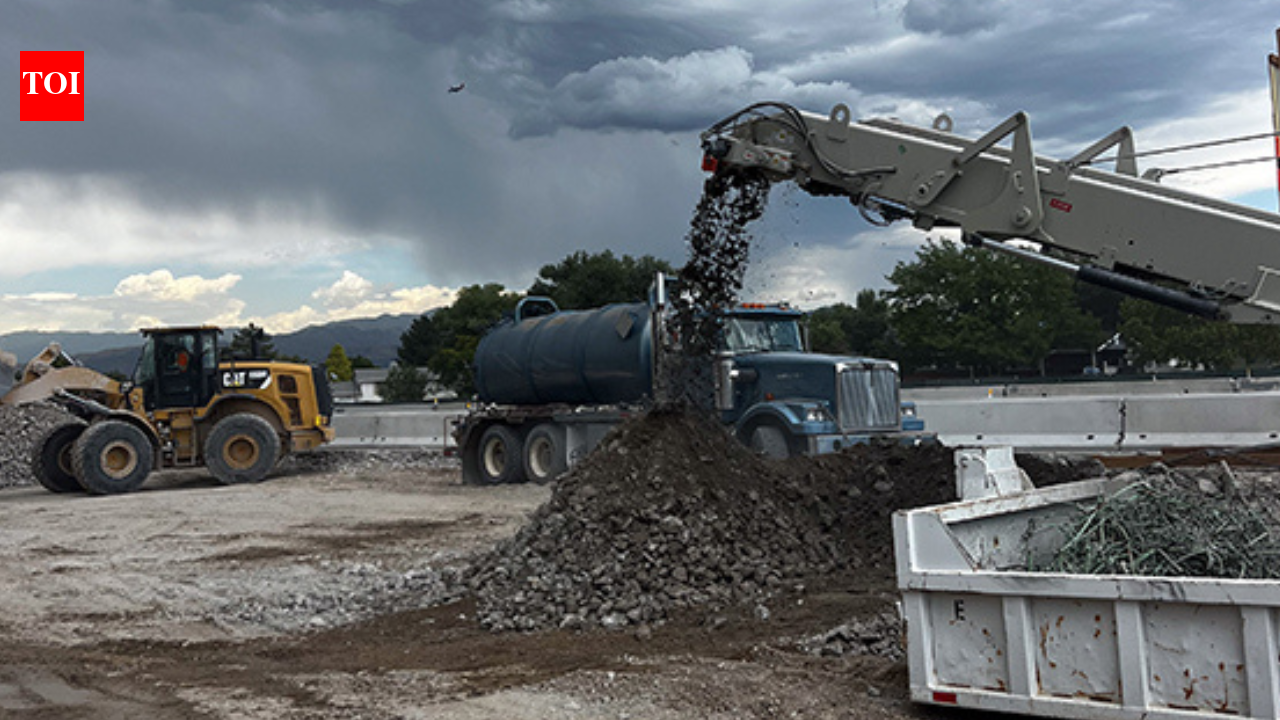
What if an old highway could become part of the new one? In Utah, that is exactly what happened. The Utah Department of Transportation (UDOT) recycled around 15,000 cubic yards of concrete from the old Bangerter Highway in 2024, crushing it on site and reusing it as road base for new highway interchanges. The amount … Read more

In 1972, Illinois used 246,000 cubic yards of coal fly ash beneath 7,500 feet of expressway; monitoring found no evidence of settlement, frost or capillary-rise problems

In 1972, Illinois used 246,000 cubic yards of coal fly ash beneath 7,500 feet of expressway; monitoring found no evidence of settlement, frost or capillary-rise problems

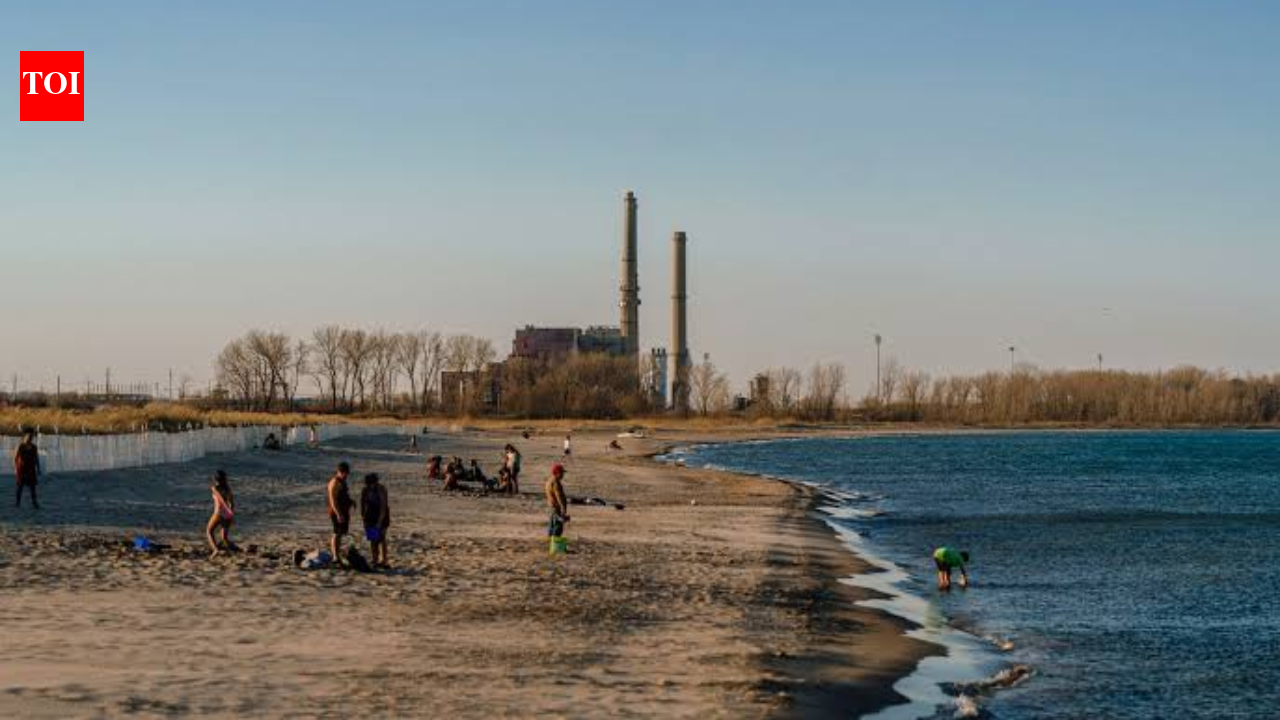
More than five decades ago, civil engineers in northern Illinois carried out a major engineering experiment by using 246,000 cubic yards of coal fly ash beneath 7,500 feet of a major expressway embankment. The pioneering project, completed in 1972 near Waukegan along the US Route 41 corridor, was one of the earliest large-scale examples of … Read more

In 2020, a $186 million cleanup began at Minnesota’s Spirit Lake; four years later, 1.3 million cubic yards had been remediated and a 14-acre fish-spawning bay created

In 2020, a $186 million cleanup began at Minnesota's Spirit Lake; four years later, 1.3 million cubic yards had been remediated and a 14-acre fish-spawning bay created

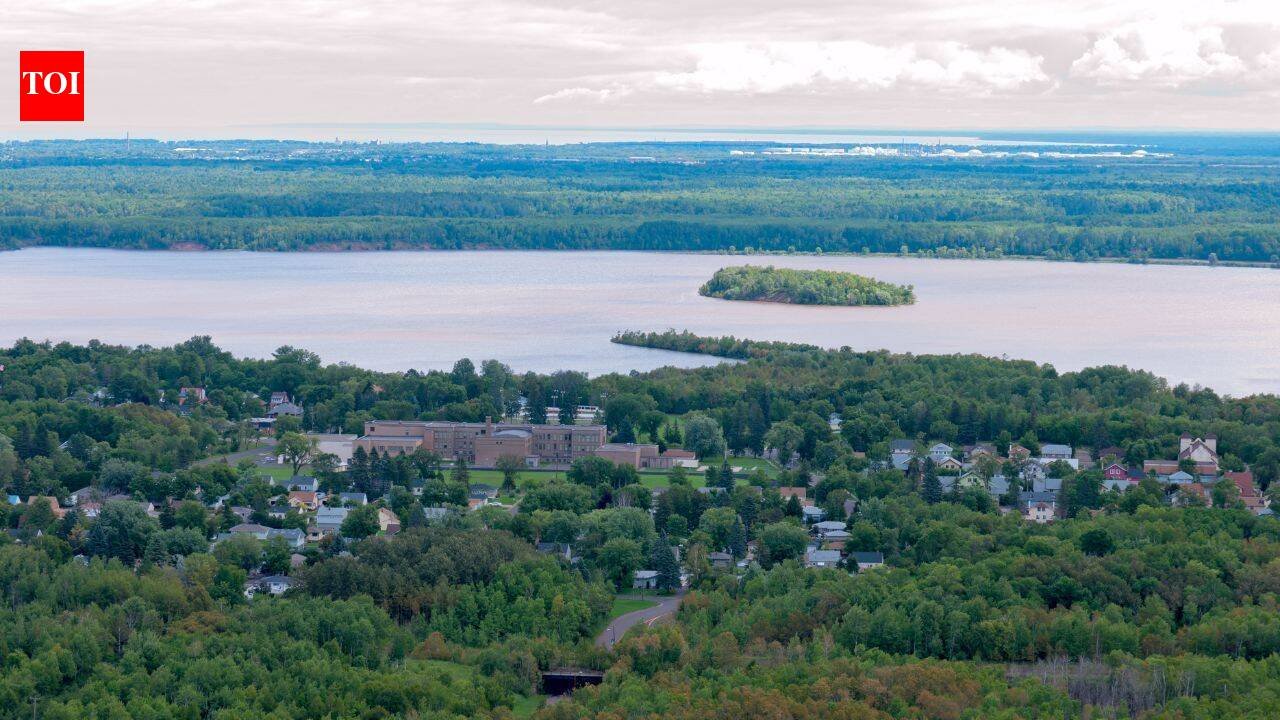
For over a century, the industrial engines of Minnesota’s Iron Range drove the economy of Duluth. Raw iron ore moved down through the St. Louis River basin, feeding massive manufacturing plants along the shore. But that industrial output came with a long-term environmental tax. At Spirit Lake, which is a broad stretch of the river … Read more