Scientists tagged 14,000 endangered Australian moths with paint and eyelash glue to trace their migration; not one was found, and researchers say that may be good news
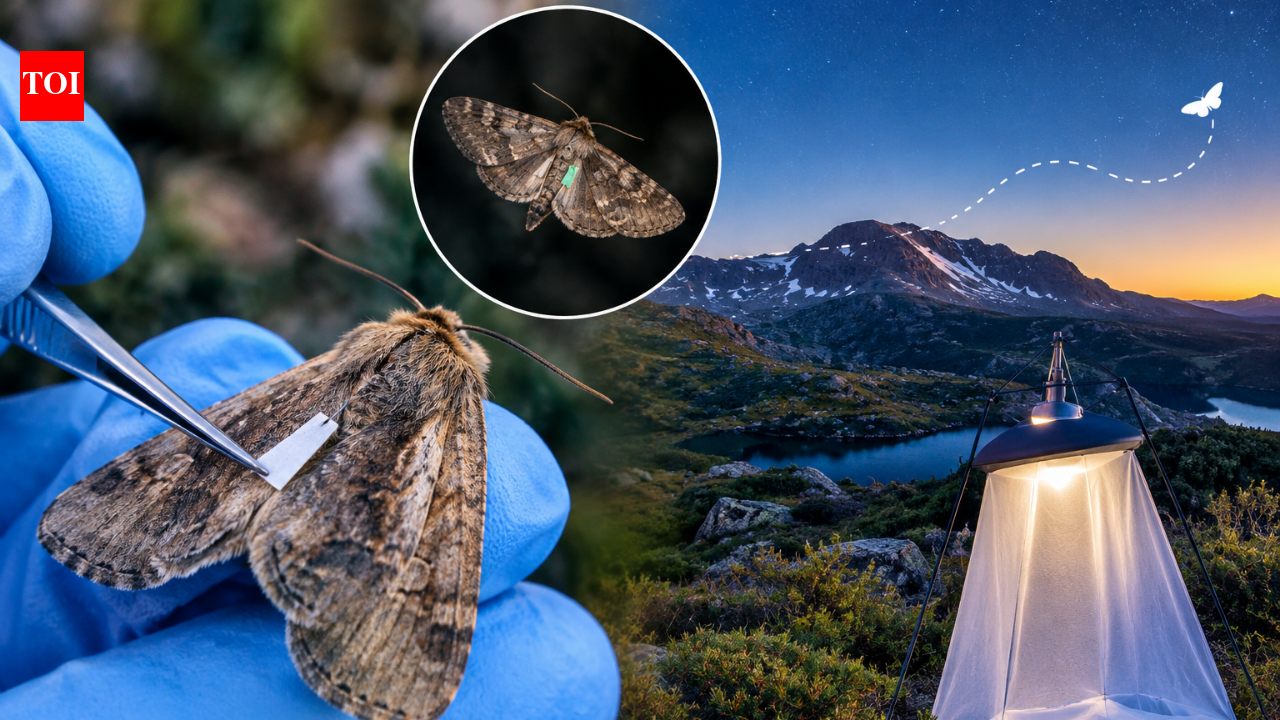
Scientists tagged 14,000 endangered Australian moths with paint and eyelash glue to trace their migration; not one was found, and researchers say that may be good news

Representative Image (AI-generated) More than 14,000 Bogong moths were tagged in an unusual attempt to uncover the secrets of one of Australia’s most remarkable insect migrations. Researchers marked the endangered moths in the Snowy Mountains and hoped to track where they travelled after leaving their summer shelters. Some were marked with non-toxic paint, while others … Read more
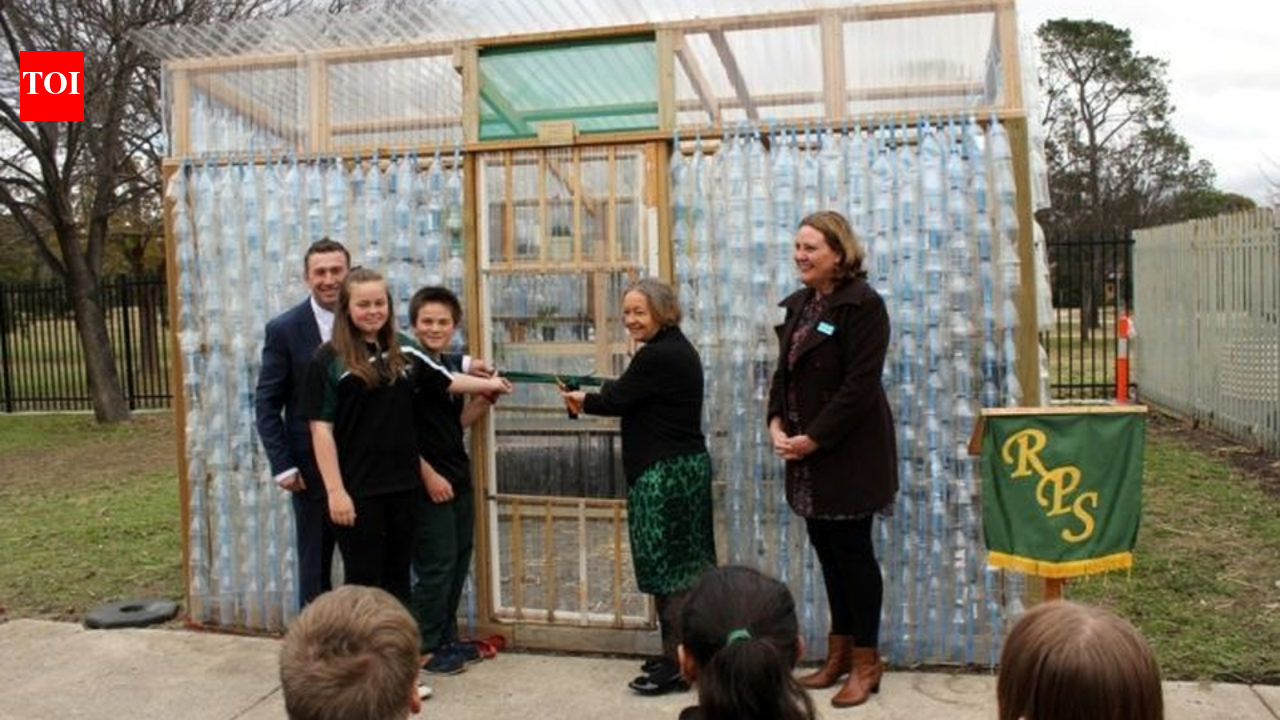
Australian high school students collected more than 2,000 plastic bottles to form a greenhouse, 11 years later, the structure supplies food for the school’s garden

Australian high school students collected more than 2,000 plastic bottles to form a greenhouse, 11 years later, the structure supplies food for the school's garden

A project that began as an ecological lesson has transformed the lives of students at an Australian high school. In the country’s capital of Canberra, students at the Richardson Primary School in south Canberra collected more than 2,000 plastic bottles and transformed them into the walls of a greenhouse that has been working efficiently for … Read more

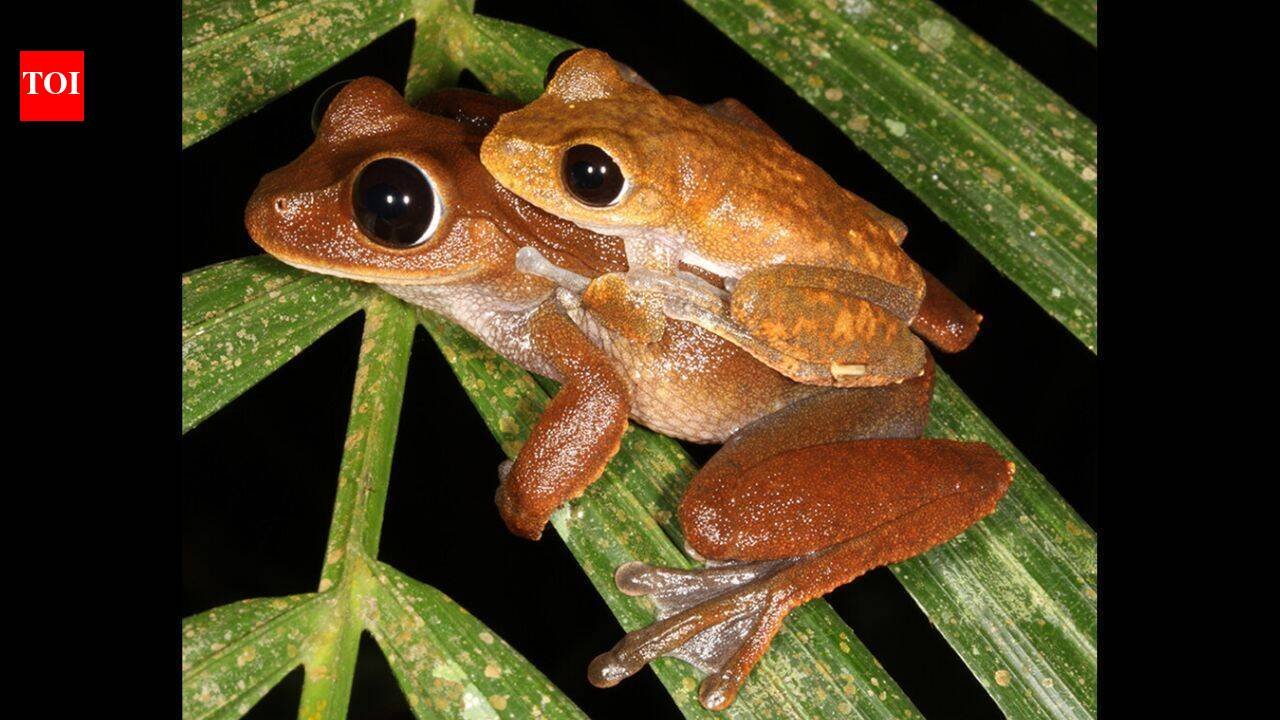
Scientists searched for threatened Australian rainforest frogs without seeing or hearing them; DNA in creek water collected up to 22 km downstream revealed populations in places where the frogs had disappeared

Scientists searched for threatened Australian rainforest frogs without seeing or hearing them; DNA in creek water collected up to 22 km downstream revealed populations in places where the frogs had disappeared

​Photos of a study species: the Australian Lace-lid (L. dayi)Photo credit: Conrad J Hoskin. In the cool, wet upland streams of Queensland’s Wet Tropics, several species of rainforest frog were pushed to the brink in the 1980s and 1990s by chytrid fungus, an aquatic pathogen that attacks frog skin and has driven extinctions worldwide. For … Read more

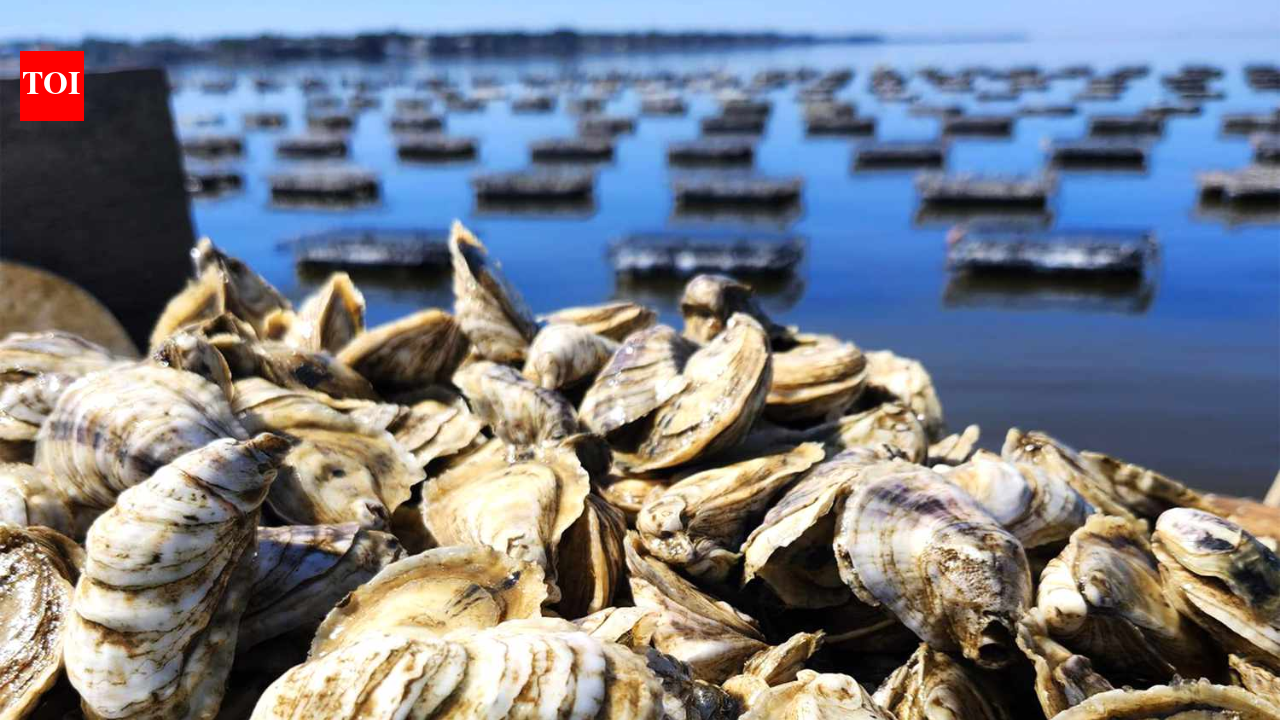
Thieves stole 400,000 juvenile oysters worth about $350,000 from an Australian farm; the grower says a third of his stock is gone and the theft has set him back two to three years

Thieves stole 400,000 juvenile oysters worth about $350,000 from an Australian farm; the grower says a third of his stock is gone and the theft has set him back two to three years

Thieves stole 400,000 juvenile oysters worth about $350,000 Waterborne thieves have raided an oyster farm on the New South Wales Mid North Coast, stealing 400,000 young oysters worth about $350,000 AUD (£177,000). The theft has wiped out around a third of the grower’s total stock. The large-scale theft is being investigated by the New South … Read more

‘I stopped all my internet accounts’: 70-year-old Australian man falls in love with six-fingered deepfake, transfers $180,000

'I stopped all my internet accounts': 70-year-old Australian man falls in love with six-fingered deepfake, transfers $180,000

Australian man Michael thought he found his soulmate in Melanie and transferred money. But it was a deepfake. A retired psychologist in his 70s has been scammed out of $180,000 while he believed he had found his soulmate online. Queensland’s Michael continued his long-distance courtship with Melanie, a nurse in South Africa, until she turned … Read more

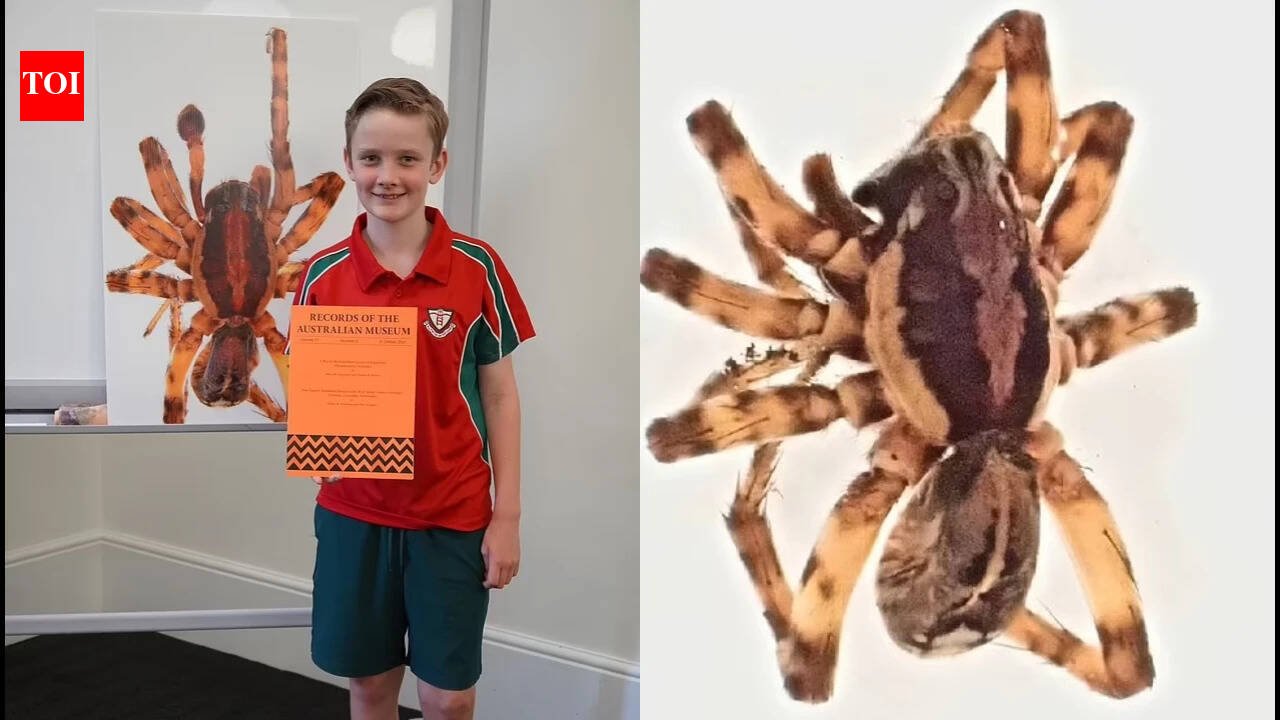
In 2020, 10-year-old Murphy Widdowson collected a spider on a remote Australian island that experts could not identify; scientists later declared it a new species and named it Artoriopsis murphyi after him

In 2020, 10-year-old Murphy Widdowson collected a spider on a remote Australian island that experts could not identify; scientists later declared it a new species and named it Artoriopsis murphyi after him

While on the remote island Murphy picked up a small spider that intrigued him, and he decided not to wonder what sort of spider he’d found, but to seek the opinion of an expert. For most kids, finding a spider would be a scream, and then a quick retreat. But for Murphy Widdowson, it was … Read more

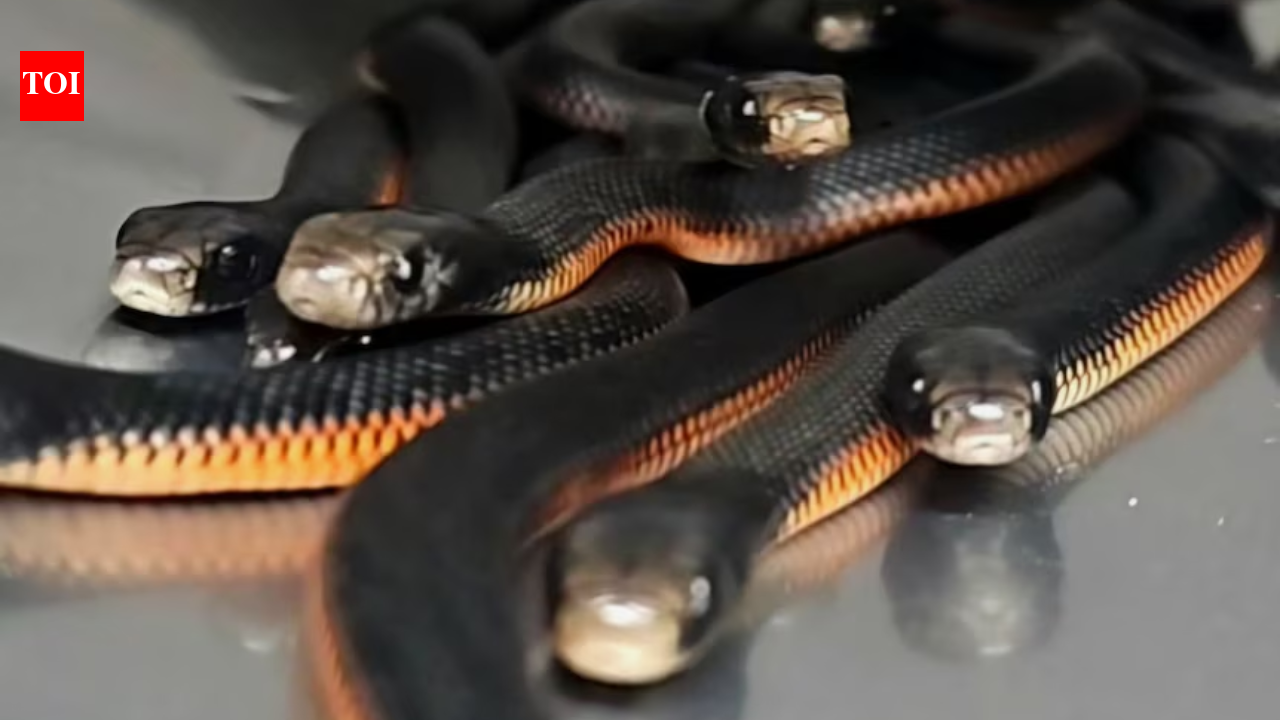
An Australian family noticed snakes disappearing into a backyard mulch pile; snake catchers found 102 venomous snakes underneath

An Australian family noticed snakes disappearing into a backyard mulch pile; snake catchers found 102 venomous snakes underneath

A few snakes disappearing into a backyard mulch pile had seemed like a worrying but manageable problem for a family in Sydney’s west. Then snake catchers started digging through it. At a property in Horsley Park, the reptiles had been slipping into the mulch for about two weeks, prompting the homeowners to call professionals after … Read more

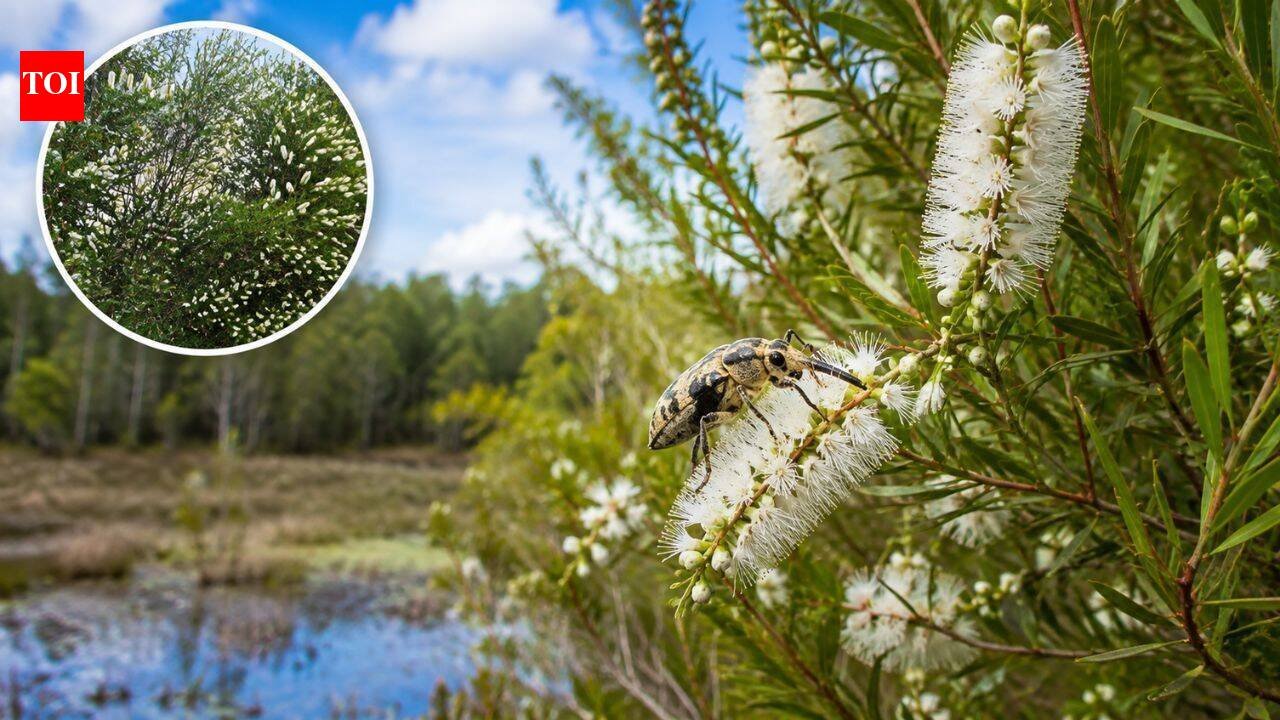
In 1997, Florida released Australian insects to fight an invasive tree. Nearly three decades later, its invaded range has fallen by about 75%

In 1997, Florida released Australian insects to fight an invasive tree. Nearly three decades later, its invaded range has fallen by about 75%

For decades, a tree from Australia spread across South Florida’s wetlands with little to hold it back. Melaleuca quinquenervia, often called paperbark, had been introduced to Florida for practical reasons, including landscaping and efforts to alter wet ground. It eventually escaped those uses and established dense stands across parts of the Everglades and surrounding wetlands. … Read more

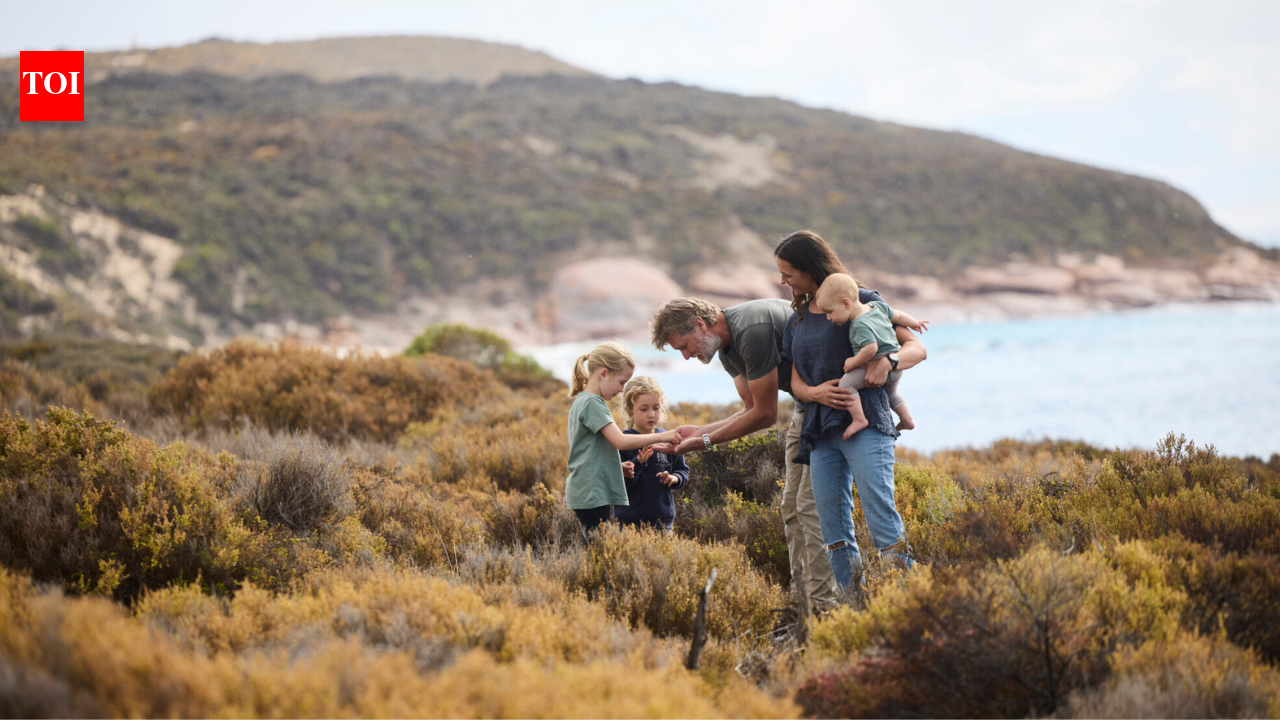
Australian family bought a remote island to run a sheep farm, now they are turning it into a $4.8 million conservation sanctuary for endangered wildlife

Australian family bought a remote island to run a sheep farm, now they are turning it into a $4.8 million conservation sanctuary for endangered wildlife

An Australian family who once built their life around sheep farming on a remote island are now helping give the same place a completely different future. Peter and Pamela Woolford took over Flinders Island off South Australia’s Eyre Peninsula and raised their family there while running a Merino sheep station. Nearly five decades later, the … Read more

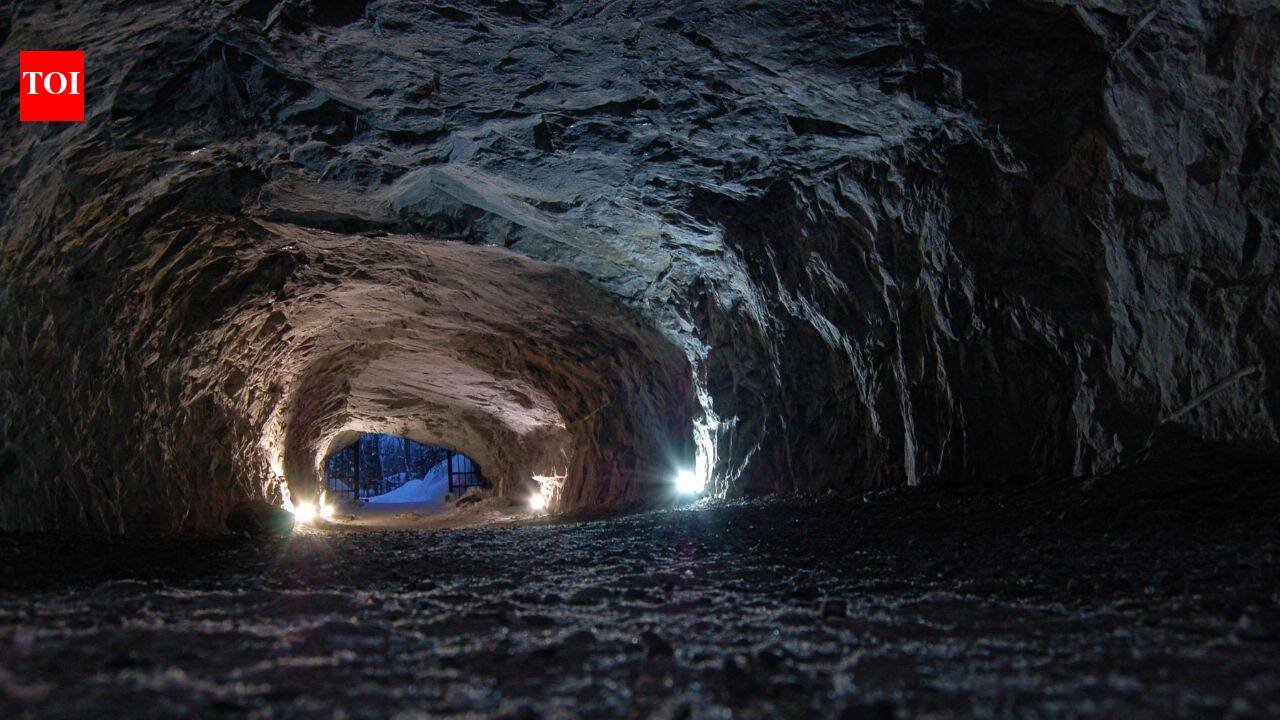
In 2006, an Australian caver saw grass moving when there was no wind; digging beneath it revealed Elk River, now one of Victoria’s longest caves

In 2006, an Australian caver saw grass moving when there was no wind; digging beneath it revealed Elk River, now one of Victoria's longest caves

In 2006, Australian caver Kim Van Dyke noticed something unusual while walking through a reserve near Buchan in Victoria’s East Gippsland. A small patch of grass was moving, even though the surrounding vegetation was completely still and there was no wind.For most people, the movement might have seemed insignificant. For Van Dyke and her husband, … Read more