A 9-acre Colorado ranch near Aspen has two natural hot springs that heat the house and supply its water; with half a mile of river frontage and its own geothermal system, the property is now asking $5.95 million
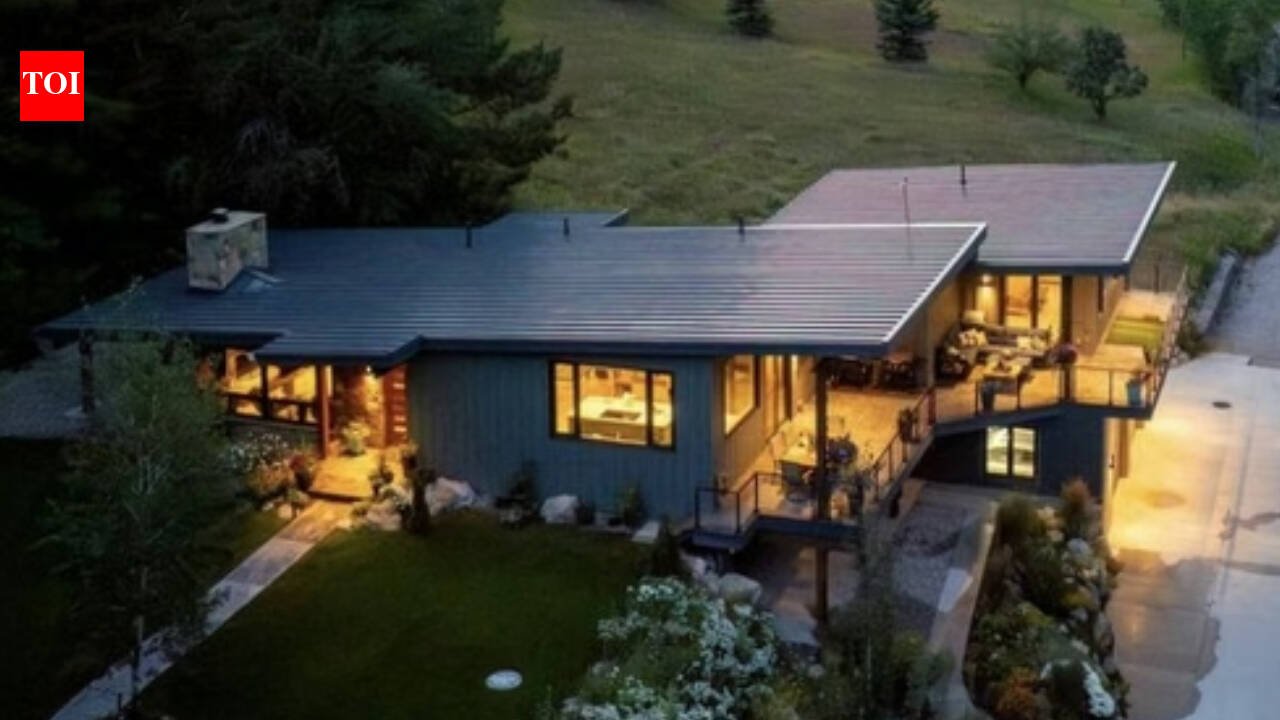
A 9-acre Colorado ranch near Aspen has two natural hot springs that heat the house and supply its water; with half a mile of river frontage and its own geothermal system, the property is now asking $5.95 million

The gated ranch at 14418 Highway 133 has recently entered the market for $5.95 million, bringing together a renovated mountain home, riverside amenities and a remarkably self-contained water and heating system. In Colorado’s Crystal River Valley, some homes come with mountain views. This one comes with something far more unusual: its own natural heating system. … Read more
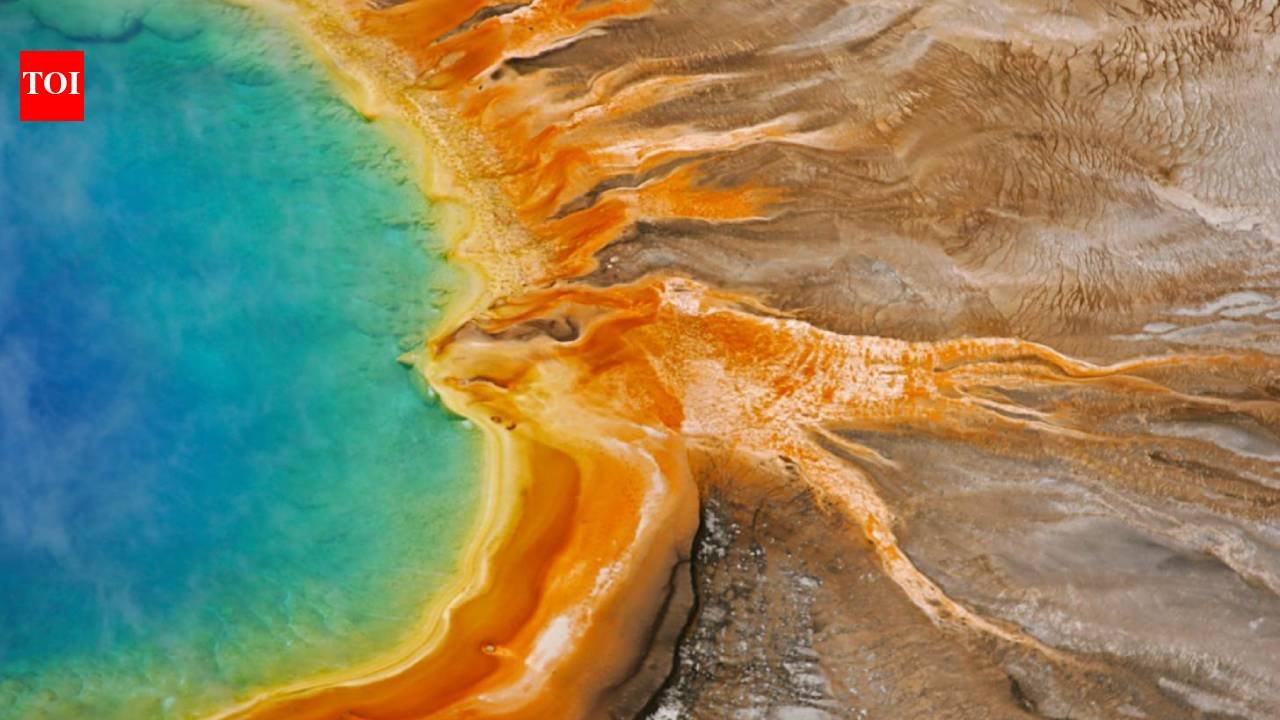
Yellowstone rangers remove 20,100 pieces of trash from geothermal areas in 2026, including more than 5,000 rocks and sticks, 280 visitor hats and over $18 in coins

Yellowstone rangers remove 20,100 pieces of trash from geothermal areas in 2026, including more than 5,000 rocks and sticks, 280 visitor hats and over $18 in coins

Yellowstone rangers uncover 20,100 pieces of trash in geothermal areas. (Photo: NPS) Cleaning up litter may be one of the less glamorous parts of working as a national park ranger, but at Yellowstone National Park, the job is particularly important because trash can pose a serious threat to the park’s geothermal features.With more than 4.5 … Read more

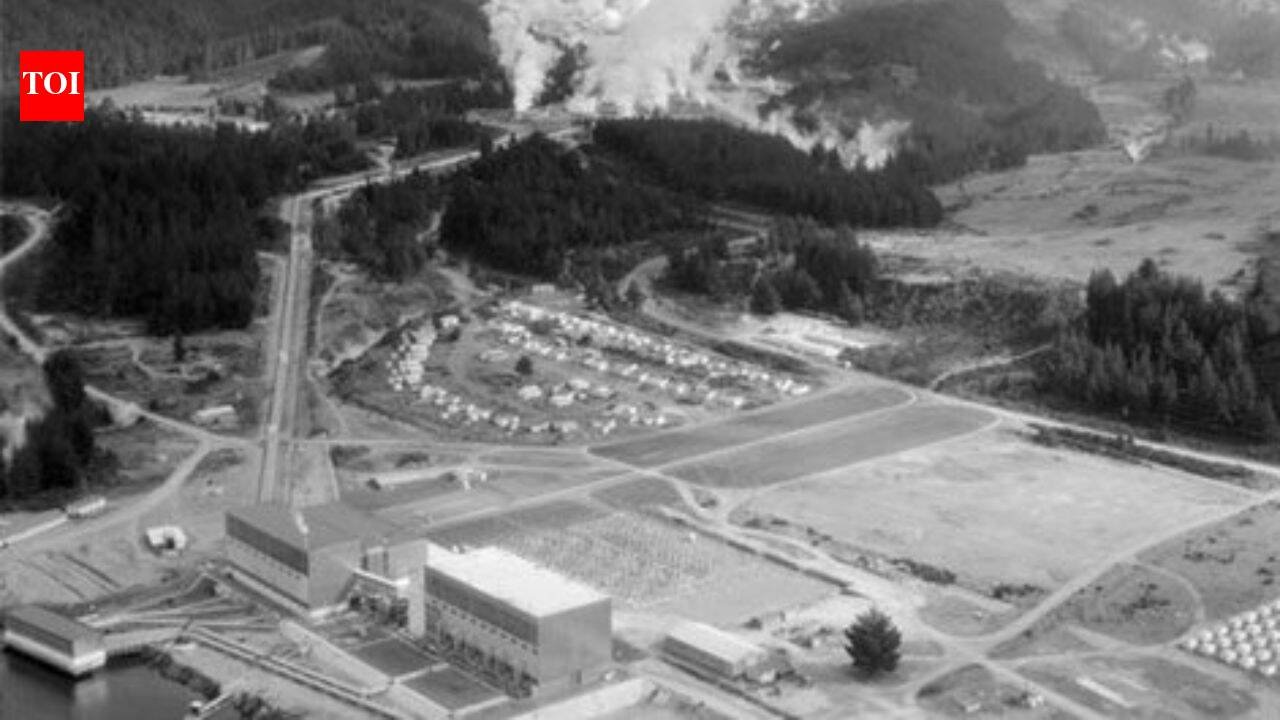
In 1958, New Zealand built a power station over a volcanic field; it became the world’s first to generate electricity from geothermal flash steam

In 1958, New Zealand built a power station over a volcanic field; it became the world's first to generate electricity from geothermal flash steam

Wairākei geothermal field in July 1978. Image Credit: Engineering New Zealand Wairākei Power Station in New Zealand changed the way geothermal heat could be turned into electricity when it was commissioned in 1958. Built beside the Waikato River, north of Taupō, the station drew on hot underground water beneath an active volcanic zone. Instead of … Read more

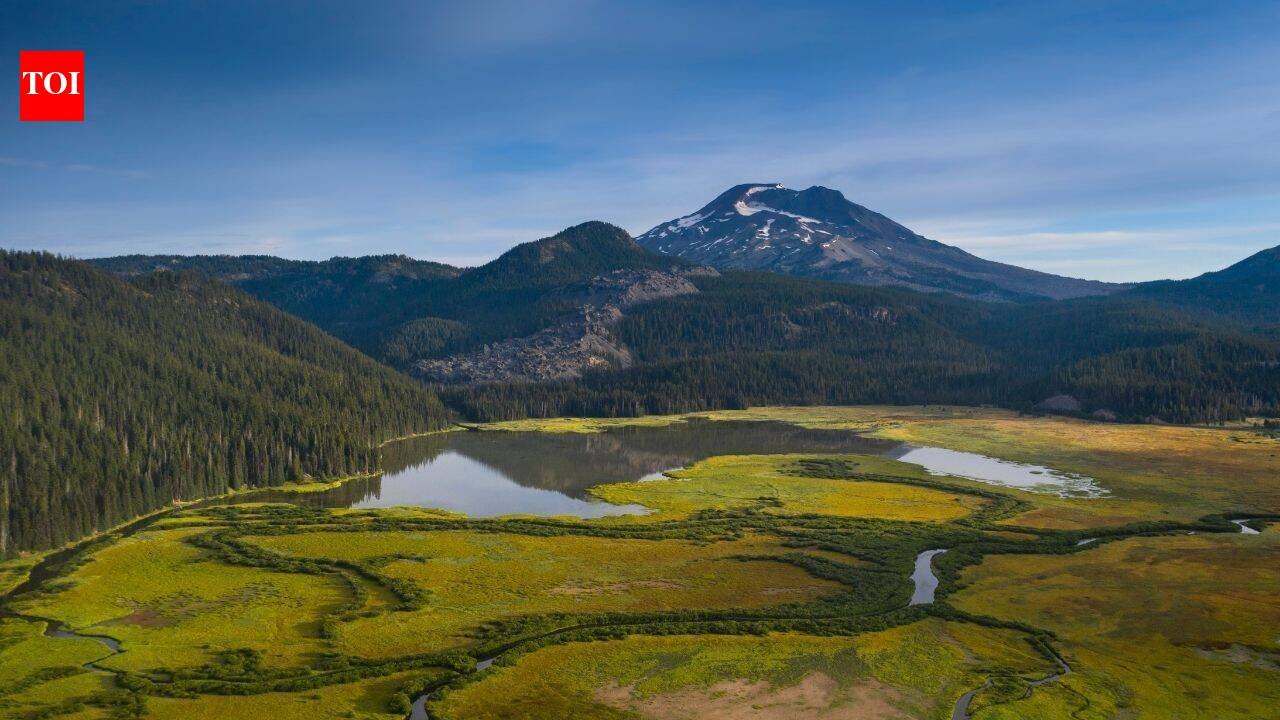
Scientists used geothermal drill-hole temperatures in Oregon’s Cascades and found at least 81 cubic kilometres of water hidden in volcanic rock, nearly 3 times Lake Mead’s capacity

Scientists used geothermal drill-hole temperatures in Oregon’s Cascades and found at least 81 cubic kilometres of water hidden in volcanic rock, nearly 3 times Lake Mead’s capacity

Oregon’s Cascade Range(Representative image by Canva) Beneath the forested slopes of Oregon’s Cascade Range, scientists have uncovered a vast, hidden reservoir of water locked inside volcanic rock. By analysing temperature data from geothermal drill holes, a University of Oregon-led team estimated that at least 81 cubic kilometres of water are stored in the region’s subsurface, … Read more