![Alaska eliminates invasive pike and restocks lake with 6,836 Arctic char<br />” msid=”133628799″ imgsize=”217653″ resizemode=”4″ width=”” title=”Alaska eliminates invasive pike and restocks lake with 6,836 Arctic char” placeholdersrc=”https://static.toiimg.com/photo/83033472.cms” offsetvertical=”0″ placeholdermsid=”47529300″ type=”thumb” class=”” src=”https://static.toiimg.com/photo/imgsize-217653,msid-133628799/alaska-eliminates-invasive-pike-and-restocks-lake-with-6836-arctic-charbr.jpg” data-api-prerender=”true”/></p>
<p>Alaska eliminates invasive pike and restocks lake with 6,836 Arctic char</p>
</div>
</div>
<p><span class=]()
Rotenone is a naturally occurring compound derived from certain tropical plants. It has been used for decades in fisheries management to remove unwanted fish from lakes and streams. When applied at carefully calculated concentrations, it blocks oxygen uptake in fish gills, killing fish while leaving most other aquatic organisms unaffected. The chemical breaks down relatively quickly in sunlight and warm water; in many Alaskan projects, detectable levels drop to near zero within weeks to months.
There are only two proven methods to eradicate invasive fish from lakes: completely draining the waterbody or using a piscicide like rotenone. For most lakes, draining is not feasible, making rotenone the default option for full eradication. Before treatment, ADF&G typically relocates any desirable native fish, such as salmon or trout, to safe holding areas or other lakes, then treats the target lake and its outlet streams to ensure no pike survive.
Stormy Lake: a case study in eradication and recoveryStormy Lake, near Anchorage, is one of the clearest examples of this approach. In fall 2012, ADF&G treated Stormy Lake and its outlet creek with liquid rotenone to eradicate an established northern pike population. Post-treatment evaluations—including netting and electrofishing surveys, found no surviving pike, confirming the treatment’s success.
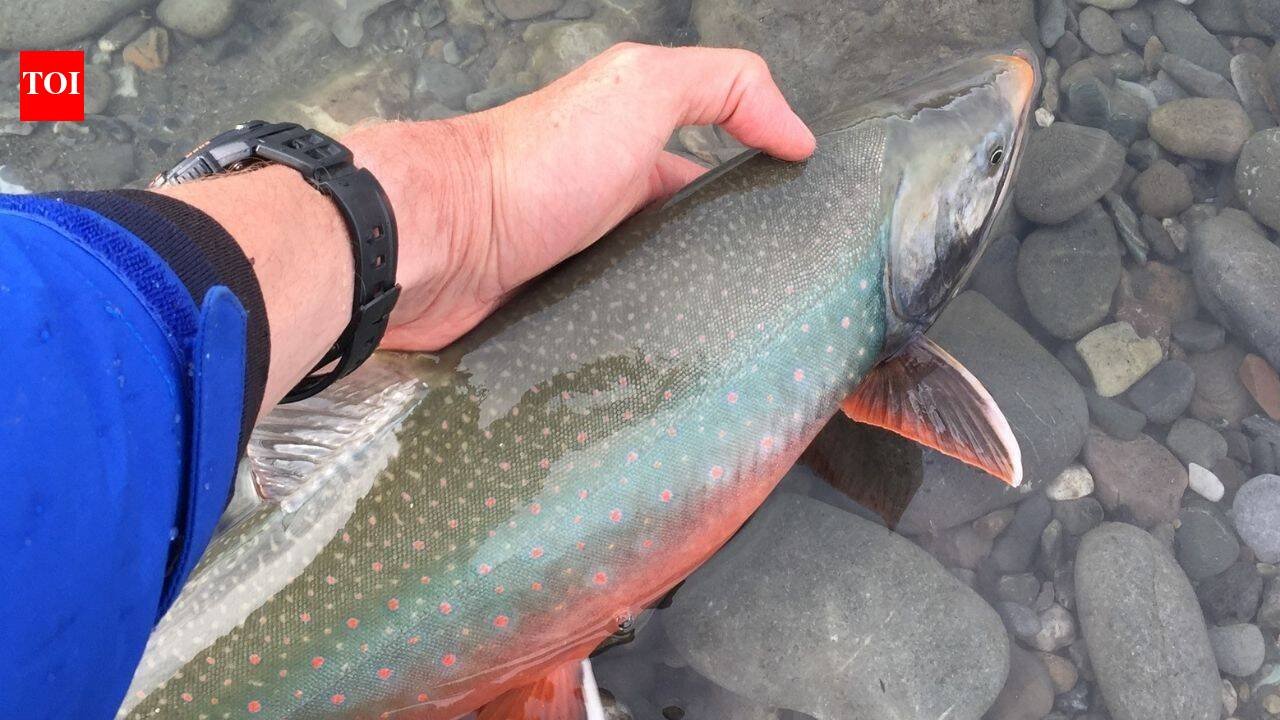
Once the rotenone had fully degraded (by late January 2013, about four months after application), the agency began restocking. Native fish that had been held in offsite net pens were reintroduced in March 2013, and on June 17, 2013, ADF&G stocked 6,836 hatchery-reared Arctic char fingerlings into Stormy Lake. These char were of mixed Stormy Lake and Dolly Varden Lake parentage, helping to re-establish a robust, genetically diverse population.
The project’s final report, published in ADF&G’s Sport Fish Research series, describes the effort as a successful model for eradicating invasive pike and restoring native fisheries.
Other lakes, similar storiesStormy Lake is not unique. ADF&G has used rotenone to remove pike from multiple lakes in the Anchorage and Mat-Su areas, including Sand Lake, Anderson Lake and Kings Lake. In each case, the sequence is similar: treat the lake, confirm pike are gone, then restock with native species such as rainbow trout, Arctic char and grayling.
For example, after rotenone treatments in 2020, Anderson and Kings lakes were declared pike-free and added to the Northern Cook Inlet stocking program in 2021. Both lakes were restocked with rainbow trout, restoring sport fisheries that had been lost to pike predation. In Anchorage, pike have been eradicated from all but one of five lakes where they were confirmed, with Lower Fire Lake remaining a management challenge.
Why Arctic char matterArctic char are a prized native species in Alaska, valued both ecologically and by anglers. They thrive in cold, clear lakes and are an important part of the natural food web. In lakes where pike have been removed, char are often a key restocking target because they can grow to good size, support recreational fishing and help re-establish a more natural predator–prey balance.
In Stormy Lake, the 6,836 char stocked in 2013 were intended to re-create a self-sustaining population that could eventually support a catch-and-release or limited-harvest fishery. Monitoring in subsequent years showed that char, along with other restocked natives, were surviving and growing, indicating the lake was returning to a healthier, pre-pike state.
Balancing restoration with public concernThe use of rotenone is not without controversy. Killing all fish in a lake, even temporarily, can be unsettling for nearby residents and anglers. ADF&G addresses these concerns through public meetings, environmental assessments and detailed explanations of why the treatment is necessary and how risks are managed.
Agency biologists emphasise that the alternative, allowing pike to remain, is often worse for native biodiversity and long-term fishing opportunities. In lakes where pike have taken hold, native species may never recover without a full reset. Rotenone, used correctly, offers a way to hit that reset button and then rebuild the fishery with native species.
A tool, not a silver bulletWhile rotenone has proven effective in isolated lakes, it is not a solution for every pike-infested waterbody. In large, connected systems like much of the Mat-Su Valley, complete eradication is currently impossible because pike can simply move back in from untreated areas. There, ADF&G focuses on suppression, using gillnets, targeted rotenone applications in key tributaries, and liberal harvest rules to keep pike numbers down in priority fisheries.
Projects like Stormy Lake show where eradication is still feasible: in relatively closed basins where pike can be fully removed and native fish reintroduced. For those lakes, the combination of rotenone treatment and strategic stocking—like the 6,836 Arctic char released in 2013, offers a path back to a more natural, resilient fishery. For Alaska’s fisheries managers, such projects demonstrate that invasive predators can sometimes be removed and native fish populations rebuilt when the conditions are right.