
In 1967, the US set off a 29-kiloton bomb under New Mexico to free natural gas; five tests yielded 213 million cubic feet, but the gas was radioactive
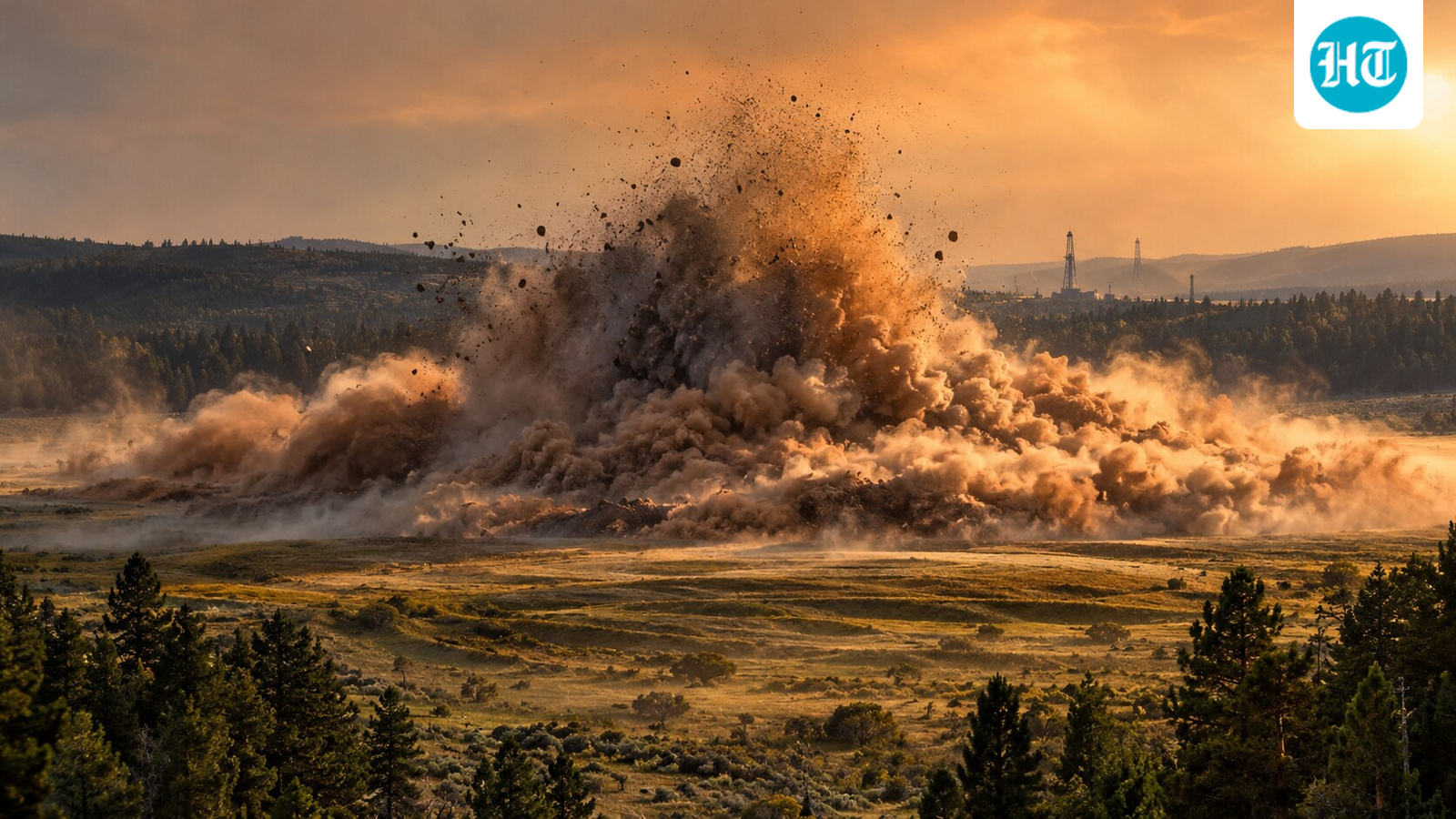
The U.S. government’s Project Gasbuggy used a nuclear explosion in 1967 to fracture rock and increase gas output. (AI-generated/ChatGPT)

What if the best way to get more gas out of the ground was to set off a nuclear bomb under it? It sounds like a bad movie plot, but the US government really did try it. According to the U.S. Department of Energy, the Atomic Energy Commission detonated a 29-kiloton nuclear device in northwestern … Read more
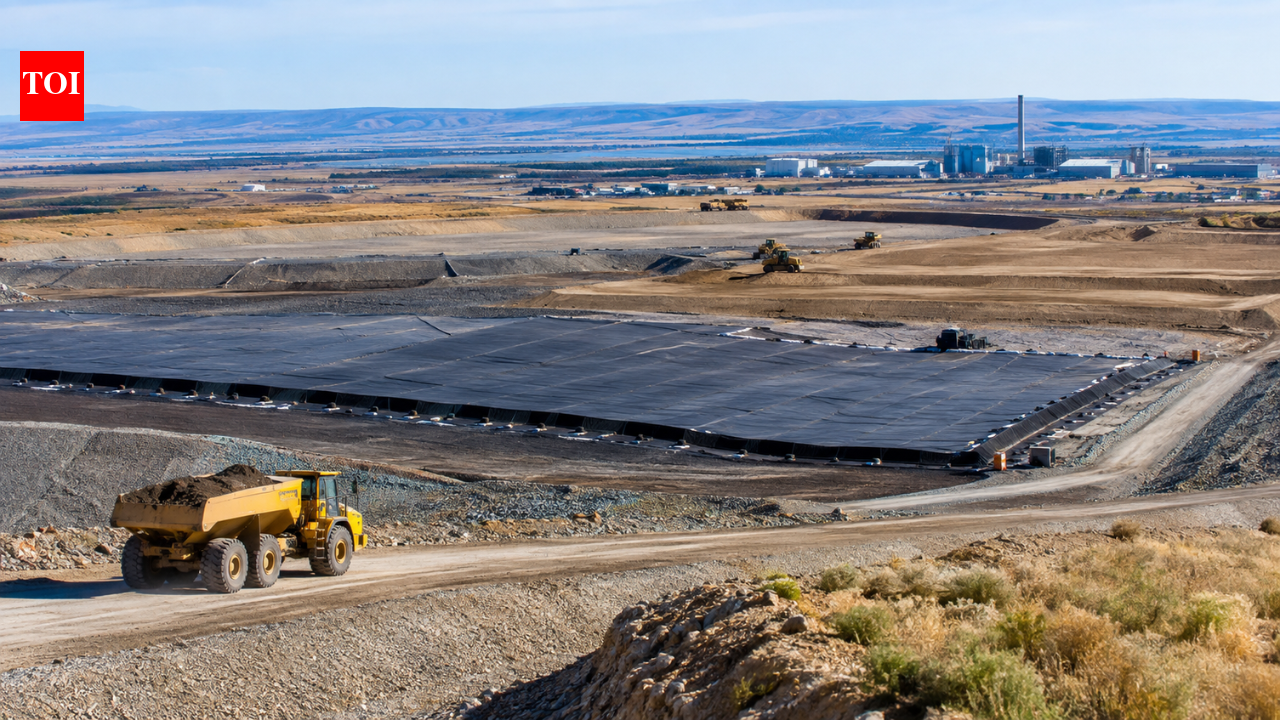
A Hanford landfill has taken 20 million tons of radioactive and hazardous waste since 1996; its latest expansion will add 2.8 million cubic yards

A Hanford landfill has taken 20 million tons of radioactive and hazardous waste since 1996; its latest expansion will add 2.8 million cubic yards

At the centre of Washington state’s sprawling Hanford Site, an enormous engineered landfill is being made larger as one of the United States’ biggest environmental cleanup programmes continues. According to the US Department of Energy (DOE), the Environmental Restoration Disposal Facility (ERDF) has been receiving waste since 1996. Over that time, 20 million tons of … Read more

After the Chernobyl nuclear disaster, scientists planted sunflowers to pull radioactive material from contaminated water and soil; the flowers actually absorbed radioactive isotopes

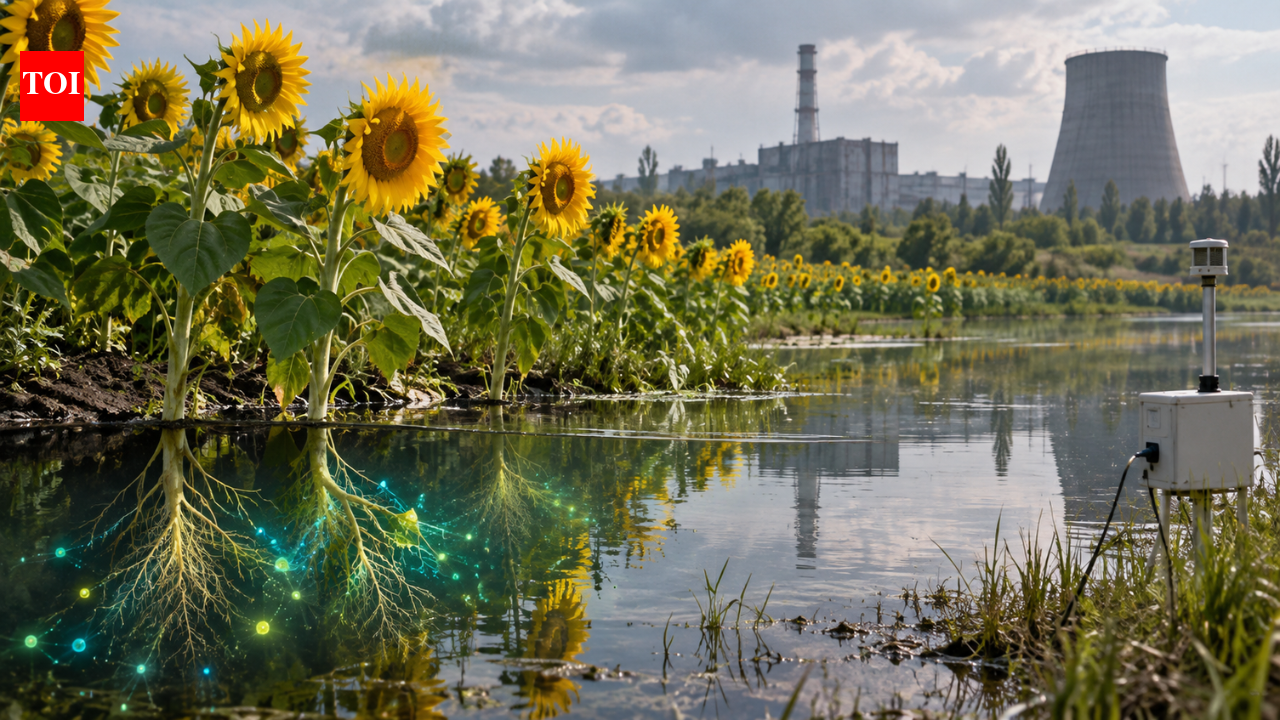
After the Chernobyl nuclear disaster, scientists planted sunflowers to pull radioactive material from contaminated water and soil; the flowers actually absorbed radioactive isotopes

After the 1986 Chernobyl nuclear disaster, scientists explored an unusual way of dealing with radioactive contamination by using plants to absorb radionuclides from the environment. Sunflowers emerged as a promising candidate because their roots can take up certain radioactive elements, including cesium and strontium, from contaminated water. Experiments near Chernobyl showed that sunflowers could remove … Read more