Chang’e-6 soil from the Moon’s far side contained a form of metallic iron never seen before in natural lunar samples; trapped in tiny impact-glass grains, it may preserve a record of the Moon’s lost magnetic field
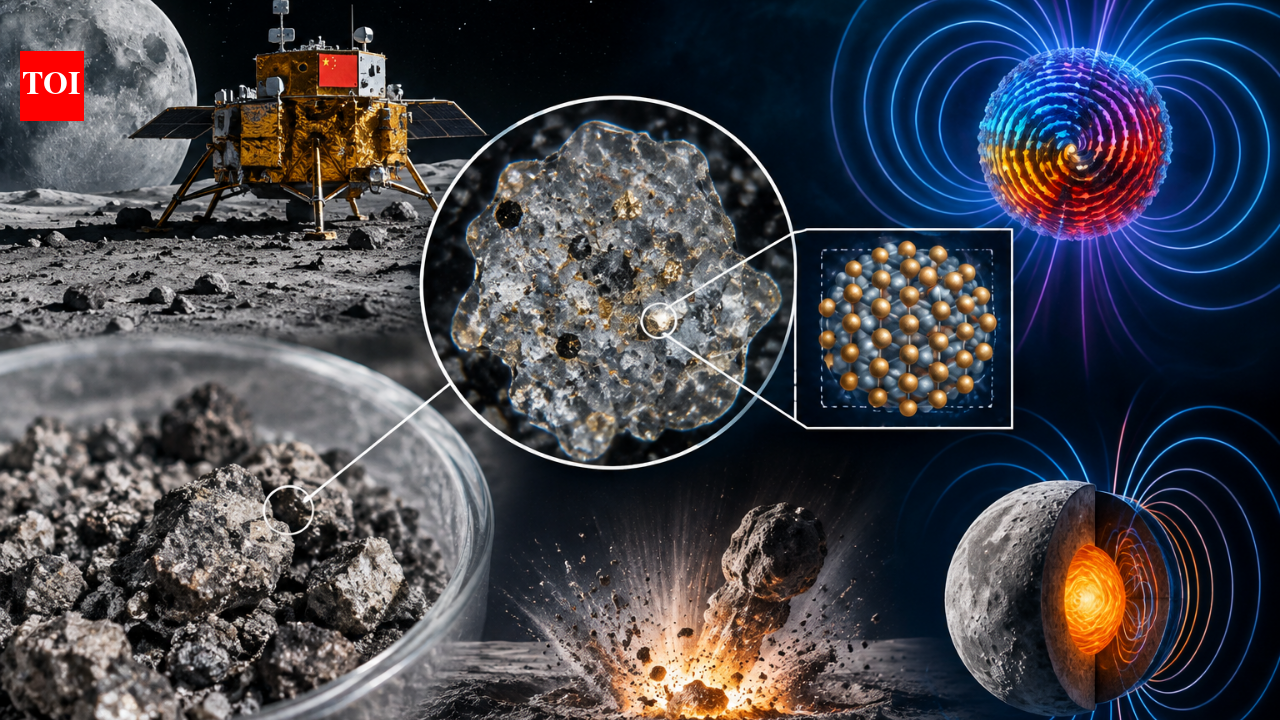
Chang’e-6 soil from the Moon’s far side contained a form of metallic iron never seen before in natural lunar samples; trapped in tiny impact-glass grains, it may preserve a record of the Moon’s lost magnetic field

Representative Image (AI-generated) A study of soil brought back from the Moon’s far side by China’s Chang’e-6 mission has uncovered a form of metallic iron never before found in natural lunar samples. Researchers from the Chinese Academy of Sciences reported the discovery after examining tiny particles preserved inside impact glass collected by the mission. The … Read more
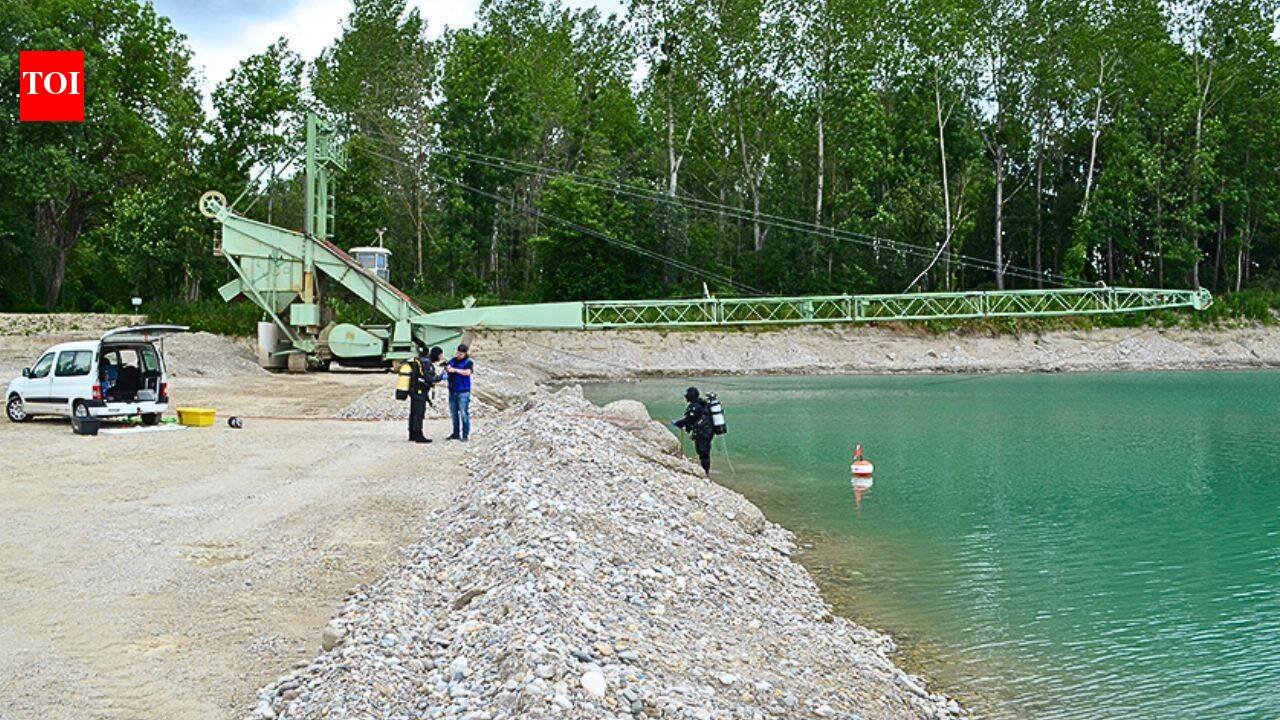
Archaeologists found 500 Iron Age iron bars in Austria’s Danube, revealing a 1-tonne cargo transported 2,000 years ago

Archaeologists found 500 Iron Age iron bars in Austria’s Danube, revealing a 1-tonne cargo transported 2,000 years ago

PC: Cambridge University Press Archaeologists have identified at least 500 forged iron bars recovered from the Danube in Upper Austria as the largest known assemblage of Iron Age iron in Europe. The discovery was made in 2019 during gravel extraction at Deinham, when workers found double-pointed iron objects in material taken from beneath the river’s … Read more

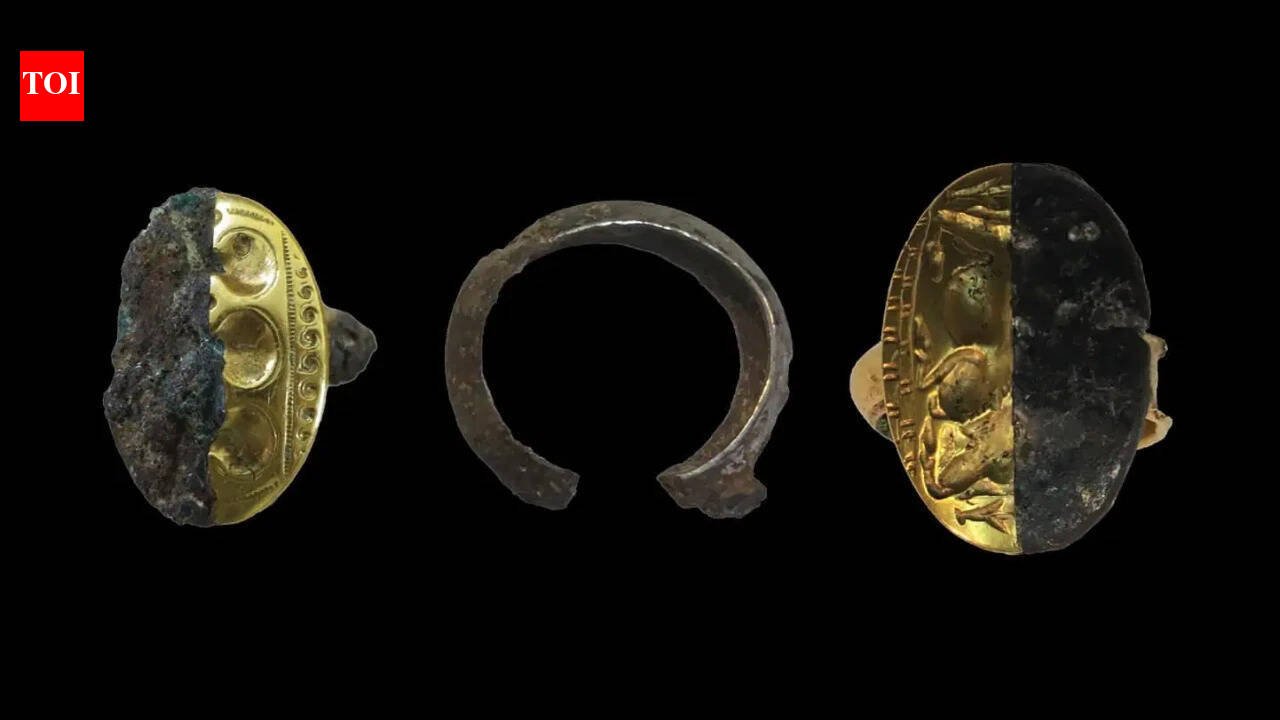
Ancient Greek elites wore jewellery made from metal that fell from space; scientists identified meteorite iron in 3,000-year-old rings

Ancient Greek elites wore jewellery made from metal that fell from space; scientists identified meteorite iron in 3,000-year-old rings

Three ancient Greek rings that were likely made using meteoritic iron and other precious metals, PC: Journal Archaeological Science Long before iron smelting became widespread in Greece, some Bronze Age elites were already wearing jewellery made from iron that may have come from meteorites. A five-year study by Matthieu Gounelle of France’s National Museum of … Read more

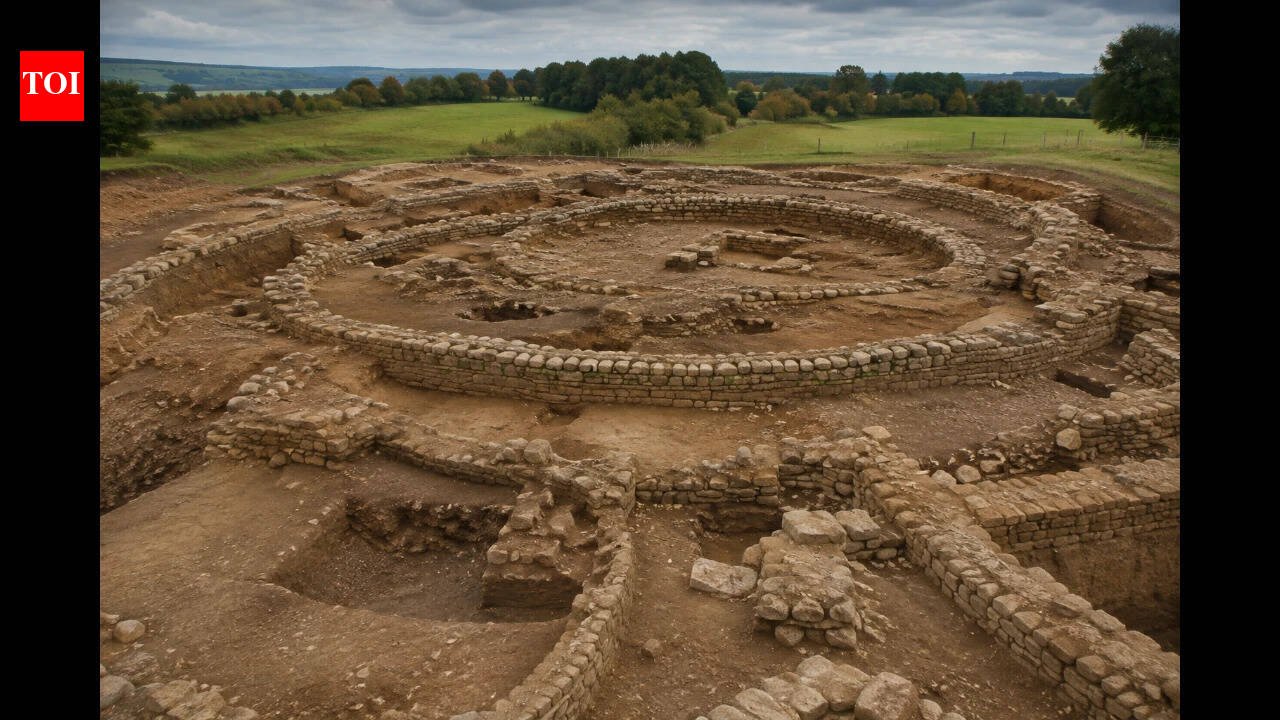
Mystery Iron Age fort in Shropshire excavated after 40 years as archaeologists investigate its strange wetlands, huge earthworks and unexplained causeways

Mystery Iron Age fort in Shropshire excavated after 40 years as archaeologists investigate its strange wetlands, huge earthworks and unexplained causeways

An unusual Iron Age fort hidden in the former wetlands of Shropshire is being excavated again after almost four decades, giving archaeologists a rare opportunity to investigate one of Britain’s most enigmatic lowland forts. Wall Camp, near Kynnersley and Telford, has been selected as the new home of the University of Birmingham’s Archaeology Field School … Read more