Hotter seas, vanishing kelp, booming octopus: How Europe’s marine life is changing

Hotter seas, vanishing kelp, booming octopus: How Europe's marine life is changing

An octopus at Porthkerris reef, off Cornwall in southwestern England (Reuters) With European waters recording their hottest summer on record, rising ocean temperatures are affecting marine life across the continent, damaging habitats and forcing several species into new waters.According to a Reuters analysis, European waters averaged 21.6°C between June and August, the highest summer average … Read more

Athens is transforming its old airport into Europe’s second-largest city park, with 70% green cover, on-site wastewater treatment and furniture made from demolished airport concrete and asphalt

Athens is transforming its old airport into Europe's second-largest city park, with 70% green cover, on-site wastewater treatment and furniture made from demolished airport concrete and asphalt

A former airport in Athens is now the site of one of the continent’s most ambitious urban greening projects. Called the Ellinikon Park, the planned project will not only add an unforgettable attraction to the city but also provide a shaded refuge for residents of the continent’s hottest city. The park will stretch over 400 … Read more

Two giant dams changed Europe’s second-longest river. Decades later, scientists found the Danube Delta was being starved of sediment

Two giant dams changed Europe’s second-longest river. Decades later, scientists found the Danube Delta was being starved of sediment

The Danube does not arrive at the Black Sea as it once did. For thousands of years, the river carried enormous quantities of sediment towards its delta, steadily building and reshaping the low-lying landscape where river channels meet lagoons and the sea. That process changed after large-scale engineering works altered the river upstream. Following the … Read more

Archaeologists found a 7,000-year-old pit packed with beaver bones; it reveals how Europe’s first farmers used animal fur

Archaeologists found a 7,000-year-old pit packed with beaver bones; it reveals how Europe's first farmers used animal fur

PC :State Office for Heritage Management and Archaeology Saxony-Anhalt Archaeologists in Germany have uncovered a Stone Age pit near Alsleben, Saxony-Anhalt, containing the bones of at least twelve beavers, offering an unusually vivid window into how Europe’s earliest farmers exploited animal fur. The roughly 7,000-year-old feature was first unearthed in 2024 during surveys ahead of … Read more

Much of Sweden’s Söderåsen plateau became more open in the 18th and 19th centuries; in 2001, 1,625 hectares were protected as a national park, and today it is one of northern Europe’s largest continuous protected broadleaf forests

Much of Sweden's Söderåsen plateau became more open in the 18th and 19th centuries; in 2001, 1,625 hectares were protected as a national park, and today it is one of northern Europe's largest continuous protected broadleaf forests

Söderåsen national park (Image Credit: Canva) Much of Sweden’s Söderåsen plateau was once far more open than the dense woodland visitors see today. A 2025 study published in The Holocene found that the landscape became much more open during the 18th and 19th centuries as grazing intensified, with grazed heathland developing on parts of the … Read more

Europe’s wildfires have raised danger posed by unexploded WWII bombs

Europe’s wildfires have raised danger posed by unexploded WWII bombs

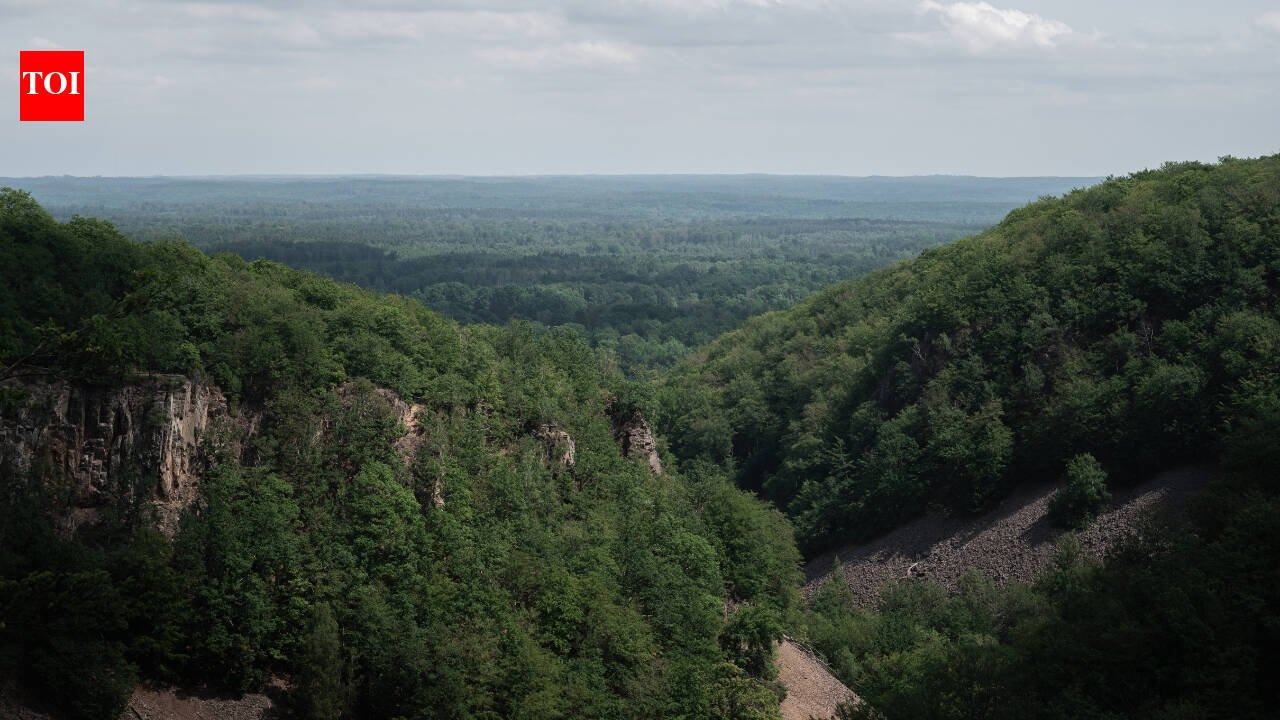
London, When a wildfire broke out in the Muritz National Park of north-eastern Germany in July, it was no routine firefighting job. Bomb disposal teams had to work alongside firefighters because the forest floor is contaminated with cold war-era munitions. Crews could not approach parts of the blaze directly for fear of detonations. Europe’s wildfires … Read more

40°C and counting: Europe was built to beat the cold. Now heatwave is exposing its biggest weakness

40°C and counting: Europe was built to beat the cold. Now heatwave is exposing its biggest weakness

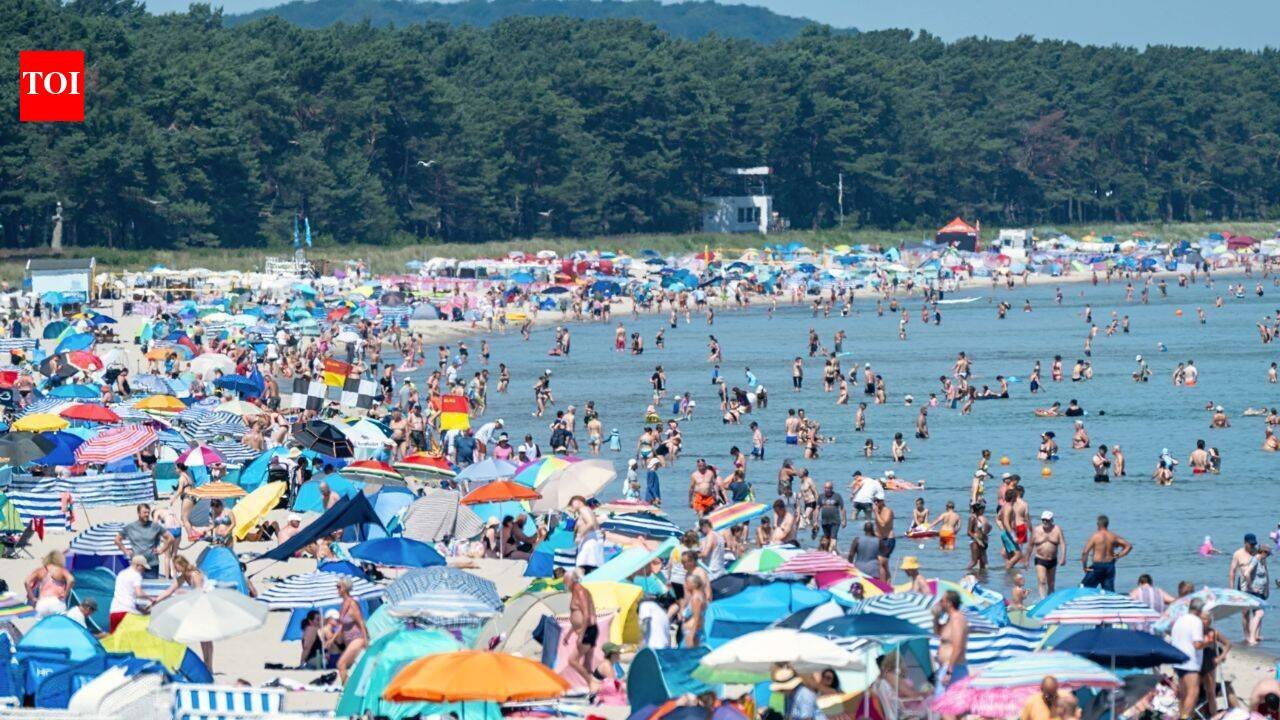
Europe battles scorching summer heat and record-breaking temperatures. Photo credit: AP For centuries, Europe knew how to fight the cold.Its homes were built to trap warmth. Thick walls, insulated roofs, double-glazed windows and tightly sealed buildings helped people survive long winters. Entire energy systems were designed around one question: how to keep people warm when … Read more