British Transport Police spent £320,786 testing live facial recognition at London stations and scanned more than 500,000 faces; the six-month trial produced one alert, and that person was wrongly identified

British Transport Police spent £320,786 testing live facial recognition at London stations and scanned more than 500,000 faces; the six-month trial produced one alert, and that person was wrongly identified

A six-month trial of live facial recognition at London railway stations cost British Transport Police (BTP) £320,786 and scanned more than 500,000 faces, but it produced just one alert from the police watchlist. That alert turned out to be a false identification, with no arrest resulting directly from the technology during the trial period. The … Read more
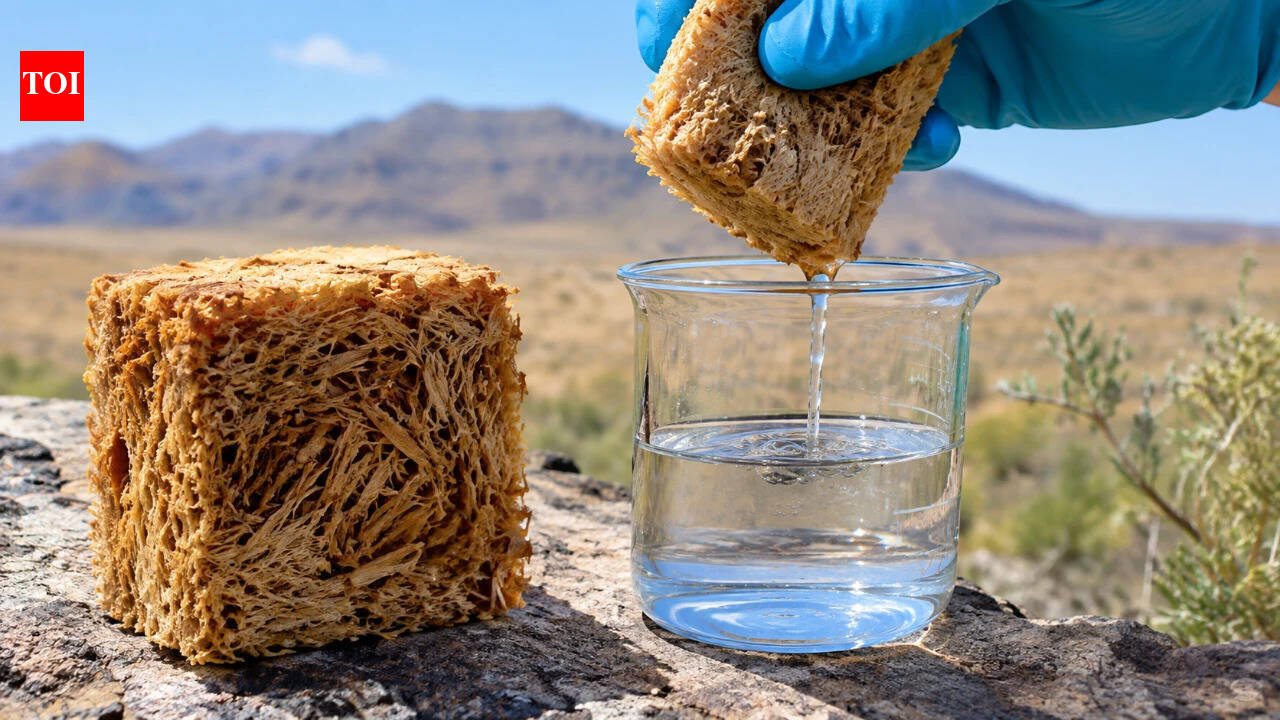
Scientists built a wood-based sponge that pulls water from air as dry as 15% humidity; it produced up to 1.72 litres per kg per day

Scientists built a wood-based sponge that pulls water from air as dry as 15% humidity; it produced up to 1.72 litres per kg per day

Image: AI-generated representation of a wood-based sponge that pulls water from air as dry as 15% humidity Water vapour is present almost everywhere, even in places where rivers, lakes and groundwater are scarce. The challenge has always been turning that invisible moisture into usable freshwater efficiently enough to make atmospheric water harvesting practical. Now, researchers … Read more

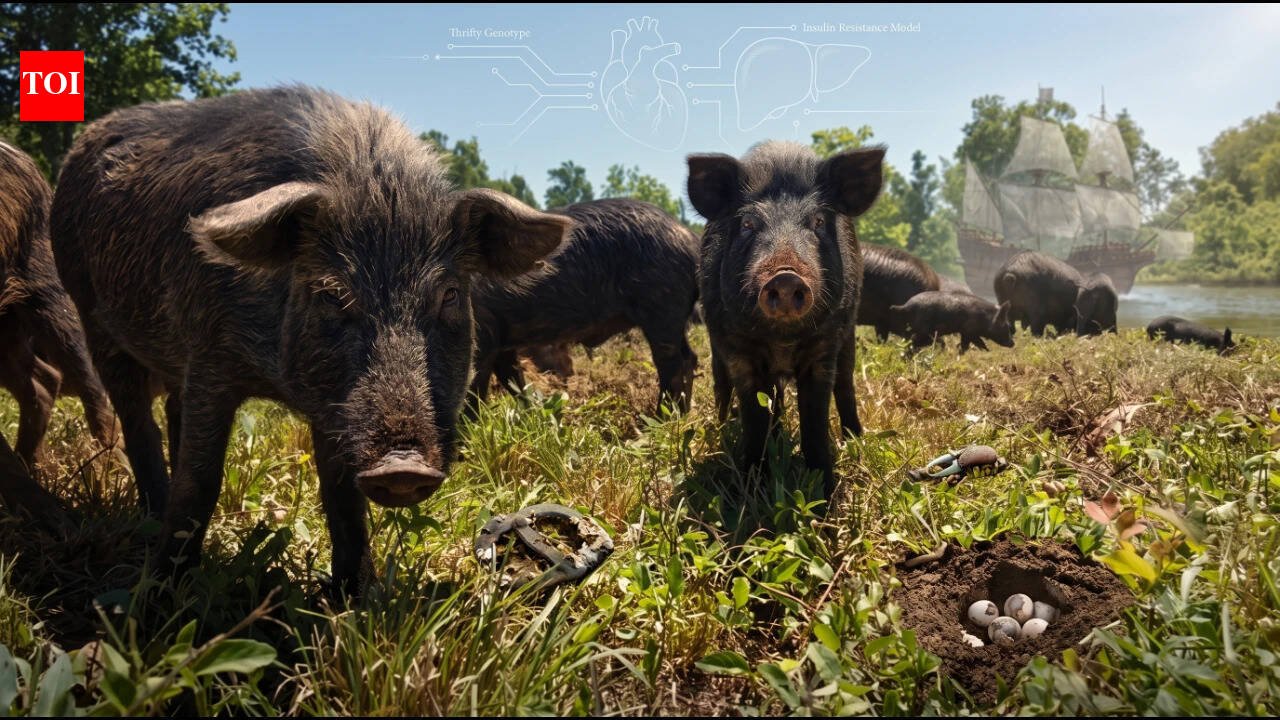
In the 1500s, Spanish explorers left pigs on a Georgia island as future food; centuries of feast and famine produced hogs that rapidly store fat and are now used to study obesity and metabolic disease

In the 1500s, Spanish explorers left pigs on a Georgia island as future food; centuries of feast and famine produced hogs that rapidly store fat and are now used to study obesity and metabolic disease

Ossabaw Island Hogs (Representational Image Generated using AI tool) Centuries ago, Spanish explorers sailing along the coast of what is now the United States brought pigs with them as a practical food supply. Some escaped, while others were deliberately released so future expeditions would find animals waiting when they returned. On Ossabaw Islanda barrier island … Read more

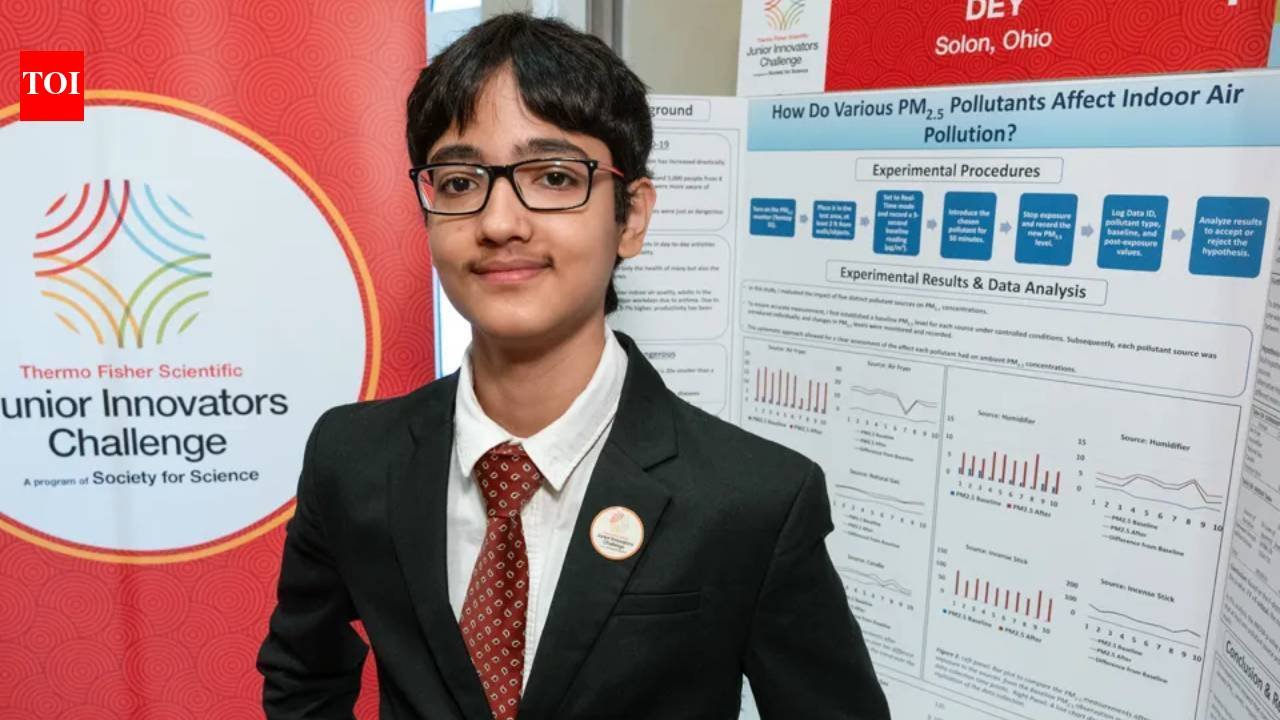
Meet Archishman Dey, the Ohio eighth-grader who tested an air fryer, candle, humidifier, gas and incense; incense produced the most fine-particle pollution

Meet Archishman Dey, the Ohio eighth-grader who tested an air fryer, candle, humidifier, gas and incense; incense produced the most fine-particle pollution

Ohio eighth-grader Archishman Dey’s experiment reveals incense produced the highest PM2.5 pollution among five household sources. (Photo: Society for Science) An eighth-grader from Solon, Ohio, is drawing attention to an often-overlooked source of air pollution – the air inside our homes. Archishman Dey, a student at Solon Middle School, conducted a science project examining how … Read more