In 1988, a California couple began restoring their 136-acre family farm; decades later, it has become a thriving habitat for birds, quail and even cougars

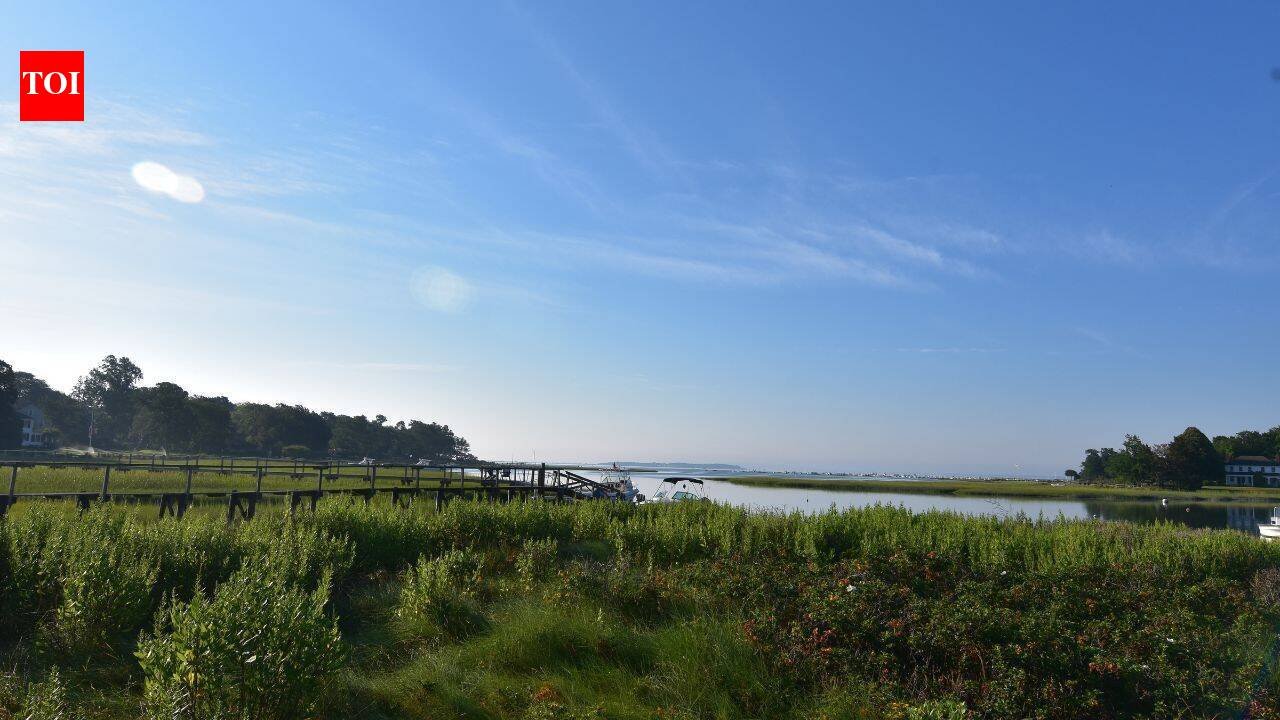
In 1988, a California couple began restoring their 136-acre family farm; decades later, it has become a thriving habitat for birds, quail and even cougars

Peter Hunter kneels beside a clump of young willows clinging to the edge of Dry Creek. The slender shoots are leafless but supple, a faint tinge of red promising spring growth. On the bank above him, Hunter eyes hundreds of seedlings, cottonwoods, redbud, and other shrubs pushing up through protective plastic tubes into the pale … Read more

In the 1960s, the US began displacing around 600 families for a 40-mile reservoir; in 1975 the dam was shelved and their land became a 70,000-acre national park

In the 1960s, the US began displacing around 600 families for a 40-mile reservoir; in 1975 the dam was shelved and their land became a 70,000-acre national park

Origin Story: The Tocks Island Dam Controversy The US government once planned to flood a 40-mile stretch of the Delaware River valley to build a massive reservoir, only to cancel the project and turn the acquired land into a sprawling federal parkland. The Delaware Water Gap National Recreation Area, a 70,000-acre national park spanning Pennsylvania … Read more

In 2020, a $186 million cleanup began at Minnesota’s Spirit Lake; four years later, 1.3 million cubic yards had been remediated and a 14-acre fish-spawning bay created

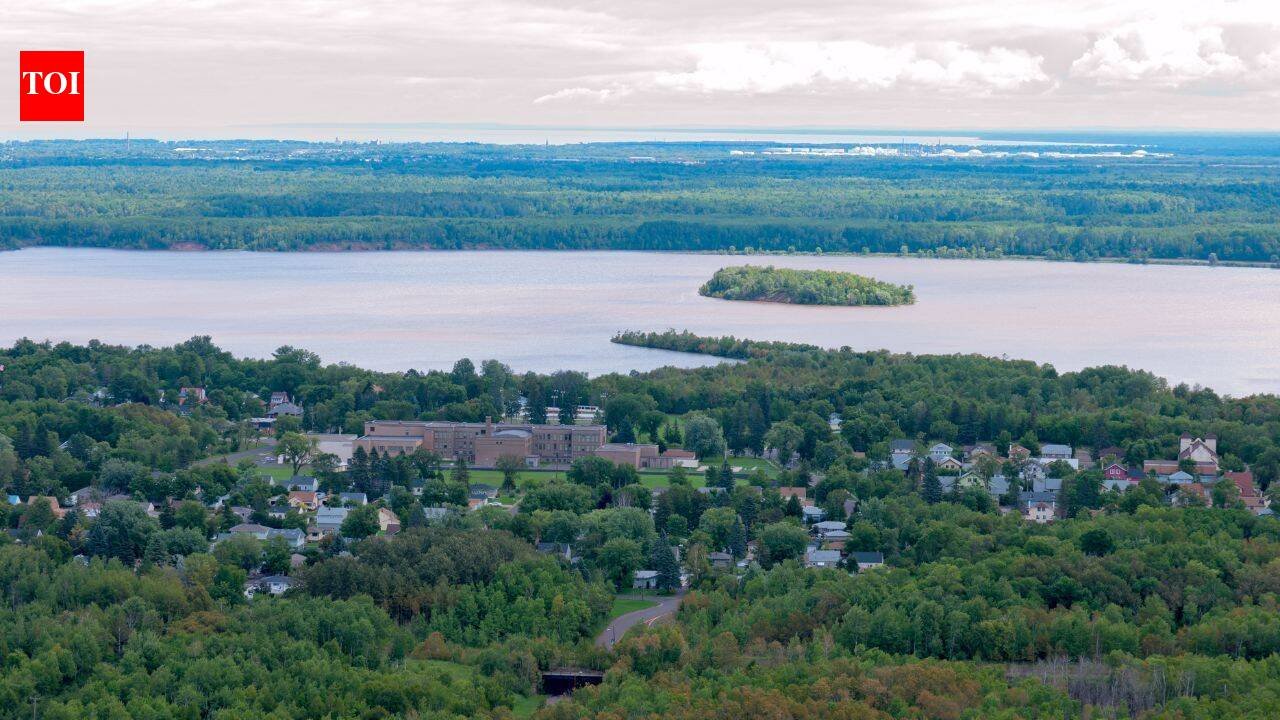
In 2020, a $186 million cleanup began at Minnesota's Spirit Lake; four years later, 1.3 million cubic yards had been remediated and a 14-acre fish-spawning bay created

For over a century, the industrial engines of Minnesota’s Iron Range drove the economy of Duluth. Raw iron ore moved down through the St. Louis River basin, feeding massive manufacturing plants along the shore. But that industrial output came with a long-term environmental tax. At Spirit Lake, which is a broad stretch of the river … Read more

In 2024, a beaver returned to a California creek after 19 years and began cutting down aspen trees beside a man-made dam

In 2024, a beaver returned to a California creek after 19 years and began cutting down aspen trees beside a man-made dam

For nearly two decades, there was no sign of beavers along Strawberry Creek in Great Basin National Park. Then, in 2024, park staff discovered evidence that one had returned, several quaking aspen trees had been freshly cut down beside a beaver dam analogue, a human-built structure designed to imitate the ecological effects of a natural … Read more

In 2026, volunteers began planting 30,000 trees to rebuild the wetland forest that once shielded New Orleans from storms

In 2026, volunteers began planting 30,000 trees to rebuild the wetland forest that once shielded New Orleans from storms

30,000 native trees near New Orleans and Lake Borgne, PC: AP Photo/Joshua A. Bickel In the wetlands behind a pumping station near Lake Borgne in Meraux, Louisiana, hundreds of young saplings stand wrapped in white plastic cylinders as volunteers ferry them through the marsh by airboat. The goal is to plant more than 30,000 native … Read more

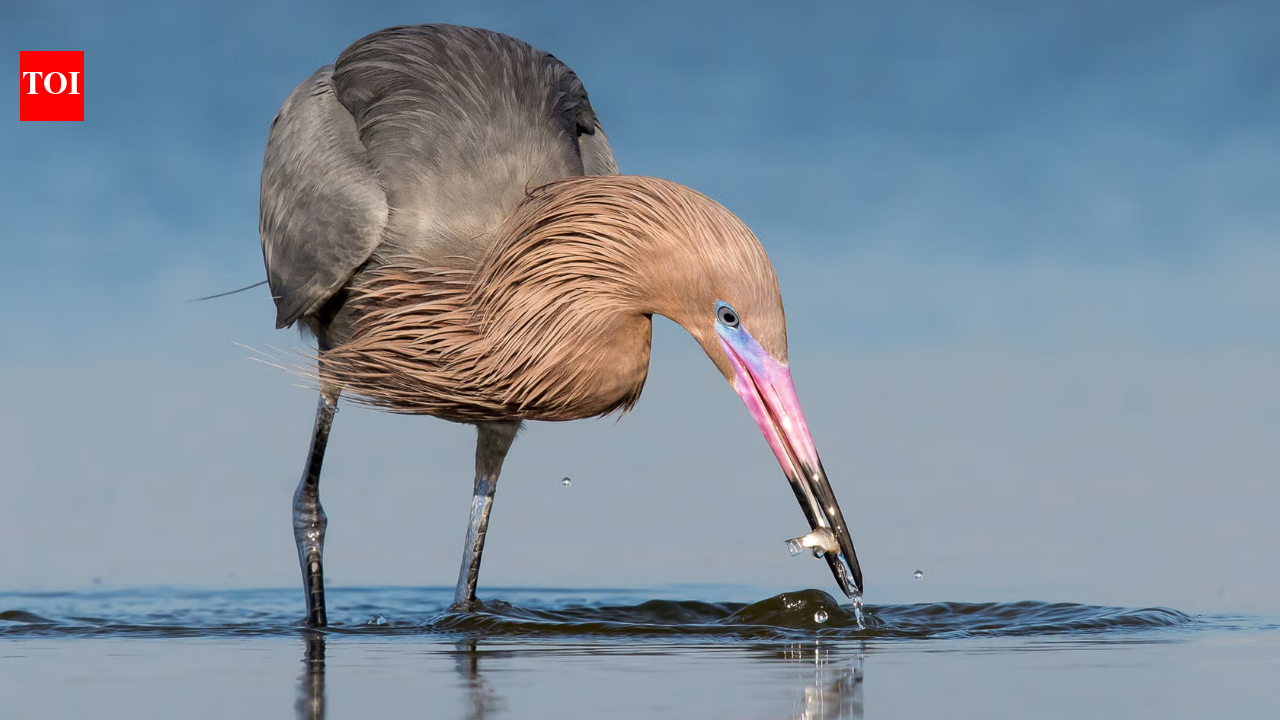
In 1923, wardens began protecting a 35-acre Texas island where the state’s last reddish egrets survived; one family lived there full time in a two-room hut, and today it holds the world’s largest nesting colony

In 1923, wardens began protecting a 35-acre Texas island where the state’s last reddish egrets survived; one family lived there full time in a two-room hut, and today it holds the world’s largest nesting colony

Welcome to the Island Where Egrets Rule A century after wildlife wardens began protecting a small island in Texas, the 35-acre site has become the world’s largest nesting colony for Reddish Egrets. Green Island sits in the Laguna Madre, a coastal lagoon in southern Texas. In 1923, Audubon Texas signed its first sanctuary lease with … Read more

In 2017, conservationists began moving young ospreys from Scotland to Dorset; five years later they bred in southern England for the first time since 1847

In 2017, conservationists began moving young ospreys from Scotland to Dorset; five years later they bred in southern England for the first time since 1847

Dorset Osprey. Credit: Birds of Poole Harbour In 2017, conservationists began moving young ospreys from Scotland to Dorset. Five years later, the birds bred in southern England for the first time since 1847. A long-term study led by Bournemouth University (BU) has now shown why the project worked and how similar methods could help birds … Read more

In 2012, conservationists began working to remove an obsolete Massachusetts dam; 14 years later, demolition started to reconnect 7 miles of stream and restore 6 acres of wetland

In 2012, conservationists began working to remove an obsolete Massachusetts dam; 14 years later, demolition started to reconnect 7 miles of stream and restore 6 acres of wetland

Duxbury, MassachusettsRepresentative image For more than a century, a small concrete dam stood in the way of a river’s natural flow. Built to serve industries that no longer exist, the Temple Street Dam in Duxbury, Massachusetts, had long outlived its purpose. It blocked fish from reaching their spawning grounds, trapped sediment, created a maintenance burden … Read more

Before becoming a billionaire investor, Bill Ackman’s journey began with a $14,000 Harvard sales job and a book linked to Warren Buffett

Before becoming a billionaire investor, Bill Ackman’s journey began with a $14,000 Harvard sales job and a book linked to Warren Buffett

Bill Ackman’s investment career can be traced back to a surprisingly modest beginning: a college sales job that earned him $14,000. While studying at Harvard, Ackman sold advertising for the student-produced Let’s Go travel guides on commission, discovering that he had a knack for turning sales into serious money. The experience offered an early glimpse … Read more

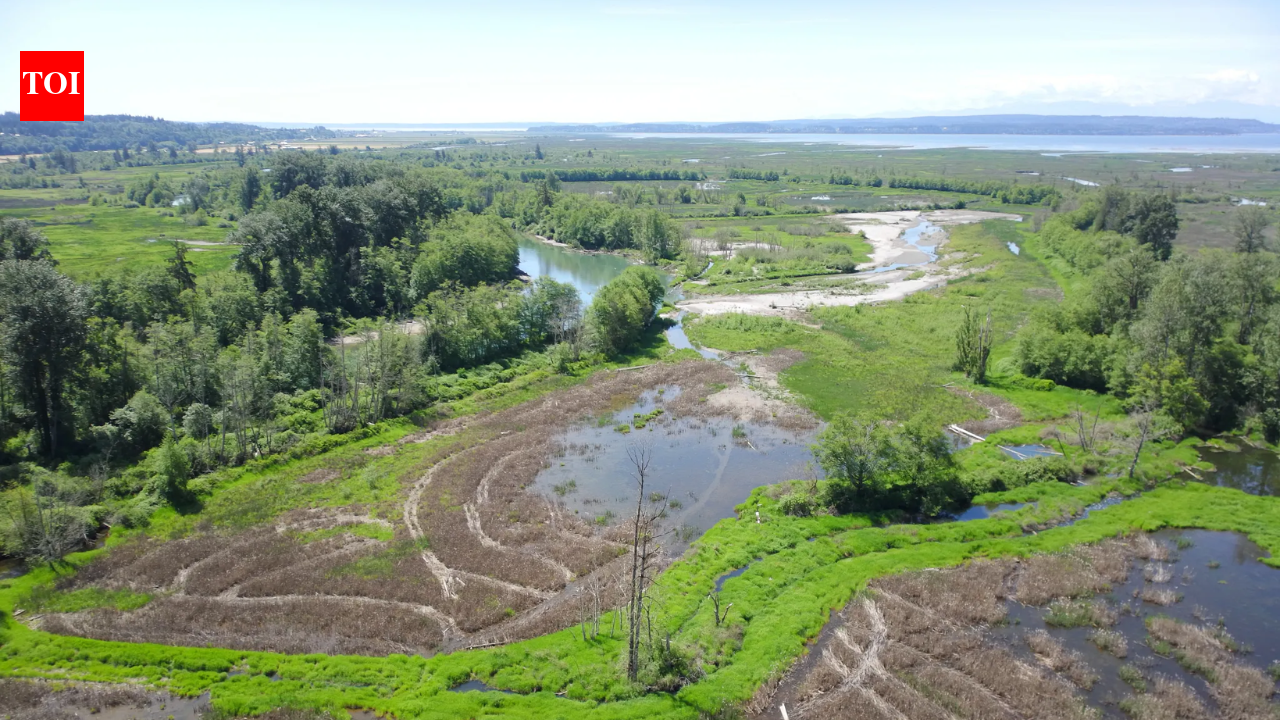
In June 2026, Washington began restoring 270 acres across two river islands; the project will reconnect the South Fork Skagit estuary to natural tides and hundreds more acres for endangered Chinook salmon

In June 2026, Washington began restoring 270 acres across two river islands; the project will reconnect the South Fork Skagit estuary to natural tides and hundreds more acres for endangered Chinook salmon

Construction begins on project to restore estuary habitat in South Fork Skagit River (Photo by: WDFW) Heavy earth-moving equipment began work in June 2026 on a major coastal restoration project in Skagit County, Washington. The project will remove old sea defences and breach river levees across two islands in the South Fork Skagit River delta.The … Read more