Meet Benjamin Davis, the 16-year-old Massachusetts student who built a machine that turns 3D-printer waste into reusable filament and won $75,000
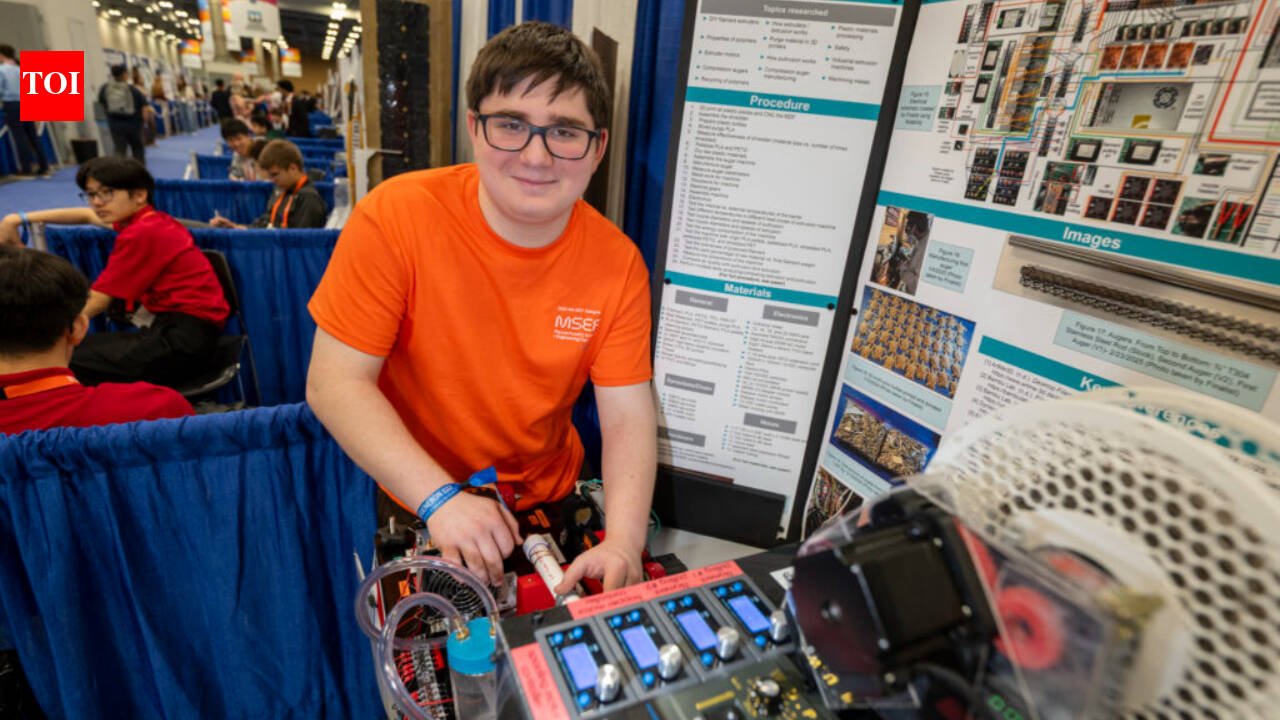
Meet Benjamin Davis, the 16-year-old Massachusetts student who built a machine that turns 3D-printer waste into reusable filament and won $75,000

Davis, a student at Bishop Feehan High School in Attleboro, Massachusetts, built the machine as part of his science research project. The system uses waste plastic, including waste generated during 3D printing and converts it into filament that can again be fed into a 3D printer. A failed 3D print typically goes straight to the … Read more
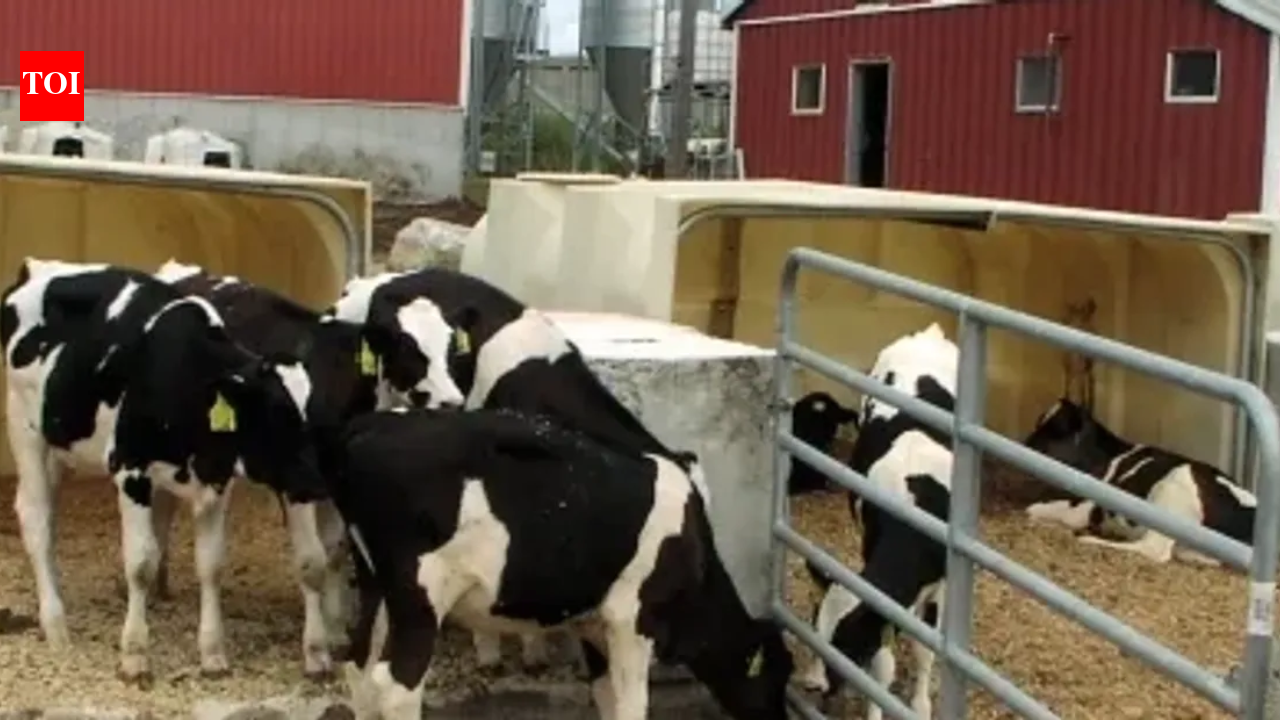
In 2011, a Massachusetts dairy installed the state’s first agricultural digester; by 2020, manure and food waste were saving it $155,000 a year on heat, fertiliser, and bedding

In 2011, a Massachusetts dairy installed the state's first agricultural digester; by 2020, manure and food waste were saving it $155,000 a year on heat, fertiliser, and bedding

For generations, cow manure was simply an unavoidable byproduct of running a dairy farm. At Jordan Dairy Farms in Rutland, Massachusetts, however, it became something much more valuable: a source of electricity, heat, fertiliser and even animal bedding. In 2011, the family-run dairy installed what it describes as the first agricultural anaerobic digester in Massachusetts. … Read more

In 2019, Britain laid tyre-rubber asphalt on the M1; after successful trials, it won UK industry approval in 2021, with up to 750 waste tyres reusable per kilometre

In 2019, Britain laid tyre-rubber asphalt on the M1; after successful trials, it won UK industry approval in 2021, with up to 750 waste tyres reusable per kilometre

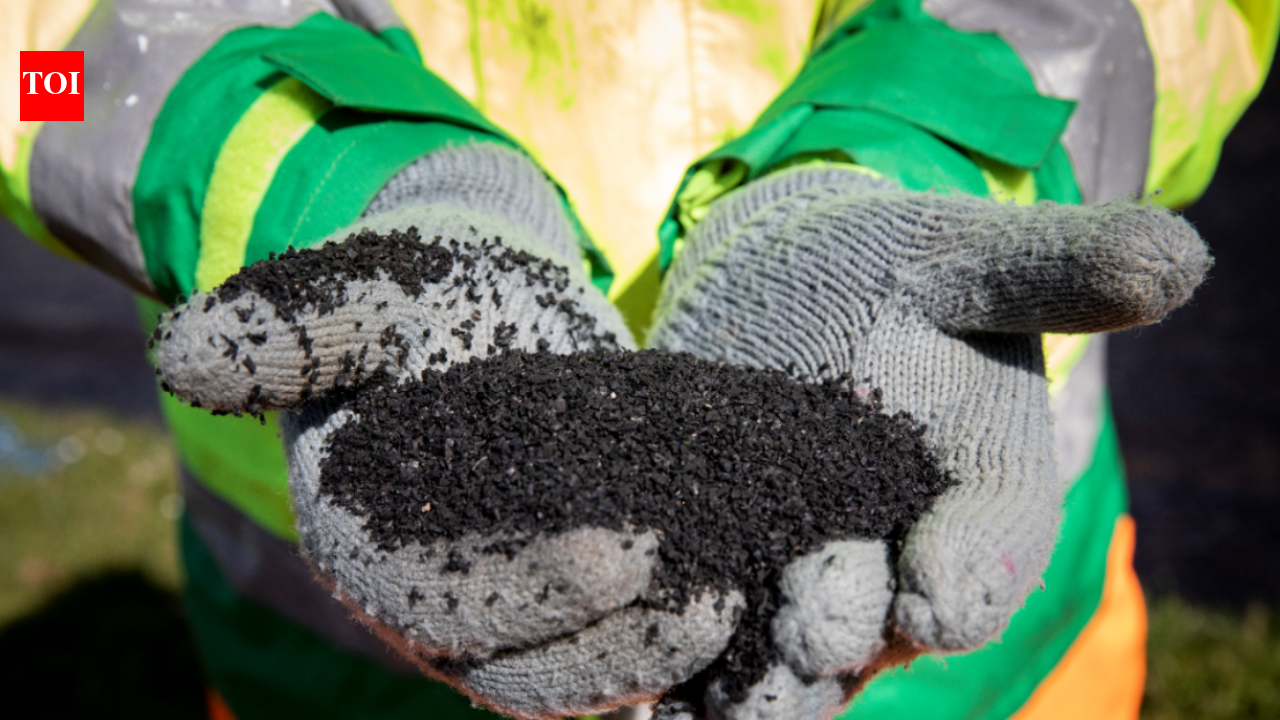
Britain began testing an unusual solution to its mounting tyre waste in 2019, when Highways England and construction company Tarmac laid a road surface containing recycled tyre rubber on the M1 near Leicester, according to a UK government press release published that August. The trial tested whether granulated rubber from waste tyres could be incorporated … Read more

Scientists found a surprising use for apple waste. It removed up to 100% of toxic lead from water in lab tests

Scientists found a surprising use for apple waste. It removed up to 100% of toxic lead from water in lab tests

Lead contamination in water is being studied through different approaches, including the use of waste materials that can help remove metal ions from water. Apple pomace, the residue left after juice production, was among the waste materials researchers examined for its ability to remove lead ions from water in laboratory experiments.Researchers compared untreated raw apple … Read more

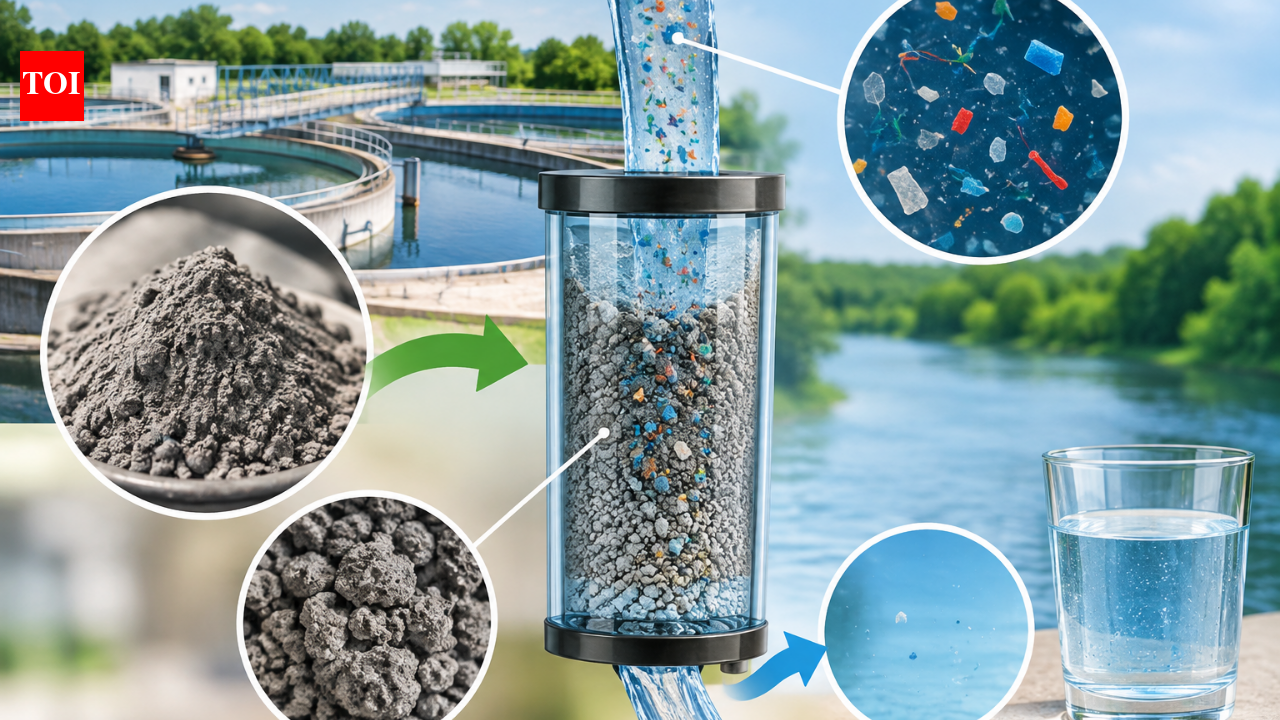
In 2026, researchers turned water-treatment waste into a filter for microplastics; real-water tests removed 86.9% to 97.1% of the particles

In 2026, researchers turned water-treatment waste into a filter for microplastics; real-water tests removed 86.9% to 97.1% of the particles

Representative Image (AI-generated) Microplastics are now found across aquatic environments, creating a difficult challenge for water-treatment systems that must remove tiny plastic particles without generating more waste. A new approach investigated in 2026 takes an unusual route: instead of treating water-treatment waste as something that simply needs to be discarded, researchers turned it into a … Read more

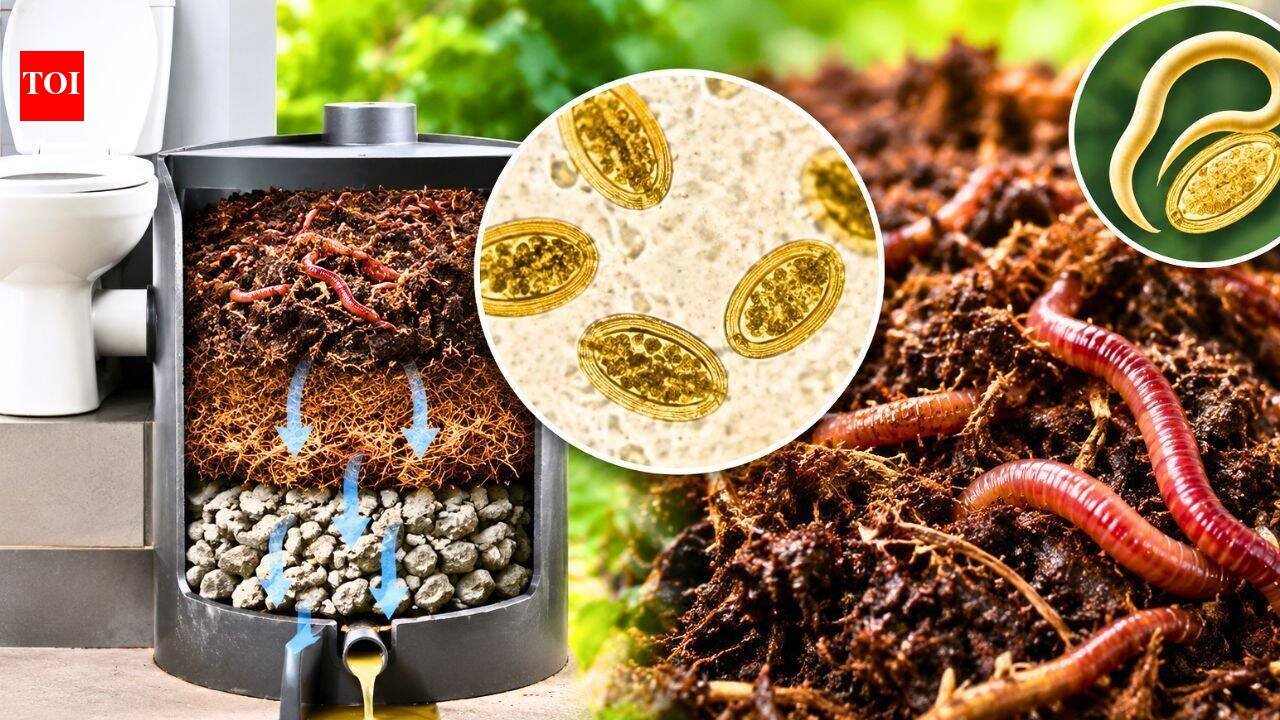
Scientists are using worms that eat human waste to turn toilet waste into compost, but parasitic eggs can survive the process

Scientists are using worms that eat human waste to turn toilet waste into compost, but parasitic eggs can survive the process

Tiger worm toilets are designed to turn human waste into vermicompost using worms that feed on and break down organic material. The approach can reduce the amount of waste that builds up in a toilet and has been studied as a form of non-sewered sanitation. Researchers tested whether tiger worms could destroy Ascaris eggs under … Read more

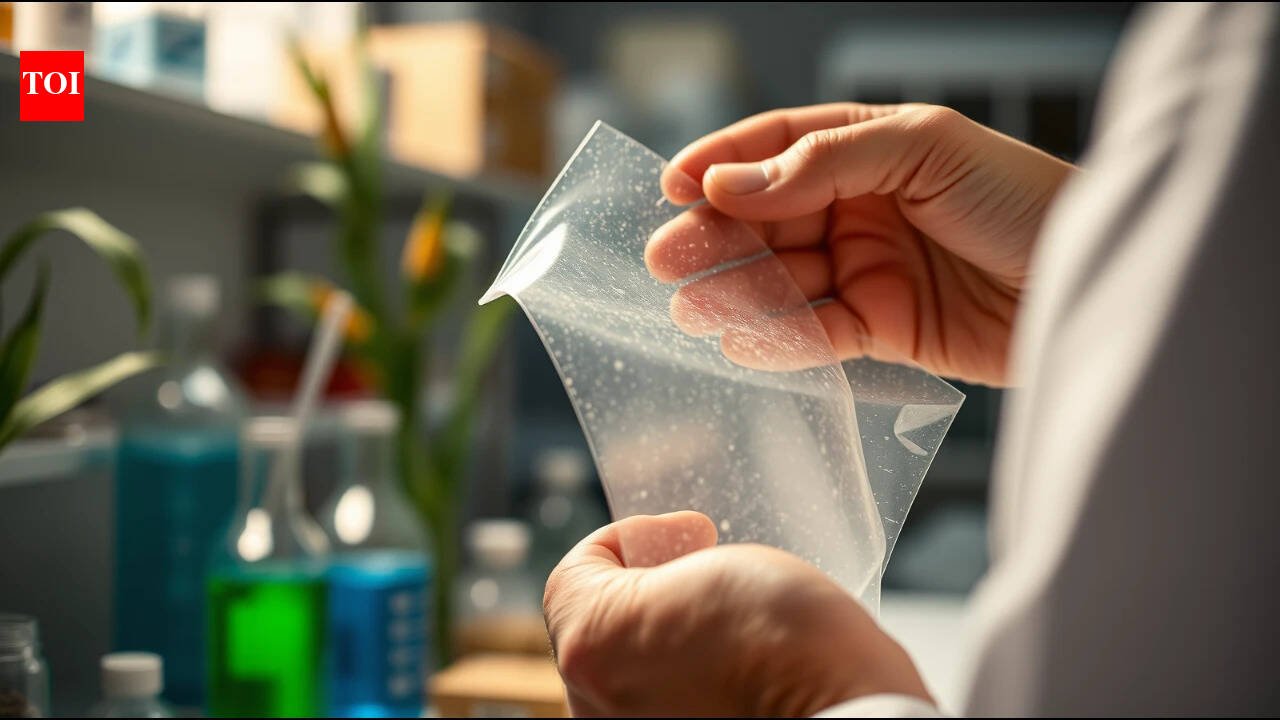
Meet Onndinadaho Rasilwela, the South African student who turned sugarcane and maize waste into biodegradable plastic

Meet Onndinadaho Rasilwela, the South African student who turned sugarcane and maize waste into biodegradable plastic

​Representative Image of biodegradable plastic made from sugarcane and maize waste (AI-generated image) Onndinadaho Rasilwela, a chemical engineering graduate from South Africa, has won top honours at the 2026 Green Youth Indaba for developing a biodegradable plastic from agricultural waste. A member of the Tshwane University of Technology’s Student Women Economic Empowerment Programme, Rasilwela received … Read more

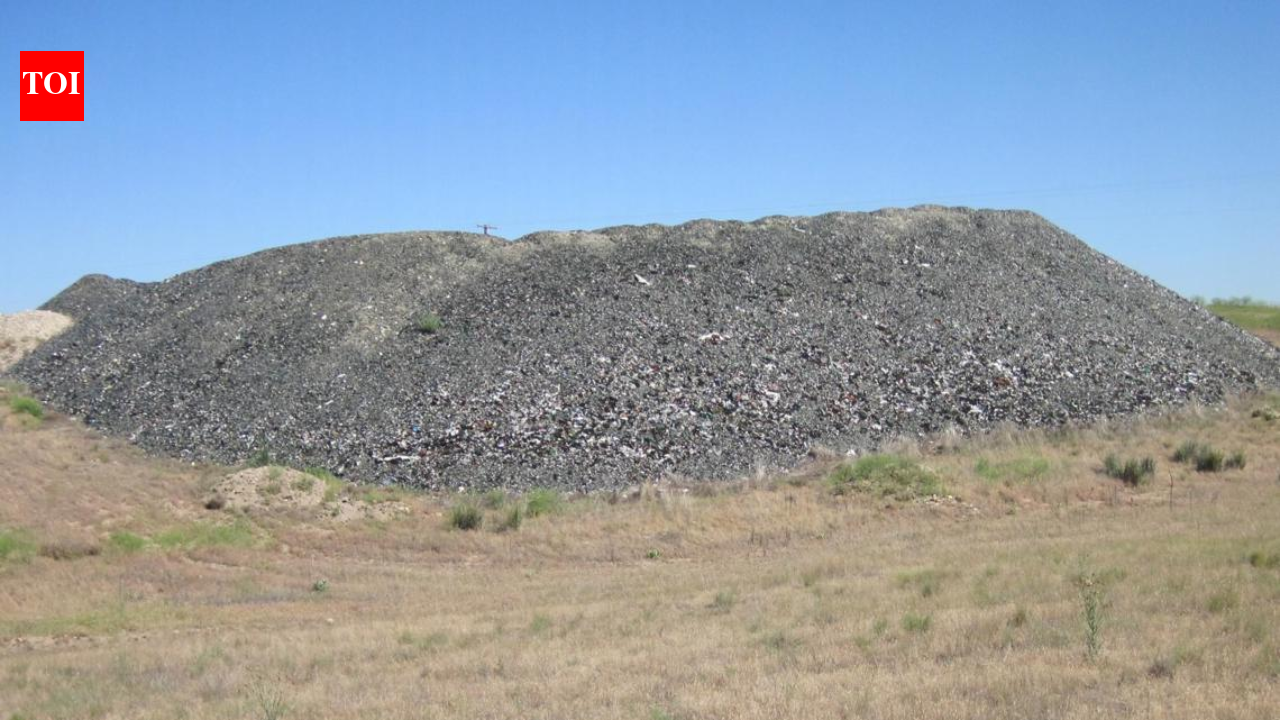
In 2002, Idaho buried nearly 300 tons of crushed waste glass beneath Highway 75; the material formed 8 to 12 inches of fill under a 200-foot road section

In 2002, Idaho buried nearly 300 tons of crushed waste glass beneath Highway 75; the material formed 8 to 12 inches of fill under a 200-foot road section

Idaho buried nearly 300 tons of crushed waste glass beneath Highway 75 Transport authorities in Idaho turned nearly 300 tonnes of discarded glass into road foundation material under Highway 75, creating a durable structural base while solving a local landfill crisis. The engineering trial, executed along a 200-foot stretch of highway near Ketchum, placed an … Read more

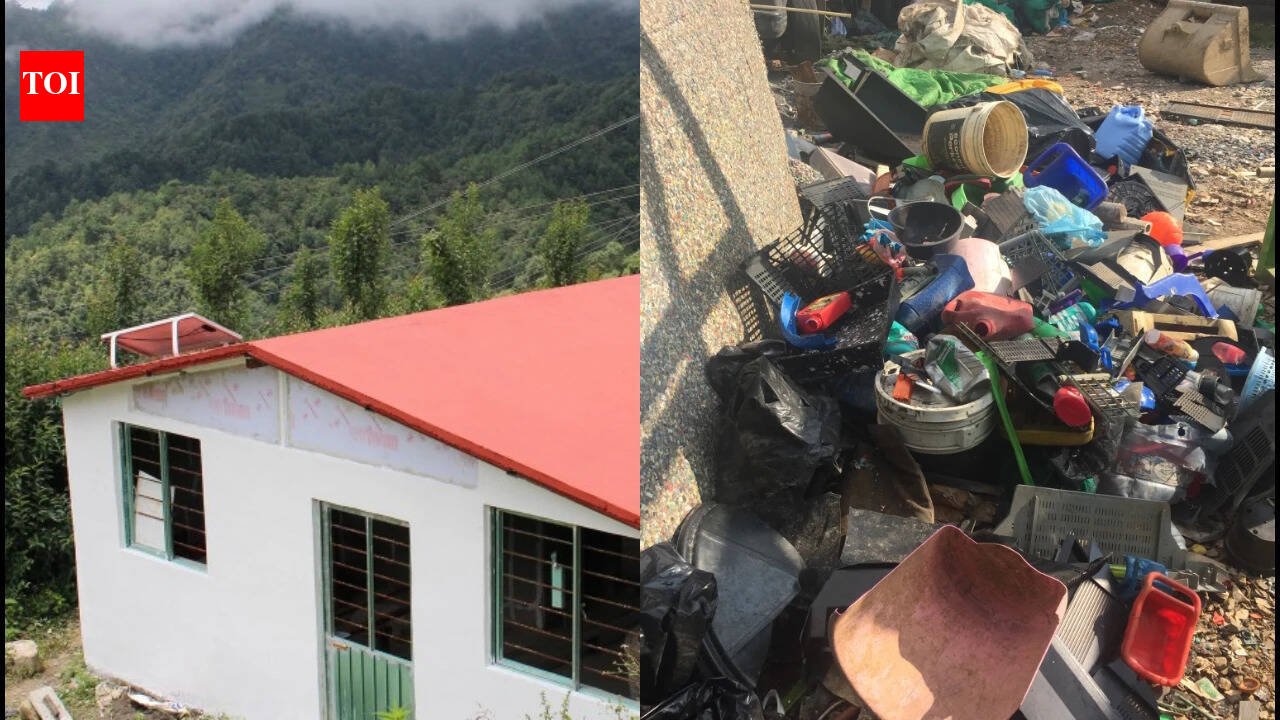
A Mexican entrepreneur turned discarded plastic into low-cost homes for families in poverty; each 430-460 sq ft house used 2 tonnes of waste, took 7 days to build and cost families about $280

A Mexican entrepreneur turned discarded plastic into low-cost homes for families in poverty; each 430-460 sq ft house used 2 tonnes of waste, took 7 days to build and cost families about $280

An EcoDom prototype house built using its plastic panels. Plastic production has increased exponentially over the last few decades. A 2017 study published in Science Advances estimated that 8.3 billion tons of plastic have been produced globally since large-scale production began. Only a tiny fraction has been recycled, with huge amounts accumulating in landfills, ecosystems … Read more

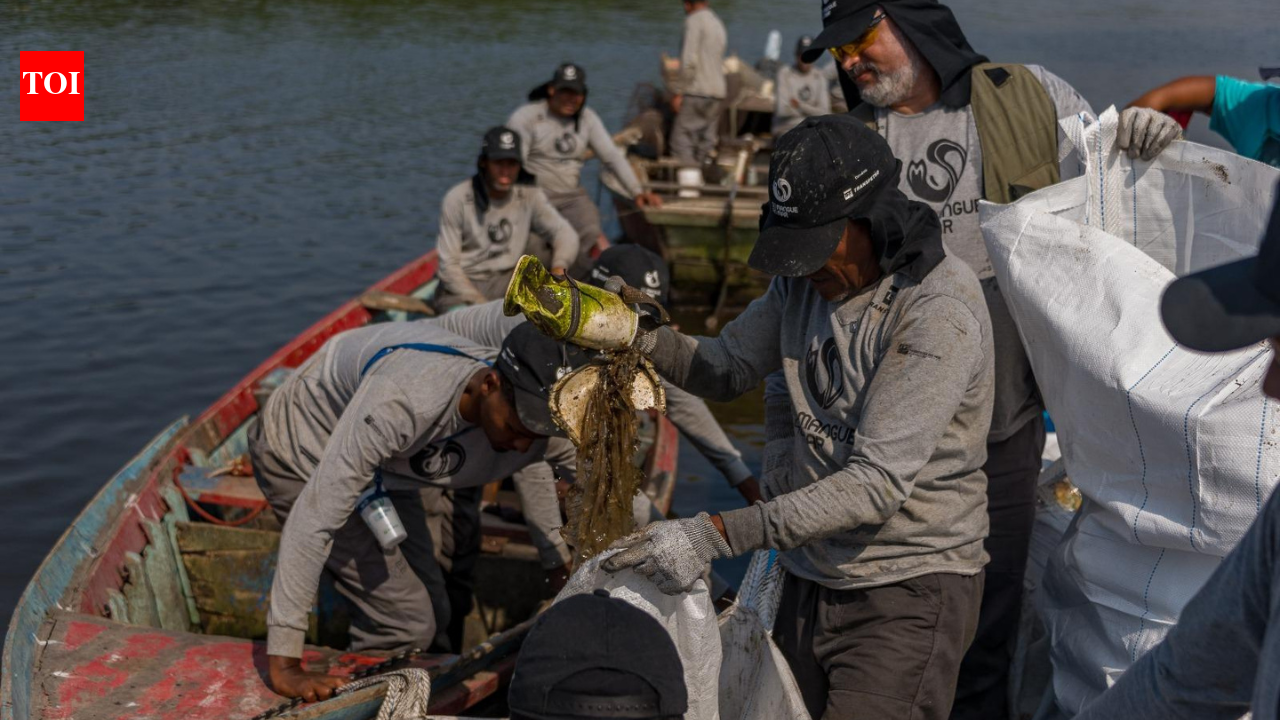
Brazil’s polluted Rio mangroves were disappearing under waste; then local fishers restored 18.2 hectares and more than 60 animal species returned

Brazil’s polluted Rio mangroves were disappearing under waste; then local fishers restored 18.2 hectares and more than 60 animal species returned

Local fishers collect waste from Guanabara Bay as part of a mangrove restoration and cleanup effort in Rio de Janeiro, Brazil. Decades of pollution, untreated sewage, industrial activity and waste have placed heavy pressure on the mangroves around Rio de Janeiro’s Guanabara Bay in Brazil. Yet in one of the bay’s remaining protected mangrove areas, … Read more