
Scientists watched wild capuchin monkeys for 45 months and recorded around 280 vertebrate-eating events; when fruit became scarce, the monkeys increasingly turned to lizards, snakes and other animals for food
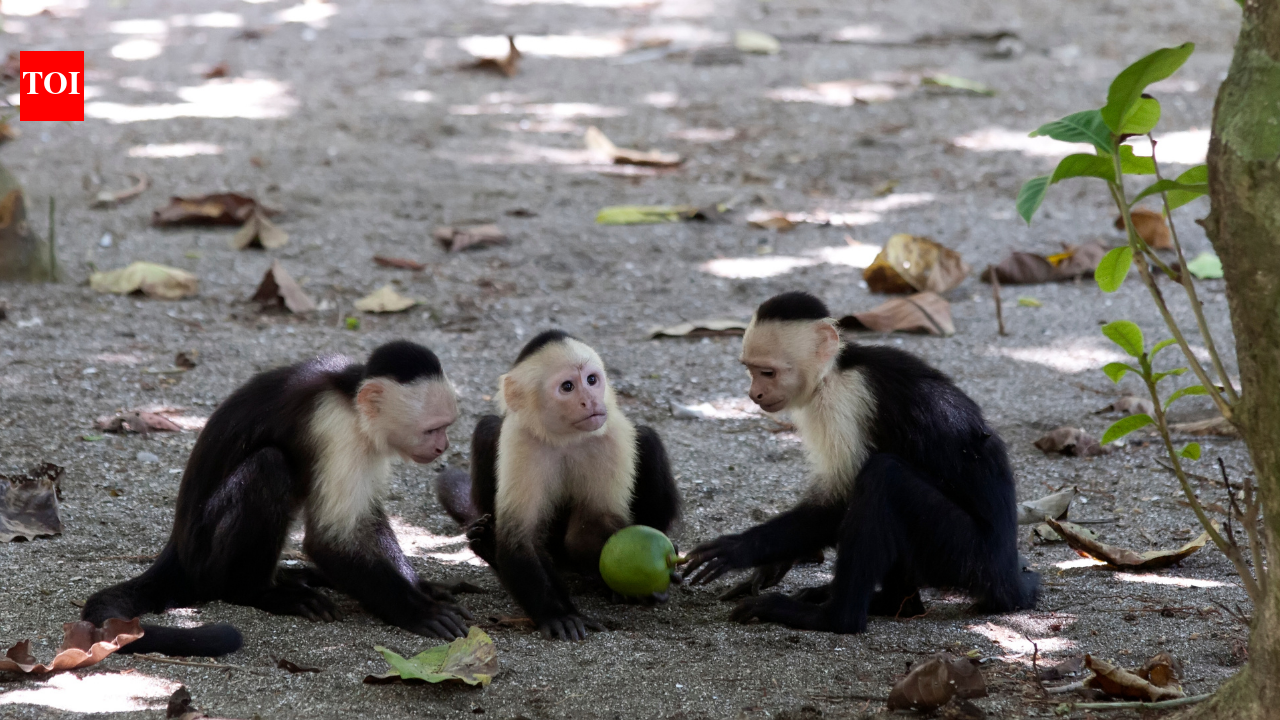
Scientists watched wild capuchin monkeys for 45 months and recorded around 280 vertebrate-eating events; when fruit became scarce, the monkeys increasingly turned to lizards, snakes and other animals for food

Capuchin monkeys (Representative Image/ Canva) For most people, monkeys are closely associated with fruit, leaves and insects. But when their preferred plant foods become harder to find, some capuchin monkeys appear willing to switch strategies. They hunt and eat small vertebrates, including mammals and reptiles, turning to animal prey as an important source of energy … Read more

In the 1930s, Florida introduced rhesus macaques to boost tourism; today the invasive monkeys carry a potentially fatal virus and are considered a public-health concern

In the 1930s, Florida introduced rhesus macaques to boost tourism; today the invasive monkeys carry a potentially fatal virus and are considered a public-health concern

Nonhuman primates (NHPs) can harbour multiple zoonotic pathogens owing to their close phylogenetic relationship and frequent interactions with humans. They can also be extremely successful ecological invaders. Within the United States, fewer than or equal to NHP species have been introduced and of them, the rhesus macaque has successfully established populations in Florida and Puerto … Read more