
Skip to content
-
Subscribe to our newsletter & never miss our best posts. Subscribe Now!
  • https://www.facebook.com/
  • https://twitter.com/
  • https://t.me/
  • https://www.instagram.com/
  • https://youtube.com/
THE_LOCAL_REPORT_ARTICLES_LOGO THE LOCAL REPORT ARTICLES

Trusted Indian news delivering fast, factual, and in-depth coverage of politics, business, society, and stories that truly matter

THE_LOCAL_REPORT_ARTICLES_LOGO THE LOCAL REPORT ARTICLES

Trusted Indian news delivering fast, factual, and in-depth coverage of politics, business, society, and stories that truly matter

  • TRENDING
  • INDIA
  • SPORTS
  • TECH
  • UK
  • WORLD
  • TRENDING
  • INDIA
  • SPORTS
  • TECH
  • UK
  • WORLD
Subscribe
Close

Search

Demystifying Science's 'Forbidden Experiment': Why Scientists Kill 9 Million Lampreys Every Year in America's Great Lakes
WORLD

Demystifying Science’s ‘Forbidden Experiment’: Why Scientists Kill 9 Million Lampreys Every Year in America’s Great Lakes

By WEB DESK TEAM
July 22, 2026 5 Min Read
Comments Off on Demystifying Science’s ‘Forbidden Experiment’: Why Scientists Kill 9 Million Lampreys Every Year in America’s Great Lakes

Demystifying Science's 'Forbidden Experiment': Why Scientists Kill 9 Million Lampreys Every Year in America's Great Lakes

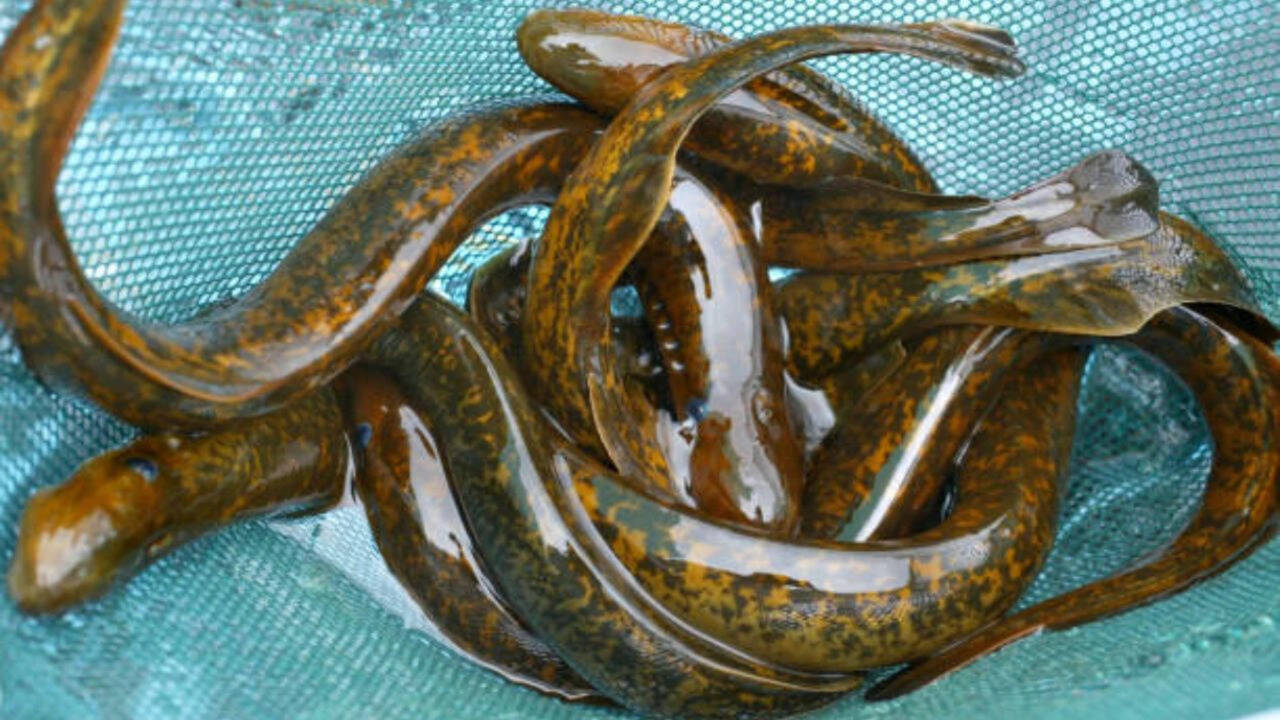
Six sea lampreys pose for the camera at the Capitol during a meet-and-greet organized by GLFC in June. One even sucked on Rep. Bill Huizenga’s palm, according to CNN. One of the few things the entire Congress agreed on was this: the invasive sea lampreys must be eradicated.For U.S. coasts that thrive on seafood, the invasive species, also known as “vampire” fish or the “vampires” of the Great Lakes, has had a devastating impact on the lakes’ trout, salmon and whitefish populations. Thus, inspiring what scientists often call “forbidden experiments.”

Arrival of sea lampreys

Arrival of sea lampreys

” msid=”132551896″ width=”” title=”When the Welland Canal was modified in the mid-1900s to allow ships to sail around Niagara Falls, the sea lamprey population exploded” placeholdersrc=”https://static.toiimg.com/photo/83033472.cms” imgsize=”” resizemode=”4″ offsetvertical=”0″ placeholdermsid=”47529300″ type=”thumb” class=”” src=”https://static.toiimg.com/photo/msid-132551896/arrival-of-sea-lampreysbrbr.jpg” data-api-prerender=”true”/></p>
<p>Sea lamprey populations exploded in the mid-1900s when the Welland Canal was modified to allow ships to sail around Niagara Falls</p>
</div>
</div>
<p><span class=Sea lampreys were once native to the Atlantic Ocean. The first fish arrived in Lake Ontario in the 1800s, traveling from the Atlantic Ocean and along the Erie Canal through the Hudson River. They remained in Lake Ontario for more than a century because Niagara Falls prevented them from moving further.When the Welland Canal was modified in the mid-1900s to allow ships to sail around Niagara Falls, the sea lamprey population exploded. They finally gained access to the upper Great Lakes. Suddenly, the lampreys had more space, found more food, and colonized more spawning grounds. The invasion begins.Sea lampreys have no jaws, no teeth, and no bones. However, this predator can attack a fish 100 times its size like a sucker, using its tongue to drill a hole in the side of the body, liquefying its tissue and feeding on it. For fish, lampreys are highly reproductive (like other invasive species) and have a unique life cycle. A single lamprey consumes approximately 40 pounds of fish in 12 to 18 months, a female lamprey can lay 40,000 to 67,000 eggs, and they lay their eggs in nearly all streams and rivers that flow into the Great Lakes. The eggs hatch into larvae, called larvae, which are eyeless, worm-like creatures that burrow in the sediment, making them invisible to predators. Ammocystis live this way for many years, feeding on algae and breaking down material, until they are large enough to transform into sucking predators.In just two years, a single lamprey can kill up to 20 kilograms of fish. On this fishy and bloody diet, a juvenile lamprey weighing 5 grams will grow 40 to 50 times larger by the time it reaches adulthood. There are thousands of these vampire fish in the Great Lakes.

loss of native fish

loss of native fish

” msid=”132551929″ width=”” title=”Sea lamprey eating trout; fish with lamprey-inflicted wound” placeholdersrc=”https://static.toiimg.com/photo/83033472.cms” imgsize=”” resizemode=”4″ offsetvertical=”0″ placeholdermsid=”47529300″ type=”thumb” class=”” src=”https://static.toiimg.com/photo/msid-132551929/loss-of-native-fishbrbr.jpg” data-api-prerender=”true”/></p>
<p>Sea lamprey eating trout; fish with wound caused by lamprey </p>
</div>
</div>
<p><span class=When lampreys invaded the Great Lakes, their favorite food, lake trout, once the top predatory fish, began to die out. By the mid-1960s, lake trout production in the Great Lakes dropped from 8 million kilograms per year in the 1920s to less than 200,000 kilograms per year.Sockeye trout, the small fish that lake trout eat, are no longer preyed upon. They become so abundant that every year there are mass die-offs in the lakes, with millions of dead fish washing up on the beaches.

forbidden experiment

In 1954, Canada and the United States formed a partnership to address the lamprey problem, and the Great Lakes Fisheries Commission (GLFC) came into being. A moonshot attempt at population control succeeded in 1957, when a compound called TFM (3-trifluoromethyl-4-nitrophenol) was developed that killed lamprey larvae but left most native fish unharmed. Since then, “lamprey killers” have been used in the spawning areas of the lake’s tributaries from spring to autumn to kill juvenile lampreys before they enter the lake, which is beyond the capabilities of scientists.Dampicides are effective because the larvae are unable to metabolize the compound, disrupting their energy production and causing death. Nearly 70 years after its introduction, there is no sign that lampreys have developed any resistance to it.Nearly seventy years after the moon landing, all efforts were nearly in vain. During the 2020 and 2021 lockdowns, staff had to maintain social distancing, which resulted in fewer treatments and the council was unable to implement a comprehensive control plan. Greg McClinchley, director of policy and legislative affairs for the Great Lakes Fisheries Commission (GLFC), said lamprey populations have “jumped” by 300 percent in some areas. “It really proves (our) case.”“We call it ‘no experimenting’ in the office,” he added. “We always said that if we didn’t continue to control sea lampreys, they would come back – they were a coiled menace. But we never dared to do that.”To prevent population explosion, approximately 9 million lampreys need to be killed each year. If left unchecked, the GLFC said it estimates lampreys could devastate fish stocks in the Great Lakes in just five years, taking with them a multi-billion-dollar fishery.

Need more moonshots?
Need to go to the moon again?

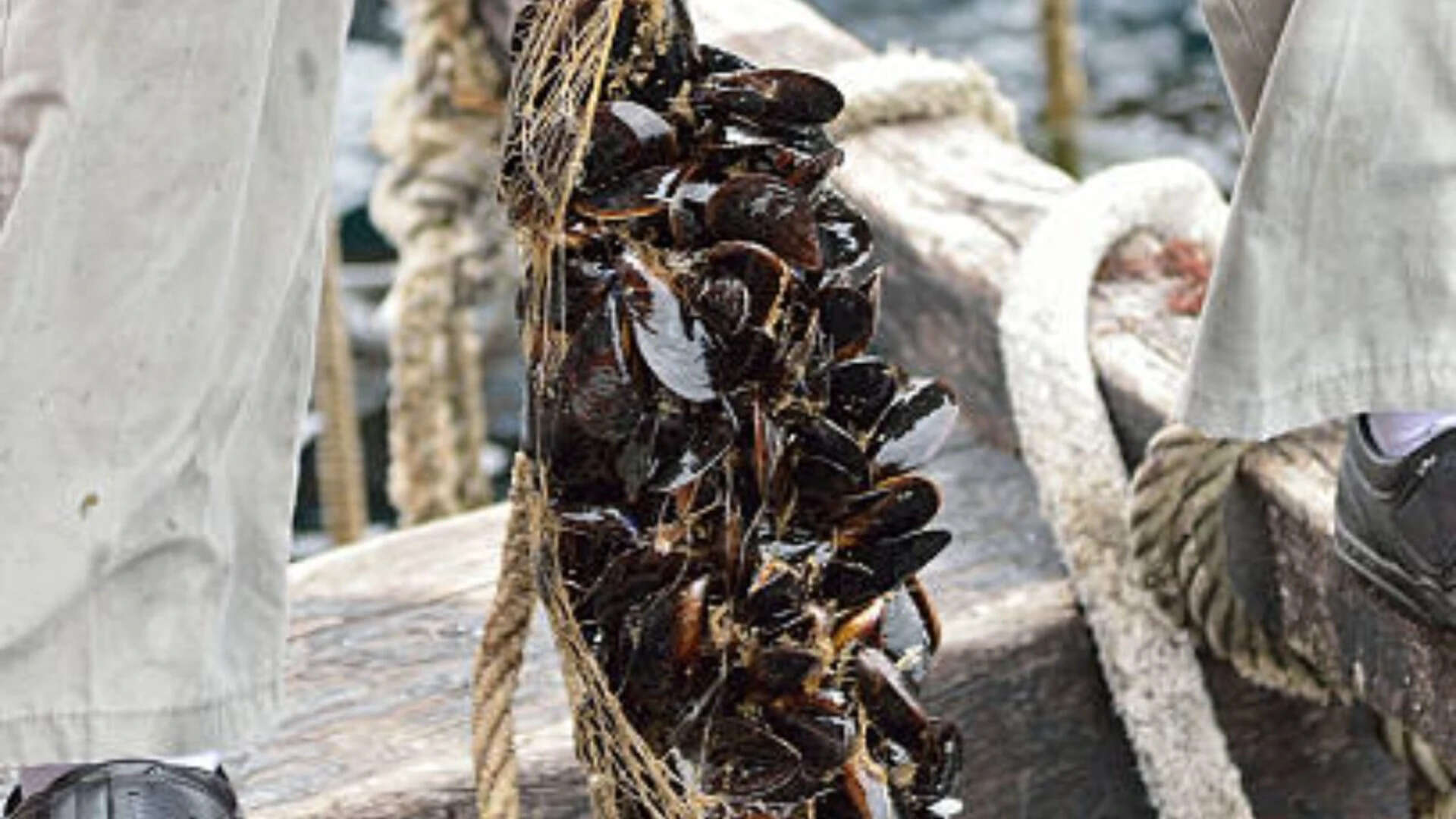
Other species, such as quagga mussels and zebra mussels, are also now plaguing the lake.

Sea lampreys are just one of 186 of 3,000 invasive species in the Great Lakes. Other species, such as quagga mussels and zebra mussels, are also now plaguing the lake. The mussels arrived in the ballast water of commercial ships in the 1980s and have affected fish eggs ever since, causing toxic algae blooms and outcompeting native mussels. Invasive mussels are also suspected of being a factor in an increase in avian botulism deaths in recent decades. They concentrate Clostridium botulinum, while another invasive species, the round goby, feeds on the mussels. Scientists speculate that poisoned gobies become paralyzed and become easy prey for birds, which then succumb to the toxin. There is currently no way to safely eliminate them from the Great Lakes.“They strip the water of nutrients and plankton, disrupting the food web that whitefish and other species depend on. In Lake Huron, the decline in whitefish numbers has almost paralleled the rise in mussel biomass,” said Vito Figliomeni, executive director of the Ontario Commercial Fisheries Association.According to CNN, legislation has been introduced in Congress that would require the commission to find controls. The bipartisan bill, known as the Save the Great Lakes Fish Act of 2025, proposes a $500 million budget over 10 years to find solutions.

Tags:

golf clubgreat lakesInvasive vampire fishlampicidelamprey lampreyQuagga musselssalmonsea ​​lampreytroutZebra mussels
Author

WEB DESK TEAM

Our team of more than 15 experienced writers brings diverse perspectives, deep research, and on-the-ground insights to deliver accurate, timely, and engaging stories. From breaking news to in-depth analysis, they are committed to credibility, clarity, and responsible journalism across every category we cover.

Follow Me
Other Articles
Hindustan Times News
Previous

MrBeast marries Thea Booysen, shares first wedding photo: “I found MrsBeast ❤️❤️❤️”

Hindustan Times News
Next

Andy Biggs’ net worth: What to know as he wins Arizona’s Republican gubernatorial primary, facing Katie Hobbs

  • ABOUT US
  • CONTACT US
  • CORRECTION POLICY
  • Home
  • Privacy Policy
  • TERMS AND CONDITIONS
  • Terms of Use
  • ABOUT US
  • CONTACT US
  • CORRECTION POLICY
  • Home
  • Privacy Policy
  • TERMS AND CONDITIONS
  • Terms of Use
Copyright 2026 — THE LOCAL REPORT ARTICLES. All rights reserved. Blogsy WordPress Theme