
An invasive insect first found in Pennsylvania in 2014 spread across 18 US states; Canada has now confirmed its first spotted lanternfly detection in Windsor, putting grape-growing regions on alert
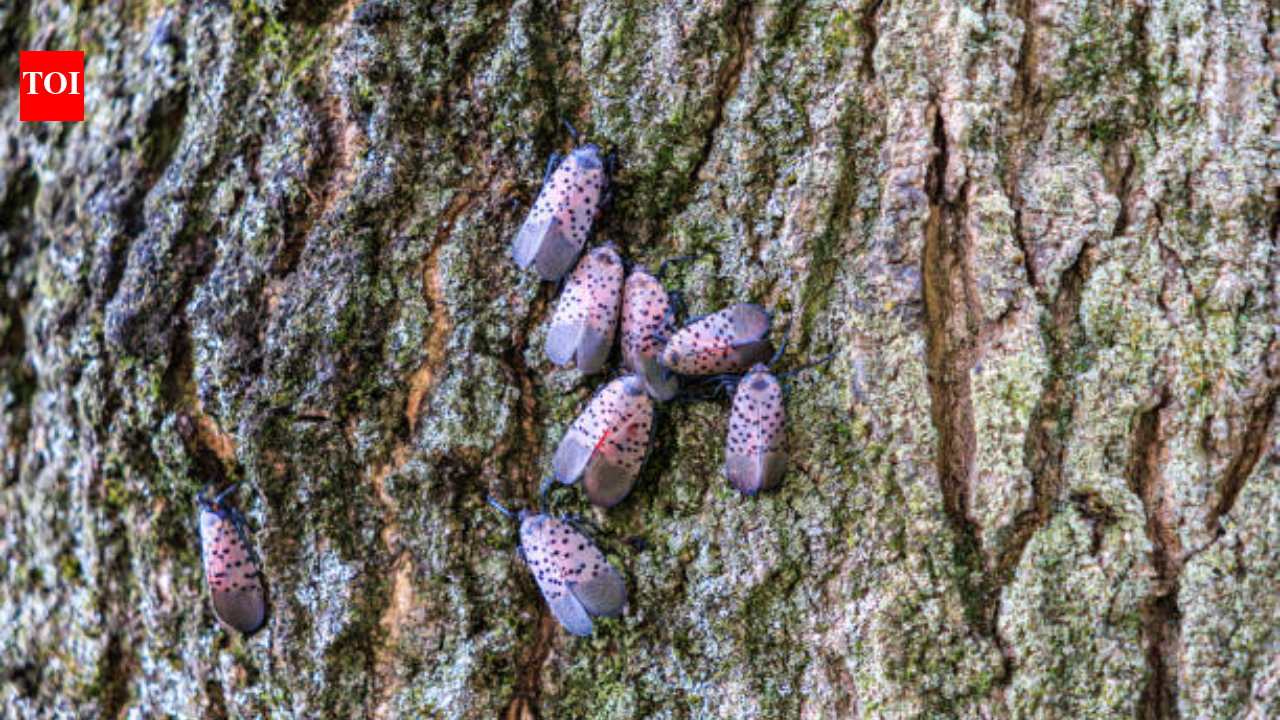
An invasive insect first found in Pennsylvania in 2014 spread across 18 US states; Canada has now confirmed its first spotted lanternfly detection in Windsor, putting grape-growing regions on alert

Canada has recently confirmed the first detection of spotted lanternfly in the country. On September 15, 2026, the Canadian Food Inspection Agency (CFIA) confirmed the first detection of SLF in Canada in Windsor, Ontario. Movement restrictions have been placed to prevent the movement of regulated materials, including potentially infested plant materials. Moreover, surrounding areas are … Read more
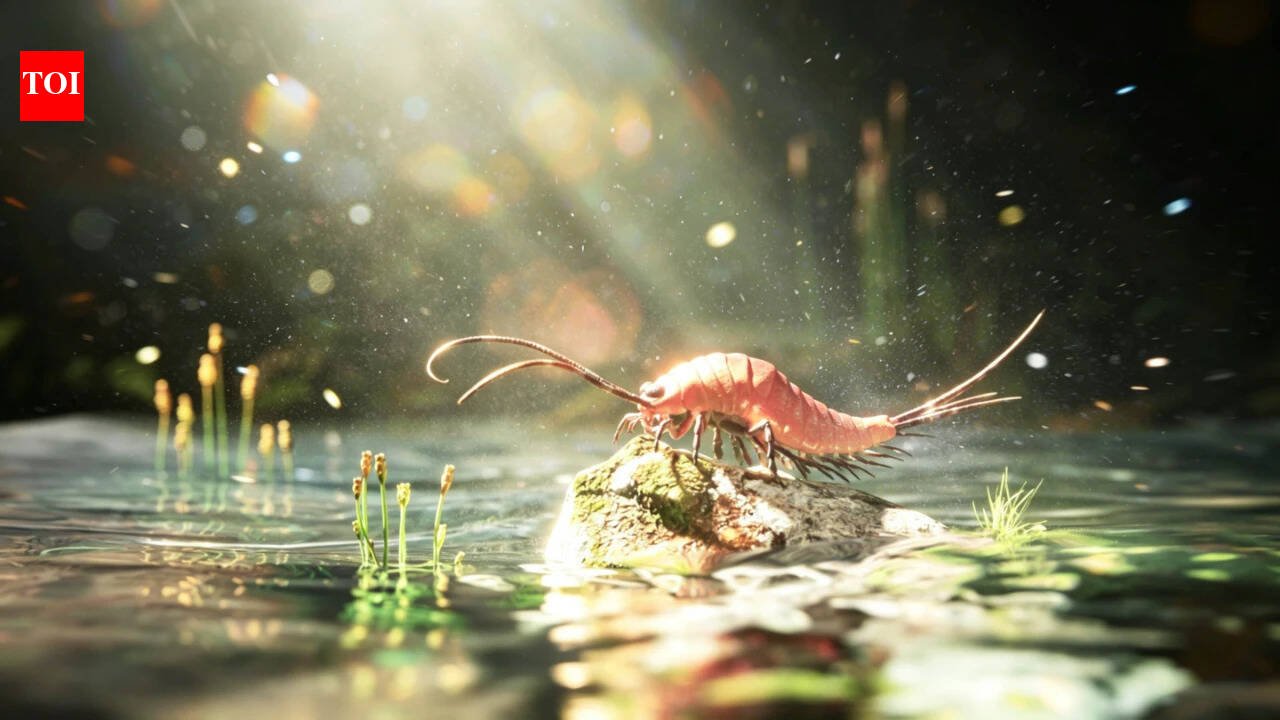
A 324-million-year-old fossil from Texas preserves an early insect with 24 legs and paddle-like limbs on its abdomen, suggesting insects did not leave water for land in one sudden evolutionary jump

A 324-million-year-old fossil from Texas preserves an early insect with 24 legs and paddle-like limbs on its abdomen, suggesting insects did not leave water for land in one sudden evolutionary jump

Palaeoecological reconstruction of the Carboniferous stem-insect Chosha praecursor. (Image by NIGPAS) An international research team has identified a remarkable insect fossil from western Texas that could represent a crucial missing link in the story of insect evolution. The fossil, from the Late Mississippian period approximately 324 million years ago, belongs to a stem group of … Read more

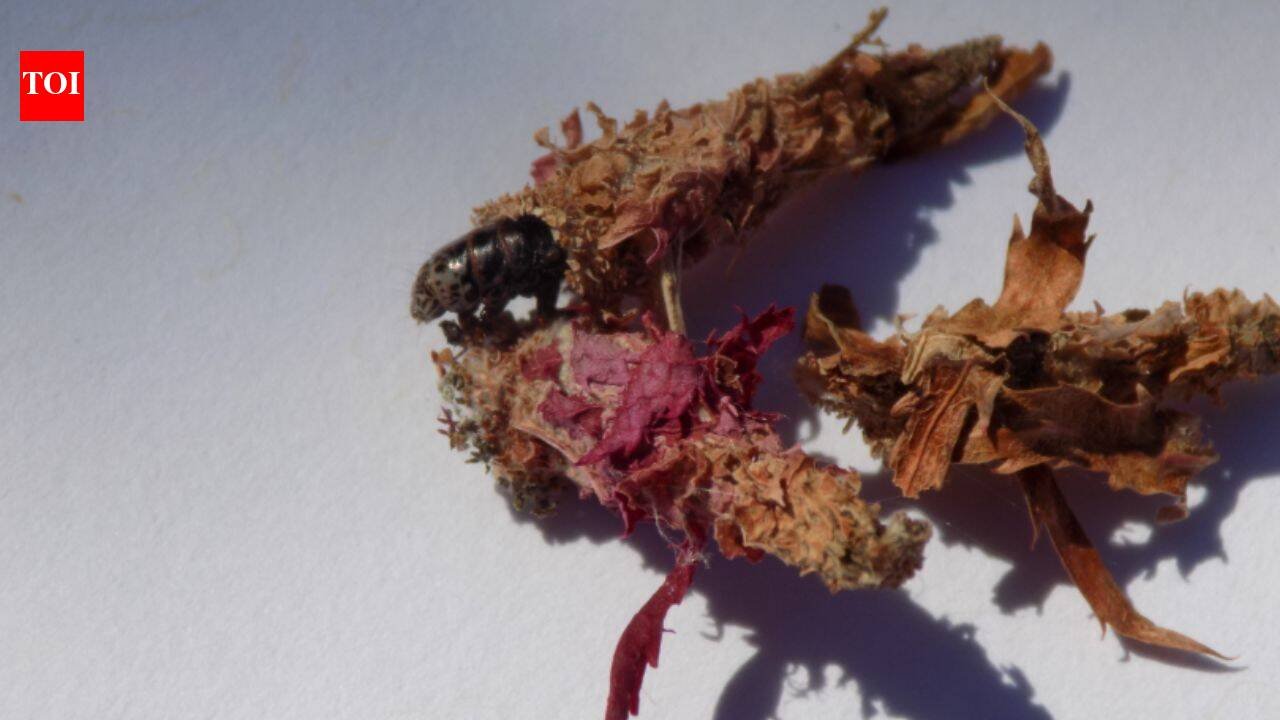
This insect makes a house of silk and leaves and then carries it everywhere on its back for safety

This insect makes a house of silk and leaves and then carries it everywhere on its back for safety

Many species of bagworms choose to use twigs and small sticks to make their casings Imagine building a house around yourself and then carrying it wherever you go. That is what a bagworm caterpillar does. The small insect uses silk from its own body along with leaves, twigs and other material from its surroundings to … Read more

Which species is most likely to take over the Earth after humans disappear |

Which species is most likely to take over the Earth after humans disappear |

Which species is most likely to take over the Earth after humans disappear (Image source – Canva) Professor Tim Colson describes evolution as a gradual process that changes organisms over generations. The mechanism is mundane, but powerful. Small genetic mutations occur in the DNA. Most have little effect or cause damage. Some of these can … Read more