
A 324-million-year-old fossil from Texas preserves an early insect with 24 legs and paddle-like limbs on its abdomen, suggesting insects did not leave water for land in one sudden evolutionary jump

A 324-million-year-old fossil from Texas preserves an early insect with 24 legs and paddle-like limbs on its abdomen, suggesting insects did not leave water for land in one sudden evolutionary jump

Palaeoecological reconstruction of the Carboniferous stem-insect Chosha praecursor. (Image by NIGPAS) An international research team has identified a remarkable insect fossil from western Texas that could represent a crucial missing link in the story of insect evolution. The fossil, from the Late Mississippian period approximately 324 million years ago, belongs to a stem group of … Read more
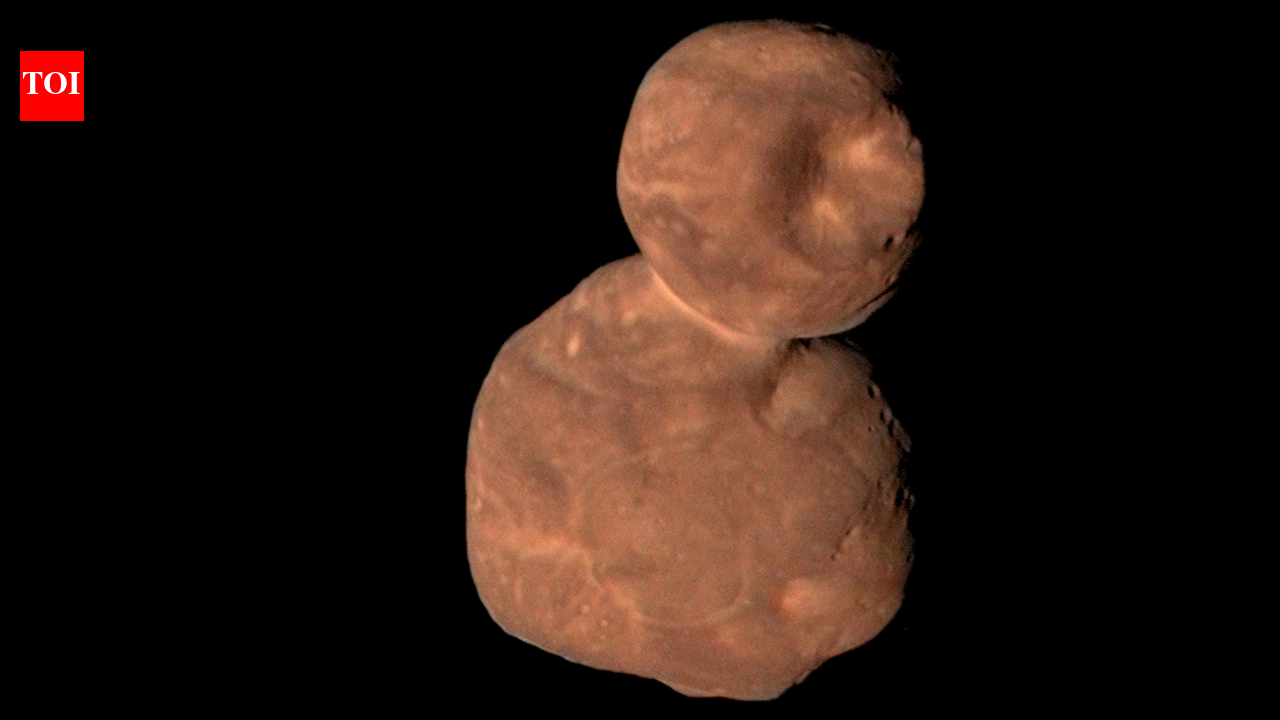
Nasa’s New Horizons reached Arrokoth in 2019, revealing a frozen world that preserves clues to the early solar system

Nasa’s New Horizons reached Arrokoth in 2019, revealing a frozen world that preserves clues to the early solar system

When Nasa’s New Horizons spacecraft left Pluto behind, its journey was far from over. The probe had already travelled farther than any spacecraft sent specifically to explore Pluto, but it continued into the dark outer reaches of the solar system. On 1 January 2019, New Horizons passed a small object in the Kuiper Belt that … Read more