
In 1885, New Zealand released European hedgehogs as garden pest killers; 140 years later, DOC calls them a major threat to native wildlife and one can empty an endangered tern colony of nesting birds
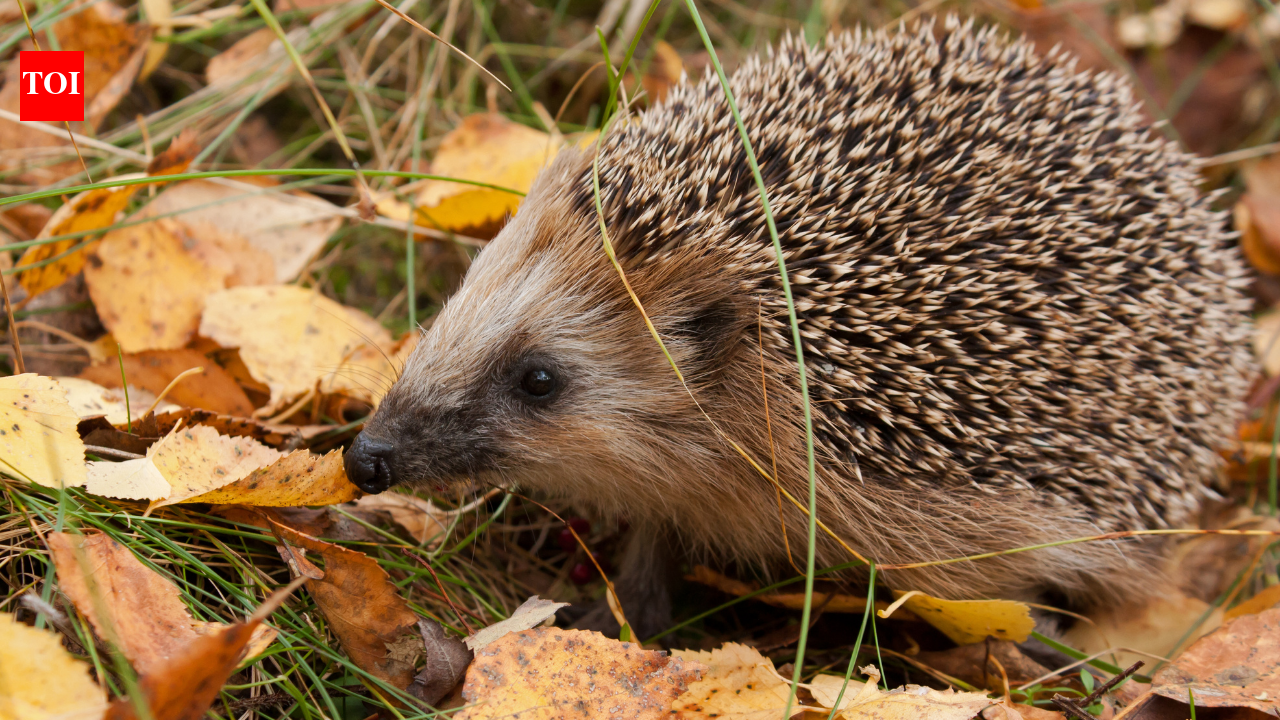
In 1885, New Zealand released European hedgehogs as garden pest killers; 140 years later, DOC calls them a major threat to native wildlife and one can empty an endangered tern colony of nesting birds

European hedgehog (Image Credit: Canva) What was once seen as a useful garden helper in New Zealand has become an unexpected threat to some of the country’s most vulnerable wildlife. European hedgehogs were deliberately introduced to New Zealand in the 19th century, with acclimatisation societies releasing them in the hope that they would help control … Read more
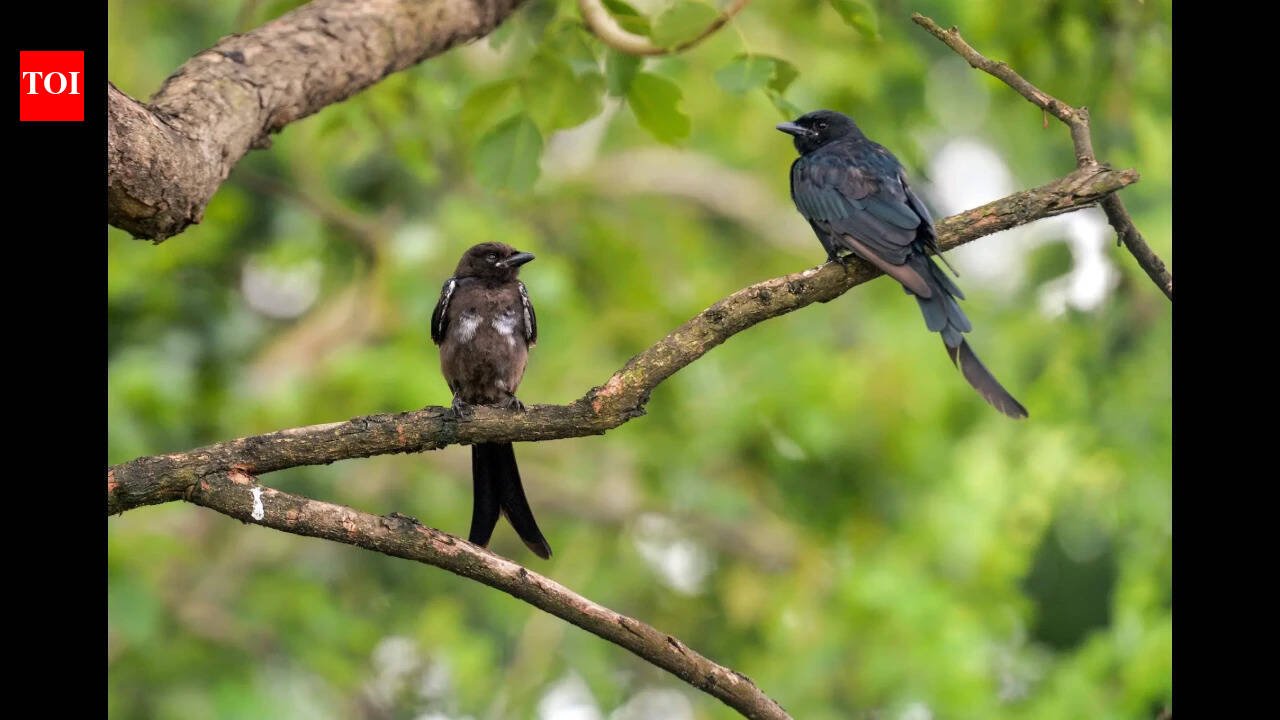
In 1935, black drongos were introduced on Rota to control crop pests; decades later the aggressive birds spread to Guam and became a threat to native birds

In 1935, black drongos were introduced on Rota to control crop pests; decades later the aggressive birds spread to Guam and became a threat to native birds

A juvenile and an adult Black Drongo perch on a tree branch (ANI Photo) In 1935, the Japanese South Seas Development Company made a decision that would have repercussions for Mariana Islands’ ecosystems for nearly 100 years. In search of a natural method for controlling agricultural pests, they imported black drongos (Dicrurus macrocercus) from Taiwan … Read more

Scotland changes architecture forever to save disappearing birds: Tiny ‘quick bricks’ will now be built into new homes World News

Scotland changes architecture forever to save disappearing birds: Tiny 'quick bricks' will now be built into new homes World News

Scotland has become the first country in the UK to legally require bird-friendly nesting spaces in new buildings, marking a major step forward for urban wildlife protection. The new measures center around “swift bricks” – specially designed cavities built into walls to provide nesting sites for birds such as swifts, sparrows and starlings. Conservationists have … Read more

Which species is most likely to take over the Earth after humans disappear |

Which species is most likely to take over the Earth after humans disappear |

Which species is most likely to take over the Earth after humans disappear (Image source – Canva) Professor Tim Colson describes evolution as a gradual process that changes organisms over generations. The mechanism is mundane, but powerful. Small genetic mutations occur in the DNA. Most have little effect or cause damage. Some of these can … Read more