Texas wildfire jumps creeks and rivers as powerful winds drive rapid spread

Texas wildfire jumps creeks and rivers as powerful winds drive rapid spread
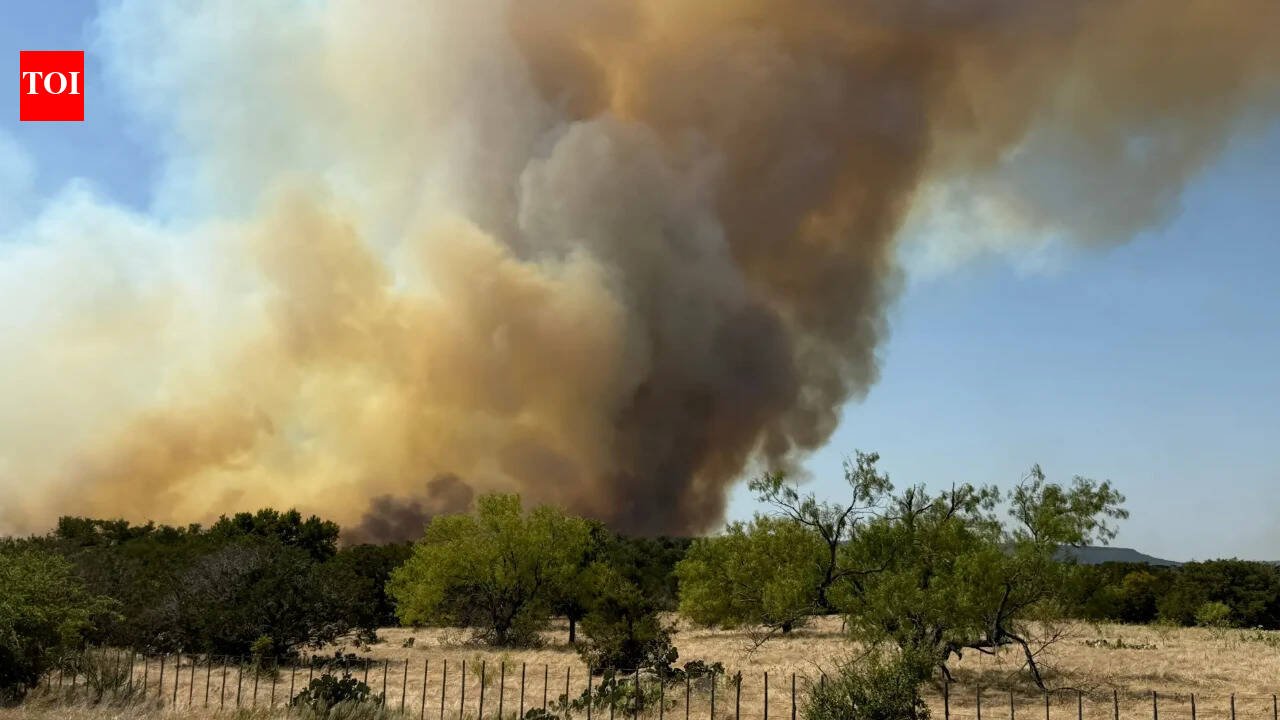
The Ross Fire burns in Palo Pinto County, Texas. (Photo: AP) A fast-moving wildfire in north-central Texas has destroyed a family home and business property, burned buildings at a youth camp and forced evacuations across sparsely populated ranch country west of Fort Worth, while local ranchers opened barns for animals needing evacuation.The Ross Fire began … Read more

In 1998, Costa Rica spread 12,000 tonnes of orange waste over degraded pasture; 16 years later, tree diversity had tripled and forest biomass was 176% higher

In 1998, Costa Rica spread 12,000 tonnes of orange waste over degraded pasture; 16 years later, tree diversity had tripled and forest biomass was 176% higher

Aerial view of the orange peel-treated area (right) and untreated pasture (left), surveyed by Princeton researchers. In the late 1990s, an unusual conservation experiment began in Costa Rica when ecologists proposed using orange peels and pulp to help restore a badly degraded piece of land inside a national park.For this, orange juice company Del Oro … Read more

In 1935, black drongos were introduced on Rota to control crop pests; decades later the aggressive birds spread to Guam and became a threat to native birds

In 1935, black drongos were introduced on Rota to control crop pests; decades later the aggressive birds spread to Guam and became a threat to native birds

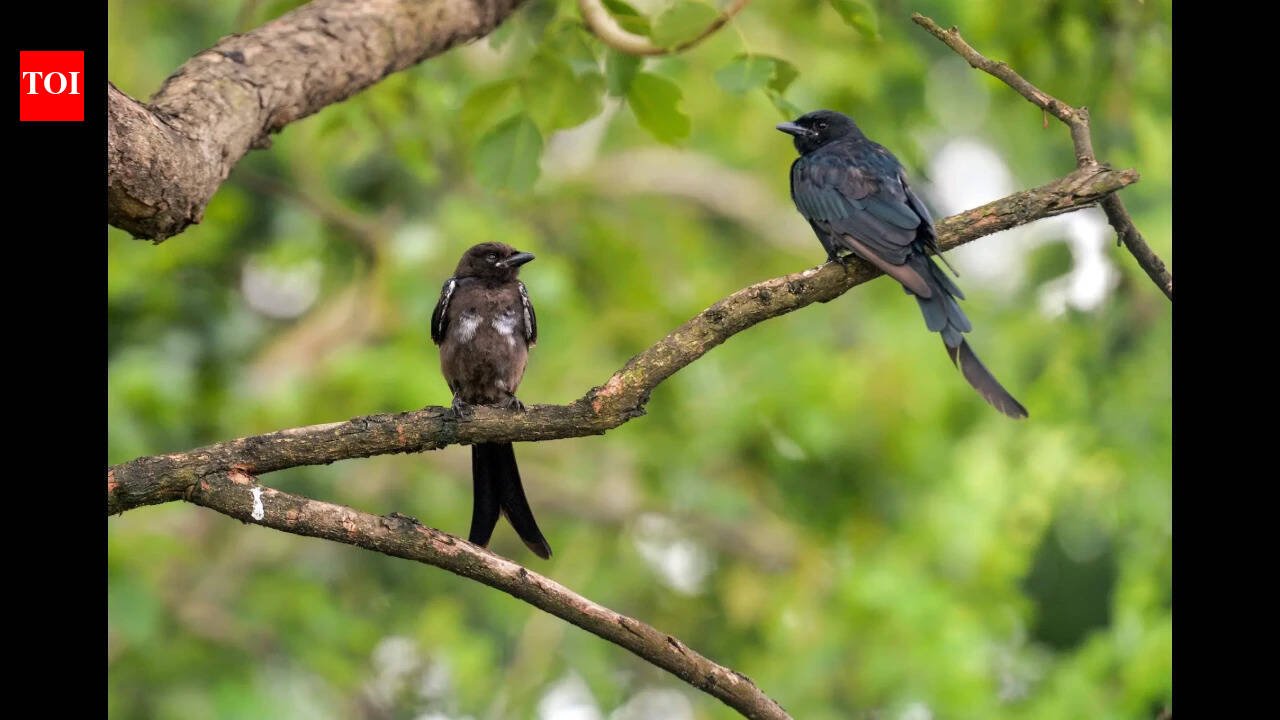
A juvenile and an adult Black Drongo perch on a tree branch (ANI Photo) In 1935, the Japanese South Seas Development Company made a decision that would have repercussions for Mariana Islands’ ecosystems for nearly 100 years. In search of a natural method for controlling agricultural pests, they imported black drongos (Dicrurus macrocercus) from Taiwan … Read more

In 1745, the US welcomed mimosa trees for their pink flowers; they later escaped gardens and spread as an invasive species

In 1745, the US welcomed mimosa trees for their pink flowers; they later escaped gardens and spread as an invasive species

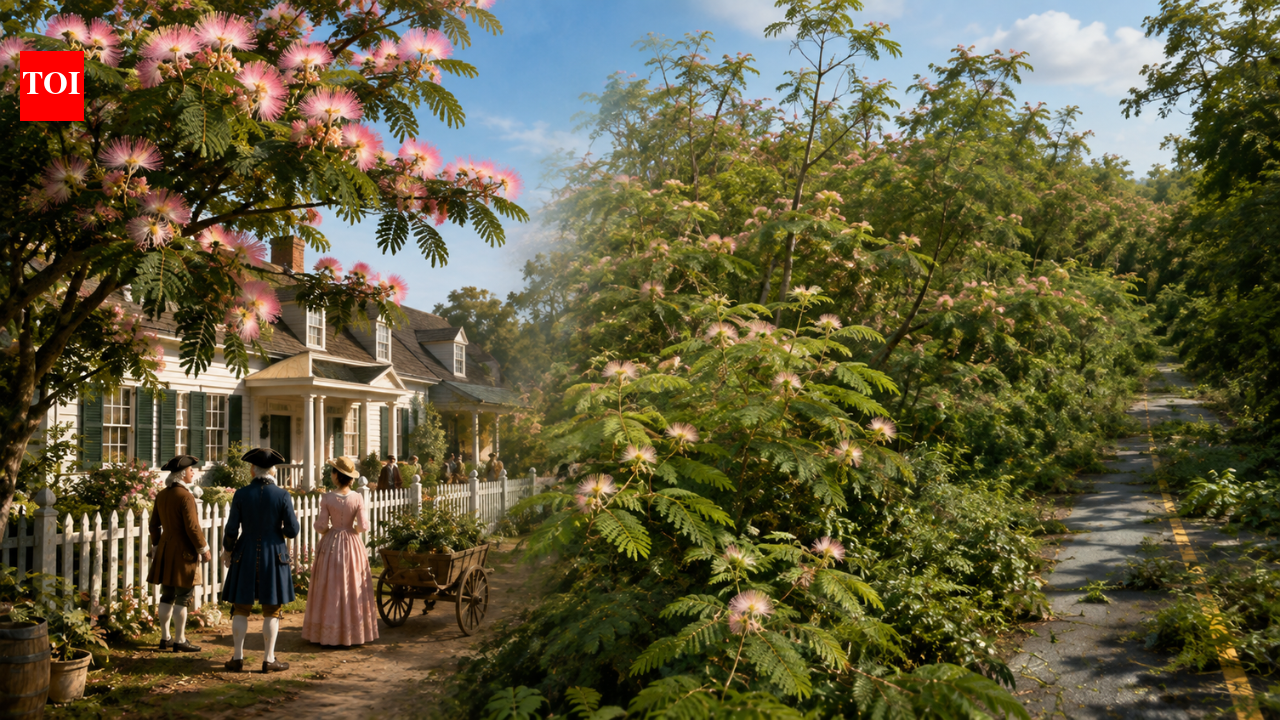
Around 1745, mimosa arrived in the United States as an ornamental tree, prized for its fragrant pink flowers, delicate foliage and unusual habit of folding its leaves at night. What began as a garden favourite, however, did not stay neatly within gardens. Albizia julibrissin escaped cultivation and gradually established itself along roadsides, clearings, flood plains … Read more