North America loses its monopoly on dinosaur fossils; fourteen tail vertebrae just turned up in Spain and experts have identified it as Diplodocus
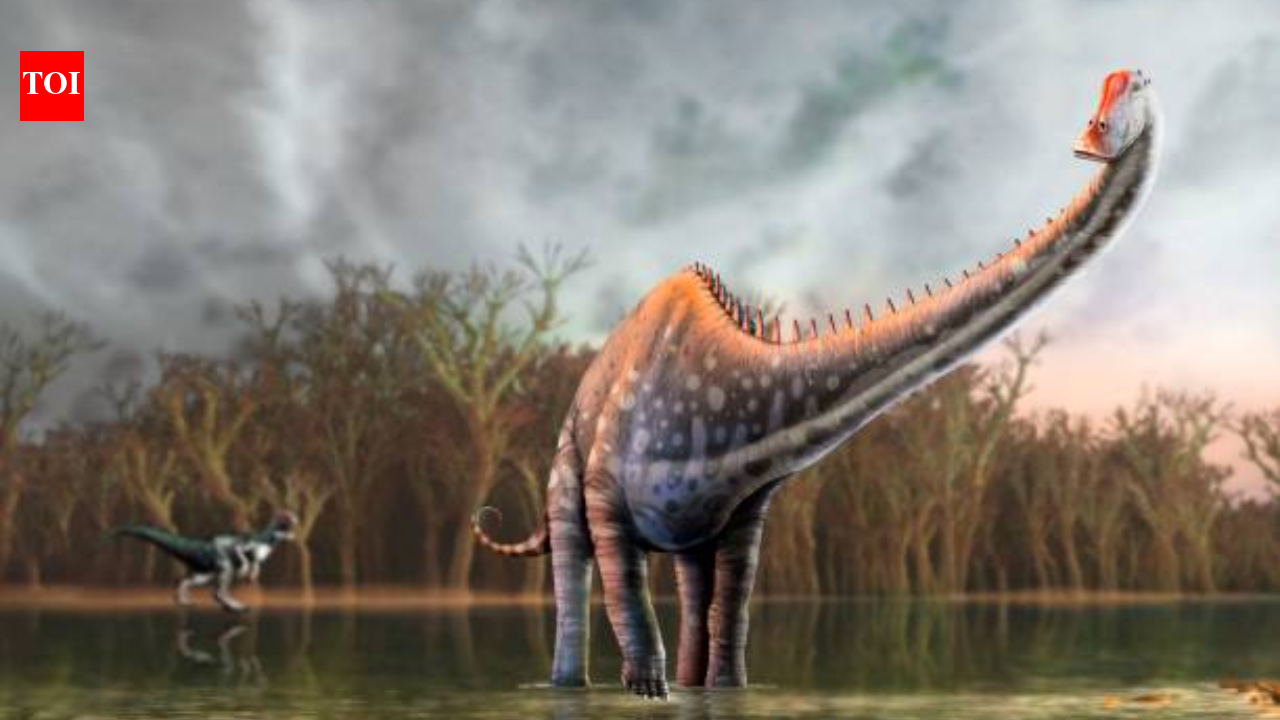
North America loses its monopoly on dinosaur fossils; fourteen tail vertebrae just turned up in Spain and experts have identified it as Diplodocus

Palaeontologists in Spain have discovered the first confirmed Diplodocus fossils outside of North America, marking the first-ever discovery outside the area. For 150 years, every confirmed bone of the animal came from one place, the Morrison Formation of western US. But recently, Sergio Sanchez Fenollosa and his colleagues found the same anatomical signature in a … Read more
In 2016, a Montana researcher picked up a rock half the size of a golf ball; 10 years later, scans showed dinosaur dung holding the finest feather yet found from the age of dinosaurs

In 2016, a Montana researcher picked up a rock half the size of a golf ball; 10 years later, scans showed dinosaur dung holding the finest feather yet found from the age of dinosaurs

David DeMar Jr., a researcher with the University of Washington’s Burke Museum, discovered the unusual nodule while conducting fieldwork in northeastern Montana’s Hell Creek Formation. Sometimes, the most extraordinary discoveries are hiding in things that look utterly ordinary. In 2016, a researcher working in Montana spotted a small, reddish-brown rock while searching for fossils. It … Read more

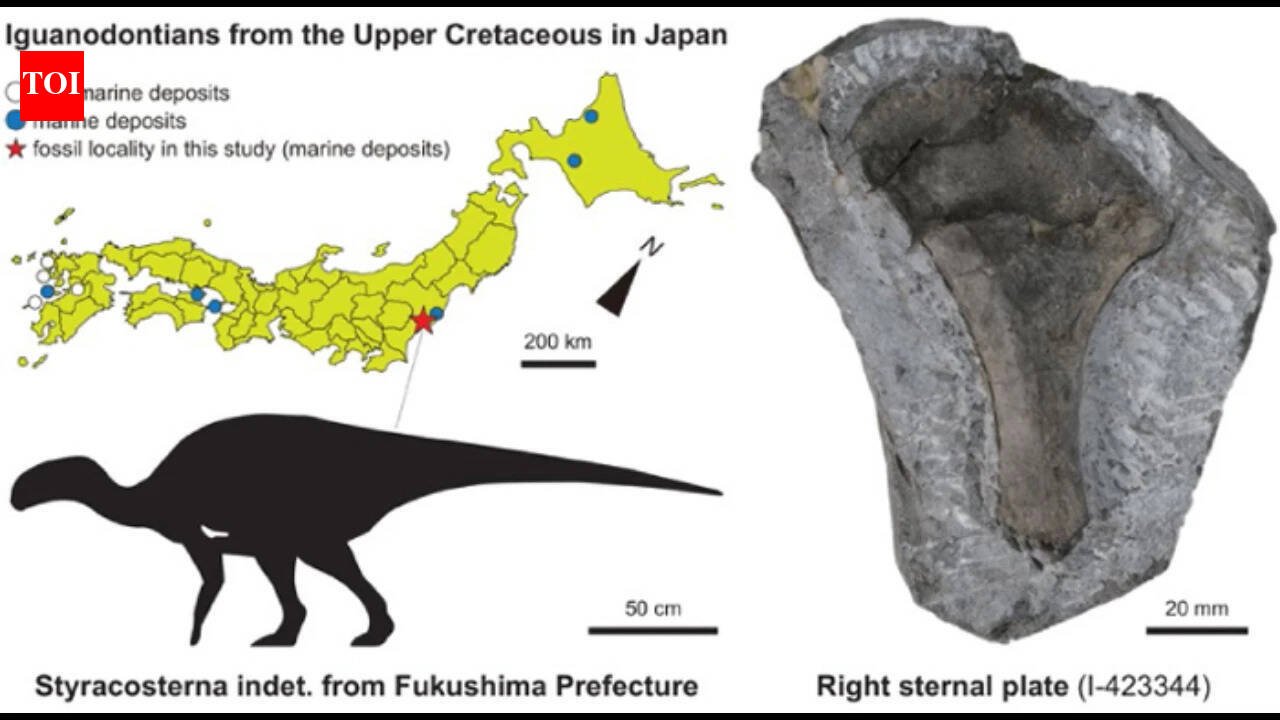
In 1999, a dinosaur bone was found on Japan’s Fukushima coast and left unstudied; in 2026, scientists identified it belonged to a 3-metre iguanodontian that lived 90 million years ago

In 1999, a dinosaur bone was found on Japan’s Fukushima coast and left unstudied; in 2026, scientists identified it belonged to a 3-metre iguanodontian that lived 90 million years ago

Photo credit: Jstage.jst.go.jp A small dinosaur bone discovered in Fukushima, Japan, more than two decades ago has given scientists a new glimpse into the diversity of ancient life along East Asia’s coast.The fossil, found in 1999 and left largely unexamined for years, has now been identified as part of the breastbone of a plant-eating dinosaur … Read more

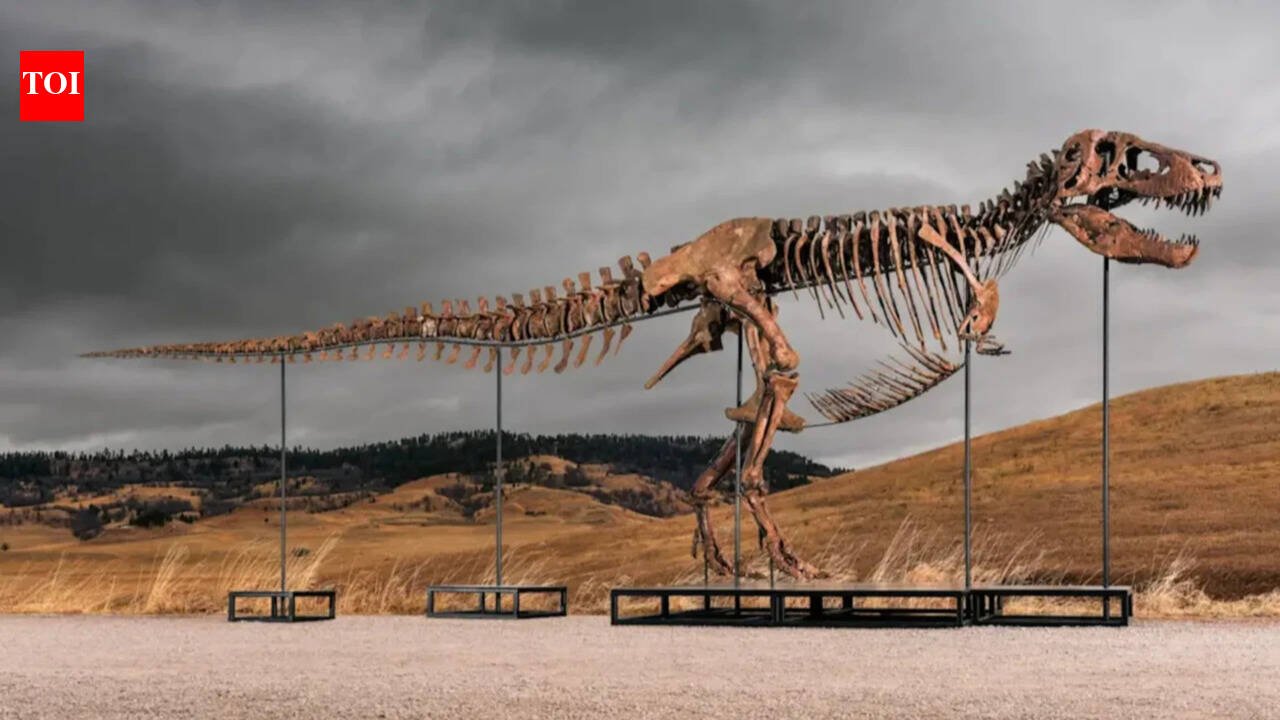
One of the world’s largest Tyrannosaurus rex skeletons is headed to auction with a price tag of up to $30 million, and the 67-million-year-old giant could become the next record-breaking dinosaur fossil auction

One of the world's largest Tyrannosaurus rex skeletons is headed to auction with a price tag of up to $30 million, and the 67-million-year-old giant could become the next record-breaking dinosaur fossil auction

Gus, the Tyrannosaurus rex found on a cattle ranch in South Dakota, will go up for auction in the summer of July 14, 2026. (Image credit: Matthew Sherman/Sotheby’s) Owning one of the world’s largest Tyrannosaurus rex skeletons may soon become a reality. But there’s a huge “what if” factor. The buyer must own and be … Read more

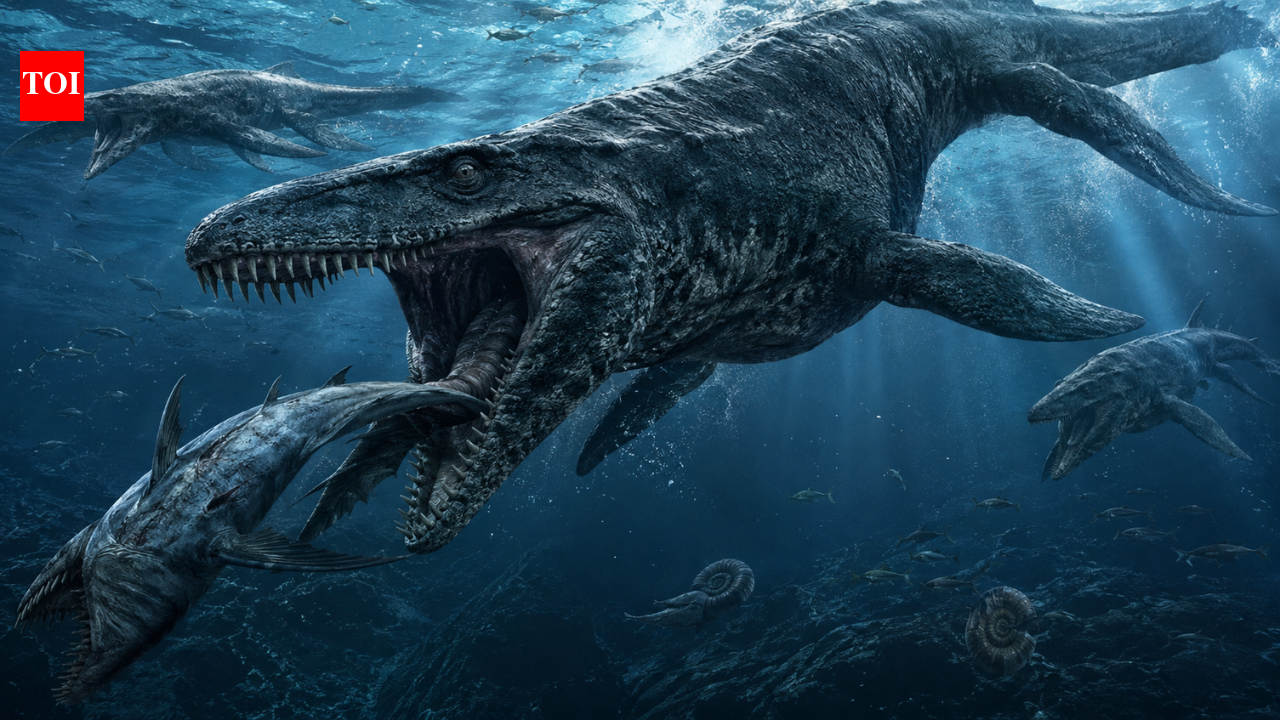
The 43-foot-long ‘Ocean Tyrannosaurus Rex’ was bigger than a great white shark and more ferocious than any mosasaur found in Texas

The 43-foot-long 'Ocean Tyrannosaurus Rex' was bigger than a great white shark and more ferocious than any mosasaur found in Texas

Long before humans came on the scene, giant ocean predators dominated the warm prehistoric oceans that once covered much of North America. Among them is a newly discovered species called Tyrannosaurus rex, a giant mosasaur that was nearly 43 feet long and lived 80 million years ago. With serrated teeth, powerful jaws and strong neck … Read more

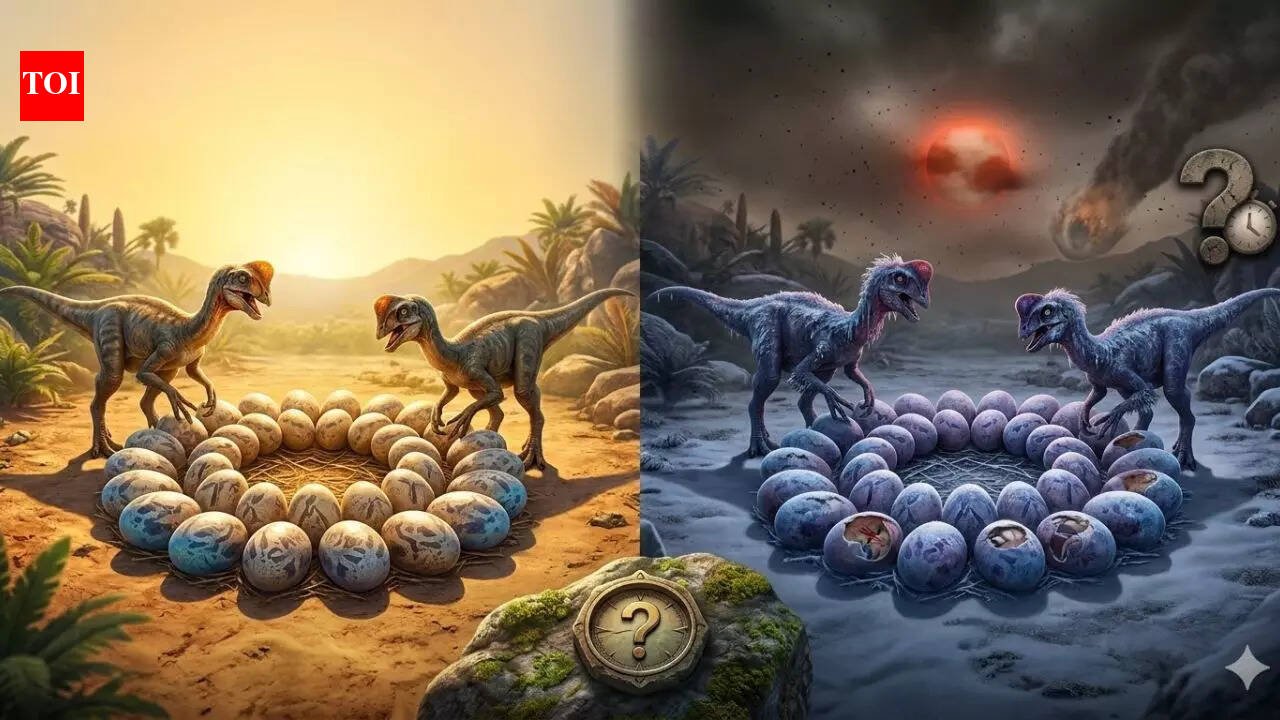
Why dinosaurs needed sunlight to hatch their eggs, which became their biggest weakness |

Why dinosaurs needed sunlight to hatch their eggs, which became their biggest weakness |

Over the millions of years they existed, dinosaurs became extinct not because of their size, strength, or ferocity, but because the way their eggs were formed was detrimental to the species. Today, birds have evolved to be master incubators, but new research published in the journal Frontiers in Ecology and Evolution It was revealed that … Read more