



































Home Blog Page 84

Middle East tensions: Ports told to consider waiving fees for stranded ships

0

NEW DELHI: With cargo ships bound for West Asia stranded in India due to conflicts in the region, the shipping ministry on Friday directed all 12 major ports to consider requests for reduction, exemption or waiver of charges, including storage rent, reefer blockage and ship-changing charges.The ministry said that during the affected period, ports may allow the storage of goods bound for West Asia as transshipment cargo, allocate additional storage areas, and coordinate with customs to facilitate the return of port export goods to the domestic market. They have also been asked to prioritize perishable cargo to prevent spoilage and facilitate additional bunkering capacity to meet potential demand.The directives came just hours after Shipping Minister Vijay Kumar chaired a virtual meeting with stakeholders including ministries, shipping lines, oil primary suppliers, companies and exporters, who pointed to possible congestion and shortage of containers at ports over the next two to three weeks. There have also been suggestions that more foreign-flagged vessels be allowed to transport domestic goods to cope with a shortage of ships and containers amid rising freight costs.According to the Shipping Ministry, 11 ships are heading to the Persian Gulf from different Indian ports, while 35 Indian-flagged vessels are heading to the region.The DGFT informed stakeholders that the Department of Financial Services is holding meetings with insurance companies, the General Insurance Board and the Export Credit Guarantee Corporation of India to address the issue of soaring premiums. It also informed that the RBI has held a meeting with the Indian Banks Association and the Indian Banks Association and asked banks operating in the West Asia region to allow their employees to work from home to ensure that shipping lines, exporters and importers do not face problems.Kumar said the port authorities have been instructed not to charge any additional charges.

Qatar partially reopens airspace amid Iran, US-Israel war: limited flights allowed as missile attacks continue in Gulf

0

Qatar partially reopens airspace amid Iran, US-Israel war: limited flights allowed as missile attacks continue in Gulf
Missiles, airspace chaos and rescue flights: Iran, US and Israel war disrupts global travel, Qatar reopens skies

Qatar has begun partially reopening its airspace after days of a near-total paralysis of the Gulf region’s aviation industry, offering a small but significant sign of relief for thousands of stranded travelers and airlines grappling with one of the region’s worst aviation disruptions in years. The move comes amid an ongoing military confrontation between Iran, Israel and the United States, which has triggered missile strikes, drone strikes and widespread airspace closures around the world. middle East.Although Qatar’s skies are gradually reopening, authorities warn the situation remains unstable and commercial flights remain severely restricted.

Why Qatar closed its airspace during Iran and US-Israel war

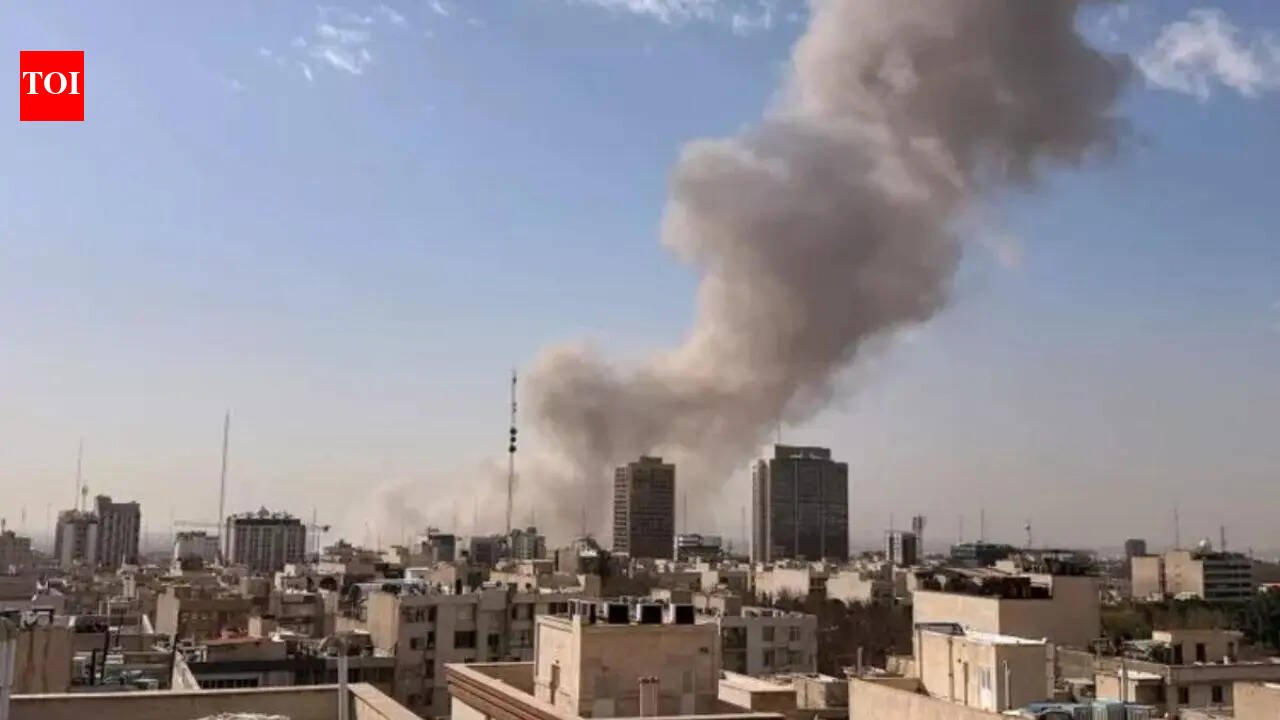
The crisis began with U.S. and Israeli attacks on Iran, resulting in retaliatory missile and drone attacks on U.S. military bases in parts of the Gulf. Qatar, UAE, Bahrain and many other countries Kuwaitquickly closing or restricting its airspace as a precautionary measure to protect civilian aircraft from potential missile threats.Security concerns have intensified as missiles and drones target infrastructure and military bases in the region. According to reports, Iranian missiles attacked Al Udeid Air Base near Doha, which is one of the largest U.S. military installations in the Middle East.As risks to commercial aviation rapidly escalate, authorities ground most flights while airlines scramble to reroute planes and protect passengers.

Qatar partially reopens airspace amid Iran, US-Israel war

Now, Qatar’s aviation authorities have partially reopened the country’s airspace, allowing certain flights, notably evacuation and cargo operations, to resume under strict monitoring. However, reopening does not mean that aviation operations return to normal. Airlines’ operations remain severely restricted due to ongoing missile threats and security concerns.Most scheduled commercial services remain suspended, with officials saying operations will only resume fully once authorities determine the situation is safe. Even a limited reopening is a crucial development for the global aviation industry, as Doha is one of the world’s busiest transport hubs, connecting Europe, Asia, Africa and Australia.

Qatar Airways Rescue flights launched during Iran and US-Israel war

Amid aviation chaos, Qatar Airways has launched limited “rescue flights” to help passengers stranded in the area. The airline no longer operates from its main Doha hub and has begun organizing flights from nearby regional airports, including those in Muscat and Riyadh in Oman. Saudi Arabiatransporting passengers to major European cities.These flights are mainly for:

  • Evacuate stranded passengers
  • repatriation of foreigners
  • Maintaining vital freight routes

Government agencies and foreign embassies are also coordinating with airlines to arrange emergency evacuation flights for their citizens.

Qatar flights canceled, thousands stranded due to war between Iran and US-Israel

The regional conflict triggered one of the worst aviation disruptions in the Middle East’s recent history. Thousands of flights in the region were canceled or diverted, leaving hundreds of thousands of travelers stranded, according to aviation analytics data.Some flights trying to cross the area have even been forced to reroute mid-air due to missile warnings or airspace restrictions. Airlines such as Emirates, Etihad Airways and other global airlines have also reduced flight schedules while waiting for clearer safety conditions.The Middle East is at the center of global air routes linking Europe, Asia and Africa, meaning the crisis has caused disruption far beyond the Gulf. Major impacts include:

  • Long-haul flight rerouting – Planes flying between Europe and Asia are taking longer routes to avoid conflict areas, adding to flight times and fuel costs.
  • Air ticket prices rise – With fewer routes available and higher operating costs, airfares are expected to rise in the coming weeks.
  • Tourism disruption – Travel plans across the region, including popular hubs such as Dubai and Doha, have been affected as airlines adjust flight schedules.

Analysts say Gulf airlines are particularly vulnerable because their business models rely heavily on connecting passengers through regional hubs.

Governments issue travel warnings amid Iran and US-Israel war

As conflicts escalate, governments around the world have issued emergency travel warnings and evacuation plans. Some countries have begun organizing charter flights or coordinating with airlines to evacuate their citizens from Gulf countries and other parts of the Middle East.Meanwhile, Gulf governments urged residents to remain vigilant and follow official safety instructions as missile warnings and drone interceptions continued in parts of the region. While Qatar’s reopening of some airspace has brought some relief, aviation experts say the situation remains very unpredictable.Missile and drone threats are still being reported, meaning airlines may continue to reduce flight operations until the security situation stabilizes. For travelers and airlines, the crisis highlights how geopolitical tensions can quickly disrupt global mobility, especially in a region that is one of the world’s busiest aviation crossroads.At present, the information sent by the authorities is that rescue flights have begun to take off. However, the skies over the bay are far from completely open.

‘Equal pay’ applies only to same institution: Madras High Court

0

CHENNAI: The principle of equal pay for equal work only applies where the employees are working in the same establishment and under the same conditions of service. madras high court Already said.“For employees working in public sector enterprises and government departments, there is no comparison. Since the rules of service are different and distinct, there is no question of the application of the principle of equal pay for equal work. “A division bench of Justices SM Subramaniam and C Kumarappan made the observation while setting aside a single-judge order directing the government to provide equal pay for equal work to frontline workers employed by Arasu Rubber Corporation Limited, a public sector enterprise owned by the Tamil Nadu government.“The directives issued by the government on different occasions since 2010 indicate that the revised pay scale of corporate employees on par with government employees should not be implemented in a routine manner but with the approval of the government,” the bench said. The bench said that public institutions are fully funded by the government and therefore the government should take into account financial constraints.“There is no doubt that the court has considered equal pay for equal work but the principle will apply if the employees are working in the same establishment with the same duties and responsibilities and no comparison can be made between employees working in public sector undertakings and government departments,” the bench said.

Tulsa tornado update: Big 12 gets major notice after tornado hits Oklahoma; scene at BOK Center

0

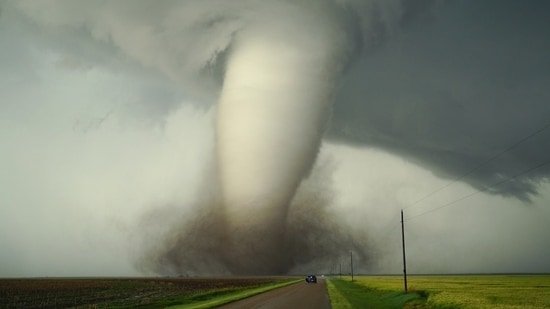
A large tornado was spotted TulsaOklahoma State on Friday, prompting a crucial decision in the Big 12 Wrestling Championships. Race officials announced they were suspending the event after a tornado warning was issued for the area. Meanwhile, the BOK Center asked fans and players to take shelter immediately.

Tornado spotted in Tulsa, Oklahoma on Friday (Unsplash)

“Due to a tornado warning in the Tulsa area, we are suspending the Big 12 Wrestling Championships presented by Allstate. We will provide updates as they become available,” the Big 12 Conference wrote on the X (formerly Twitter) platform.

Read more: Oklahoma tornado tracker: Where are the tornadoes now? Owasso, Tulsa, Kellyville scenes

“Attention Big 12 Wrestling fans: There is a tornado threat in our immediate area and activities must cease. Building staff will direct you to the nearest safe area for shelter. This is not a drill,” the BOK Center tweeted.

Soon the BOK Center announced that the severe weather threat had passed. “It is now safe to return to your seats for the remainder of the match. Wrestling will resume at 7:10.”

Meanwhile, the National Weather Service in Tulsa confirmed there was a tornado on the ground near Owasso, Oklahoma, heading toward Collinsville.

declare a state of emergency

Michigan Governor Gretchen Whitmer activated the State Emergency Operations Center (SEOC) on Friday due to wind damage and possible tornadoes in southwest Michigan.

“Tonight, I will activate the State Emergency Operations Center to coordinate an all-hands-on-deck response to severe weather in Southwest Michigan,” Whitmer said. “By taking this action, we can ensure the state can monitor and respond to local requests. I want to thank all of the rapid responders on the ground who responded quickly to keep Michiganders safe.”

According to the Michigan State Police Emergency Management and Homeland Security Division (MSP/EMHSD), the SEOC was activated at 6:00 p.m. local time.

“SEOC personnel are monitoring the situation and working with state and local officials and private sector partners to ensure any resource needs are met. MSP/EMHSD regional coordinators are on scene with local emergency management officials and providing support to local emergency operations centers. SEOC is prepared to meet resource requests as they may arise,” the release reads.

CDC issues Level 2 Polio Travel Advisory: Learn about enhanced precautions for international travelers

0

CDC issues Level 2 Polio Travel Advisory: Learn about enhanced precautions for international travelers
Polio Alert: Are your travel vaccines up to date? CDC issues level 2 advisory

Global health authorities are once again sounding the alarm polioMany countries hope the disease will be nearly eradicated. As cases and environmental testing re-emerge in multiple regions around the world, the U.S. Centers for Disease Control and Prevention (CDC) has issued a Level 2 travel advisory warning travelers to increase poliovirus prevention measures.The advice, specifically targeted at healthcare professionals such as pharmacists, comes as global surveillance systems detect poliovirus transmission in dozens of countries, reminding health experts that the fight against polio is far from over.

What does level 2 polio advisory mean?

Travel health advisories issued by the CDC range from Level 1 (Take regular precautions) to Level 4 (Avoid all travel). Level 2 advice states that travelers should “increase precautions” due to higher health risks.Specific to polio, the CDC recommends:

  • Ensure travelers have been fully vaccinated before International travel.
  • Consider a lifetime booster dose for vaccinated adults.
  • Complete routine vaccination schedule for unvaccinated or partially vaccinated individuals.

Health officials stress that vaccination remains the most effective way to prevent the virus.

Why is Level II Polio Advisory Issued?

The CDC warning follows the recent detection of poliovirus in several areas, including parts of Europe, Africa, middle East and Asia. At least 32 countries have reported transmission of poliovirus, prompting a warning to international travelers.Several popular tourist destinations, including Germany, Spain, the United Kingdom, Poland, Finland, Egypt and Kenya, have recorded outbreaks or environmental detections of the virus in wastewater monitoring systems. Experts say that doesn’t necessarily mean a widespread outbreak, but it does suggest there is an ongoing risk of transmission, especially in areas with low vaccination coverage.

Understanding polio: a highly contagious disease

Poliomyelitis, or poliomyelitis, is a viral infection that attacks the nervous system and can cause paralysis or even death in severe cases. The virus is mainly spread through:

  • Contaminated food or water.
  • Contact with infected feces.
  • Environmental sanitation and sanitary conditions are poor.

Many infected people show no symptoms, making it difficult to detect and control the epidemic quickly. Polio cases have dropped dramatically over the past few decades due to global vaccination campaigns. However, the virus continues to spread in some areas and international travel may allow it to spread.

Why pharmacists play a key role in Level 2 polio

The CDC recommendations specifically emphasize the role of pharmacists as frontline public health educators. Pharmacists are often one of the first healthcare professionals travelers consult before traveling internationally. Their responsibilities include:

  • Review traveler’s vaccination history.
  • Polio boosters are recommended when necessary.
  • Educate patients about symptoms and prevention.
  • Advise travelers on health precautions abroad.

Healthcare professionals are also urged to ensure that any unvaccinated person completes the routine polio vaccine series before traveling abroad. Since vaccination requirements may vary by destination, pharmacists can also help travelers verify documents, such as international vaccination or prophylaxis certificates.

Travel rules and vaccine requirements for Level 2 polio

In some countries where poliovirus transmission remains active, travelers may face additional requirements. For example:

  • Visitors staying longer than four weeks may be required to show proof of polio vaccination before leaving the country.
  • Adults who have completed childhood vaccinations may need a one-time booster dose before traveling.
  • The rules are designed to prevent travelers from exporting the virus across borders.

Despite decades of progress, the world has not yet completely eradicated polio. The Global Polio Eradication Initiative, launched in 1988, has reduced global polio cases by more than 99%. But challenges remain, including:

  • There is vaccine hesitancy in some areas.
  • A few countries are continuing to spread the virus.
  • Financial pressures impacting global vaccination plans

Health experts warn that as long as the virus is present anywhere, every country will remain vulnerable to reintroduction through travel.

Important advice for travelers with grade 2 polio

Health authorities recommend taking the following steps before international travel:

  • Check vaccination status and complete routine immunizations.
  • For information about boosters, ask your health care professional or pharmacist.
  • Practice good hygiene, including frequent hand washing.
  • Follow official travel health advisories for updates.

Most importantly, travelers should plan to get vaccinated four to six weeks before departure to give the body time to build immunity. The CDC’s secondary advisory underscores an important reality: Although polio has been pushed to the brink of eradication, it remains an ongoing global threat.With international travel rebounding and vaccination rates uneven in some areas, healthcare professionals, especially pharmacists, are being urged to step up awareness and prevention efforts. The clearest message for travelers is to check your vaccines before flying, talk to your pharmacist and stay protected.

Global conflicts show wars are not short-lived, need to build resilient defense industry capabilities: Navy secretary

0

全球冲突表明战争不会短暂,需要建立有弹性的国防工业能力:海军部长

Admiral Dinesh Kumar Tripathi

NEW DELHI: Stressing the need for greater industrial preparedness for modern warfare, Navy chief Admiral Dinesh Kumar Tripathi on Friday said recent global conflicts have challenged long-held assumptions that wars will be short and decisive, highlighting the urgent need for countries to build resilient defense industrial capabilities.The Admiral, while speaking at the ongoing Resina Dialogue 2026 in Delhi, said developments in the past few years have highlighted the importance of continuous military preparedness, technological adaptability and large-scale defense production. “Obviously, the thought process is that the post-Cold War peace dividend has definitely ended. So, countries have to prepare for their own national security, which requires building their own defense industrial complex,” Gen. Tripathi said.The Chief of Naval Staff spoke about the need to keep up with the rapidly evolving technology in the defense sector. “One must not only produce [military equipment] Scale, but you must also be ready to upgrade during production because technology is changing at the speed of thought. We have seen the need to do this and we have to prepare for it,” he said.Rapid adaptation is necessary because time waits for no one, and surge capacity must be sufficient to meet the challenge, he said.“It’s not that you’re going to be in a situation when your equipment is ready. Managing inventories is critical and we need the ability to surge when needed. That requires a very advanced defense industrial base. These are some of the lessons learned from what’s happening around the world,” the Navy chief said.

Oklahoma tornado path: Big tornado in Bristol, horrific scenes in Tulsa, Bixby and Union City

0

A confirmed tornado was reported in northeastern Creek County Friday night as severe weather swept through parts of Oklahoma, prompting warnings for communities along the storm’s path. The National Weather Service (NWS) in Tulsa said the tornado was spotted about 5:45 p.m. about 6 miles northwest of Kellyville and was moving northeast at 30 mph.

A large tornado was spotted in Oklahoma on Friday (Unsplash)

Areas threatened by storms

A tornado warning is in effect for northeastern Creek County and west-central Tulsa County until 6:30 p.m. Central Time.

Communities within or near potential trails include Sand Springs, Sapulpa, Mannford, Tulsa and Keystone State Park. Residents in nearby areas including Bristol, Kellyville and Bixby were also urged to remain vigilant as alerts were sounded in parts of the region.

The storm also poses risks along Interstate 44, particularly between mile markers 202 and 218.

Hazards reported by weather officials

The storm was capable of producing damaging tornadoes and quarter-sized hail, according to the National Weather Service.

Officials warned that flying debris could pose a serious threat to anyone trapped outside. Mobile homes may be damaged or destroyed, and roofs, windows, and vehicles may suffer significant damage. Tree damage is also expected in the affected areas.

Issue emergency evacuation guidelines

Weather officials stressed that tornadoes had been observed on the ground and urged residents to seek shelter immediately.

People in warning areas are advised to move to basements or indoor rooms on the lowest floors of sturdy buildings and avoid windows. Anyone who is outdoors, in a vehicle or mobile home should seek the nearest sturdy shelter to protect themselves from flying debris.

Horrible reports from Union City.

Consumers Energy crews responded to the area after a tornado struck Union City in Calhoun County. More than 2,200 energy customers in Calhoun County were without power.

“Our hearts go out to our friends and neighbors who were affected by today’s tornadoes, and we will do whatever we can to help the community,” Consumers Energy wrote. “We will assess the damage and help communities make repairs. We will continue to monitor severe weather conditions today with the potential for additional storms to hit Michigan tomorrow.”

Amit Shah says ‘Red Corridor’ to be destroyed by March 31

0

Bhubaneswar/Katik: Union Home Minister Amit Shah Friday praised the security forces for decisively curbing Naxalite activities and announced that the extremists’ long-cherished wish to establish a “red corridor” from Tirupati in Andhra Pradesh to Pashupadi in Nepal will be eliminated by March 31.He was speaking at the 57th anniversary celebrations of the Central Industrial Security Force (CISF) at Mundali in Odisha’s Cuttack district, where he launched five housing projects worth Rs 890 crore for the paramilitary force, which he hailed as a “key catalyst” for India’s industrial growth.“A Naxalite-free India is the resolve of the Narendra Modi government. I want to assure the citizens that Left Wing Extremism (LWE) will be wiped out by March 31. By defeating those who dream of a red corridor from Tirupati to Pashupati, our security forces will establish their dominance,” Shah said. Highlighting the role of CISF in anti-Maoist efforts, Shah said: “Be it Odisha, Chhattisgarh or Telangana, CISF has made significant contribution in our fight against LWE.Although the CISF is not directly involved in combat operations, officials said they play a vital support role – acting as road openers, securing movement routes for troops, protecting installations in Naxal-affected areas, and assisting state governments with outreach and welfare initiatives to build trust. Shah laid the foundation stone of three CISF residential complexes in Assam, Maharashtra and Madhya Pradesh at the Mundali Training Centre.

Daylight Saving Time 2026: When does Daylight Saving Time start in the United States and Canada? Date, time, why it matters and whether it could affect your health

0

Daylight Saving Time 2026: When does Daylight Saving Time start in the United States and Canada? Date, time, why it matters and whether it could affect your health
This is when daylight saving time starts in 2026

As spring approaches in North America, millions of people are preparing for a familiar ritual: setting their clocks forward one hour. Daylight Saving Time (DST) is about to begin in 2026, and the nights will get longer, the mornings will get darker, and people will start anew over whether practices from decades ago still make sense in today’s world.While many welcome more daylight after get off work, scientists and policymakers still question the health, economic and social impacts of changing the clocks twice a year.

When will daylight saving time start in the United States in 2026? Canada

In 2026, Daylight Saving Time will begin on Sunday, March 8, when clocks in much of the United States and Canada jump forward one hour at 2:00 AM, immediately changing to 3:00 AM. The change means people will actually get an hour less sleep that night, but also brings longer daylight hours at night for months to come.Daylight saving time will last until November 1, 2026, when clocks will “go back” one hour and return to standard time. Seasonal time changes apply to most U.S. states and many areas of Canada. However, Hawaii and most areas Arizona Not observing Daylight Saving Time, some U.S. territories also maintain standard time year-round.

Why does daylight saving time exist?

The idea behind daylight saving time is simple: adjust clocks so that daylight appears later in the evening during the warmer months, allowing people to take better advantage of natural light. The concept dates back more than a century. Daylight saving time is widely adopted first world war As a way to save fuel for lighting and heating.In the United States, the practice was standardized under the Uniform Time Act of 1966, which established a consistent national schedule for when clocks should change. Since 2007, daylight saving time begins on the second Sunday in March and ends on the first Sunday in November, extending the time by several weeks compared to decades ago.By moving the clocks forward in the spring and back in the fall, the society aims to better utilize daylight during the longer summer, reduce the need for artificial lighting and potentially save electricity. Today, supporters argue that daylight saving time still offers several advantages, including:

  • The sunshine is longer at night, which is suitable for leisure and shopping.
  • Potential boost to tourism and retail activity.
  • Nighttime crime rates have dropped in some areas.

However, critics say many of the original benefits, especially energy savings, are now minimal in a modern economy.

The healthy debate surrounding daylight saving time changes

Despite its long history, the twice-yearly clock switching remains controversial, especially among health experts. Medical researchers say that suddenly losing an hour of sleep can disrupt the body’s circadian rhythm, the internal clock that regulates sleep, metabolism and hormone cycles.Research has linked the spring transition to a number of short-term health risks, including:

  • Increased rates of heart disease and stroke
  • The incidence of traffic accidents is high
  • Lack of sleep and fatigue
  • Decreased concentration and mood changes

Research cited by the health organization also suggests the risk of heart attack may rise in the days after the clocks move forward. Some scientists believe the real problem isn’t daylight saving time itself, but the biannual switch between time systems, which creates what experts call “social jet lag.”

The economic impact of daylight saving time

In addition to health concerns, economists say daylight saving time may also have hidden financial costs. One analysis estimates that time changes could cost the U.S. economy about $672 million annually, primarily due to health effects, accidents, and lost productivity due to lack of sleep.However, supporters of daylight saving time argue that longer nights boost consumer activity, retail sales and outdoor recreation, which can benefit businesses during the warmer months.

Road Safety and Daylight Saving Time Productivity Issues

Sleep disruptions associated with daylight saving time can also affect alertness, especially during the morning commute. Traffic safety groups warn the shift could lead to an increase in drowsy driving, which can be as dangerous as drink-driving.Some economists estimate that the broader costs of daylight saving time could run into hundreds of millions of dollars annually in the United States alone due to health effects, lost productivity and accidents.

Movement to end clock changes grows

The ongoing debate has sparked political efforts to eliminate the twice-yearly time shift altogether. In the United States, lawmakers have repeatedly introduced the Sunshine Protection Act, proposing to permanently implement daylight saving time nationwide.Although the bill passed the Senate in 2022, it has not yet become law. If the bill passes, Americans will no longer change their clocks every spring and fall. Meanwhile, some regions have begun experimenting with permanent daylight saving time or permanent standard time policies, reflecting growing public dissatisfaction with clock changes.

How to prepare for daylight saving time changes

Experts recommend taking some simple steps to ease the transition:

  • In the days leading up to the change, go to bed 10-15 minutes earlier.
  • Exposure to sunlight in the morning can help reset your body clock.
  • Avoid caffeine in the evening.
  • Maintain a consistent sleep schedule

These strategies can help minimize fatigue and help the body adjust to a new schedule more smoothly. For now, spring clock changes remain a reality for hundreds of millions of people in North America, but as scientific evidence and public debate grow louder, Daylight Saving Time may be approaching a tipping point.Whether governments end up keeping Daylight Saving Time permanently, switching to year-round standard time or maintaining the current system, one thing is clear: The centuries-old practice of changing clocks twice a year is increasingly coming under scrutiny. As March 8, 2026 approaches, millions of people will once again “rush forward” and lose an hour of sleep in the process.

Jeff Nippard and Stephanie Buttermore’s last Valentine’s Day photo resurfaces after her tragic death

0

Canadian fitness YouTuber Jeff Nippard announced on Friday, March 6 die his fiancé Stephanie Buttermore. An update on Nippard’s Instagram page noted that Buttermore was connected.

Stephanie Buttermore and Jeff Nippard. (Jeff Nippard on Instagram)

Amid the heartbreak of losing this influencer, Valentine’s Day his posts Instagram A date with Buttermore resurfaced on February 14, 2026. Nippard shared the post, which featured a photo of them together, a few weeks before Buttermore’s death. Notably, this was the last public photo of the couple before Stephanie Buttermore.

“Strengthening your relationship with tea time can lower your cortisol levels,” Nippard wrote in the caption of the photo, in which the pair were both smiling broadly.

Here are the photos:

It’s worth noting that Buttermore’s cause of death has not yet been announced. The latest update shared by Nippard did not specify the cause of Buttermore’s death.

Jeff Nippard issued a statement

Jeff Nippard’s social media team shared a statement regarding Buttermore’s passing. It read: “We are deeply saddened by the sudden passing of Jeff’s fiancée and partner of ten years, Stephanie. As many of you know, Stephanie meant the world to Jeff.”

“She will be remembered for her warmth and compassion, love for her family, and her doctoral research into ovarian cancer. We kindly ask for your privacy as we work through this tragic loss. Thank you for your understanding and support during this difficult time,” it added.

Also read: Is Tom Hanks Denied Entry to Greece Due to “Associations with Jeffrey Epstein”? Viral claims debunked

Jeff Nippard and Stephanie Buttermore’s Relationship Timeline

Jeff Nippard and Stephanie Buttermore reportedly met through social media and bonded over fitness and science. They revealed in one of their vlogs that their first date was for a workout. Jeff proposed in November 2022, and the couple announced it on November 20, 2022.

The couple has since bought a house together, which Stephanie describes as their “dream home.” They reportedly plan to get married soon.