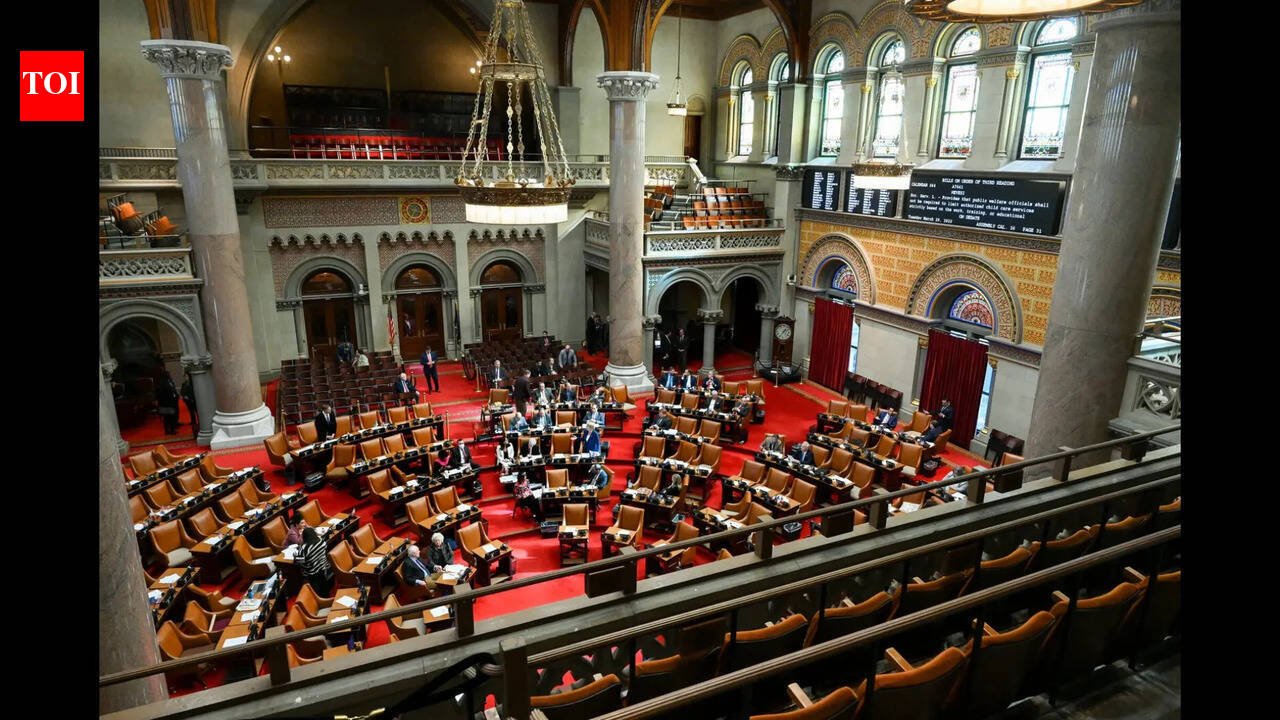

Two bills seeking to add caste as a protected class under New York’s anti-discrimination law failed to advance this legislative session. New York State Senate Bill S.6531 and Assembly Bill A.6920 were first introduced in 2025, sparking a major debate over how these bills would single out and stereotype people of Hindu, Indian, or South Asian descent living in New York State. The Hindu Union of North America has launched a campaign against the passage of the bills and urged residents to call on their MPs or senators to vote against the bills. They said caste is not a neutral term and that instead of listing caste as a protected category, the Assembly and Senate should consider adding ancestry as a category in New York’s Human Rights Code.The coalition cheered as the bill failed to move forward. “As a Bahujan Hindu, I have held numerous meetings with legislators in New York over the past two years to share my story and educate. I find it offensive that New York State is trying to weaponize my identity against my own culture and traditions that have provided me with comfort and strength,” said Sudha Jagannathan, the coalition’s director of government relations.The coalition cited a 2024 study from Rutgers University’s Social Sensing Laboratory and the Online Contagion Institute, which it said found that casual mentions and conversations about caste, even by people with institutional power, can have serious consequences, including making individuals more likely to agree with Hitler-like rhetoric against Hindus and Indian Americans.Defenders of the proposed bill argue that existing laws have no caste protections and that without such explicit protection, victims may be reluctant to report discrimination. The two bills, sponsored by state Sen. James Sanders Jr. and Rep. Steven Raga, define caste as a system of social stratification based on inherited status, social class, occupation, ancestry and related characteristics.