Meet Isabella Garry, the Eden Prairie seventh-grader who tested plant-based gels in simulated stomach fluid and found psyllium could remove up to 93.3% of microplastics within 60 minutes

Meet Isabella Garry, the Eden Prairie seventh-grader who tested plant-based gels in simulated stomach fluid and found psyllium could remove up to 93.3% of microplastics within 60 minutes

Isabella GarryPhoto: Society for Science When Isabella Garry learned that microplastics can enter the human body through food, water and the air, she began looking for a solution that went beyond simply avoiding plastic. The seventh-grader from Central Middle School in Eden Prairie, Minnesota, tested natural plant compounds in a laboratory-made stomach environment to see … Read more

“I’m calling the cops”: Kai Cenat threatens to sue Reggie after serious allegations involving RaKai

"I’m calling the cops": Kai Cenat threatens to sue Reggie after serious allegations involving RaKai

Kai Cenat (Image Via Getty) Kai Cenat has responded publicly after streamer Reginald “Reggie,” also known as “Lil Rodney Son,” made serious allegations involving him and fellow streamer RaKai. During a livestream, Reggie raised claims about RaKai and accused Kai of knowing about an alleged incident. RaKai has denied the allegations, while Kai has now … Read more

In 2021, Australian scientists sprayed wheat scent across farm plots to confuse hungry mice; the treatment reduced seed loss by up to 74% in a field experiment without poisoning the rodents

In 2021, Australian scientists sprayed wheat scent across farm plots to confuse hungry mice; the treatment reduced seed loss by up to 74% in a field experiment without poisoning the rodents

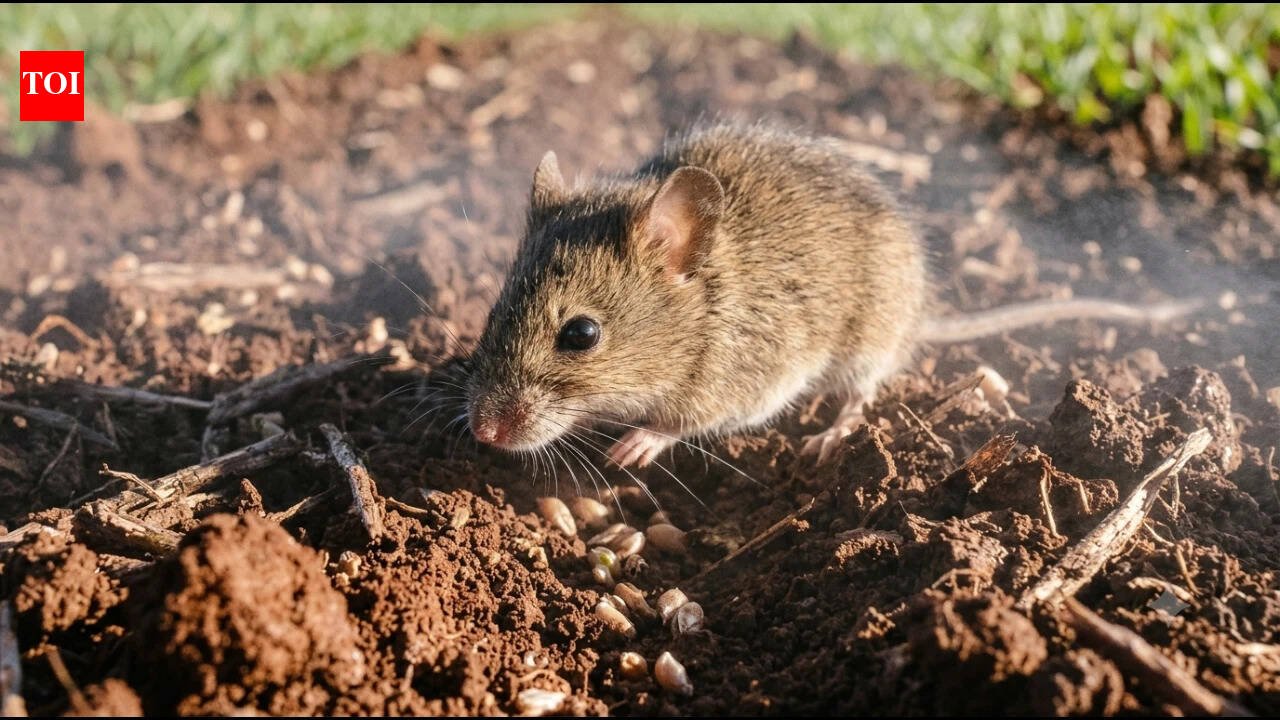
​Wheat seed loss fell 63% after wheat germ oil treatment (Representational AI image) Australian scientists have tested a non-toxic way to protect wheat seeds from hungry mice by making it harder for the rodents to locate them. In an experiment carried out in 2021, instead of poisoning the mice or using bait, the researchers sprayed … Read more

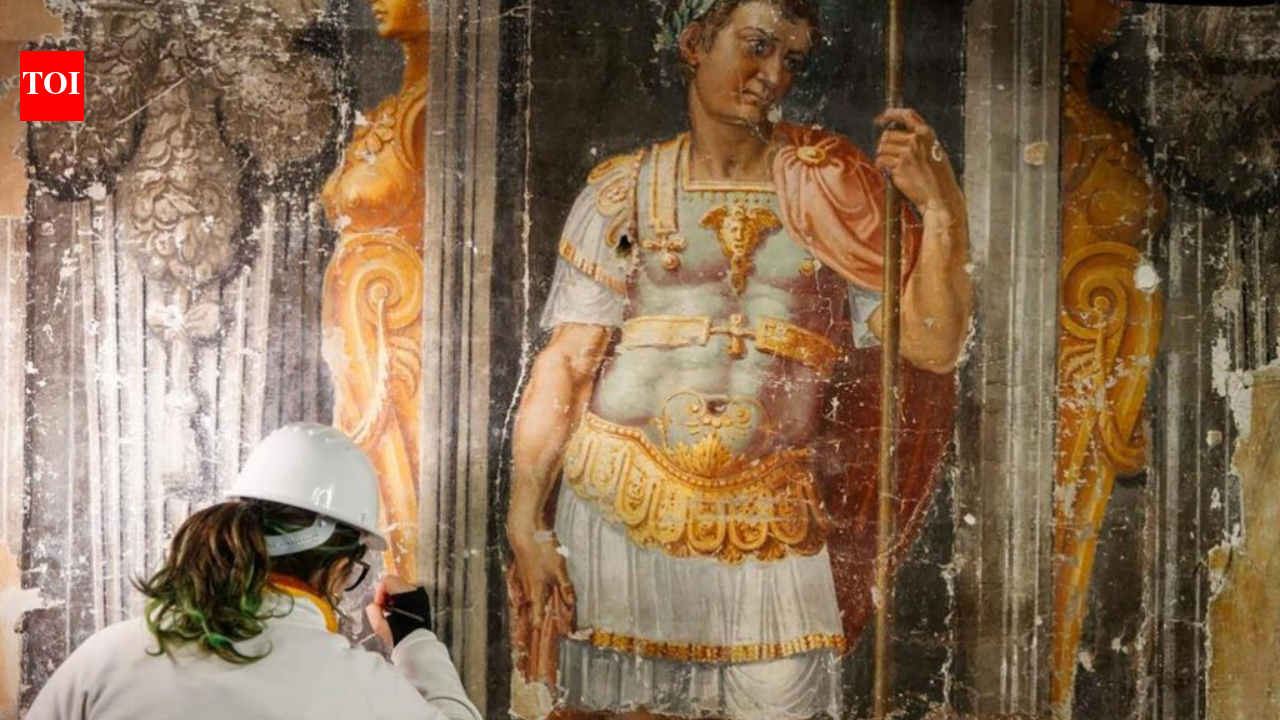
Disapproving nuns painted over the risqué frescoes in Rome’s long-neglected Villa Silvestri Rivaldi for 300 years; restorers are now exposing them

Disapproving nuns painted over the risqué frescoes in Rome's long-neglected Villa Silvestri Rivaldi for 300 years; restorers are now exposing them

For nearly three centuries, layers of plain paint and plaster hid a remarkable secret inside one of Rome’s long-neglected Renaissance villas. Now, restorers peeling back those layers are bringing colourful scenes of gods, goddesses, soldiers and mythological figures back into view, as per a report by Smithsonian Magazine.The rediscovered artwork is inside Villa Silvestri Rivaldi, … Read more

Captain Machchhar, a dentist, plumber & the crew who helped save over 170 lives on flydubai flight

Captain Machchhar, a dentist, plumber & the crew who helped save over 170 lives on flydubai flight

Inside flydubai flight FZ1073: How Captain Machchhar’s quick thinking helped save 174 lives When Captain Smit Machchhar was stabbed inside the cockpit of a flydubai flight bound for Tel Aviv, he was left bleeding on the floor as the plane plunged thousands of feet.But even while seriously injured, the Mumbai-born pilot managed to open the … Read more

After the Chernobyl nuclear disaster, scientists planted sunflowers to pull radioactive material from contaminated water and soil; the flowers actually absorbed radioactive isotopes

After the Chernobyl nuclear disaster, scientists planted sunflowers to pull radioactive material from contaminated water and soil; the flowers actually absorbed radioactive isotopes

After the 1986 Chernobyl nuclear disaster, scientists explored an unusual way of dealing with radioactive contamination by using plants to absorb radionuclides from the environment. Sunflowers emerged as a promising candidate because their roots can take up certain radioactive elements, including cesium and strontium, from contaminated water. Experiments near Chernobyl showed that sunflowers could remove … Read more

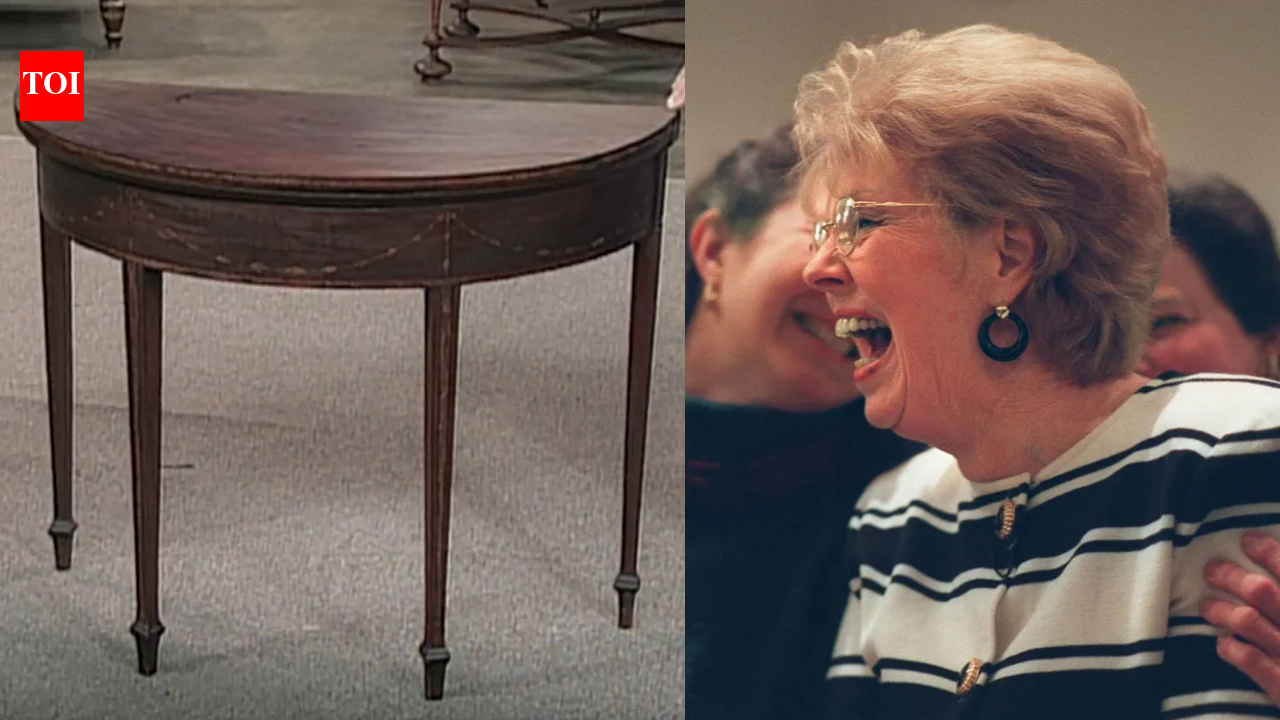
A New Jersey woman paid $25 for a mouldy table at a garage sale; 30 years later, it was identified as a rare 18th-century card table made by John Seymour & Son and sold for $541,500

A New Jersey woman paid $25 for a mouldy table at a garage sale; 30 years later, it was identified as a rare 18th-century card table made by John Seymour & Son and sold for $541,500

A New Jersey schoolteacher who bought a mouldy, pitch-black table at a garage sale for just $25 ended up owning a rare piece of American furniture worth more than half a million dollars. Claire Wiegand-Beckmann purchased the table roughly three decades before it appeared on Antiques Roadshow, when she was moving into a new home … Read more

A Gutenberg Bible leaf bought for £25 in the early 20th century was rediscovered among a grandfather’s belongings in an English attic; the roughly 570-year-old page fetched £39,000 at auction in 2025

A Gutenberg Bible leaf bought for £25 in the early 20th century was rediscovered among a grandfather's belongings in an English attic; the roughly 570-year-old page fetched £39,000 at auction in 2025

A single page from one of the most important books in printing history spent decades sitting unnoticed in an English attic. Bought for just £25 in the early 20th century, the roughly 570-year-old leaf from the Gutenberg Bible was rediscovered among a grandfather’s belongings and eventually sold at auction for £39,000 in 2025.The rare page … Read more

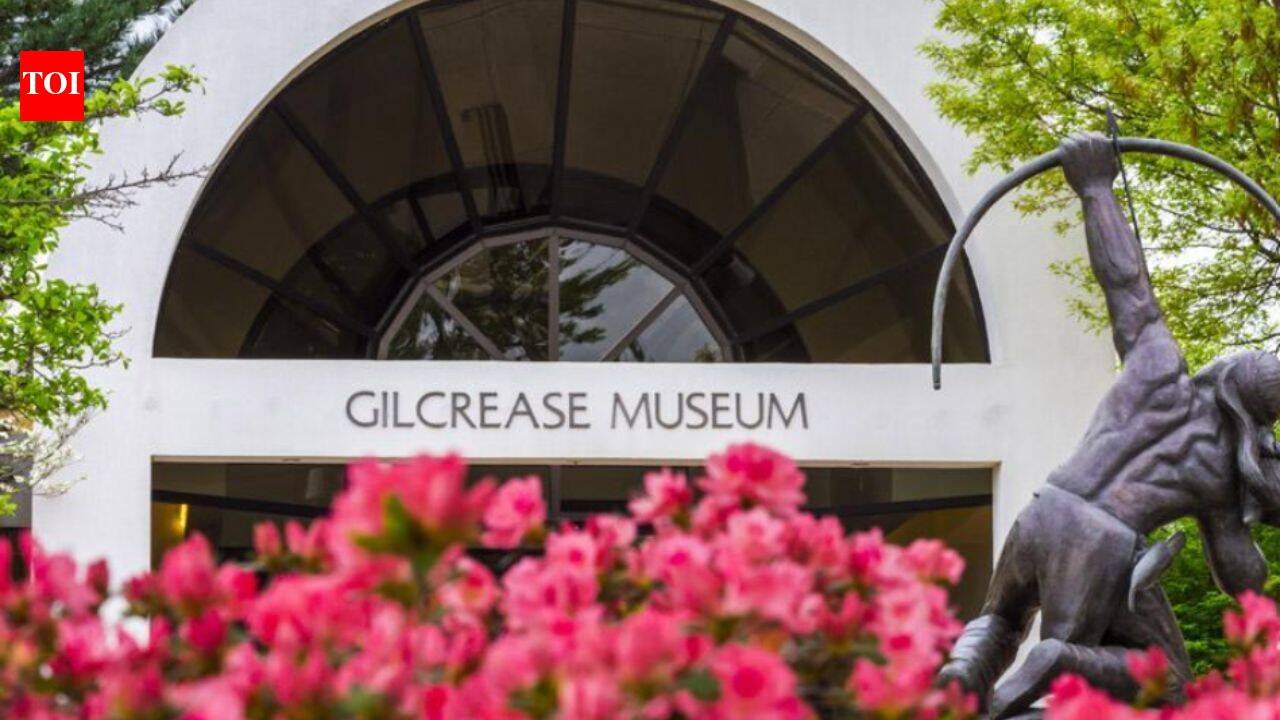
In 1899, nine-year-old Thomas Gilcrease received 160 acres; 18 years later, it had 32 producing oil wells, and his wealth later helped build Tulsa’s Gilcrease Museum

In 1899, nine-year-old Thomas Gilcrease received 160 acres; 18 years later, it had 32 producing oil wells, and his wealth later helped build Tulsa's Gilcrease Museum

​Financial troubles forced Gilcrease to give up control of his collection and museum to the City of Tulsa in 1955. Thomas Gilcrease was just nine-year-old when he became eligible for a 160-acre land allotment in Oklahoma through his Creek tribal membership in 1899. The land, near present-day Glenpool, later became part of the Glenn Pool … Read more

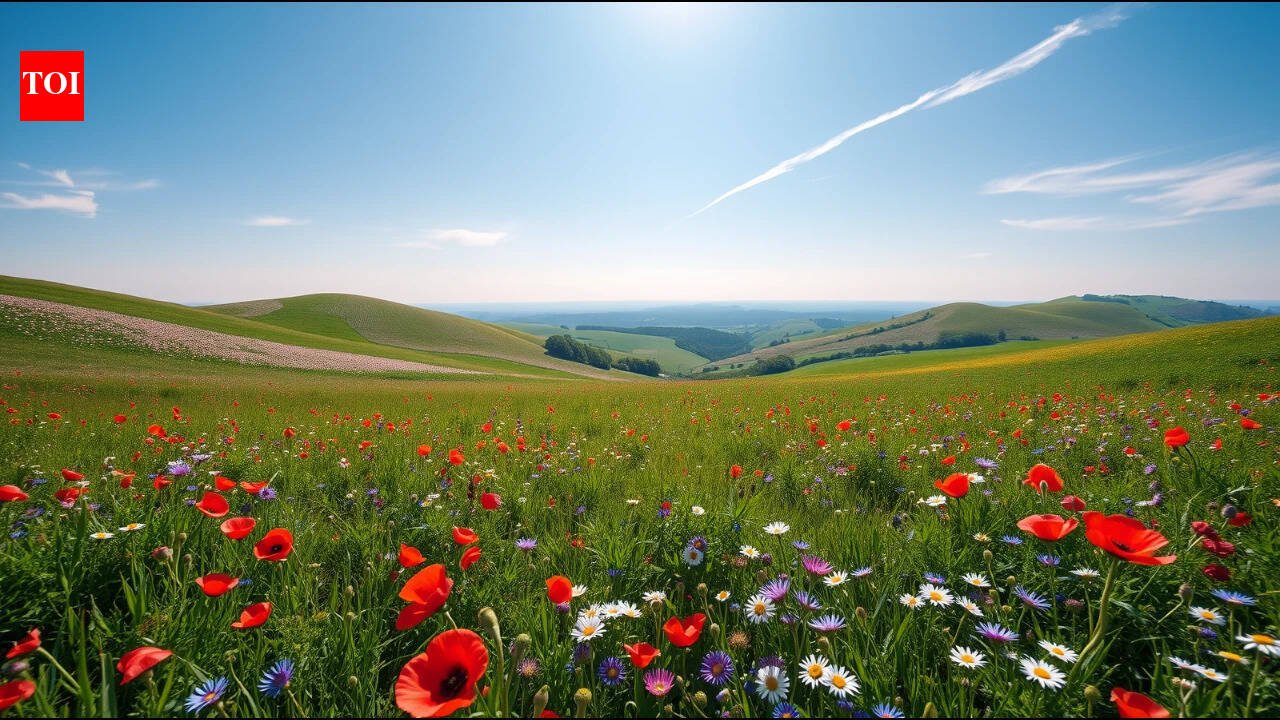
A wildlife charity bought 335 hectares in Dorset; two years later, it is one of England’s newest National Nature Reserves

A wildlife charity bought 335 hectares in Dorset; two years later, it is one of England’s newest National Nature Reserves

Representative Image of a vibrant landscape of chalk grassland and wildflower meadows at Lyscombe National Nature Reserve (AI Generated Image) In March 2024, Dorset Wildlife Trust and Natural England acquired 335 hectares of chalk downland and farmland at Lyscombe, around 10 miles north-east of Dorchester. The former organically managed farm was acquired for nature conservation … Read more