In 1987, Kansas brought 30 bison back to Konza Prairie; 29 years later, native plant richness had risen 103% locally and 86% across catchments
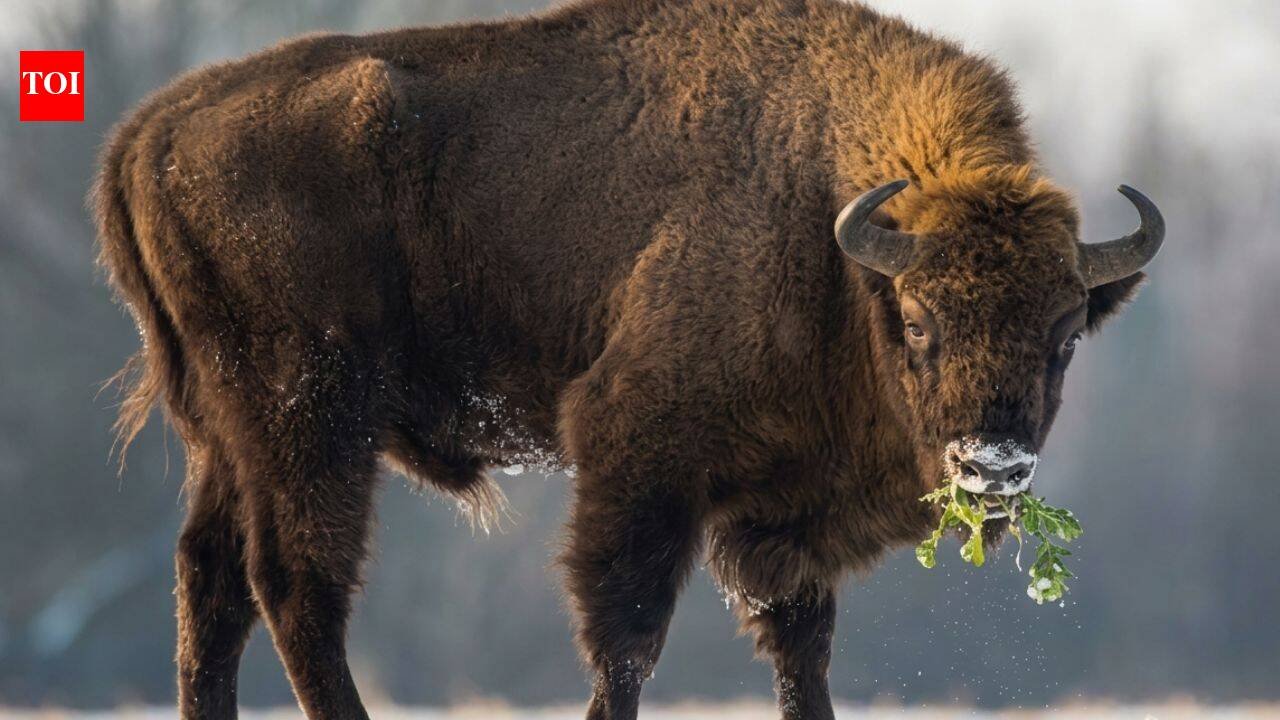
In 1987, Kansas brought 30 bison back to Konza Prairie; 29 years later, native plant richness had risen 103% locally and 86% across catchments

Restoring grazing by native large herbivores such as bison can produce sustained increases in native plant diversity In 1987, 30 bison from the Fort Riley Military Reservation were brought to Konza Prairie in Kansas. Nearly three decades later, researchers found that native plant species richness had increased by 103% at the local scale and by … Read more

In 2003, Chicago’s mayor sent bulldozers to carve six giant Xs into an airport runway overnight, stranding 16 planes; 12 years later, the former airfield reopened with 40 acres of prairie, wetlands and wildlife habitat

In 2003, Chicago’s mayor sent bulldozers to carve six giant Xs into an airport runway overnight, stranding 16 planes; 12 years later, the former airfield reopened with 40 acres of prairie, wetlands and wildlife habitat

Meigs Field in 1997 (Image Credit: Wikipedia) When Chicago residents woke up on March 31, 2003, one of the city’s most recognisable small airports had effectively disappeared overnight. Under orders from then-Mayor Richard M. Daley, construction crews arrived at Meigs Field in the early hours and carved six enormous X-shaped gouges into the runway, making … Read more

Downtown Dallas fire: Smoke seen across Grand Prairie, Arlington and Duncanville; videos emerge

A large smoke plume rises over downtown Dallas as fire crews respond.

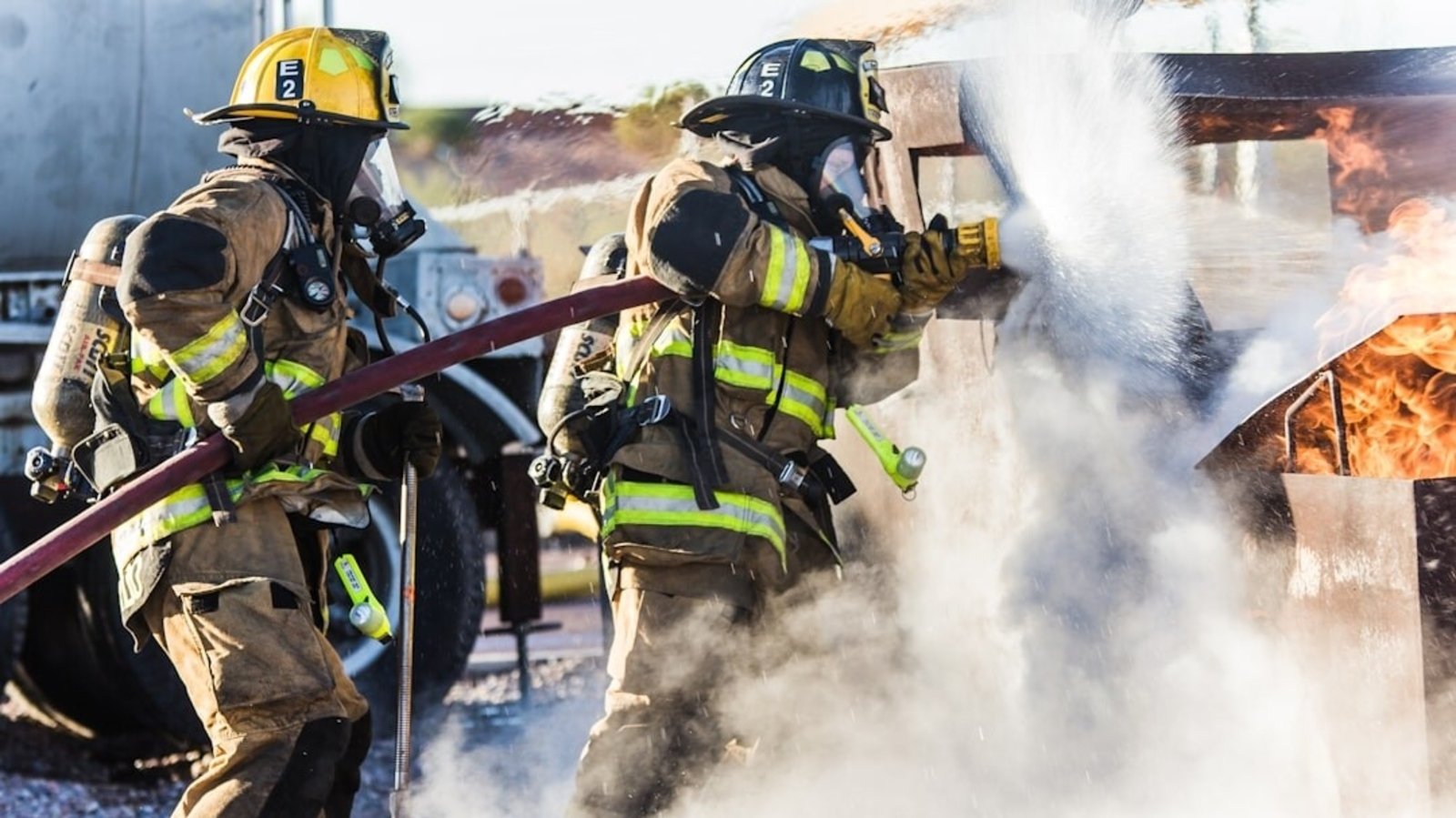
A large plume of dark smoke was seen rising over the downtown Dallas skyline on Sunday evening, August 16, 2026. The smoke was visible from residential areas across the city, with videos showing a thick cloud rising above the buildings. The incident appears to involve a new fire in downtown Dallas. It is separate from … Read more

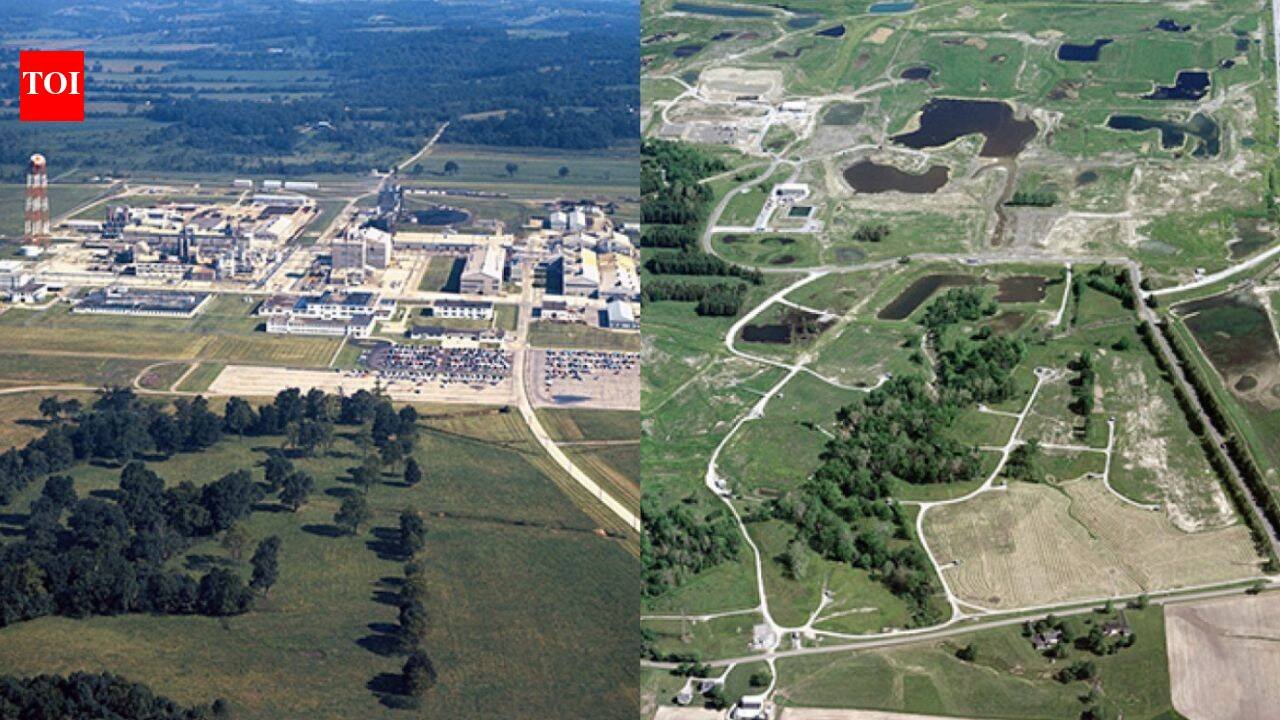
In 1989, Ohio’s Fernald uranium plant stopped production; a $4.4 billion cleanup transformed the 1,050-acre site into wetlands, prairie and forest

In 1989, Ohio's Fernald uranium plant stopped production; a $4.4 billion cleanup transformed the 1,050-acre site into wetlands, prairie and forest

Before and after photo of the Fernald Site cleanup For nearly four decades, a site in Ohio was part of the United States’ nuclear weapons production programme. Today, the same land has been turned into the Fernald Preserve, with wetlands, prairies, forests, walking trails and a Visitors Center that tells the story of its past.According … Read more