An Ohio community is negotiating to buy 850 acres from a coal company; if successful, the public forest could link about 74,000 acres between Wayne National Forest and Strouds Run State Park
An Ohio community is negotiating to buy 850 acres from a coal company; if successful, the public forest could link about 74,000 acres between Wayne National Forest and Strouds Run State Park

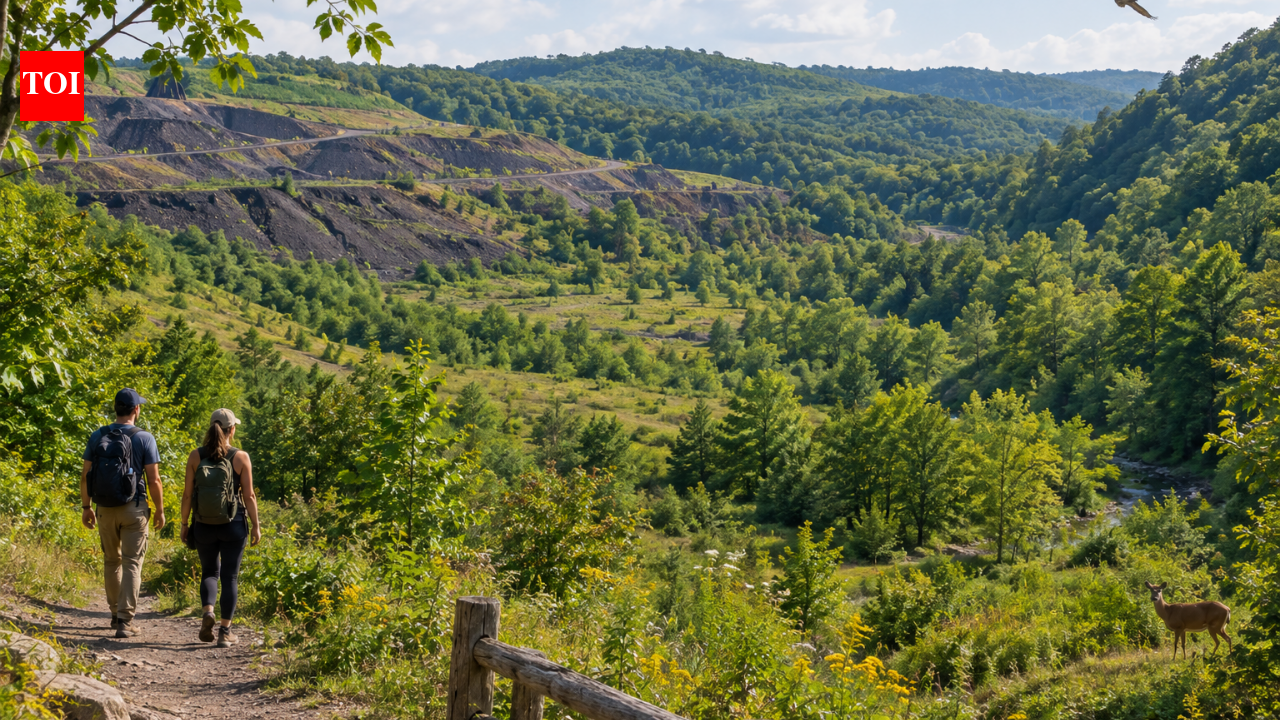
Representative Image (AI-generated) An effort in southeast Ohio could turn roughly 850 acres of former coal-company land into a publicly accessible community forest, creating a major connection between existing protected and recreational lands. Local stakeholders are negotiating with the Sugar Creek Coal and Mining Company to acquire the property in Dover Township and establish the … Read more
In 1837, New Zealand imported possums for a fur trade; 189 years later, aerial photos show they have damaged about half the vulnerable trees in one rare South Island forest

In 1837, New Zealand imported possums for a fur trade; 189 years later, aerial photos show they have damaged about half the vulnerable trees in one rare South Island forest

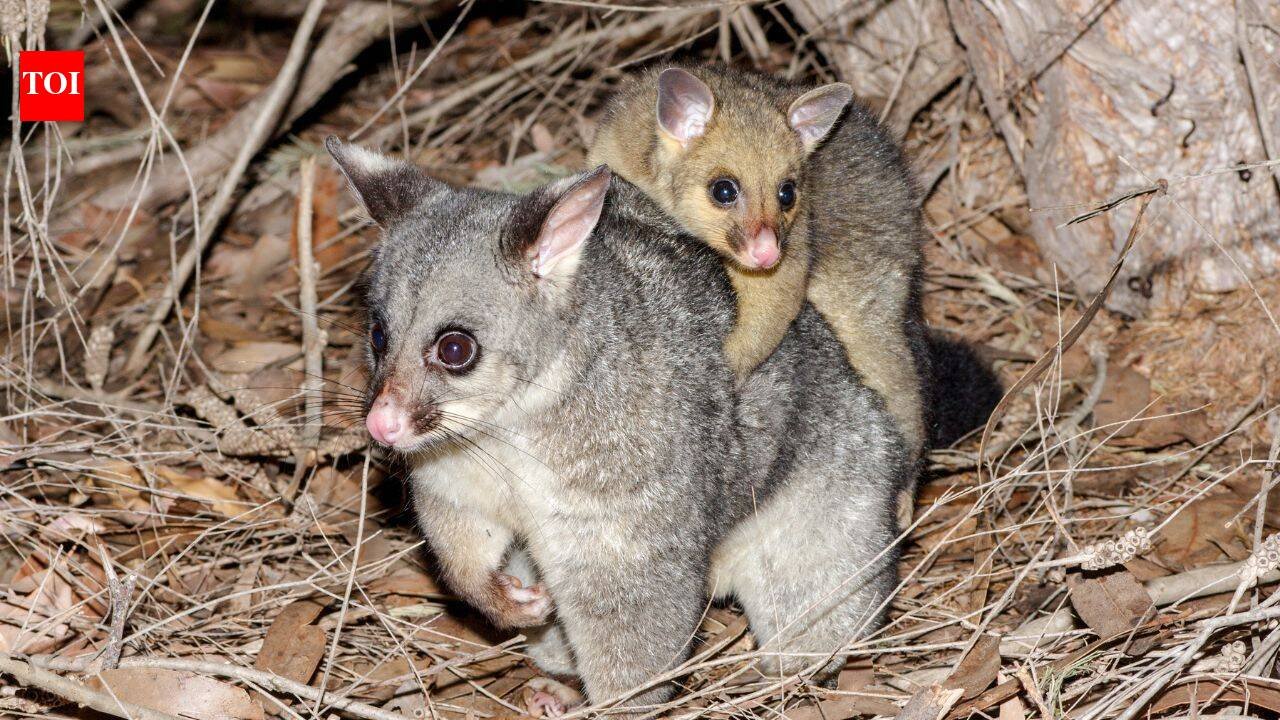
PossumsRepresentative image In 1837, New Zealand introduced Australian brushtail possums in the hope of building a profitable fur industry. The animals were expected to provide valuable pelts and help create a new rural economy, but the experiment had consequences that stretched far beyond anyone’s expectations. Nearly two centuries later, possums have become one of the … Read more

Scientists warmed Minnesota forest trees by 3.4°C for years expecting respiration to surge 23%; the trees adapted and erased nearly 80% of that increase

Scientists warmed Minnesota forest trees by 3.4°C for years expecting respiration to surge 23%; the trees adapted and erased nearly 80% of that increase

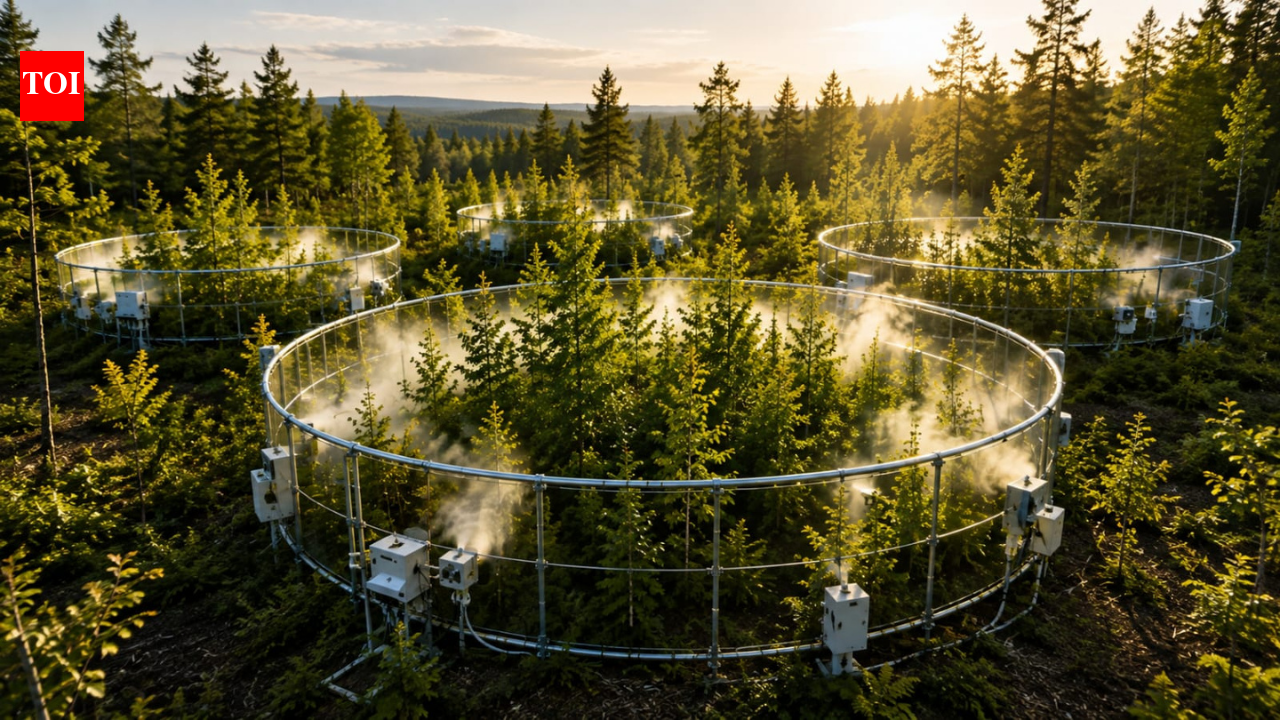
The open-air study was designed to mimic future warming while maintaining natural outdoor conditions. Researchers established plots in both open and closed-canopy forest environments and planted seedlings representing 11 tree species. In a Minnesota forest, researchers turned up the heat, not for days or weeks, but for years. Beneath the trees, heating cables warmed the … Read more

Ugandan communities planted 4,053 trees beside one of Africa’s great rainforests; now the new forest is rebuilding a damaged wildlife buffer

Ugandan communities planted 4,053 trees beside one of Africa's great rainforests; now the new forest is rebuilding a damaged wildlife buffer

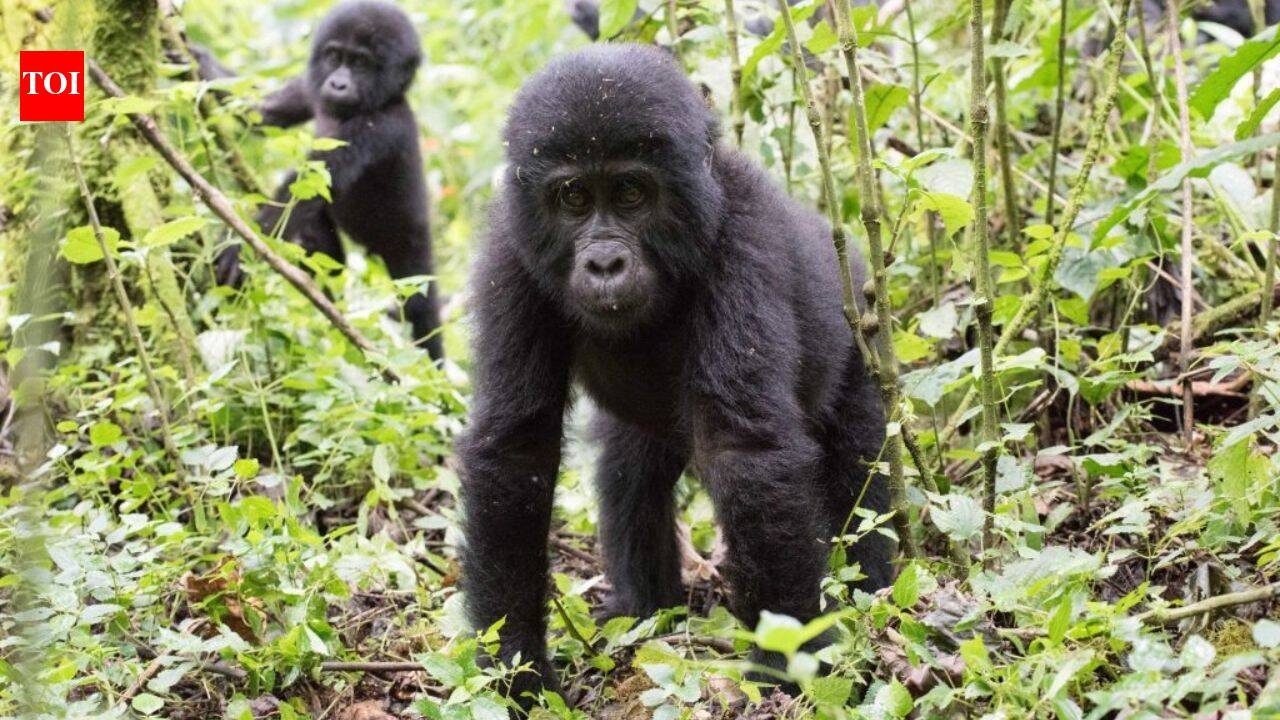
Like Impenetrable Forest. Image Credit: Ron Van Oers/Wikipedia Communities living beside Uganda’s Bwindi Impenetrable National Park have planted 4,053 agroforestry trees across 40 hectares of land, beginning the restoration of a damaged buffer zone around one of Africa’s most important rainforest landscapes. The work aims to improve habitat, support local livelihoods and reduce pressure on … Read more

Scientists reconstructed a Wyoming forest from 56-million-year-old fossil leaves; it lost about 60% of its canopy during ancient warming and took more than 100,000 years to recover

Scientists reconstructed a Wyoming forest from 56-million-year-old fossil leaves; it lost about 60% of its canopy during ancient warming and took more than 100,000 years to recover

Wyoming tetons Representative image from Canva Deep in the rock record of Wyoming, a layer of fossil leaves tells a quiet but powerful story about what happens to forests when the planet warms rapidly. About 56 million years ago, during a spike in global temperatures known as the Paleocene Eocene Thermal Maximum (PETM), a lush … Read more

Scientists altered the air around a Wisconsin forest for 11 years; extra CO₂ drove 39% more productivity, but ozone reversed part of the gain

Scientists altered the air around a Wisconsin forest for 11 years; extra CO₂ drove 39% more productivity, but ozone reversed part of the gain

Representative Image (AI-generated) What happens when young forest communities spend more than a decade growing in air with unusually high levels of carbon dioxide and ozone? Scientists in Wisconsin set out to find the answer by changing the atmosphere around these communities and tracking how the trees responded over 11 years. The experiment, known as … Read more

A ‘devil flower’ with no leaves, no branches, no green part has been discovered in a Thai forest, scientists say its bizarre appearance is hiding an even stranger secret

A ‘devil flower’ with no leaves, no branches, no green part has been discovered in a Thai forest, scientists say its bizarre appearance is hiding an even stranger secret

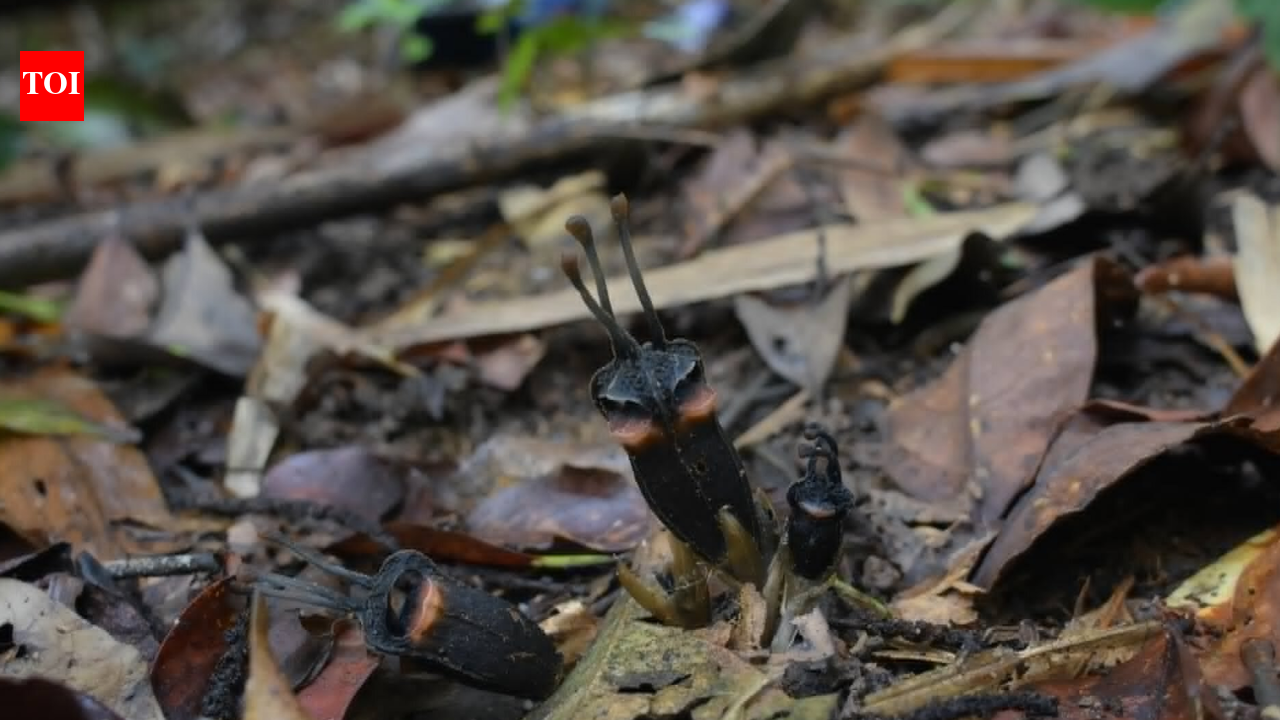
It has no leaves, no branches and no green parts, and spends much of its life concealed beneath fallen leaves on the forest floor. Scientists have now described a bizarre new flowering plant from Thailand, naming it Thismia daemona, the “devil flower”, for its dark, horn-like appearance. Details of the discovery were reported by Pensoft … Read more

Canada planted a pine forest where a rare savanna once stood; removing the trees later brought back a richer ecosystem

Canada planted a pine forest where a rare savanna once stood; removing the trees later brought back a richer ecosystem

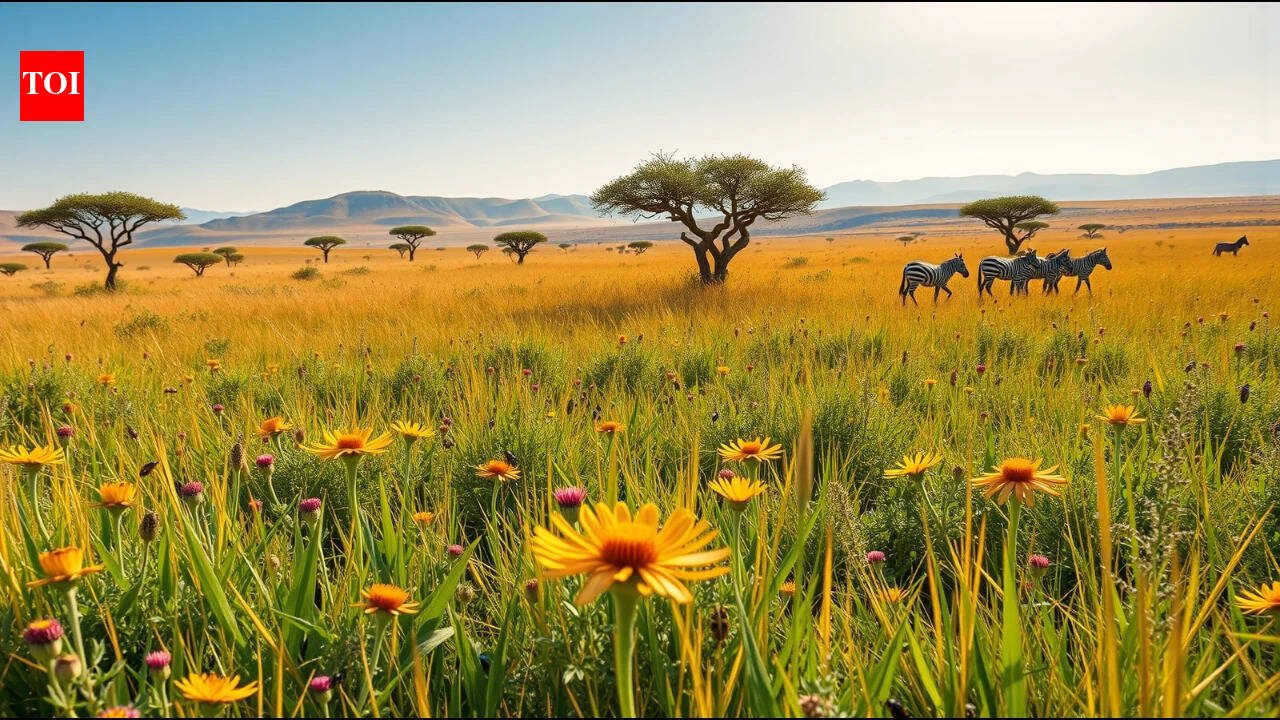
​Representative Image of a thriving savanna ecosystem flourishing after pine forest removal, with diverse native plants and insects (AI-generated image) A patch of rare savanna habitat in the Ottawa Valley has recovered remarkably well after decades under a planted pine forest, according to a study examining restoration efforts at a site called The Sandhills near … Read more

Meet Daniel Janzen: The ecologist who turned 169,000 hectares of Costa Rica into a giant forest filled with biodiversity

Meet Daniel Janzen: The ecologist who turned 169,000 hectares of Costa Rica into a giant forest filled with biodiversity

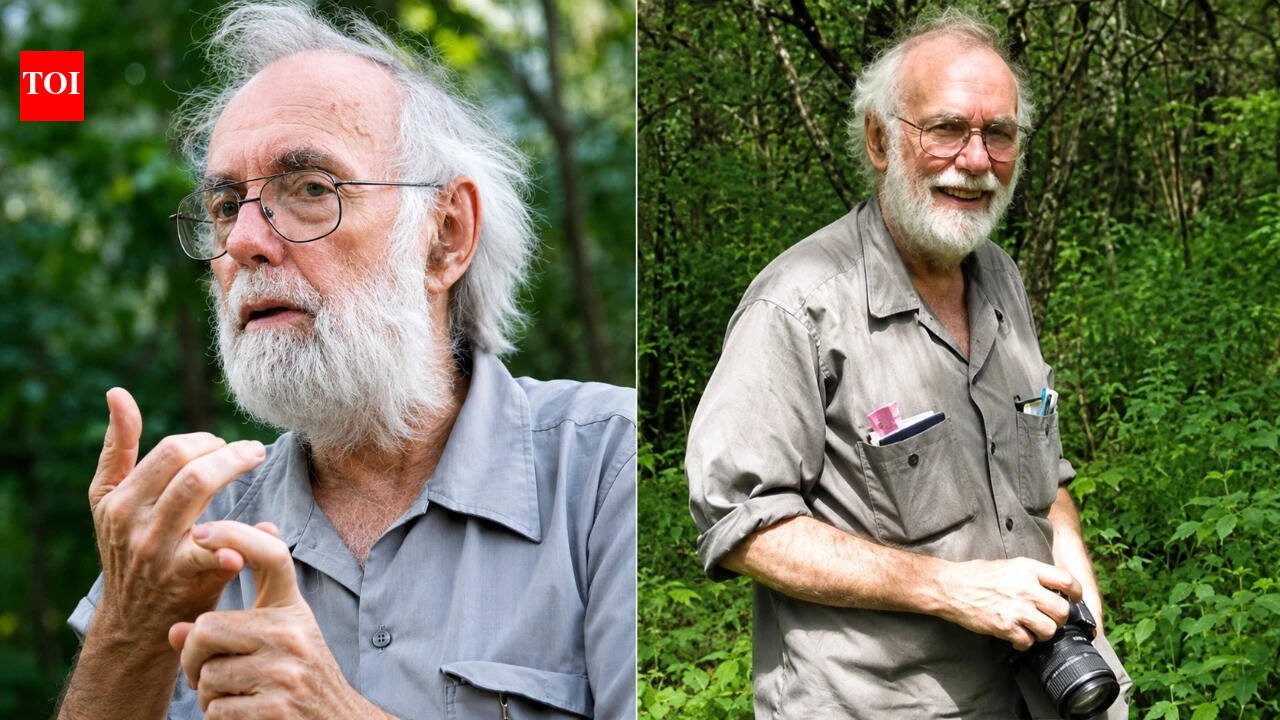
Image(s): Left/Wikipedia/Right/Impact Destinations/GDFCF Daniel H. Janzen is a biologist whose career has blurred the traditional boundaries between field ecology, evolutionary science and conservation. For decades, his work has centred on tropical ecosystems, particularly the forests of Costa Rica, where he studied the intricate relationships between plants, insects and other organisms. His research eventually developed into … Read more

In 1999, an American teacher donated $5,000 to a Chinese woman fighting desertification; with his support, she planted a 50,000-tree forest, and 27 years later, they reunited in tears

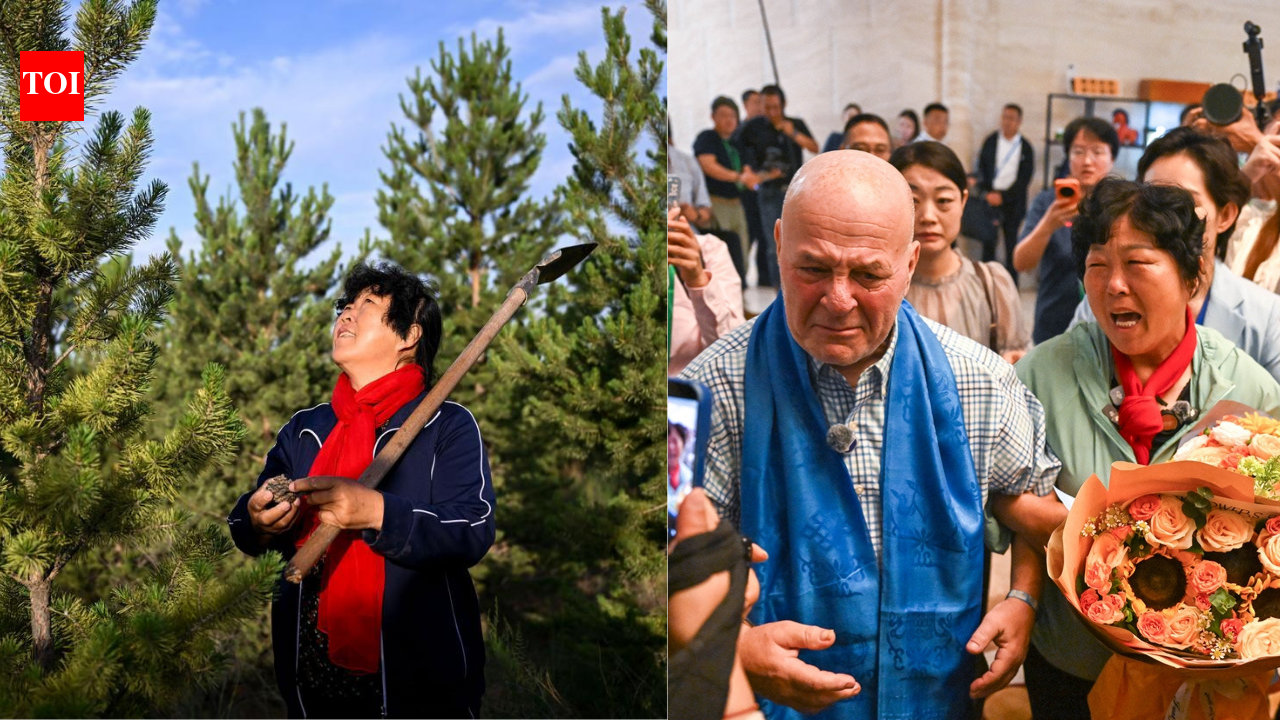
In 1999, an American teacher donated $5,000 to a Chinese woman fighting desertification; with his support, she planted a 50,000-tree forest, and 27 years later, they reunited in tears

In 1999, American teacher Ronald Sakolsky was teaching English in Luoyang, China, when a television report about Yin Yuzhen, a woman battling desertification in Inner Mongolia’s Mu Us Sandy Land, moved him deeply. He decided to help and spent about two months raising $5,000 through a US-based charity to support Yin’s tree-planting work. The money … Read more