
In 2020, Phoenix tested reflective roads to cool neighborhoods; pavement was up to 12°F cooler, but midday radiant heat for pedestrians rose
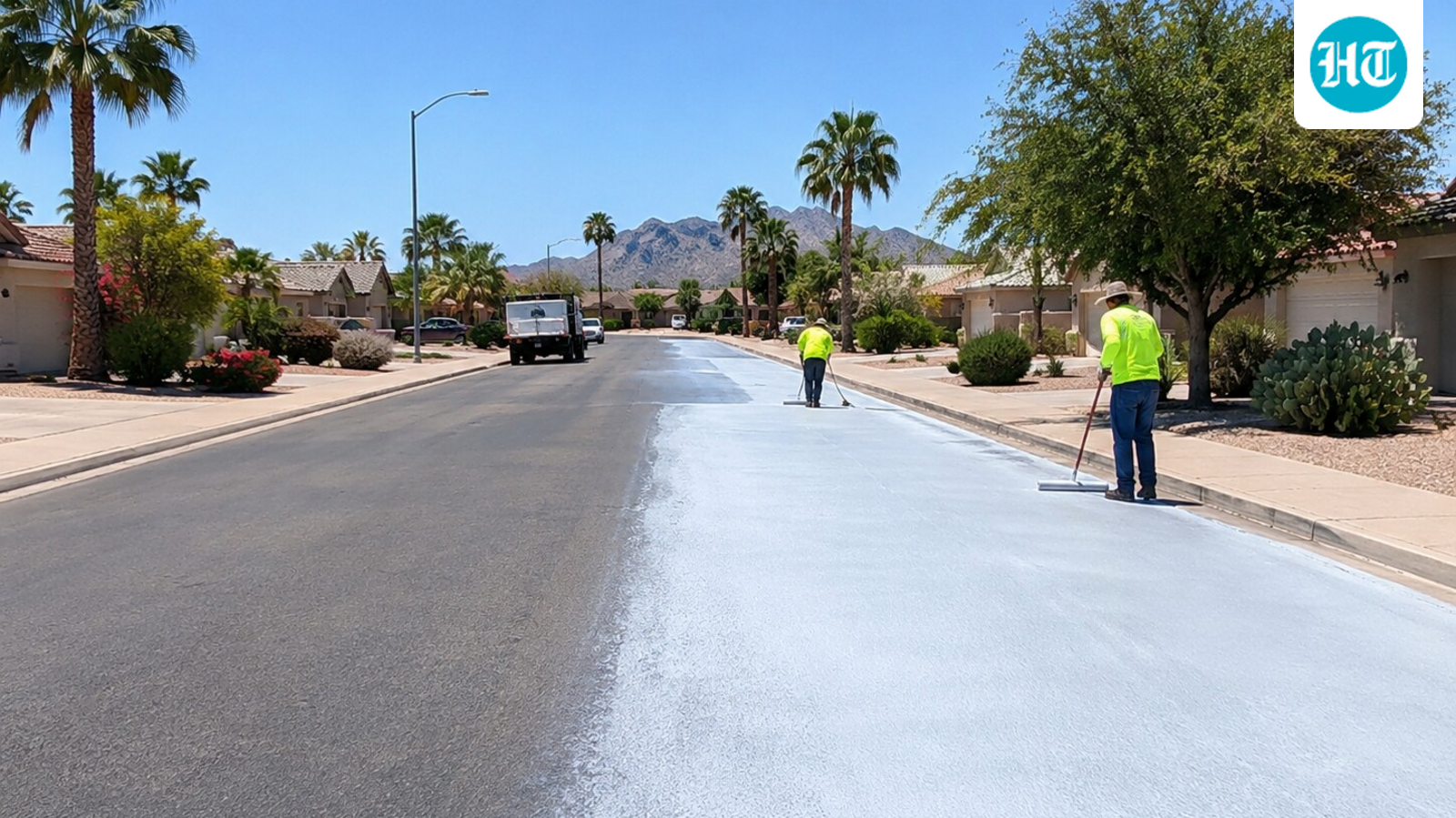
Representative image of a road with reflective pavement treatment, illustrating the city's 2020 effort to reduce pavement temperatures in heat-baked communities. (AI- generated/ ChatGPT)

Phoenix tried a deceptively simple way to fight extreme urban heat: make its streets reflect more sunlight. The city’s 2020 Cool Pavement Pilot Program coated sections of residential roads in eight neighborhoods with a lighter, more reflective seal. The goal was to reduce the amount of solar energy absorbed by asphalt and, in turn, lower … Read more
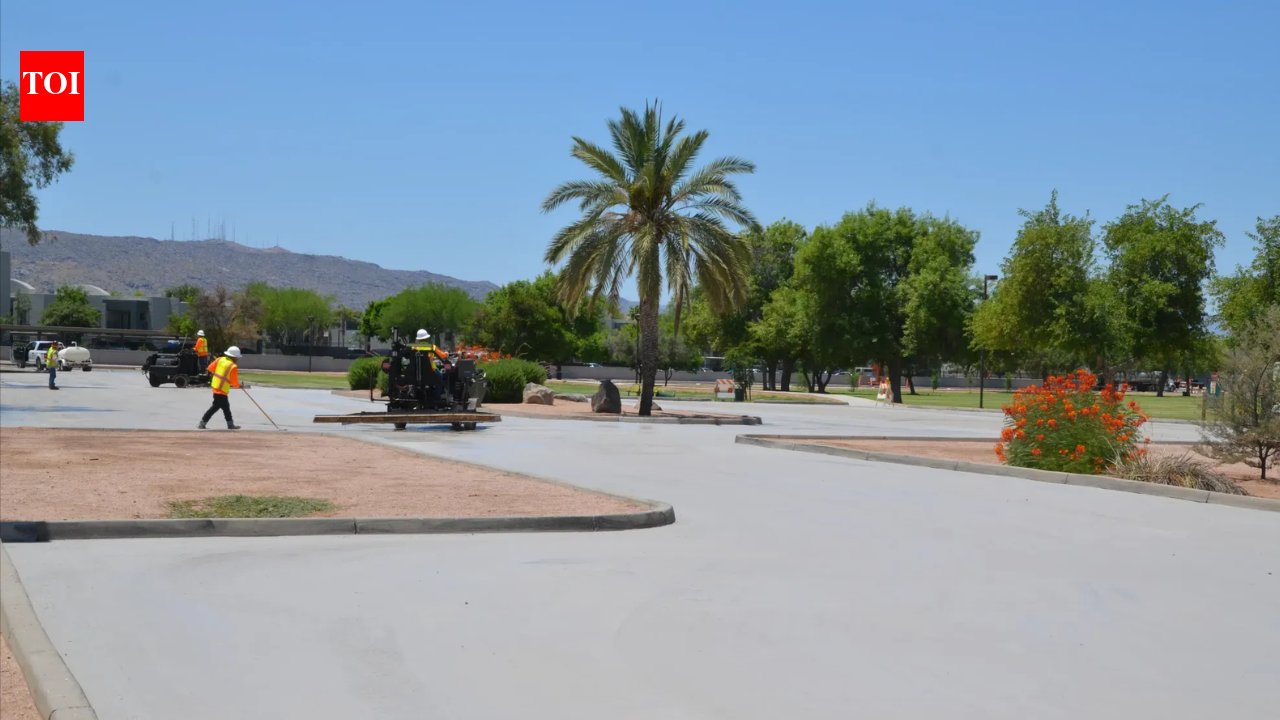
In 2020, Phoenix coated 36 miles of roads to fight extreme heat; surfaces became 12°F cooler at noon, but heat exposure for pedestrians rose 5.5°F

In 2020, Phoenix coated 36 miles of roads to fight extreme heat; surfaces became 12°F cooler at noon, but heat exposure for pedestrians rose 5.5°F

Phoenix coated 36 miles of roads to fight extreme heat Painting city streets with a light-coloured, reflective coating can cool the asphalt underneath, but it can also increase heat exposure for people walking on the road. That unexpected trade-off emerged from a major trial in the American Southwest. In 2020, the City of Phoenix Street … Read more

A Colorado farmer put 3,276 solar panels over his crops, and the shade created cooler conditions for heat-sensitive plants

A Colorado farmer put 3,276 solar panels over his crops, and the shade created cooler conditions for heat-sensitive plants

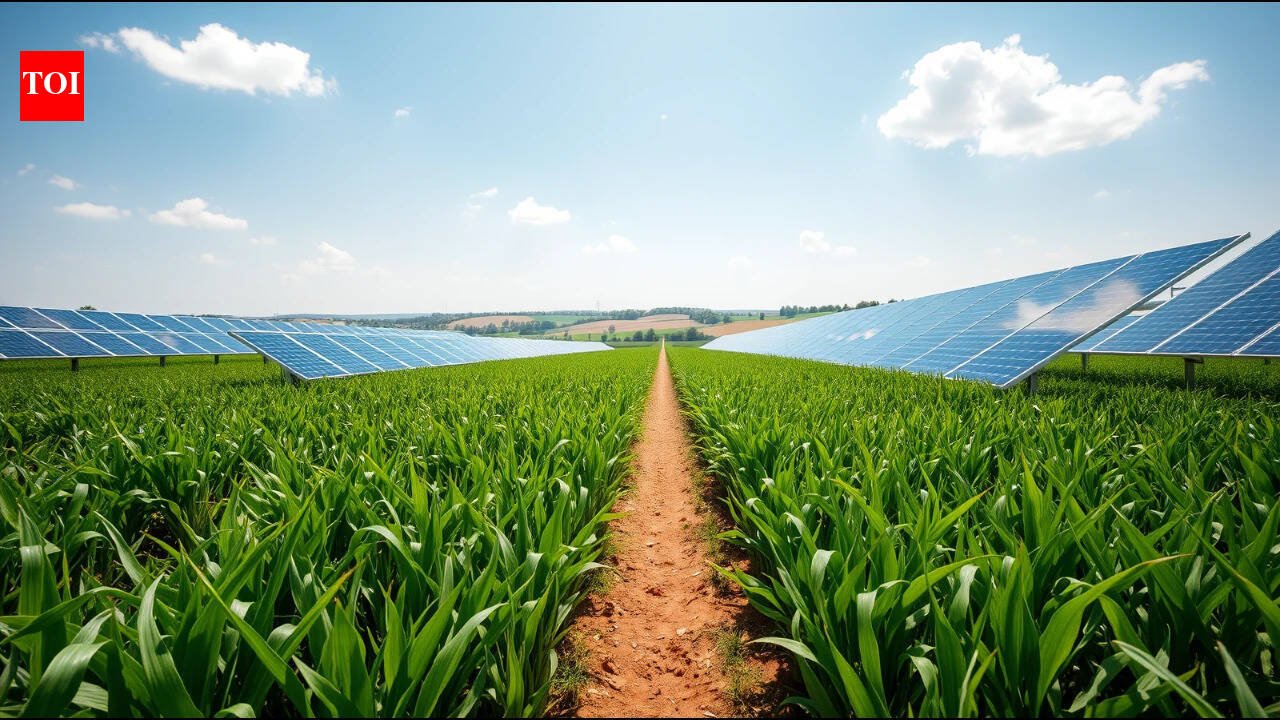
Representative Image of solar panels and thriving crops growing together on the same farmland (AI-generated image) A family farm in Longmont, Colorado has turned part of its land into a working example of how solar power and agriculture can share the same ground. Byron Kominek, owner of Jack’s Solar Garden, covered roughly five acres of … Read more