In 1916, a Texas woman left six acres of riverbank for the public; her governor son later added 250 acres and the tiny gift helped create Texas’ first state park
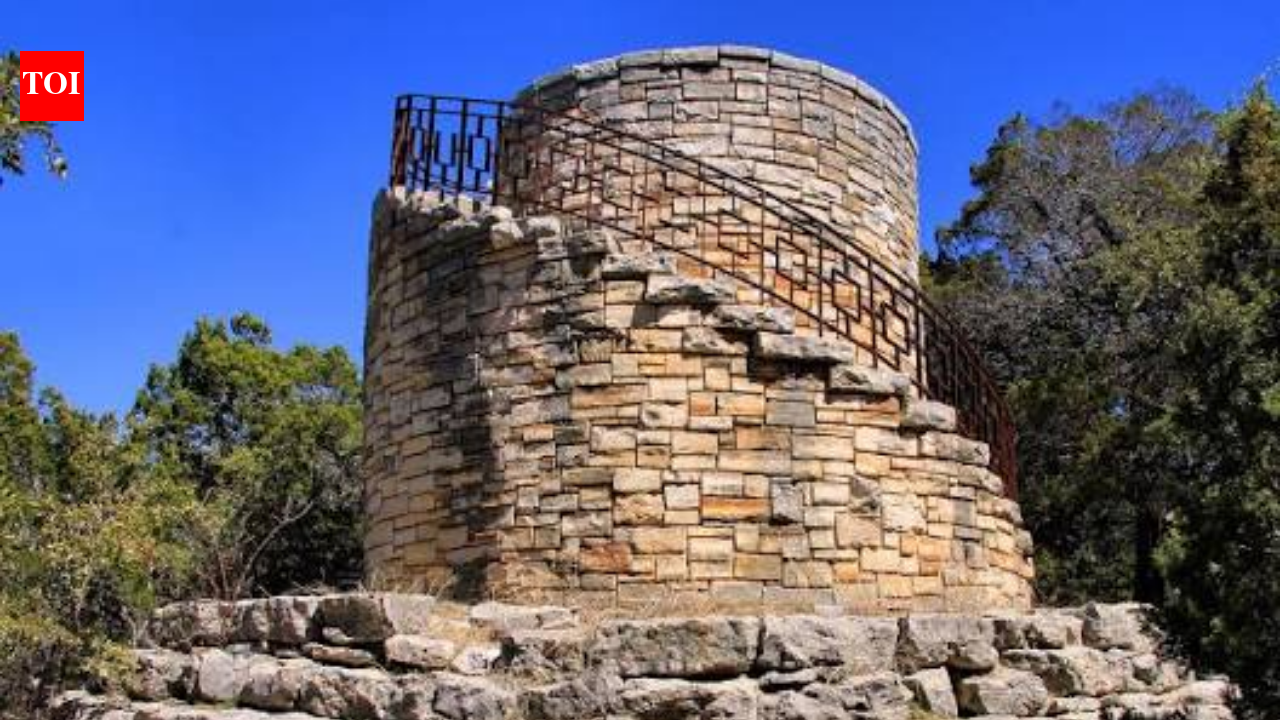
In 1916, a Texas woman left six acres of riverbank for the public; her governor son later added 250 acres and the tiny gift helped create Texas' first state park

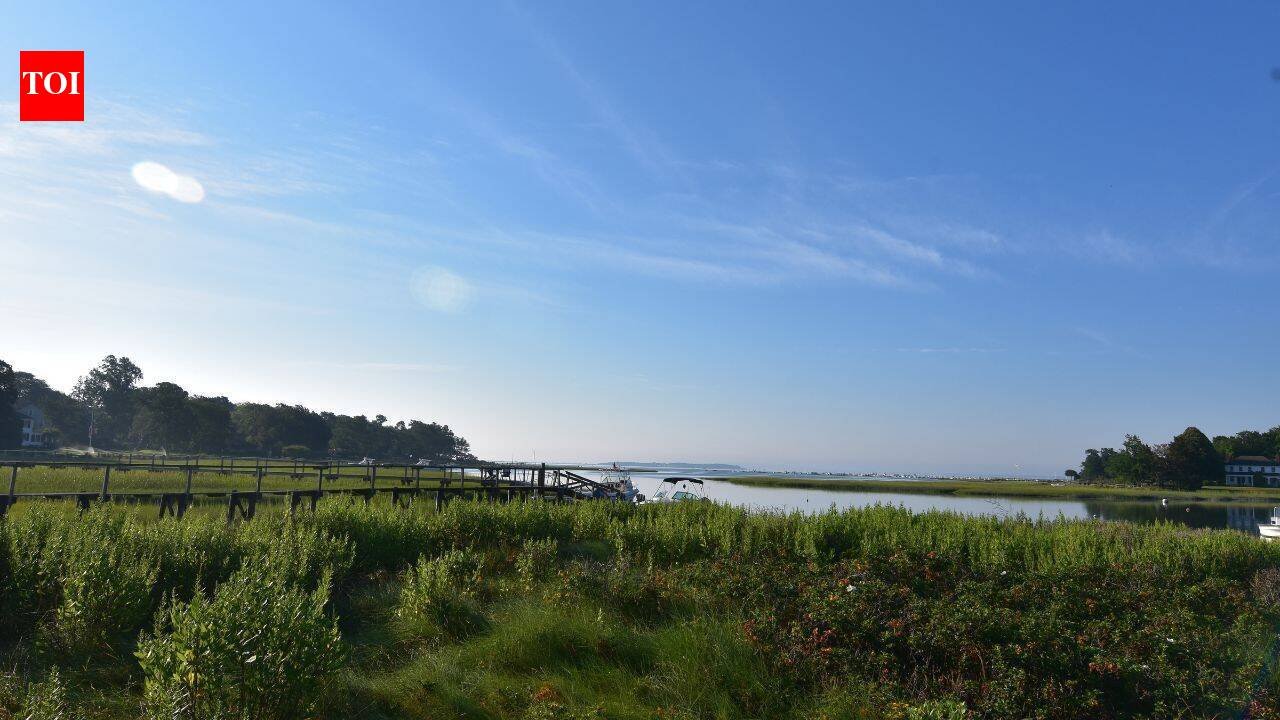
Mother Neff State Park (Image Credit: Wikipedia) In 1916, a small piece of land along Texas’ Leon River became the starting point for what would eventually become the state’s first state park. Isabella Neff, known locally as Mother Neff, had long welcomed neighbours and community groups to the riverbank for picnics, gatherings, fishing and other … Read more

In 1966, a 71-year-old woman donated nearly 100 acres of her Virginia farm and money for an amphitheatre; the land became America’s only national park dedicated to the performing arts

In 1966, a 71-year-old woman donated nearly 100 acres of her Virginia farm and money for an amphitheatre; the land became America's only national park dedicated to the performing arts

Wolf Trap remains the only national park in the United States devoted to the performing arts, advancing the concept Shouse first put forth more than six decades ago Before it became a stage beneath the stars, Wolf Trap was simply a Virginia farm. But in the 1960s, one woman had a very different dream for … Read more

In 1870, a former slave and Union soldier staked a homestead in Nebraska; drought and grasshoppers cost him the claim, but he eventually owned more than 2,000 acres

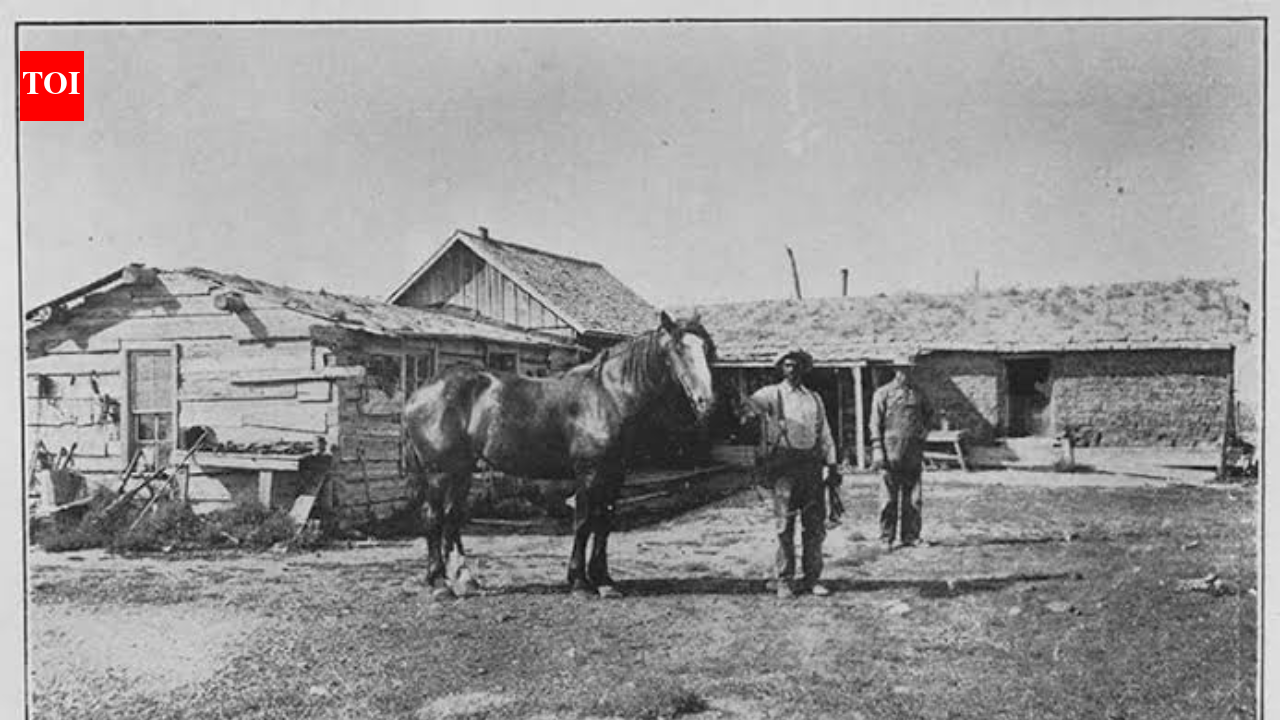
In 1870, a former slave and Union soldier staked a homestead in Nebraska; drought and grasshoppers cost him the claim, but he eventually owned more than 2,000 acres

Homestead soddy in Box Butte County. Source: History Nebraska – Nebraska.gov In 1870, Robert Ball Anderson, a former slave and Union Army veteran, filed a claim for a 160-acre homestead in Butler County, Nebraska. Severe drought and grasshopper swarms destroyed his crops, forcing him to give up the property.Instead of abandoning his goals, Anderson spent … Read more

In 2012, conservationists began working to remove an obsolete Massachusetts dam; 14 years later, demolition started to reconnect 7 miles of stream and restore 6 acres of wetland

In 2012, conservationists began working to remove an obsolete Massachusetts dam; 14 years later, demolition started to reconnect 7 miles of stream and restore 6 acres of wetland

Duxbury, MassachusettsRepresentative image For more than a century, a small concrete dam stood in the way of a river’s natural flow. Built to serve industries that no longer exist, the Temple Street Dam in Duxbury, Massachusetts, had long outlived its purpose. It blocked fish from reaching their spawning grounds, trapped sediment, created a maintenance burden … Read more

Michigan’s historic Ford House is replacing concrete shoreline with natural habitat; the $7 million project will restore 1 mile of shore and 17.5 acres of aquatic and wetland habitat

Michigan's historic Ford House is replacing concrete shoreline with natural habitat; the $7 million project will restore 1 mile of shore and 17.5 acres of aquatic and wetland habitat

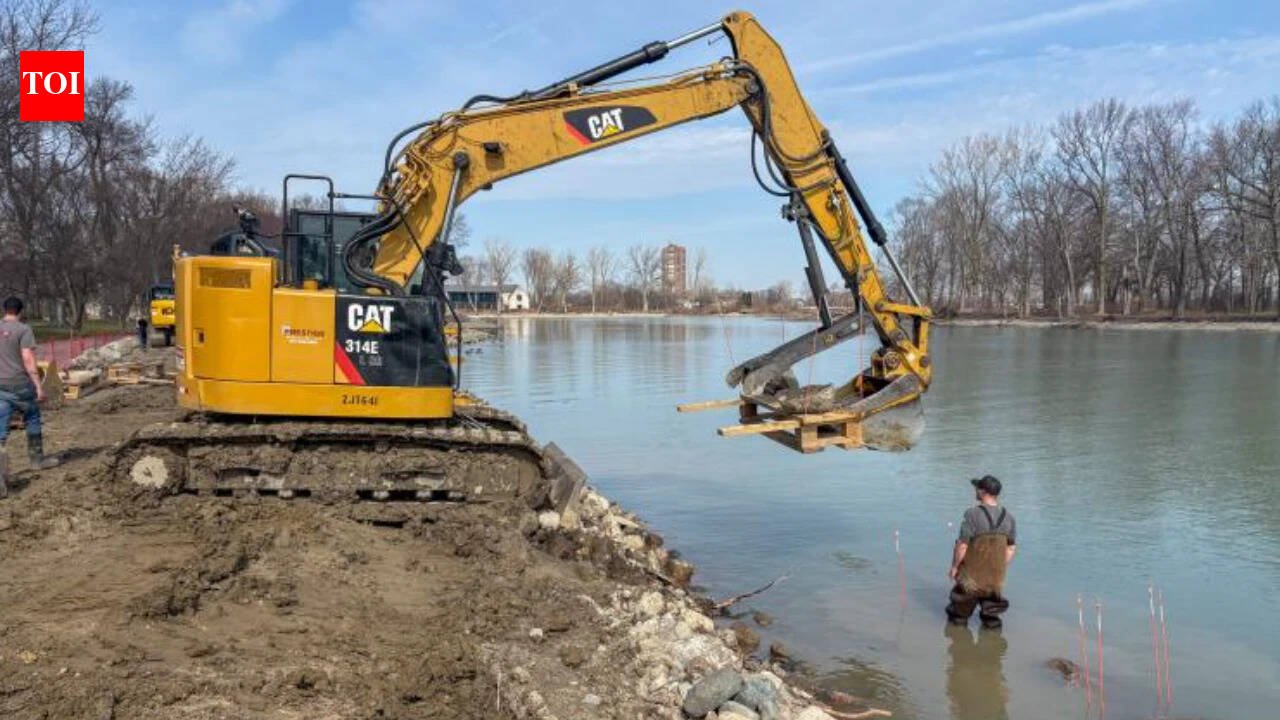
Excavator installing a fish lunker on Ford Cove. Credit: Ford House A major environmental restoration project is removing decades of artificial concrete shoreline defences along Michigan’s Lake St. Clair and replacing them with natural wetlands, living shorelines and fish habitat.The $7 million project at the historic Edsel and Eleanor Ford Estate is transforming more than … Read more

In June 2026, Washington began restoring 270 acres across two river islands; the project will reconnect the South Fork Skagit estuary to natural tides and hundreds more acres for endangered Chinook salmon

In June 2026, Washington began restoring 270 acres across two river islands; the project will reconnect the South Fork Skagit estuary to natural tides and hundreds more acres for endangered Chinook salmon

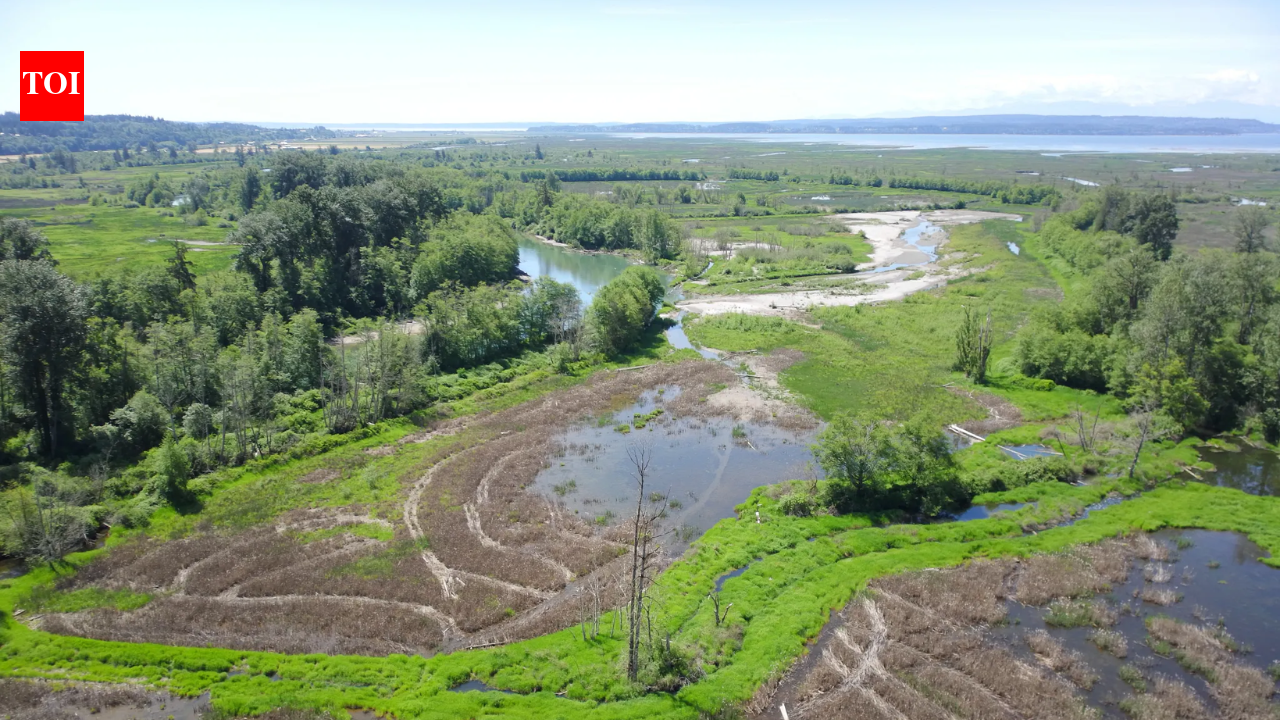
Construction begins on project to restore estuary habitat in South Fork Skagit River (Photo by: WDFW) Heavy earth-moving equipment began work in June 2026 on a major coastal restoration project in Skagit County, Washington. The project will remove old sea defences and breach river levees across two islands in the South Fork Skagit River delta.The … Read more

In 2020, Minnesota funded a $1.918 million Shell Rock River habitat program; by 2025, it had protected or restored 588 acres

In 2020, Minnesota funded a $1.918 million Shell Rock River habitat program; by 2025, it had protected or restored 588 acres

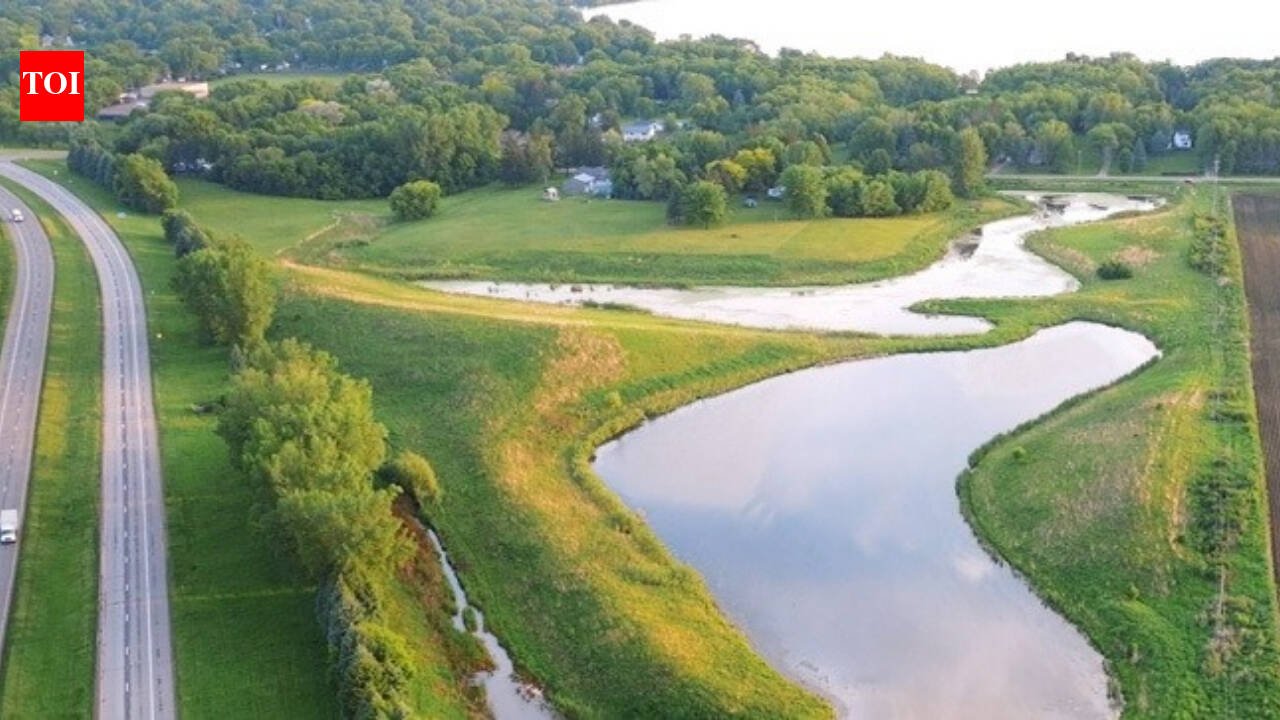
Shell Rock River Watershed District (Image Credit: www.shellrock.org) In 2020, Minnesota approved $1.918 million for the Shell Rock River Watershed Habitat Restoration Program – Phase IX. According to a 2025 final report from the Lessard-Sams Outdoor Heritage Council, the program ultimately protected, restored or enhanced 588 acres of habitat in the Shell Rock River watershed, … Read more

In the 1960s, Florida drained land for a giant subdivision; in 2026, restoration finished after removing 260 miles of roads and plugging 48 miles of canals across 55,000 acres

In the 1960s, Florida drained land for a giant subdivision; in 2026, restoration finished after removing 260 miles of roads and plugging 48 miles of canals across 55,000 acres

Restoration work at Picayune Strand is helping restore wetlands across 55,000 acres in Southwest Florida. A major restoration project in Southwest Florida has been completed after years of work to bring the natural flow of water back to 55,000 acres of wetlands.According to officials, the Picayune Strand Restoration Project covers area between Alligator Alley and … Read more

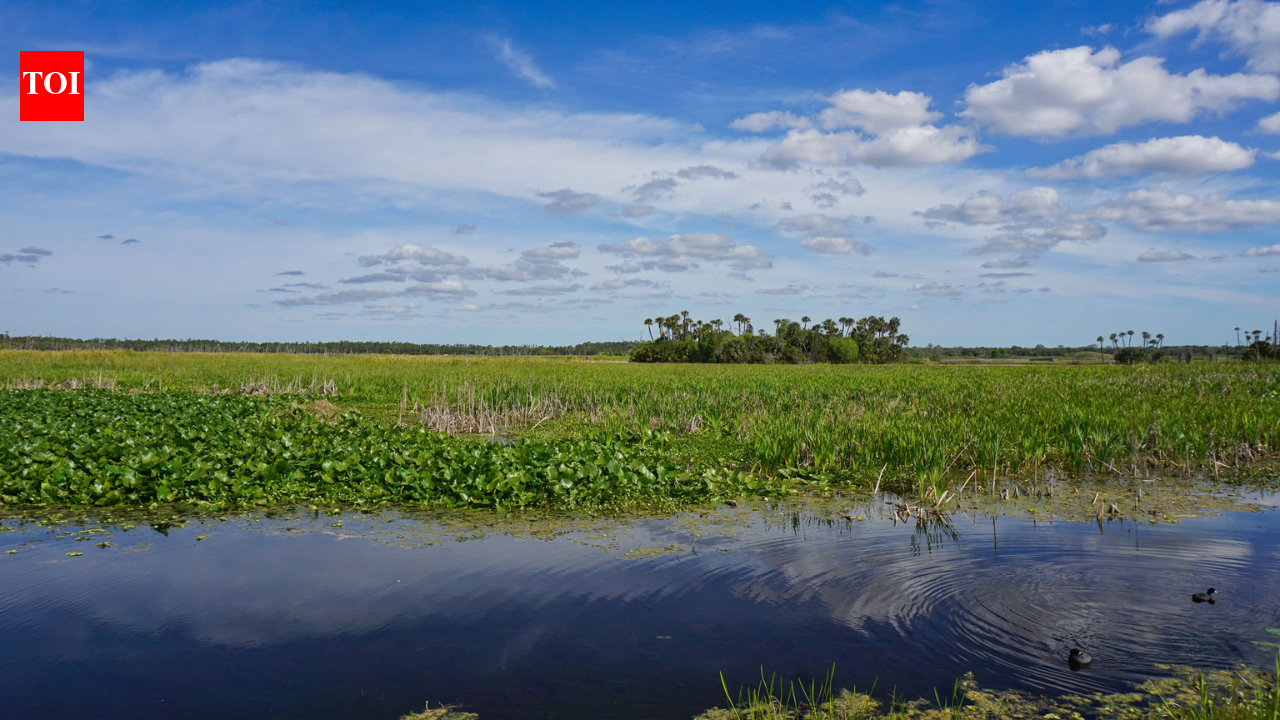
In 1987, Orlando put 1,200 acres of constructed wetlands to work cleaning reclaimed water; the system now polishes about 5.11 billion gallons a year

In 1987, Orlando put 1,200 acres of constructed wetlands to work cleaning reclaimed water; the system now polishes about 5.11 billion gallons a year

In 1987, Orlando put 1,200 acres of constructed wetlands to work cleaning reclaimed water. Today, the system treats about 5.11 billion gallons of water each year.However, keeping this large natural filtration system working efficiently requires regular land management. As aquatic plants grow, absorb extra nitrogen and phosphorus, and eventually die and decay, a thick layer … Read more