Built in 1876, the Perry House in Los Angeles was moved from its original neighbourhood in 1975 to save it; 150 years later, normally closed rooms open to visitors for one night
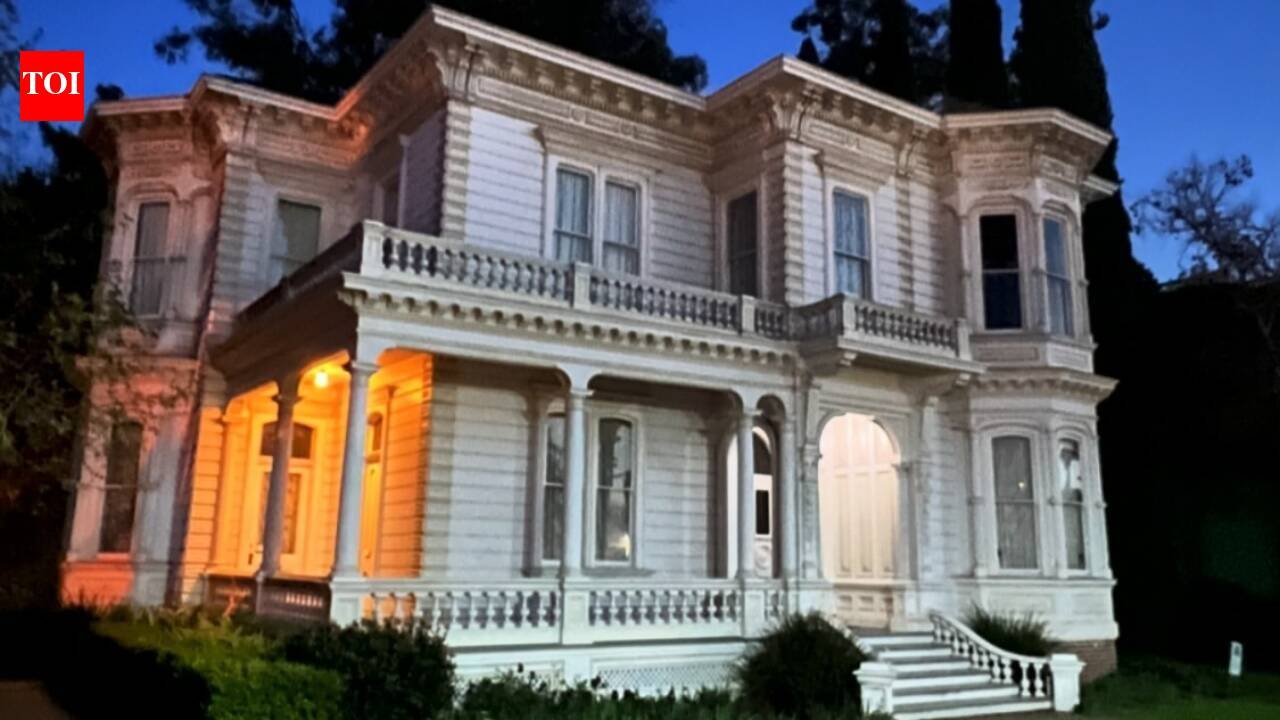
Built in  1876, the Perry House in Los Angeles was moved from its original neighbourhood in 1975 to save it; 150 years later, normally closed rooms open to visitors for one night

The Perry House, also known as the William Hayes Perry House or Mount Pleasant House, was built in 1876. After years of decline and vandalism, the house was threatened with demolition. In 1975, it was moved to Heritage Square at 3800 Homer Street, Montecito Heights. On Saturday, September 12, as the Perry Mansion observed its … Read more
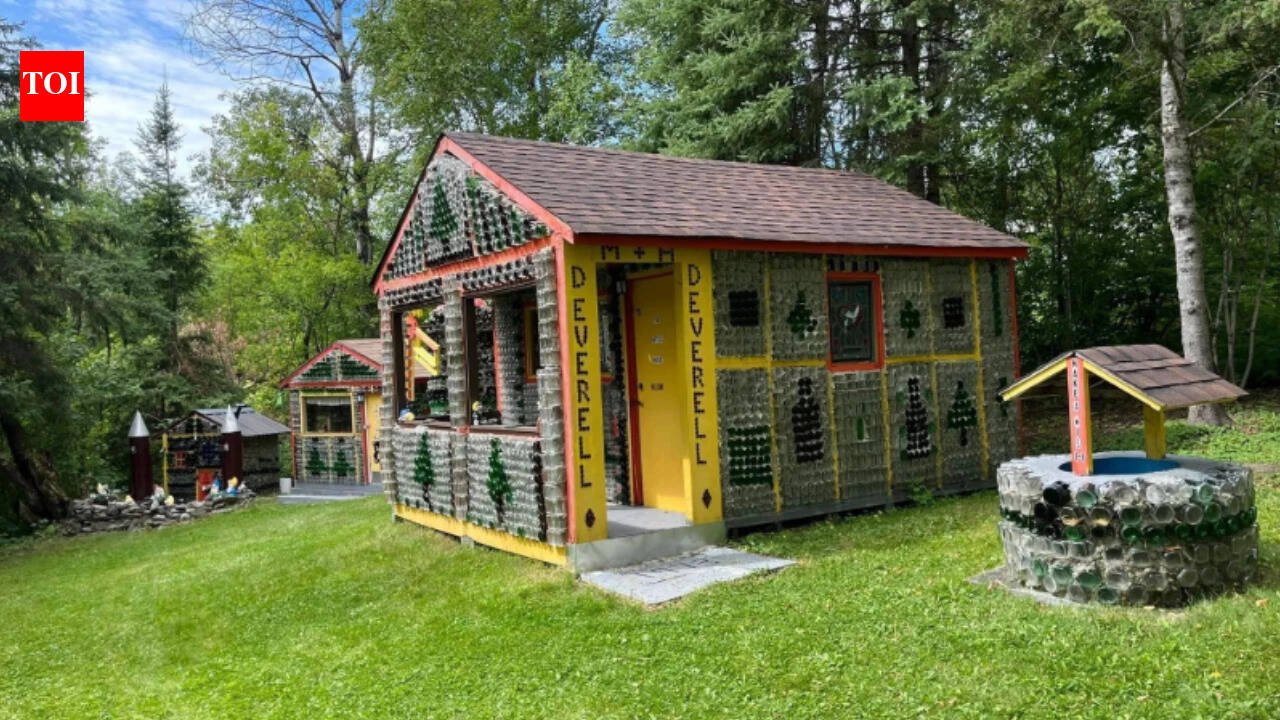

In 1973, Ontario teacher Hank Deverell built his wife a bottle house for her doll collection; about 25,000 glass bottles and 1,750 hours later, it became a roadside attraction

In 1973, Ontario teacher Hank Deverell built his wife a bottle house for her doll collection; about 25,000 glass bottles and 1,750 hours later, it became a roadside attraction

About 25,000 bottles and 1,000 pounds of mortar were used to build the attraction. In 1973, Ontario teacher Hank Deverell and his wife Myrtle built a house from glass bottles in Redditt, a small community in northwestern Ontario, Canada. Myrtle wanted a house to display her growing doll collection, and Hank turned the idea into … Read more

Meet Nithya Tammana: The 11-year-old New Jersey inventor who built a sub-$38 moss filter that can remove up to 95% of lead from drinking water

Meet Nithya Tammana: The 11-year-old New Jersey inventor who built a sub-$38 moss filter that can remove up to 95% of lead from drinking water

Photo credit: actionfornature.org When Nithya Tammana learned that lead could enter drinking water through old pipes and plumbing fixtures, she did not treat the problem as someone else’s responsibility. The New Jersey student began researching affordable ways to make contaminated water safer, eventually focusing on a humble material often found growing on rocks, trees and … Read more

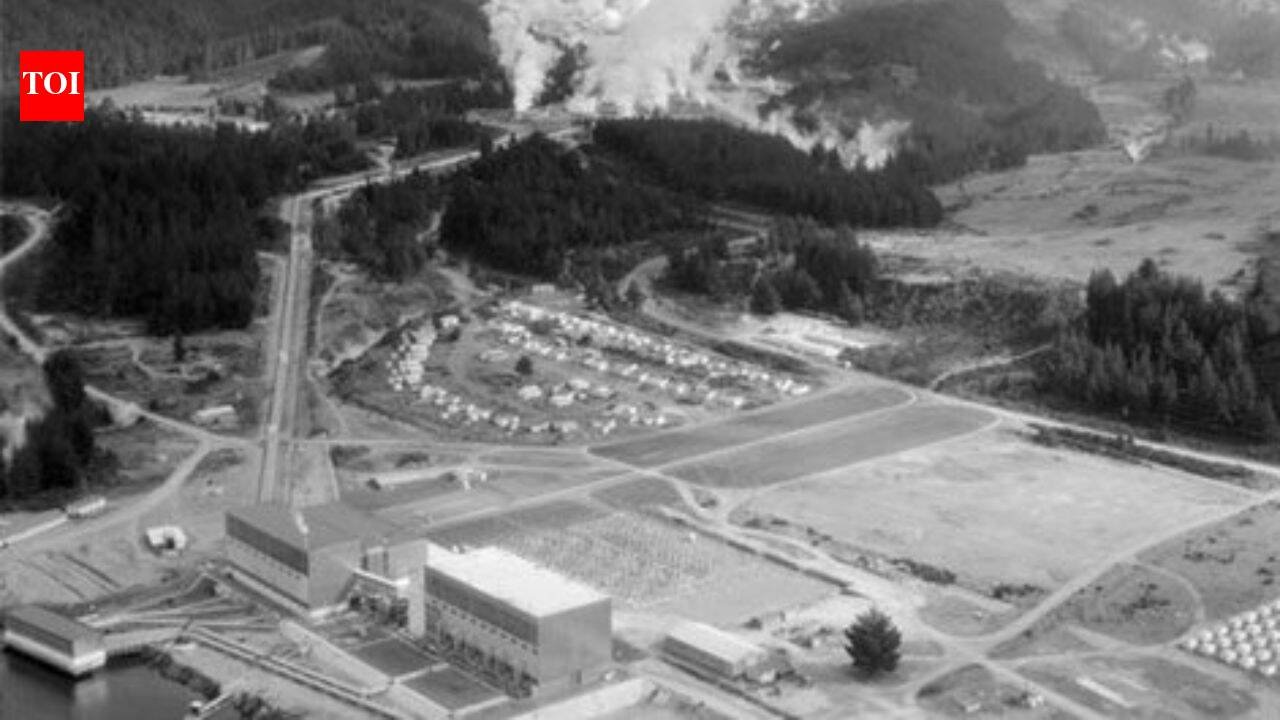
In 1958, New Zealand built a power station over a volcanic field; it became the world’s first to generate electricity from geothermal flash steam

In 1958, New Zealand built a power station over a volcanic field; it became the world's first to generate electricity from geothermal flash steam

Wairākei geothermal field in July 1978. Image Credit: Engineering New Zealand Wairākei Power Station in New Zealand changed the way geothermal heat could be turned into electricity when it was commissioned in 1958. Built beside the Waikato River, north of Taupō, the station drew on hot underground water beneath an active volcanic zone. Instead of … Read more

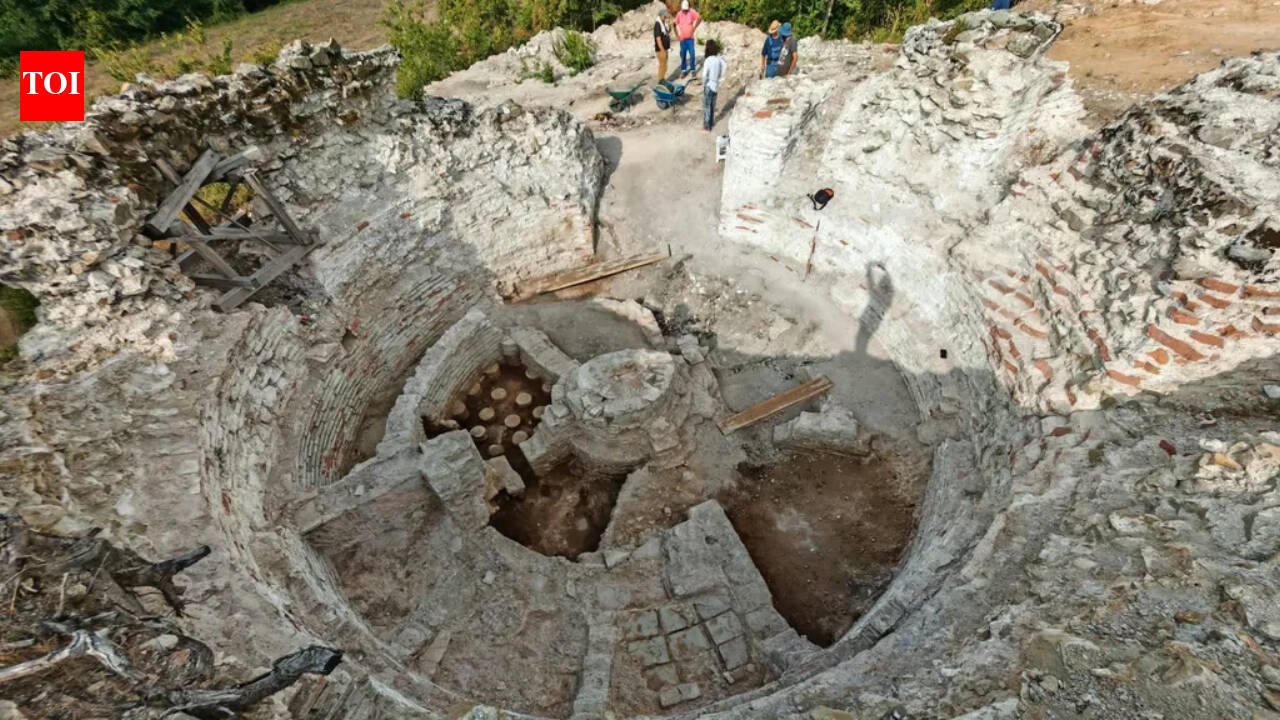
Around AD 310, a Roman emperor had a private bath built with three pools, heated floors and a sauna; archaeologists have now uncovered its unusual design

Around AD 310, a Roman emperor had a private bath built with three pools, heated floors and a sauna; archaeologists have now uncovered its unusual design

The bath was incorporated directly into the emperor’s palace, with its heating system, bathing areas and sophisticated architecture working together within a relatively compact space. Nearly 1,700 years ago, an emperor could retreat from the demands of the Roman court without leaving his palace. Beneath a monumental tower in what is now eastern Serbia, he … Read more

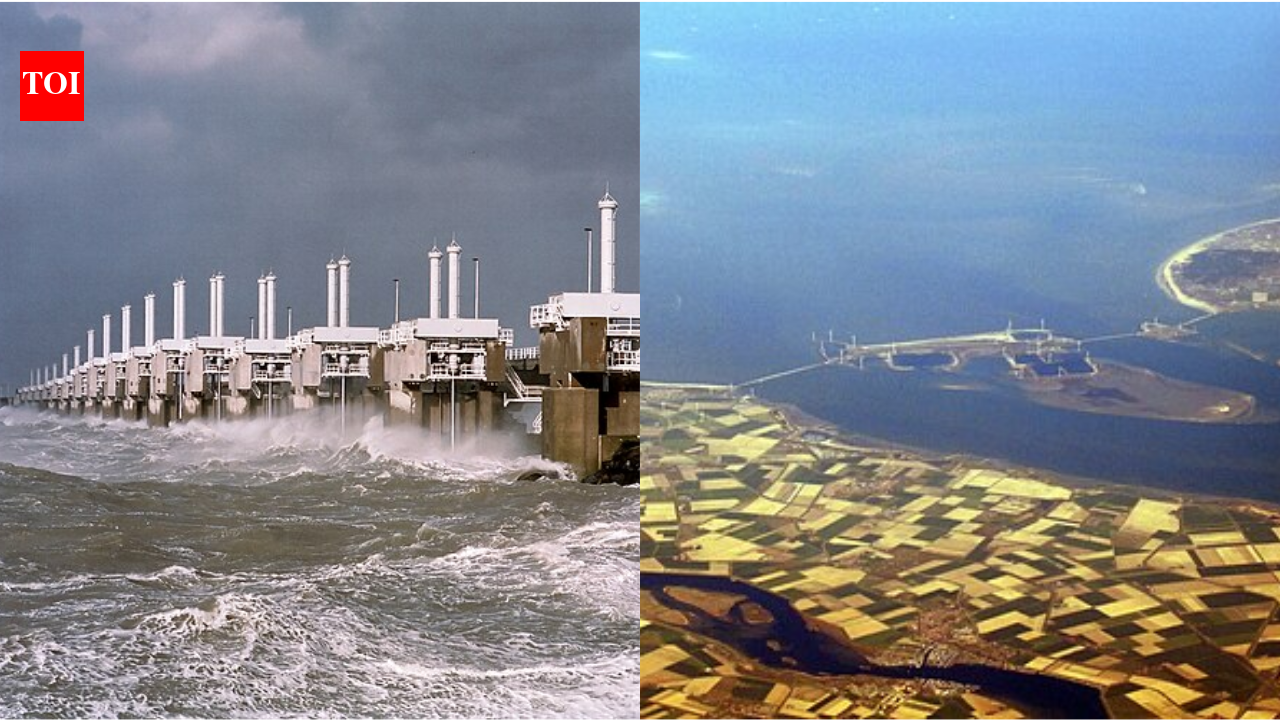
Netherlands built a 9-km storm barrier to protect against floods; decades later, “sand hunger” began shrinking tidal flats

Netherlands built a 9-km storm barrier to protect against floods; decades later, “sand hunger” began shrinking tidal flats

The Netherlands built one of the world’s most ambitious flood defences after the devastating North Sea flood of 1953. Completed in 1986, the 9-kilometre Eastern Scheldt Barrier was designed to protect hundreds of thousands of people while keeping the estuary open to tides and saltwater. But the engineering solution created an unexpected environmental consequence. By … Read more

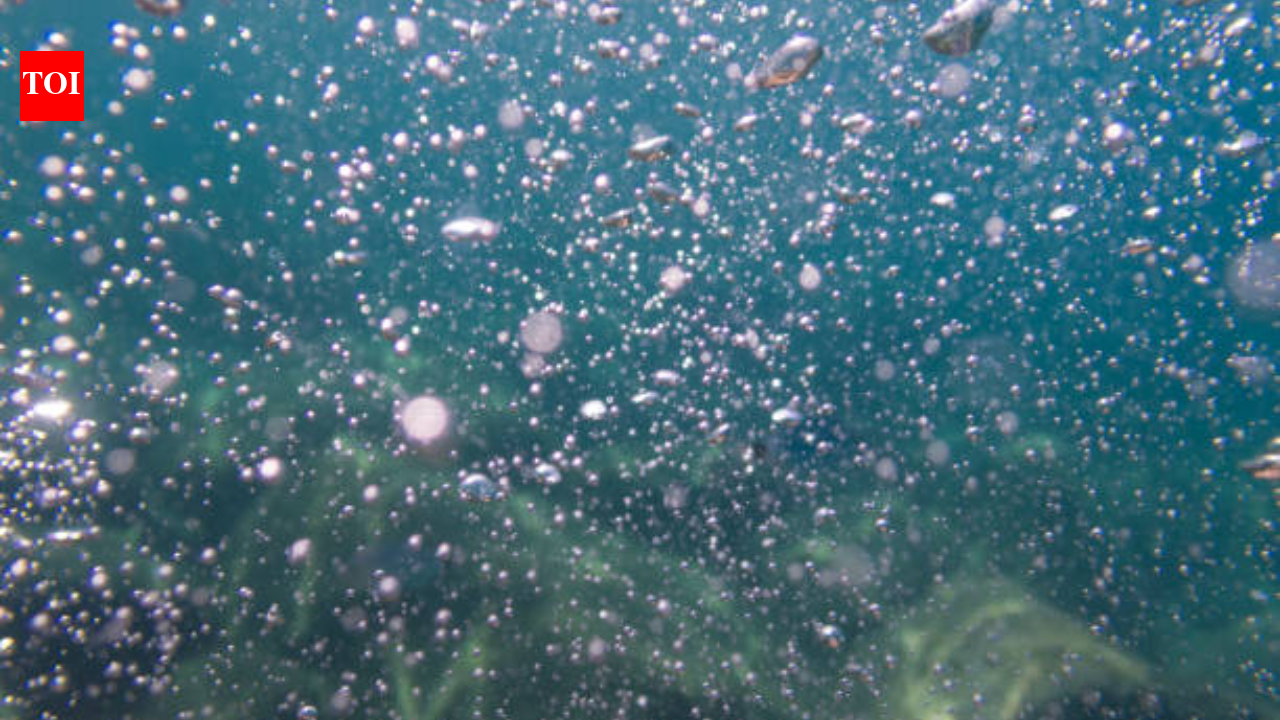
A methane leak in the South China Sea formed a plume over 1km high; but bacteria and worms built a ‘worm bed’ within two years shocking scientists and theories

A methane leak in the South China Sea formed a plume over 1km high; but bacteria and worms built a 'worm bed' within two years shocking scientists and theories

There is a vast amount of methane trapped beneath the seafloor, across the planet. If it were to be released, the results could be potentially catastrophic for all forms of life. This is why finding out how ecosystems respond to methane leaks is important to ocean scientists. Generally, these investigations take place on purpose in … Read more

Meet Daniel Zhang, the 17-year-old San Diego student who lost his grandmother to cancer at nine, then built a 72-card cancer game reaching 1,500 children

Meet Daniel Zhang, the 17-year-old San Diego student who lost his grandmother to cancer at nine, then built a 72-card cancer game reaching 1,500 children

When Daniel Zhang was nine, cancer was something he could not understand. His grandmother had been diagnosed with pancreatic cancer, and the months that followed were filled with hospital visits, treatments and questions that were difficult for a child to process. Years later, that experience would inspire the San Diego teenager to create something designed … Read more

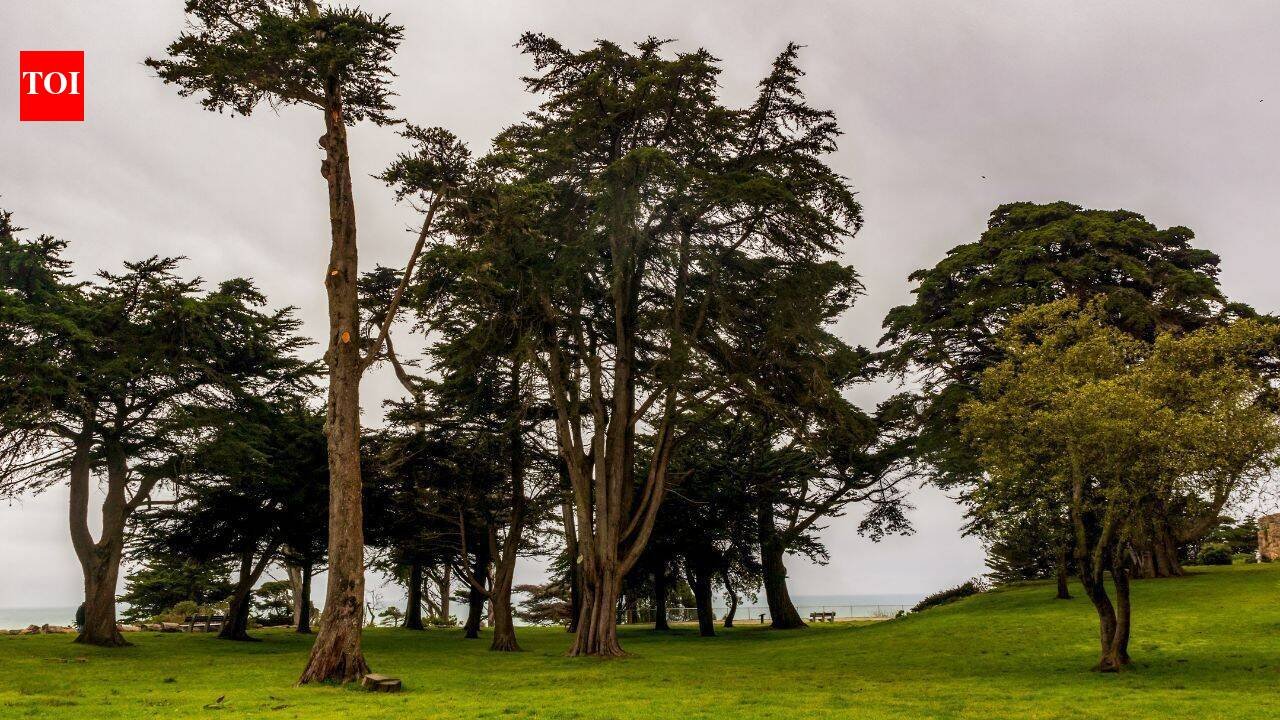
In the 1880s, Adolph Sutro built a 22-acre San Francisco estate filled with hundreds of statues and opened its gardens to the public; the mansion was later demolished and the land became a park

In the 1880s, Adolph Sutro built a 22-acre San Francisco estate filled with hundreds of statues and opened its gardens to the public; the mansion was later demolished and the land became a park

Sutro Heights Park in San Francisco, CaliforniaPhoto credit: Canva On a windswept bluff overlooking the Pacific in western San Francisco, a once grand estate rose from the dunes in the 1880s, its gardens dotted with hundreds of classical statues and its mansion visible for miles around. The property belonged to Adolph Sutro, a former mayor … Read more

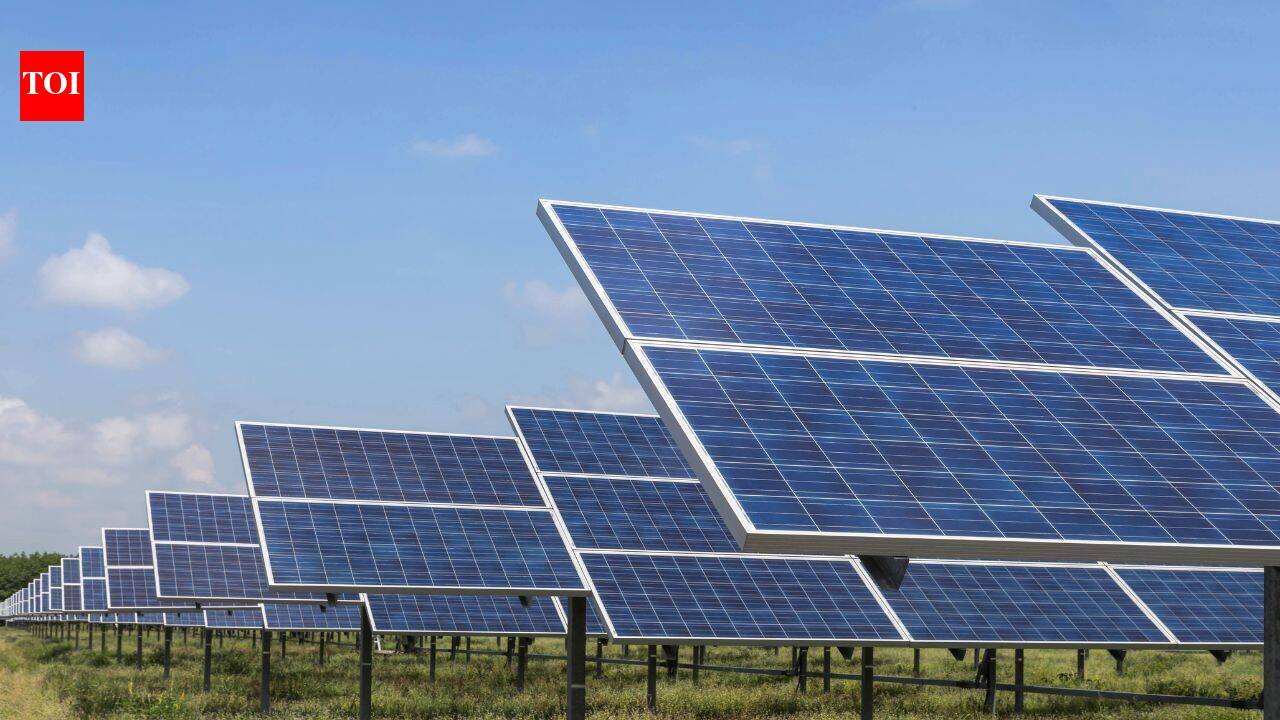
In 1981, Australia built its first solar power station at remote White Cliffs; 14 dishes powered a hospital, school, post office and 12 homes, and 45 years later the site is heritage listed

In 1981, Australia built its first solar power station at remote White Cliffs; 14 dishes powered a hospital, school, post office and 12 homes, and 45 years later the site is heritage listed

On the edge of the outback in far western New South Wales, a cluster of silver dishes once turned toward the sun, capturing light in a place where the grid had never reached. In 1981, Australia’s first solar power station began operating at remote White Cliffs, using 14 parabolic dishes to generate electricity for a … Read more