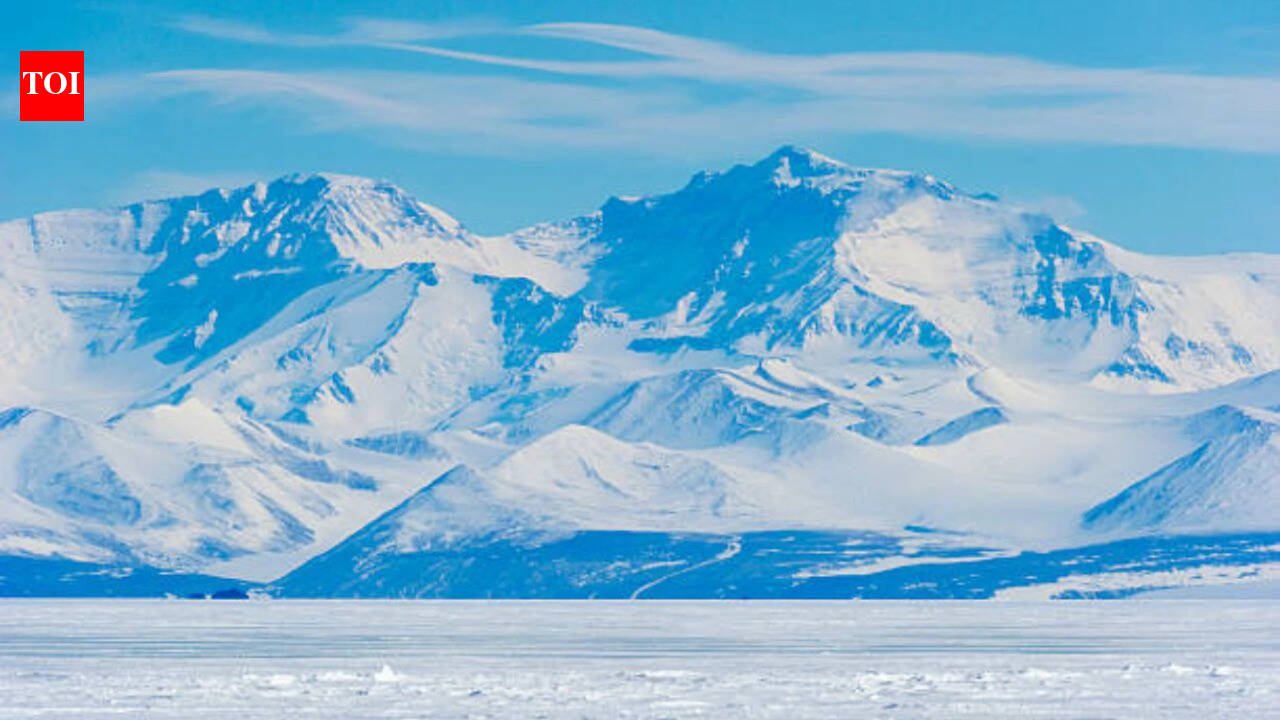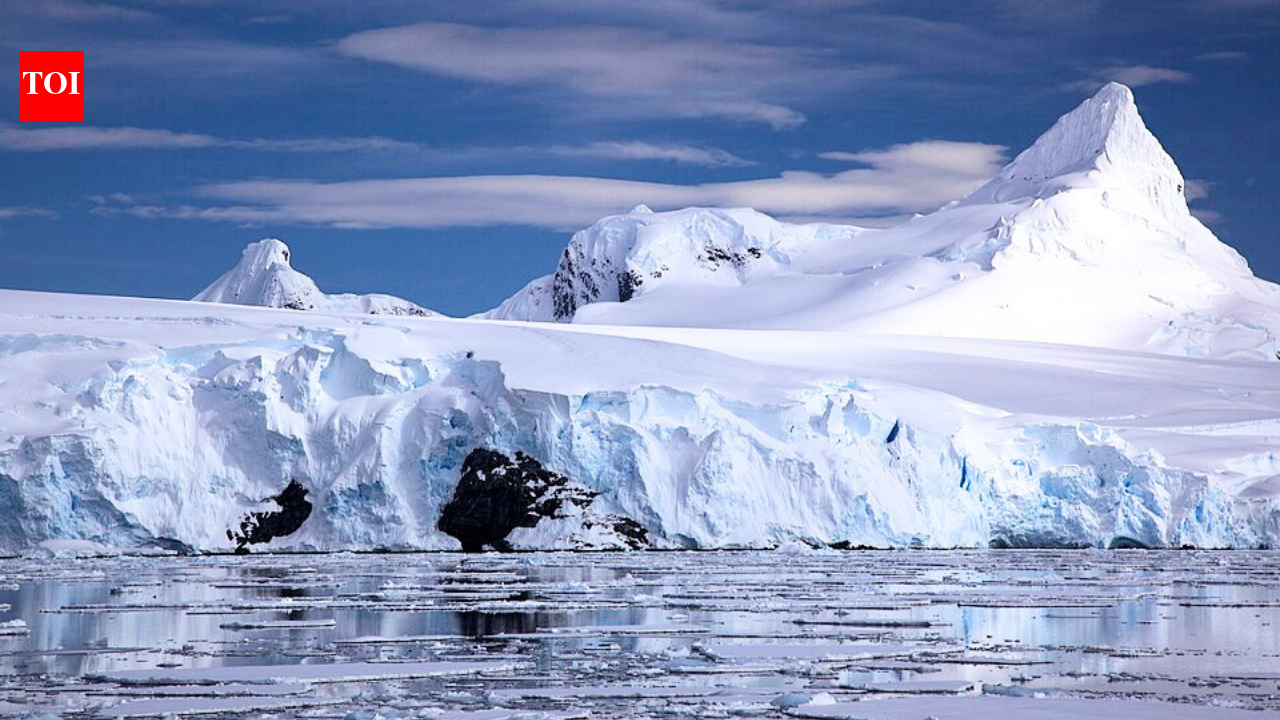
Greenland and Antarctica have lost 11,309 billion tonnes of ice between 1979 and 2023, raising sea levels by 31.4 mm; glaciers drive 84% of loss, surface melting 16%
Greenland and Antarctica have lost 11,309 billion tonnes of ice between 1979 and 2023, raising sea levels by 31.4 mm; glaciers drive 84% of loss, surface melting 16%

Greenland and Antarctica have lost 11,309 billion tonnes of ice since 1979. (Photo: SWNS) Greenland and Antarctica have lost a combined 11.3 billion tonnes of ice since the late 1970s, contributing more than 3 centimetres to global sea level rise, according to a new international assessment by polar scientists.As per SWNS, the comprehensive study, led … Read more

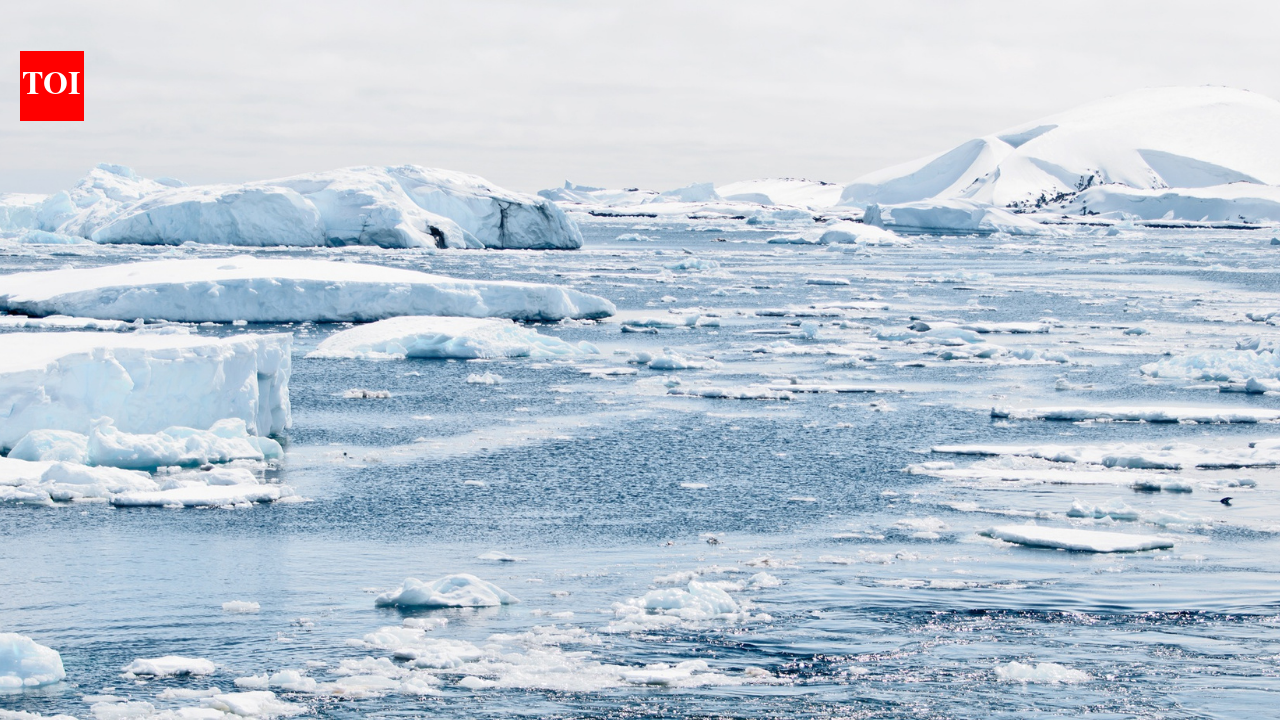
After losing about 140.5 billion tons of ice a year for two decades, Antarctica temporarily reversed course, gaining a record 695 billion tons in 2021-23 as tropical warmth drove heavy snowfall

After losing about 140.5 billion tons of ice a year for two decades, Antarctica temporarily reversed course, gaining a record 695 billion tons in 2021-23 as tropical warmth drove heavy snowfall

Representative Image (AI-generated) Antarctica has been losing mass for years as glaciers shed ice into the ocean, contributing to rising sea levels. But between 2021 and 2023, the continent experienced an unusual and temporary reversal. Instead of continuing to lose mass at its recent rate, Antarctica gained about 695 billion tonnes over 22 months, marking … Read more

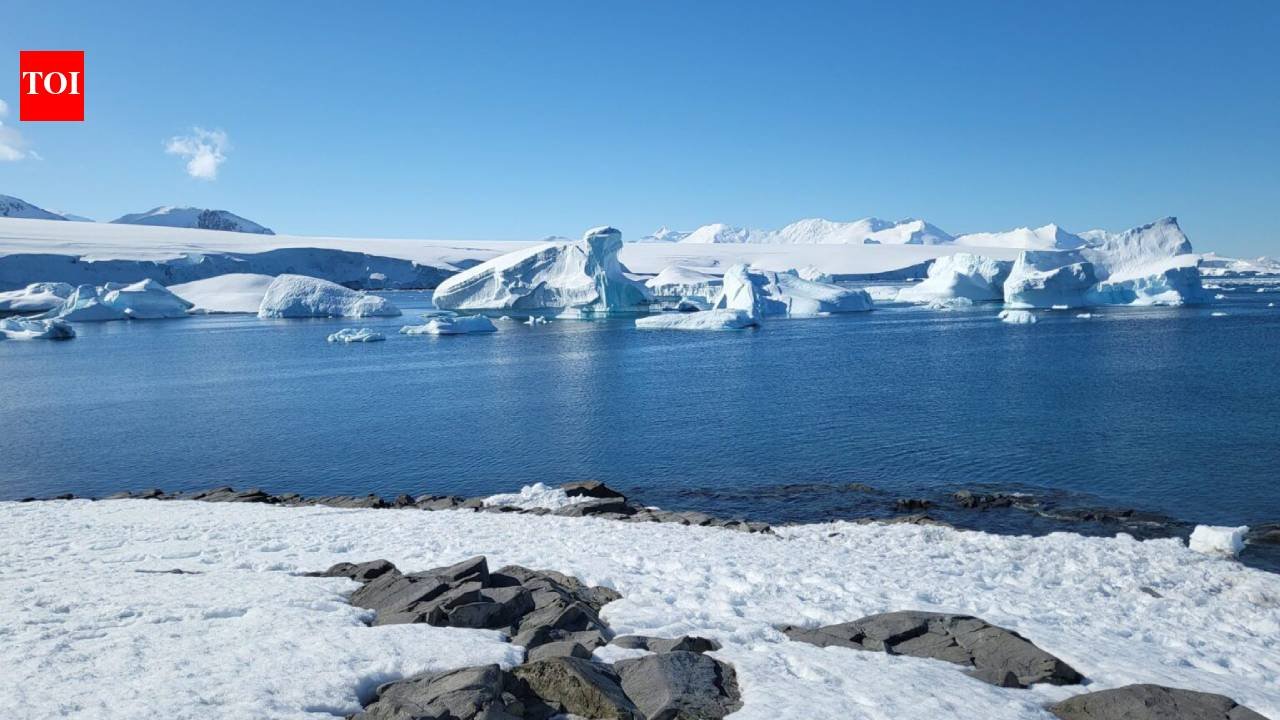
In 2007, scientists used NASA satellite measurements to reveal 14 areas of moving water beneath West Antarctica; one hidden lake had drained about 2 cubic kilometres in three years

In 2007, scientists used NASA satellite measurements to reveal 14 areas of moving water beneath West Antarctica; one hidden lake had drained about 2 cubic kilometres in three years

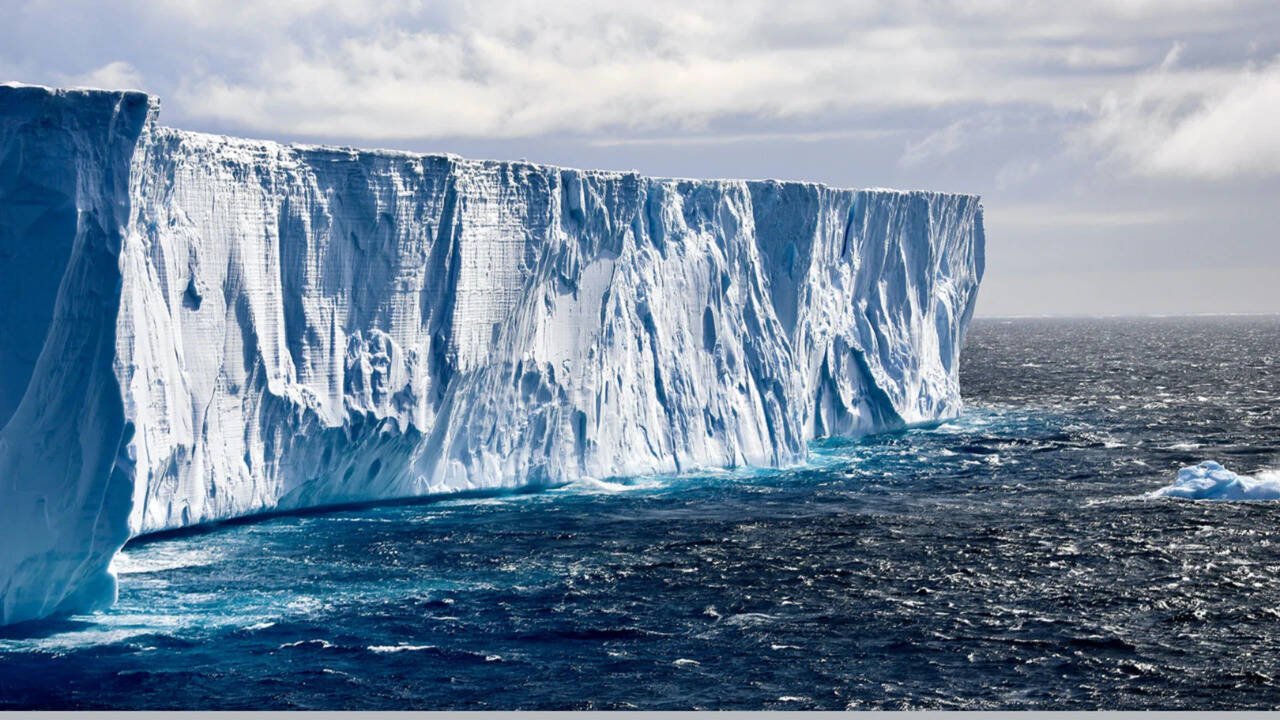
Icebergs in Antarctica (Image Credit: Canva) Antarctica may look like a vast, frozen and unchanging landscape, but deep beneath its thick ice lies a surprisingly active world. In 2007, scientists reported findings based on measurements collected by NASA’s ICESat satellite between 2003 and 2006, revealing major changes in the surface of the West Antarctic Ice … Read more

The average temperature at Antarctica’s Vostok station is minus 55°C, but a body of water the size of Lake Ontario has remained liquid under four kilometers of ice for 15 million years |

The average temperature at Antarctica's Vostok station is minus 55°C, but a body of water the size of Lake Ontario has remained liquid under four kilometers of ice for 15 million years |

Antarctica is the coldest continent on Earth, characterized by extreme temperatures, high altitudes and deadly ice and snow. The average temperature at Russia’s Vostok Station is minus 55°C, and on July 21, 1983, it recorded the lowest reliably measured temperature on Earth – -89.2°C.Yet beneath the region’s white ice caps lies a hidden ocean-sized lake … Read more

Antarctica: Scientists have discovered nanoplastics, including tire wear particles, in Antarctic soil for the first time, raising concerns that microscopic plastic pollution can travel through the atmosphere to the most remote places on Earth

Antarctica: Scientists have discovered nanoplastics, including tire wear particles, in Antarctic soil for the first time, raising concerns that microscopic plastic pollution can travel through the atmosphere to the most remote places on Earth

Nanoplastics found in Antarctic soil for first time, indicating long-distance atmospheric transport Scientists have detected nanoplastics in Antarctic soil for the first time. This provides new evidence that tiny plastic particles can travel through the atmosphere and reach some of the most remote places on Earth. But how is this possible?The study was published in … Read more

Antarctica froze 25 million years before the Arctic, and scientists now think the answer lies beneath the continent

Antarctica froze 25 million years before the Arctic, and scientists now think the answer lies beneath the continent

For a long time, the story seemed simple. As carbon dioxide levels in the atmosphere drop and the Earth cools, large ice caps are beginning to spread across the polar regions. However, there’s one awkward detail that doesn’t quite fit. About 34 million years ago, Antarctica was covered by a large amount of ice, while … Read more

9 places on Earth where the sun never sets: Iceland, Norway, Finland and more | World News

9 places on Earth where the sun never sets: Iceland, Norway, Finland and more | World News

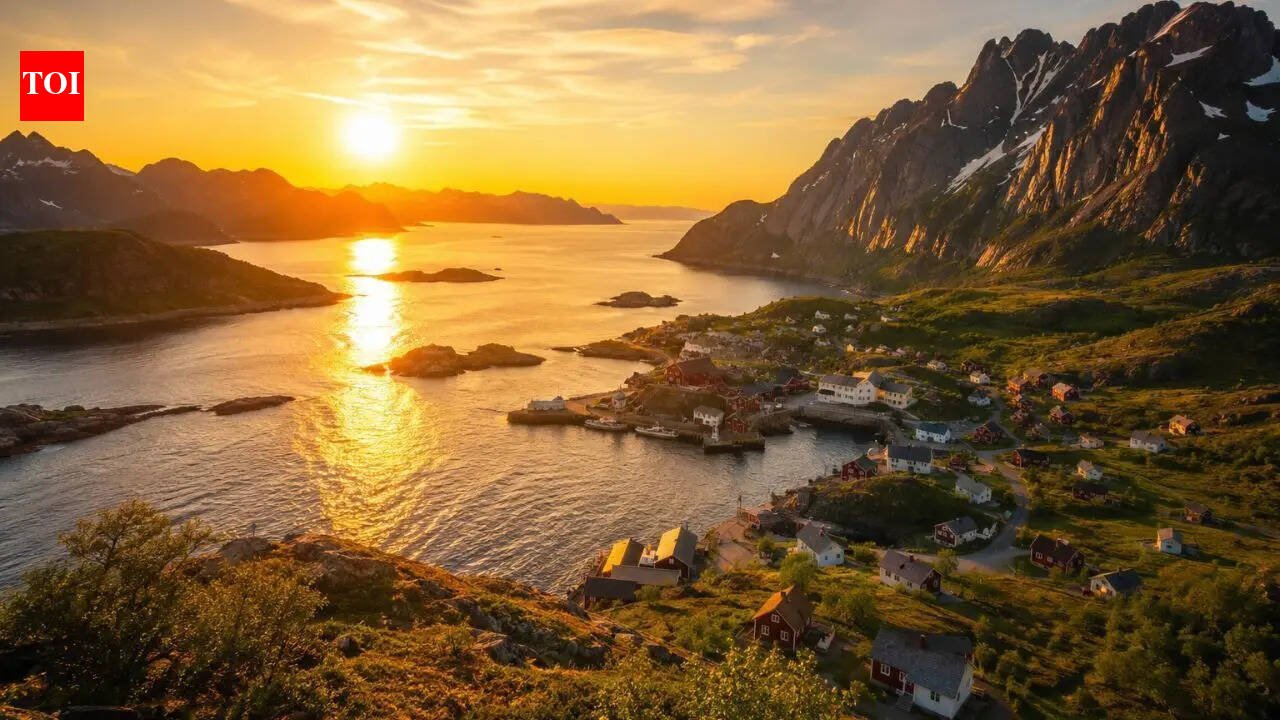
It’s a day that most people don’t really think about. Morning comes, afternoon comes, and finally it starts to get dark. This pattern is so familiar that it feels timeless. However, there are some parts of the world where summer completely disrupts this routine. For weeks or even months, there would be no sunset at … Read more

‘It’s frustrating’: Antarctica’s winter sea ice disappears as temperatures reach 20°C above average

'It's frustrating': Antarctica's winter sea ice disappears as temperatures reach 20°C above average

Vast swaths of Antarctica that should be covered by winter sea ice are largely exposed to the ocean, alarming scientists and raising new concerns about the future of the frozen continent. Satellite observations show that about 650,000 square kilometers of sea ice have not yet formed in the Bellingshausen Sea near West Antarctica, an area … Read more

Antarctica has no cities, no humans and no permanent life: Here’s why humans can’t stay there forever | World News

Antarctica has no cities, no humans and no permanent life: Here's why humans can't stay there forever | World News

PC: Explore Antarctica Antarctica differs from all other continents on Earth in that there are no permanent settlements or human habitations there. While all other continents have permanent inhabitants, Antarctica has never had permanent settlements. People there only come to work temporarily, mostly to conduct some scientific research in those areas, and then leave again. … Read more