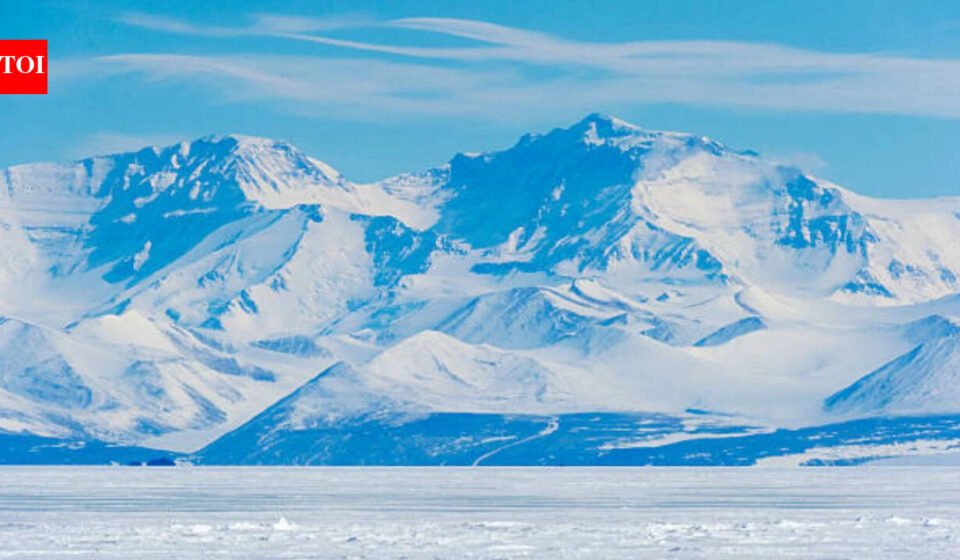
The average temperature at Antarctica’s Vostok station is minus 55°C, but a body of water the size of Lake Ontario has remained liquid under four kilometers of ice for 15 million years |

anomalies in natural phenomena
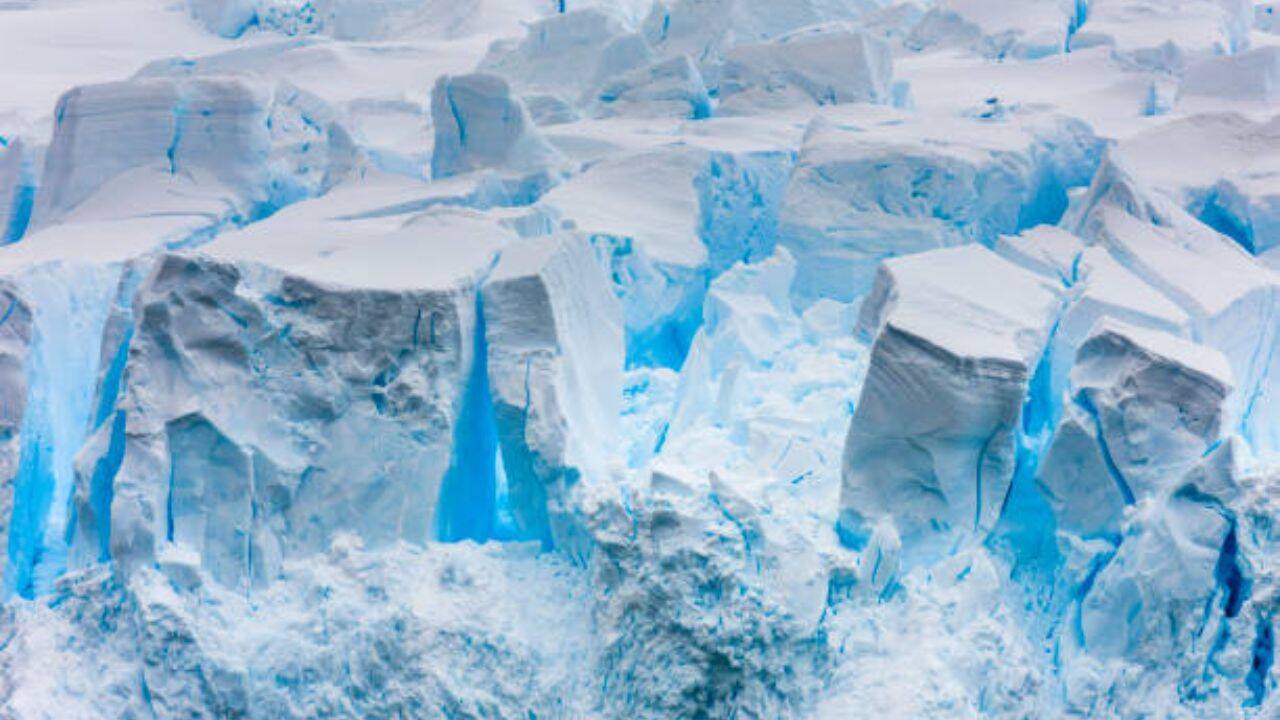
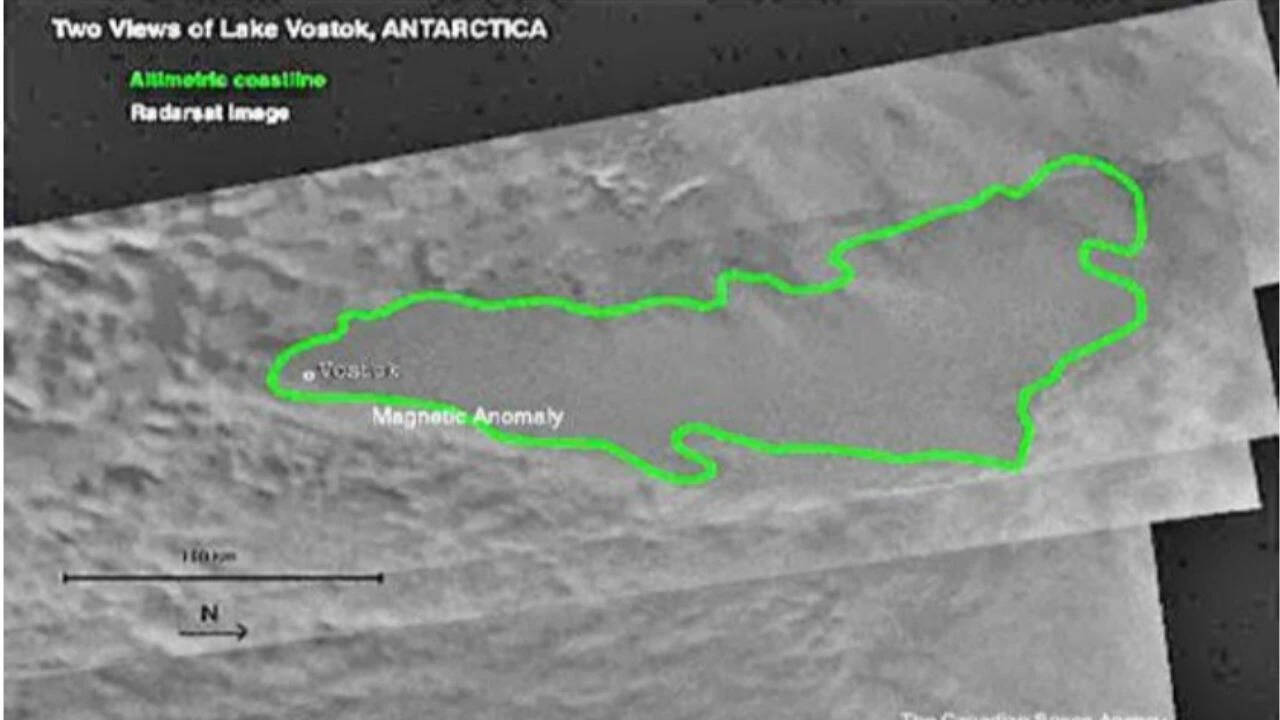
Lake Vostok is about 230 to 250 kilometers long and about 50 kilometers at its widest point.
Lake Vostok is about 230 to 250 kilometers long and about 50 kilometers at its widest point. As radar coverage and models improve, estimates of its exact size and depth vary, but its size is comparable to Lake Ontario. Because much of its basin is deeper, it likely holds more water.The secret behind why lakes stay liquid is a balance of ordinary physics operating on an unusual scale. The ice above insulates it from the surface, the pressure lowers the melting point, and a small but constant amount of heat rises from the Earth’s interior. But it’s worth noting that nowhere in the lake is warm. Water temperatures are expected to be close to -3 degrees Celsius.
compared to lake ontario
Comparisons between Lake Vostok and Lake Ontario are approximate. A review of the Antarctic subglacial environment by the National Academy of Sciences showed that Lake Vostok covers an area of about 14,000 square kilometers, while Lake Ontario covers an area of about 19,000 square kilometers. Other published estimates range higher or lower, depending on how the lake boundaries are defined.Volume comparisons work the other way around. The average depth of Lake Ontario is 86 meters, with the deepest point being 244 meters. The bathymetry of Lake Vostok is less certain, but its deepest depth is estimated to be several hundred meters, possibly closer to a kilometer. Therefore, even though its surface area is smaller, published volume estimates place it much higher than Lake Ontario.Lake Vostok is located in a deep bedrock depression beneath the East Antarctic Ice Sheet. Its water surface cannot be seen from above. Soviet geographer Andrey Kapitsa used seismic detections from the 1959 and 1964 expeditions to infer anomalies beneath the ice. Airborne radio echo surveys in the 1970s later discovered a broad and unusually flat reflector. Satellite radar altimetry later revealed a flat area on the ice, a subtle sign that the ice sheet was floating on the water.Russian and British researchers combined these observations in a 1996 paper in the journal Nature to determine the lake’s size. This discovery is not something you see through a drill hole. This is an inference based on seismic waves, radar reflections and the shape of the overlying ice.
science of lakes
At the top of Lake Vostok, fresh water can remain liquid at temperatures around -2.5 to -3 degrees Celsius. Source:X
Four kilometers of ice sounds like a huge object and a source of cold, but this cold doesn’t penetrate downward. Heat moves along a temperature gradient. The cold surface extracts energy from the ice sheet, and its vast thickness slows the conduction of heat away from the base.Furthermore, ice is not static. Snow that accumulates on the surface is compressed and slowly transported downward and across the continent. This movement transports cold ice, while deformation within the ice sheets and heat conduction from below help set the temperature distribution. The resulting thermal equilibrium can bring the bottom of a thick ice sheet to the melting point, even if the top is still dozens of degrees cooler.Heat sources are also located deep within the earth’s surface. Radioactive decay and residual heat in the Earth’s interior generate geothermal fluxes through the Earth’s crust. At Lake Vostok, models usually use values around 0.05 watts per square meter. This is minuscule compared to sunlight on the Earth’s surface, but the lake has no direct contact with Antarctic air, and the input has continued throughout geological time.The weight of nearly four kilometers of ice creates a pressure of about 34 MPa at the top of the lake, about 340 times the atmospheric pressure at sea level. For ordinary ice in an ice sheet, increasing pressure lowers the melting temperature. At the top of Lake Vostok, fresh water can remain liquid at temperatures around -2.5 to -3 degrees Celsius.Because of the slope of the ice sheet’s base, pressure melt temperatures are not uniform across the lake. Radar-based research archived at NASA Research shows that changes in ice thickness and pressure-related melting point create distinct melting and freezing zones across the top of the lake. Where the ice is thicker, lower pressure melting temperatures favor melting. The water then circulates around the lake, carrying the heat. Below the shallower ice, where the melting point is slightly higher, lake water may freeze to the base of the ice sheet.This refrozen material is called accretion ice. More than 200 meters of ice have been found at the bottom of the Orient ice core. It is different from the glacier above, which starts with snowfall. Moving ice sheets carry away accumulated ice, while fresh basal ice melts elsewhere, creating a slow exchange between lakes and glaciers. Geothermal heating also promotes convection. Warmer water near the river bed becomes buoyant and rises relative to the surrounding water, while cooling and freezing of the roof changes density. The Earth’s rotation can organize the resulting flows into columns and eddies. Lake Vostok is not a static, motionless patch. It has a roof that cycles, melts, freezes, and slowly slides above it.
Ancient ruins?
East Antarctica likely kept Lake Vostok continuously covered for about 15 million years, although estimates of its longer history vary. This keeps it away from direct sunlight and away from daily interaction with the modern atmosphere. This does not mean that every water molecule is 15 million years old.The ice flows across the lake, merges into the lake, and then freezes on top of the lake. Published estimates of the replacement or residence time of water range from thousands to more than a hundred thousand years. One oft-cited model gives the lake’s volume taking approximately 13,300 years to update.The biological evidence in the lake remains difficult to explain. Because the lake water does not receive sunlight, photosynthesis cannot occur. But melting glaciers release trapped gases into the water. Under the pressure of a lake, oxygen may accumulate in dissolved form or in gas-water structures called clathrates.Researchers report microbial cell and gene sequences from accreted ice. A review in the journal Nature concluded that small numbers of microorganisms had been detected and that dissolved oxygen should be present near the lake’s surface. Furthermore, they are not necessarily naturally occurring, as they may enter from drilling equipment, drilling fluids, laboratories, or overlying glaciers.But Lake Vostok remains in the discussion because it is a symbol of possibility. It proves that liquid water can persist beneath a thick, frozen crust without sunlight. It also shows that testing the water is easier than sampling it cleanly, and that habitability differs from evidence of residents.