
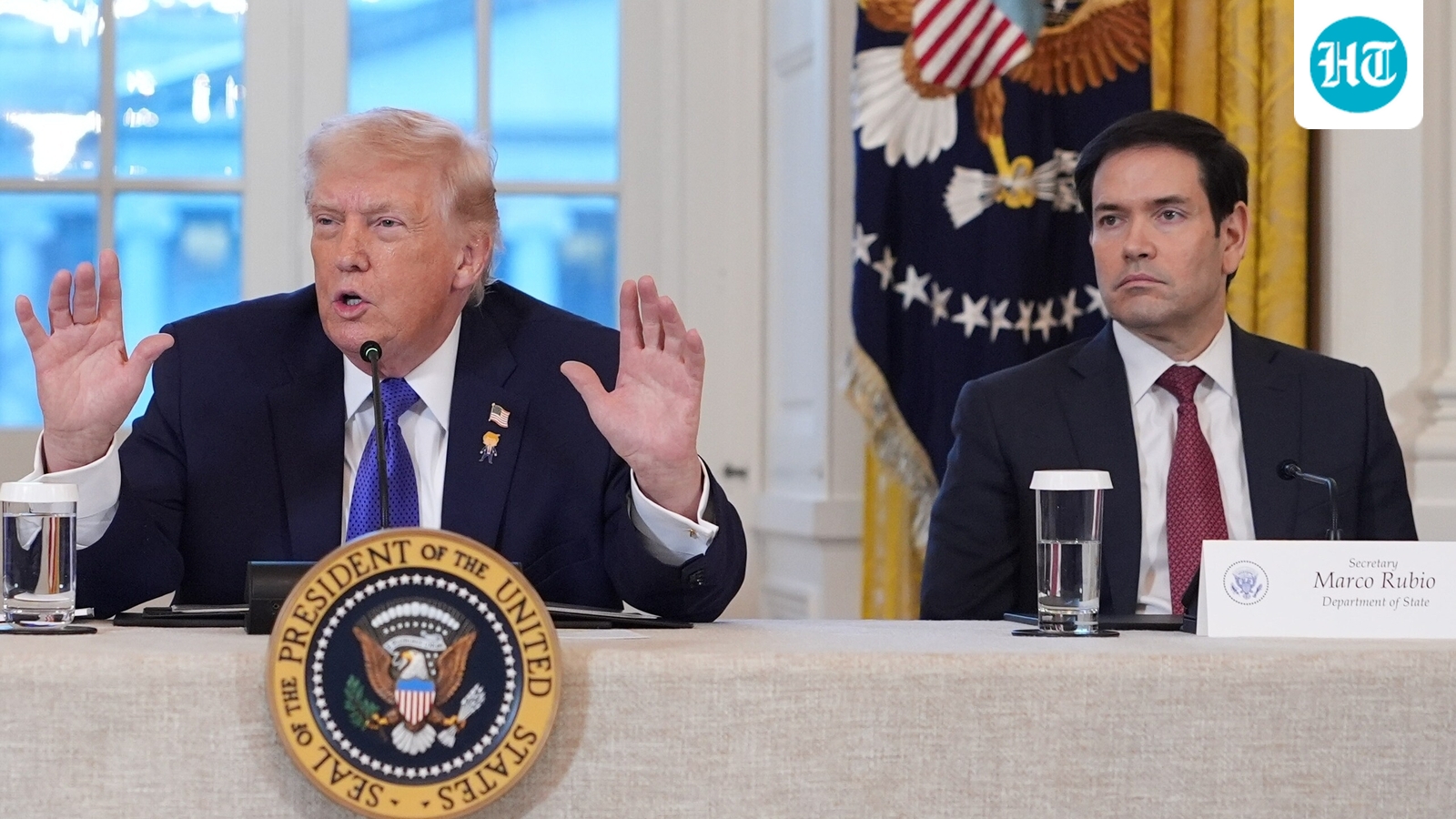
The US State Department has reportedly questioned some career diplomats seeking senior assignments about their voting history in the past three presidential elections, raising concerns over alleged political bias in federal government hiring and promotions under President Donald Trump’s administration.
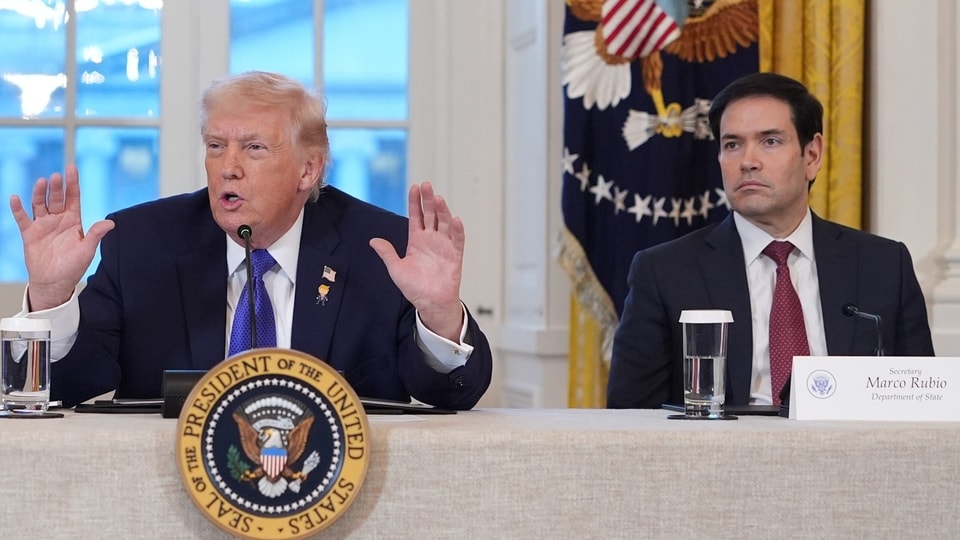
According to The Washington Sun, candidates who voted for Trump were eligible for mid- to upper-level Foreign Service positions, while campaign donations were also scrutinized. The report has drawn criticism from lawmakers and former diplomats, who argue that professional experience, rather than political loyalty, should determine appointments to senior diplomatic roles.
A State Department spokesperson rejected the allegation, calling the suggestion that officials were asked about their political affiliations for promotions an “absurd premise”.
The spokesperson told The Hill on Thursday that the administration would prioritize merit over the number of years employees had served at the department. Questions about “fidelity”, the spokesperson said, concerned upholding the Constitution, following the law and implementing policies in the interests of the American people.
“It is not about partisan behavior but rather about executing the President’s vision for foreign policy,” the spokesperson said.
Foreign Service association considers legal options
The American Foreign Service Association (AFSA), the professional association and union representing Foreign Service officers, said it had heard accounts of senior career officials being denied positions after interviews that included politically oriented questions.
The association said such questioning had no place in federal service and was exploring possible legal options.
Federal law prohibits discrimination against federal employees based on political affiliation. Career Foreign Service and civil service officers are also required to perform their duties in a neutral and nonpartisan manner, although the executive branch can appoint political officials to designated positions.
Sen. Jeanne Shaheen, the outgoing ranking member of the Senate Foreign Relations Committee, said lawmakers had been examining whether political affiliation was becoming a factor in federal employment.
“These are critical national security positions and individuals should be chosen for their experience and ability, not their political loyalty,” Shaheen told The Washington Sun, adding that lawmakers were working to investigate the allegations.
Rep. James Walkinshaw, a Democrat from Virginia, also criticized the reported practice, saying on X that basing civil service decisions on political affiliations or donations was illegal.
Rubio’s restructuring draws further scrutiny
The allegations come amid wider changes at the State Department under Secretary of State Marco Rubio. In July 2025, the department added a “fidelity” component to employee evaluation criteria, assessing how officials protect and promote executive power, Federal News Network reported at the time. The assessment reportedly linked to a White House webpage listing Trump’s executive orders and presidential actions.
Earlier in 2026, Rubio laid off approximately 1,100 civil service employees and 250 Foreign Service officers as part of a restructuring effort. The department said the cuts followed the elimination of specific bureaus and offices, while critics argued that experienced staff were unfairly affected.
The State Department maintains that its approach focuses on merit and policy implementation. The reported allegations have yet to be established as unlawful political discrimination.