Around AD 310, a Roman emperor had a private bath built with three pools, heated floors and a sauna; archaeologists have now uncovered its unusual design
Around AD 310, a Roman emperor had a private bath built with three pools, heated floors and a sauna; archaeologists have now uncovered its unusual design

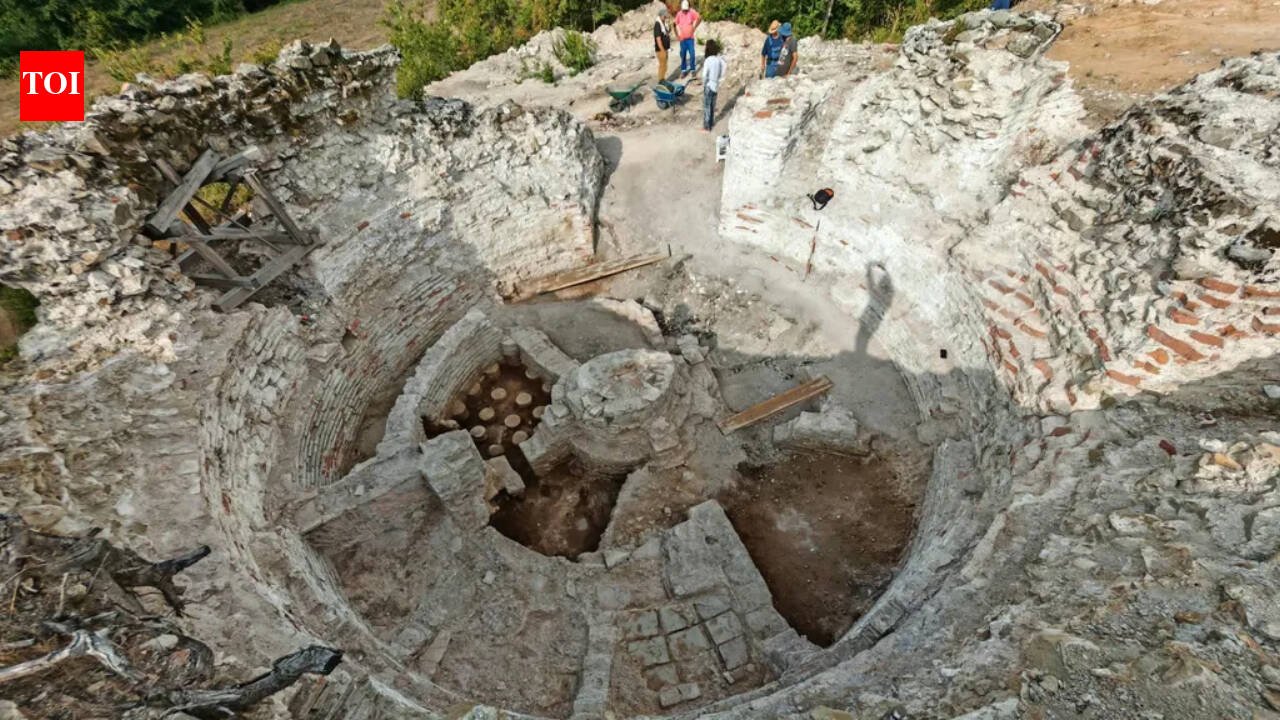
The bath was incorporated directly into the emperor’s palace, with its heating system, bathing areas and sophisticated architecture working together within a relatively compact space. Nearly 1,700 years ago, an emperor could retreat from the demands of the Roman court without leaving his palace. Beneath a monumental tower in what is now eastern Serbia, he … Read more

A Union soldier aged just 16 to 19 was buried after the 1862 Battle of Manassas; 162 years later archaeologists found him beside four amputated limbs, and he is now set to be buried at Arlington

A Union soldier aged just 16 to 19 was buried after the 1862 Battle of Manassas; 162 years later archaeologists found him beside four amputated limbs, and he is now set to be buried at Arlington

Representative Image (AI-generated) More than 160 years after the Second Battle of Manassas, the remains of a young Union soldier are set to receive a final resting place at Arlington National Cemetery. According to the National Park Service, archaeologists uncovered the nearly complete burial of the soldier during excavations at Manassas National Battlefield Park in … Read more

Mystery Iron Age fort in Shropshire excavated after 40 years as archaeologists investigate its strange wetlands, huge earthworks and unexplained causeways

Mystery Iron Age fort in Shropshire excavated after 40 years as archaeologists investigate its strange wetlands, huge earthworks and unexplained causeways

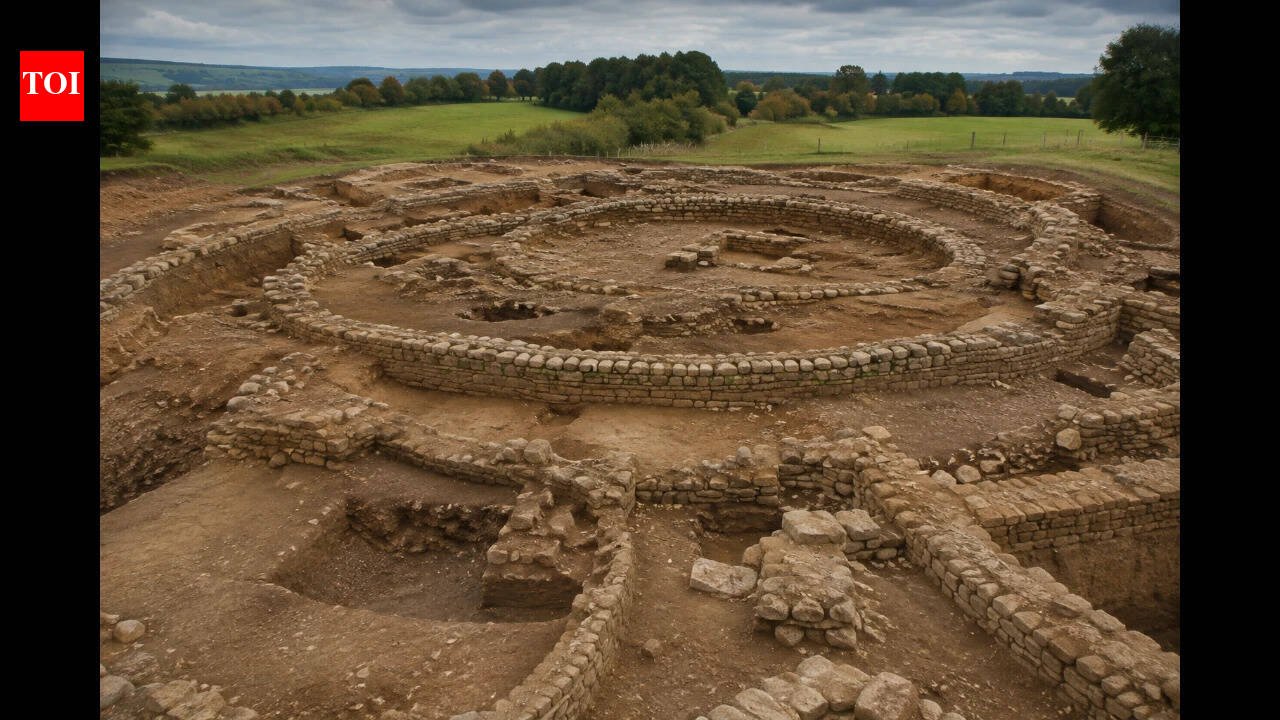
An unusual Iron Age fort hidden in the former wetlands of Shropshire is being excavated again after almost four decades, giving archaeologists a rare opportunity to investigate one of Britain’s most enigmatic lowland forts. Wall Camp, near Kynnersley and Telford, has been selected as the new home of the University of Birmingham’s Archaeology Field School … Read more

1,500-year-old child burial unearthed in Peru with whistles, a rattle and a striking sculptural vessel, archaeologists uncover clues to an ancient civilisation’s rituals

1,500-year-old child burial unearthed in Peru with whistles, a rattle and a striking sculptural vessel, archaeologists uncover clues to an ancient civilisation’s rituals

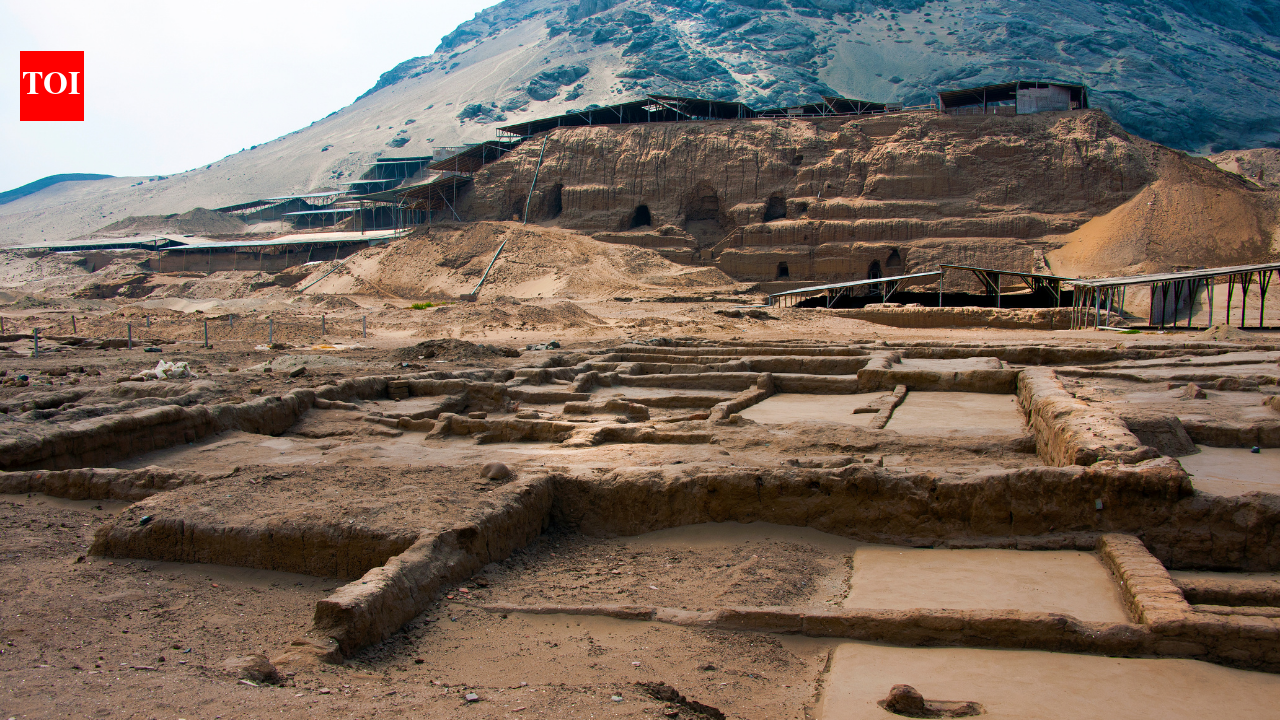
Huacas de Moche (Image Credit: Canva) Archaeologists working at the Huacas de Moche Archaeological Complex in northern Peru have uncovered the burial of an infant estimated to be about 1,500 years old. The child, approximately 1.5 years old, was buried with a funerary assemblage that included two whistles, a rattle and a sculptural vessel. Researchers … Read more

Archaeologists found a 7,000-year-old pit packed with beaver bones; it reveals how Europe’s first farmers used animal fur

Archaeologists found a 7,000-year-old pit packed with beaver bones; it reveals how Europe's first farmers used animal fur

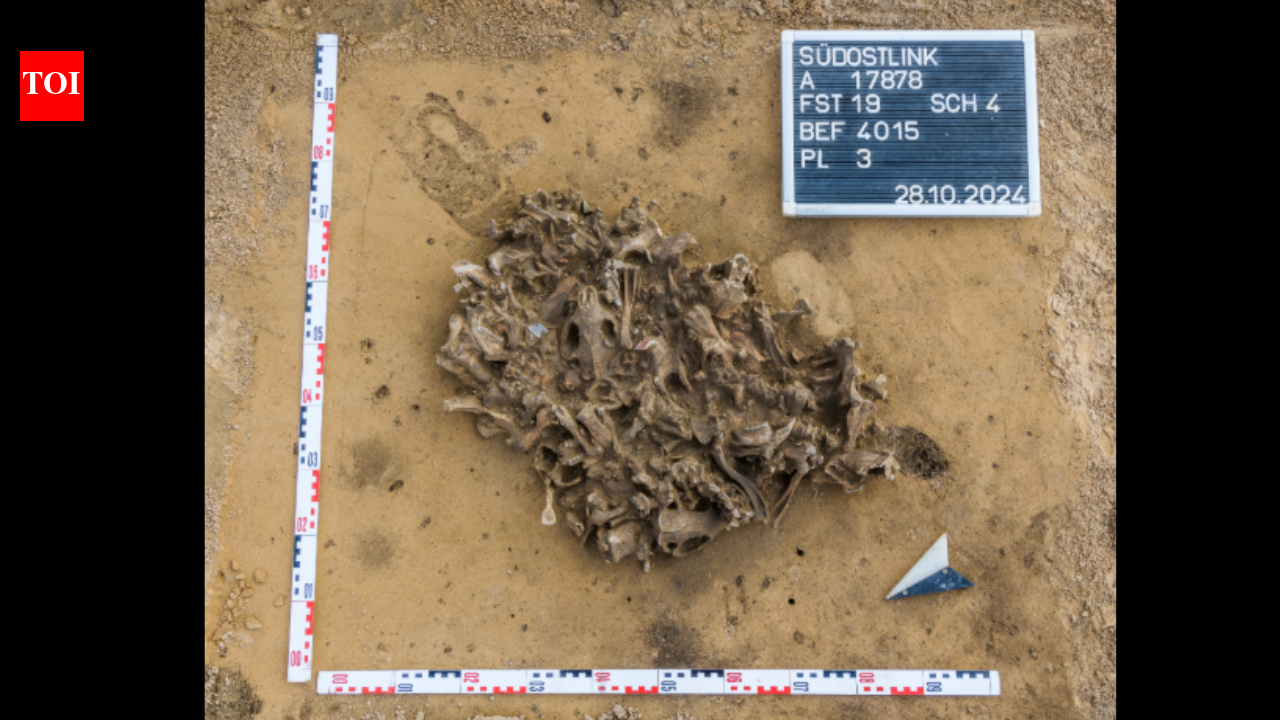
PC :State Office for Heritage Management and Archaeology Saxony-Anhalt Archaeologists in Germany have uncovered a Stone Age pit near Alsleben, Saxony-Anhalt, containing the bones of at least twelve beavers, offering an unusually vivid window into how Europe’s earliest farmers exploited animal fur. The roughly 7,000-year-old feature was first unearthed in 2024 during surveys ahead of … Read more

Archaeologists found 9,000-year-old arrowheads covered in strange markings; their purpose remains a mystery

Archaeologists found 9,000-year-old arrowheads covered in strange markings; their purpose remains a mystery

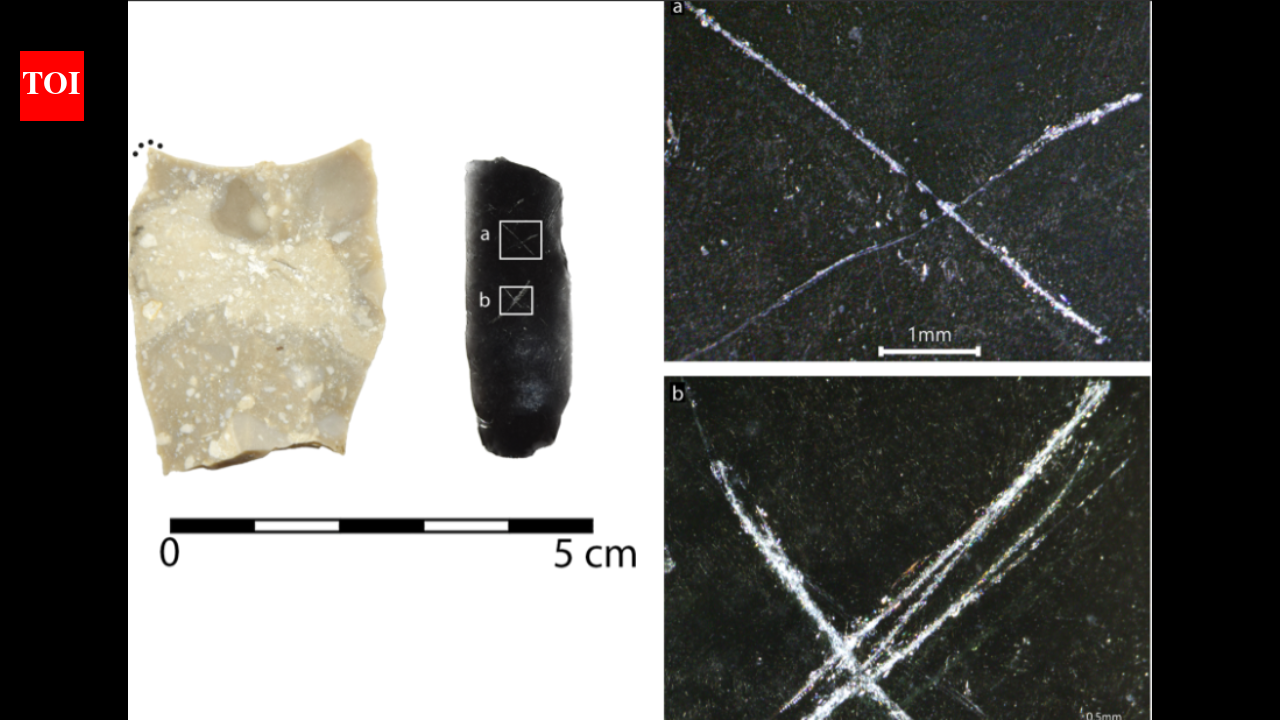
PC: Intentional incisions on Neolithic Obsidian arrowheads from Central Anatolia: A techno-functional and iconographic approach For nearly nine thousand years, a set of Anatolian arrowheads has been quietly guarding a secret. Archaeologists working at Tepecik-Ciftlik, a Neolithic settlement in Cappadocia, central Turkey, have identified eleven newly recognised obsidian points bearing deliberate, hand-cut incisions, bringing the … Read more

In 1831, Thornton and Lucie Blackburn escaped slavery in Kentucky and fled to Canada; 154 years later, archaeologists uncovered their lost home

In 1831, Thornton and Lucie Blackburn escaped slavery in Kentucky and fled to Canada; 154 years later, archaeologists uncovered their lost home

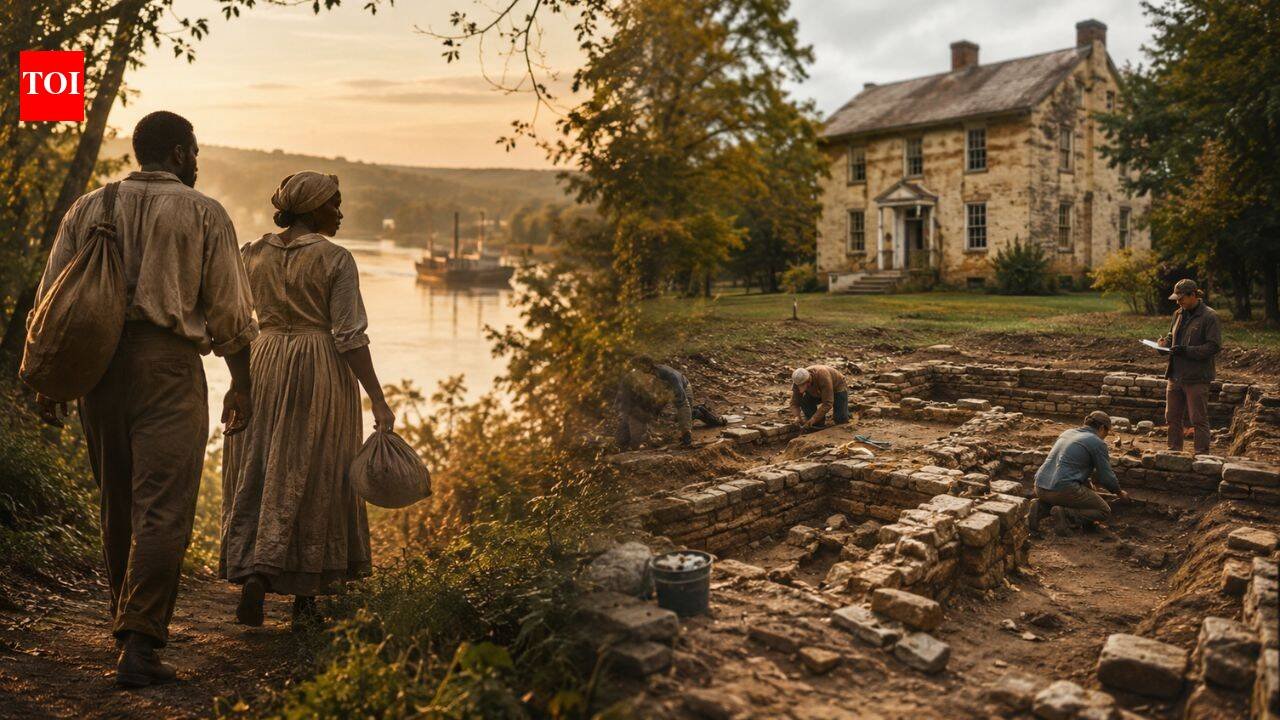
On a summer day in 1831, Thornton and Lucie Blackburn left Louisville with little certainty about what awaited them. They were enslaved, newly married and facing the possibility that Lucie could be sold away from her husband. Their escape began on a steamboat and took them through Cincinnati and into Michigan, where they tried to … Read more

Archaeologists find earliest physical evidence of brass-making in East Asia in southern China

Archaeologists find earliest physical evidence of brass-making in East Asia in southern China

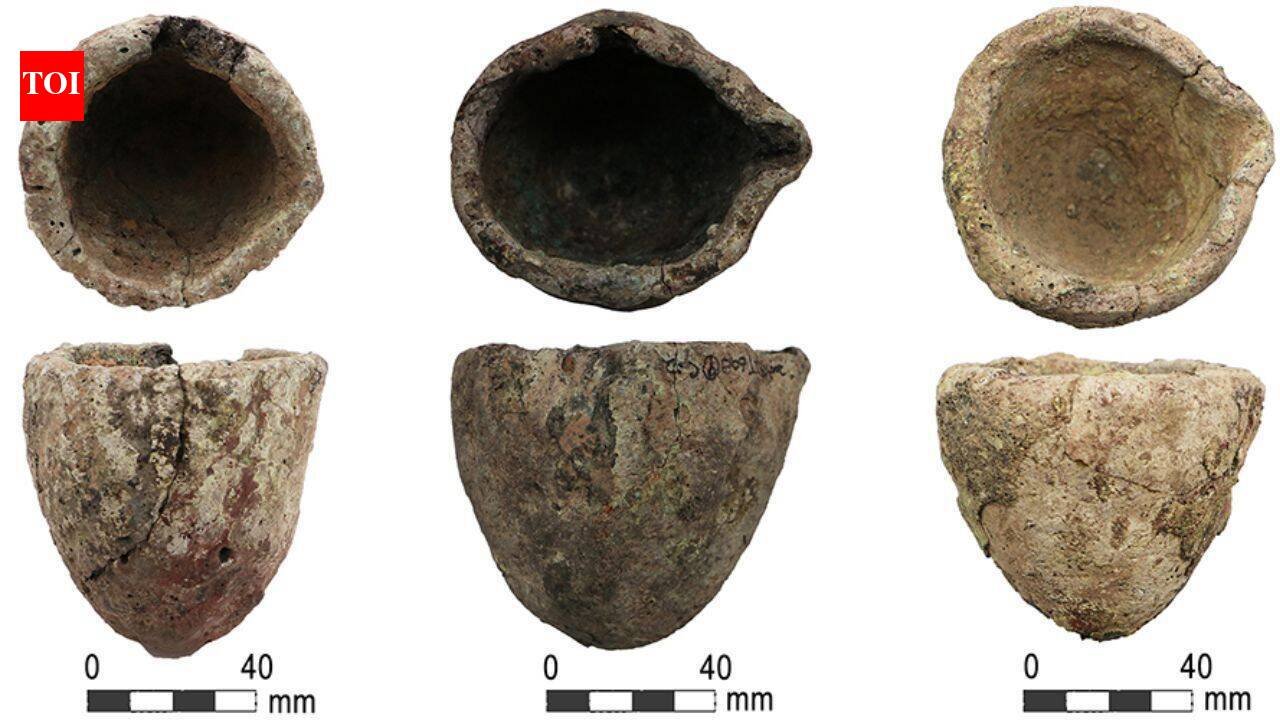
Archaeologists find the earliest physical evidence of brass-making in East Asia in southern China (PC: Cambridge University Press) A set of ancient crucibles found in Guangzhou is giving archaeologists new clues about how brass-making technology may have reached medieval China. The vessels came from an official metallurgical workshop at the Royal Palace of the Nanyue … Read more

Archaeologists found a young woman, believed to be 14 to 19, buried with a 32-to 34-week fetus in a Swedish cave; the remains may be up to 9,500 years old

Archaeologists found a young woman, believed to be 14 to 19, buried with a 32-to 34-week fetus in a Swedish cave; the remains may be up to 9,500 years old

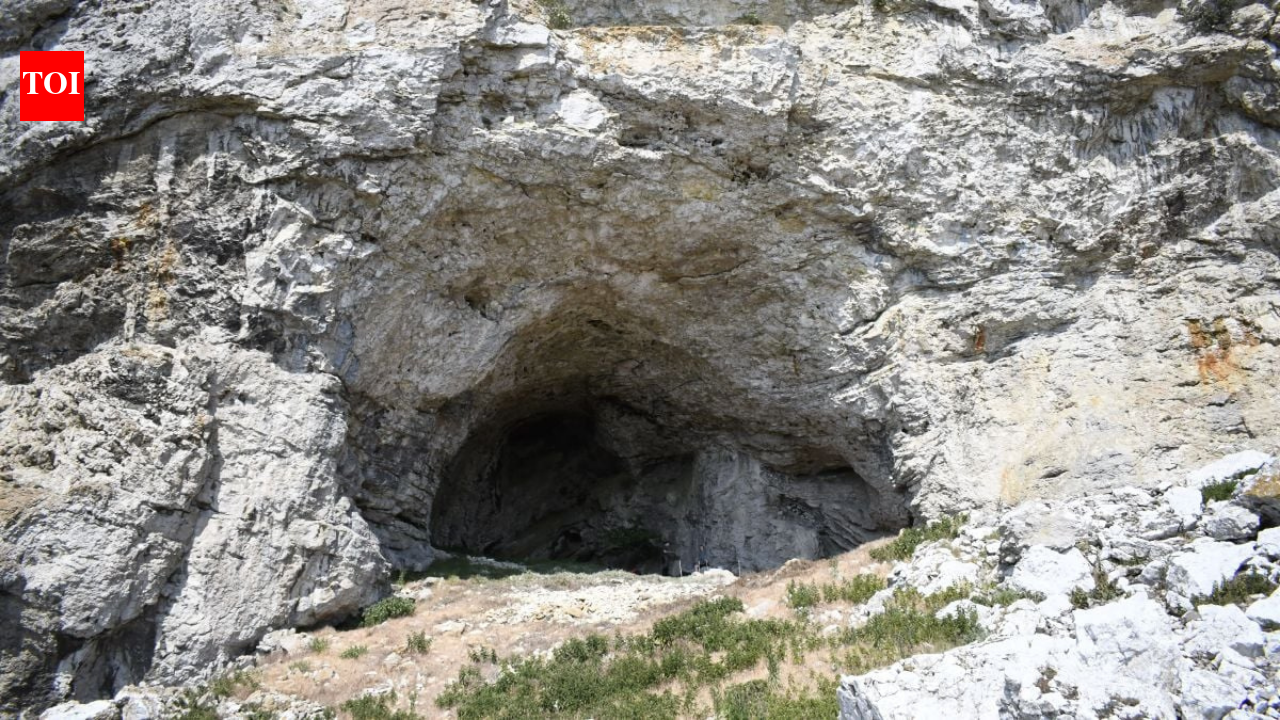
On a small island off the coast of Sweden, a tragedy lay buried for thousands of years, hidden in the depths of a cave. Buried under ancient sediment, were the bones of a young woman and a fetus, estimated to be around 32 to 34 weeks of gestation.The shocking discovery was made by archaeologists in … Read more

2,300-year-old beer, well preserved inside an ancient bronze bottle containing nearly a gallon of liquid with more than 2,400 chemical compounds, was discovered by archaeologists

2,300-year-old beer, well preserved inside an ancient bronze bottle containing nearly a gallon of liquid with more than 2,400 chemical compounds, was discovered by archaeologists

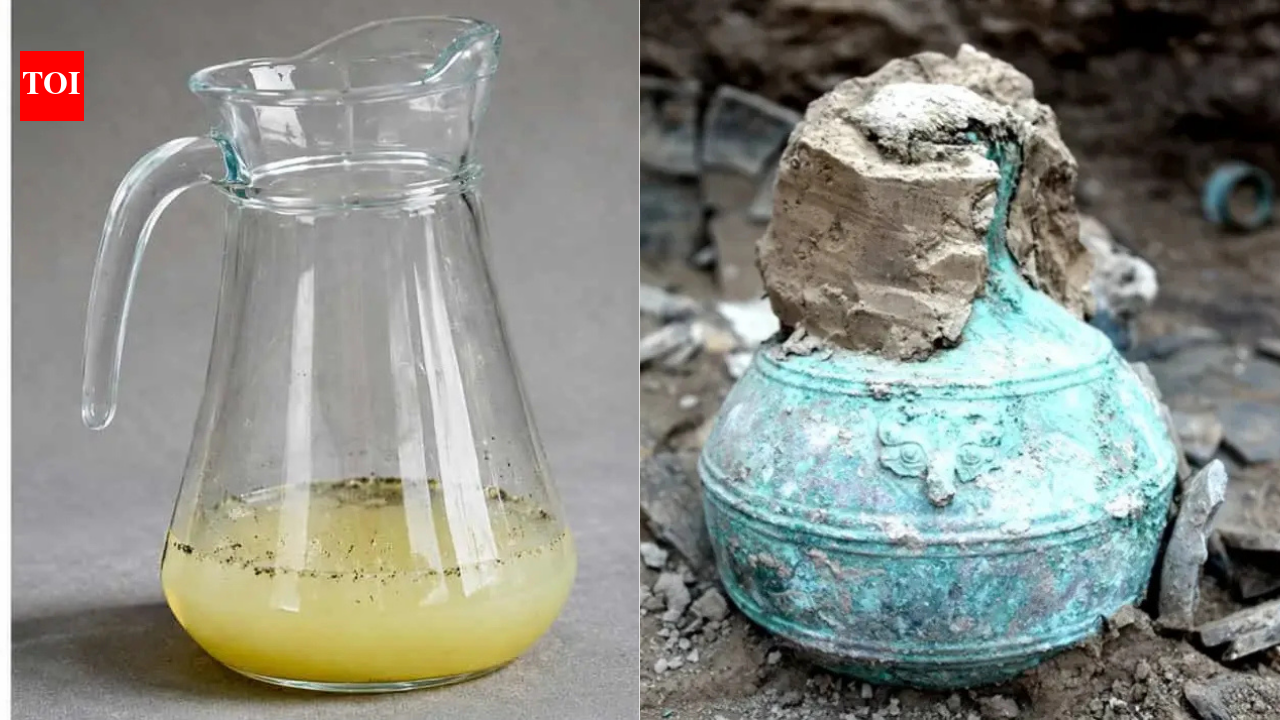
Archaeologists in China have uncovered an extraordinary alcoholic drink that remained remarkably well preserved for more than 2,000 years inside an ancient bronze bottle. The vessel, recovered from a Qin-period tomb at the Shanjiabao cemetery in the Ningxia Hui Autonomous Region, contained about 3.74 litres of pale blue-green liquid, equivalent to nearly a gallon. Scientific … Read more